South Korea Assures Security Unaffected Despite Potential US Military Asset Relocation Amid Middle East Tensions
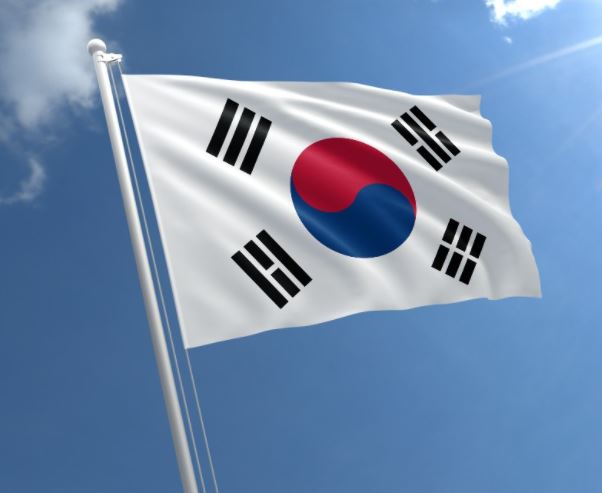
Seoul. Amid reports that the United States might relocate some of its military equipment stationed in South Korea to the Middle East due to escalating regional conflict, Seoul has asserted that there will be no compromise in its security arrangements. South Korea's Ministry of National Defense clarified on Wednesday that even with such a potential move, the capability to deter threats emanating from North Korea would remain unaffected.
The US, South Korea's primary security partner, maintains a permanent presence of approximately 28,500 troops in the country. Alongside these forces, various air and missile defense systems are deployed in South Korea, intended to help counter potential nuclear and ballistic missile attacks from North Korea.
This week, the US newspaper The Washington Post, citing US officials, reported that the US is preparing to move parts of its Terminal High Altitude Area Defense (THAAD) system from South Korea to the Middle East. It is speculated that this military asset relocation might be in response to rising tensions and the potential for conflict involving Iran.
However, South Korea's Ministry of National Defense has declined to directly confirm such reports. In a statement provided to AFP, the ministry indicated that even if some US military assets are redeployed abroad, there will be no weakening in its defensive posture to deter potential North Korean aggression, considering the overall military capability.
The statement noted that the United States Forces Korea (USFK) still possesses sufficient military capability to control the North Korean risk based on its existing assets. Therefore, Seoul claims that even with a limited transfer of military equipment, the security arrangement will not be significantly impacted.
The THAAD missile defense system is a modern system designed to intercept short, medium, and intermediate-range ballistic missiles. It possesses the capability to destroy incoming missiles directly through a 'hit-to-kill' technology.
This system was installed in South Korea in 2017. At that time, China strongly opposed the decision, expressing concerns that the system would disrupt the regional strategic balance.
South Korean President Lee Jae-myung, however, signaled that his government is not pleased with the news of the potential relocation of US military assets. Nevertheless, he acknowledged that the reality is different and that Seoul's decision-making capacity on this matter is limited.
On Tuesday, President Lee stated that the government is dissatisfied with the USFK withdrawing some air defense weapons due to its own military requirements. But he also mentioned the harsh reality that South Korea cannot fully implement all its views.
Meanwhile, South Korea's state news agency Yonhap reported on a photograph taken last week and released on Tuesday. The photo reportedly showed some parts of a THAAD battery located in Seongju County, about 220 kilometers south of Seoul, being removed or dismantled.
An official from the Presidential Office stated that it would be inappropriate to comment publicly on matters concerning the redeployment of military assets. He advised caution regarding speculative news appearing in the media, as such issues are highly sensitive.
According to him, speculative reports based on militarily sensitive issues could affect the nation's security interests. He also noted the risk that such news could unnecessarily affect South Korea's relations with key Middle Eastern countries.
This specific news has been automatically translated by AI. As a result, there may be some inaccuracies or language errors.