Judicial Council Recommends Six Candidates for Next Chief Justice as Incumbent Nears Retirement


Kathmandu. The Judicial Council has sent a list of six judges to the Constitutional Council for the recommendation of the next Chief Justice. The Council has recommended the names of six eligible judges to the Council.
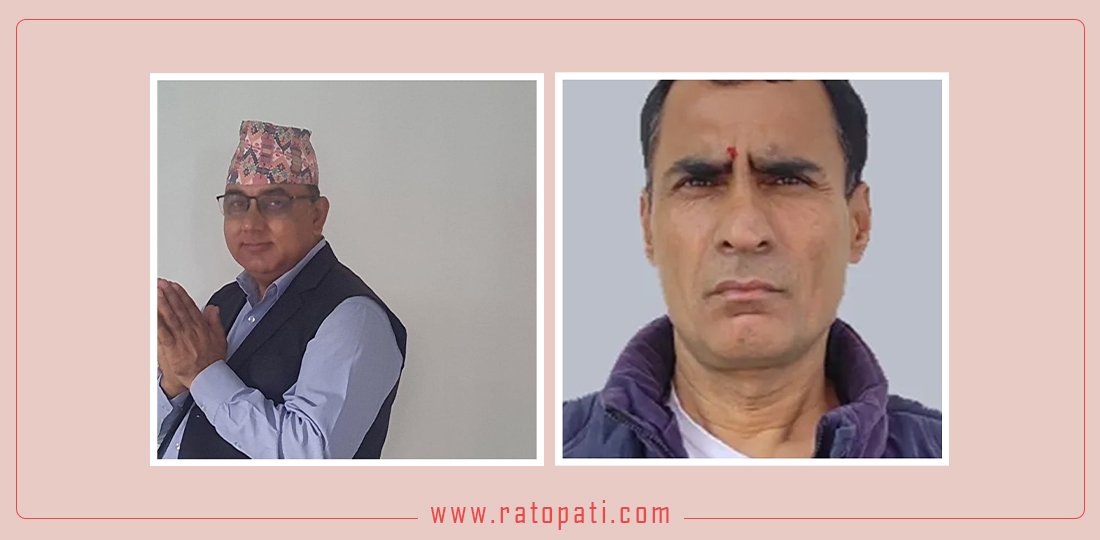
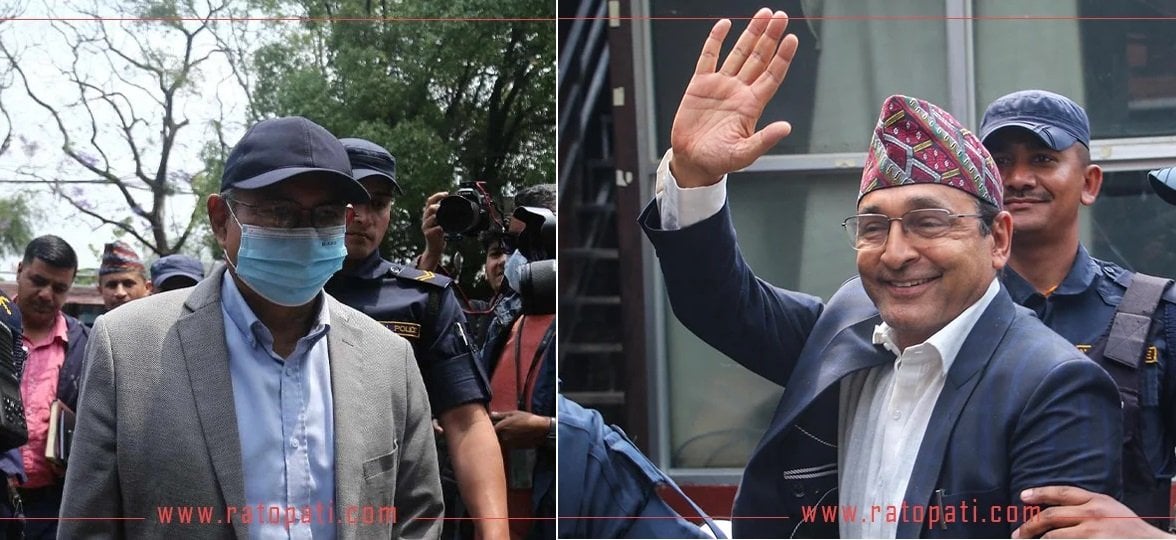
As Chief Justice Prakash Man Singh Raut is set to retire on the completion of the 65-year age limit on Chaitra 18, the Council sources informed that the names recommended for the post include the most senior Supreme Court Justice Sapana Pradhan Malla, along with Kumar Regmi, Hari Prasad Phuyal, Dr. Manoj Kumar Sharma, Dr. Nakul Subedi, and Til Prasad Shrestha.
Article 129 of the Constitution contains provisions regarding the appointment and qualifications of the Chief Justice of Nepal and Supreme Court judges. According to Sub-article 2 of this provision, the appointment of the Chief Justice and other Supreme Court judges by the President shall be based on the recommendation of the Constitutional Council, following the recommendation of the Judicial Council.
Similarly, Sub-article 3 mentions that a person who has served as a Supreme Court judge for at least three years is eligible for appointment to the post of Chief Justice. The Council has sent the names of all those who have completed this three-year tenure according to this sub-article.
After the Judicial Council sends the roster, the Prime Minister-led Constitutional Council will convene a meeting to recommend the name of the future Chief Justice. Subsequently, the recommended name will be sent to the Federal Parliament for a parliamentary hearing. Once the name reaches the Parliament, the Hearing Committee calls for public complaints. The hearing process begins. Only after the name is endorsed by the Hearing Committee will the President appoint the Chief Justice, as per the constitutional arrangement.
Violation of Constitutional Provision Requiring Action Within One Month
Sub-article 3 of Article 284 of the Constitution states, 'The Constitutional Council shall recommend for appointment in accordance with this Constitution at least one month prior to the vacancy of the post of Chief Justice or any head or official of a constitutional body.'
The same article further states, 'However, in the event of a vacancy due to death or resignation, the recommendation for appointment may be made within one month from the date of vacancy to fill the post.'
The recommendation for the appointment of the Chief Justice has not been made within the timeframe stipulated by the Constitution. If further delay occurs beyond the Constitutional Council's one-month deadline, it appears the judiciary might once again fall under the charge of an acting official.
Previously, the judiciary operated under an acting Chief Justice for extended periods three times. Damodar Sharma, Deepak Kumar Karki, and Hari Krishna Karki served as acting officials for long durations. This time, due to the uncertainty surrounding the oath-taking of the new Parliament formed after the recent political movements, the appointment of the Chief Justice seems likely to be delayed.
Sub-article (3) of Article 129 of the Constitution of Nepal states that a person who has served as a Supreme Court judge for at least three years is eligible to be appointed as the Chief Justice.
Sub-article 5 of the same article states, 'A Nepali citizen who has obtained a Bachelor of Laws degree and has served as the Chief Judge or a Judge of the High Court for at least five years, or has obtained a Bachelor of Laws degree and has practiced continuously as a Senior Advocate or Advocate for at least 15 years, or has continuously worked in the field of justice or law for at least 15 years and gained recognition as a distinguished jurist, or has served for at least 12 years in the first class gazetted post or higher in the Judicial Service, shall be deemed eligible for appointment to the post of Supreme Court Judge.'
This specific news has been automatically translated by AI. As a result, there may be some inaccuracies or language errors.