Crude Oil Prices Surge Amid Escalating Conflict with Iran, Fueling Global Economic Concerns


Crude oil prices have sharply increased in the global market as the conflict with Iran intensifies. On Monday, Brent crude oil in the international market surpassed $115 per barrel, marking an approximately 24 percent rise from the price at the end of the previous week. The price of West Texas Intermediate (WTI) crude oil, produced in the United States, also reached around $116 per barrel, an increase of nearly 28 percent from the previous price.
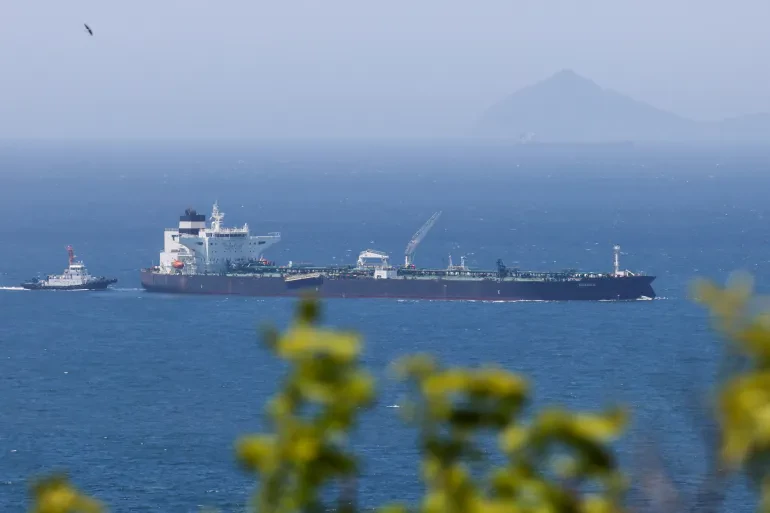
The sharp rise in global oil prices is due to the significant risk posed to oil production and transportation amid the ongoing conflict in the Middle East. Specifically, the Strait of Hormuz, a major maritime route for transporting oil worldwide from the Persian Gulf region, has become insecure. Approximately 15 million barrels of crude oil are transported daily through this route, accounting for about 20 percent of the world's total oil supply. Due to the conflict, many oil tankers are hesitant to use this route following increased threats of missile and drone attacks.
Oil and gas facilities have also become targets during the conflict. Iranian officials stated that four people were killed in an Israeli attack on an oil storage facility in Tehran. Israel, however, claimed that these storage facilities were being used for Iranian military purposes. Meanwhile, Iraq, Kuwait, and the United Arab Emirates have reduced production following issues with oil exports, increasing concerns about reduced supply in the global market.
Iran exports about 1.6 million barrels of oil daily, a significant portion of which is purchased by China. If Iran's exports are affected by the conflict, China may have to seek oil from other countries, which could create further pressure on the global market. In the meantime, natural gas prices have also increased slightly, although not as dramatically as oil.
The rapid rise in oil prices has heightened concerns about the impact on the global economy. Higher energy costs are likely to lead to increased inflation and reduced consumer spending. This has also affected major global stock markets. Japan's Nikkei 225 index fell by more than 7 percent on Monday, and declines were observed in markets in other countries as well. Analysts have warned that if oil prices remain above $100 for an extended period, it could place serious pressure on the world economy.
This specific news has been automatically translated by AI. As a result, there may be some inaccuracies or language errors.