Transportation Expert Ashish Gajurel Transitions from Infrastructure Specialist to Member of Parliament in Nepal
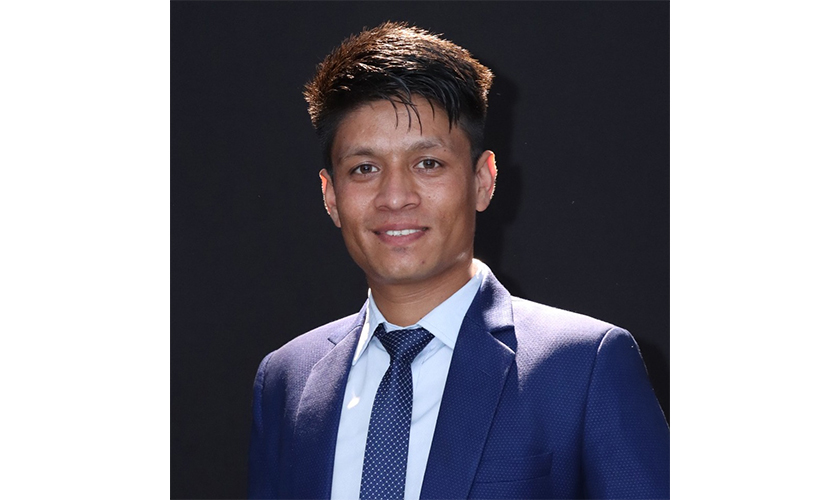
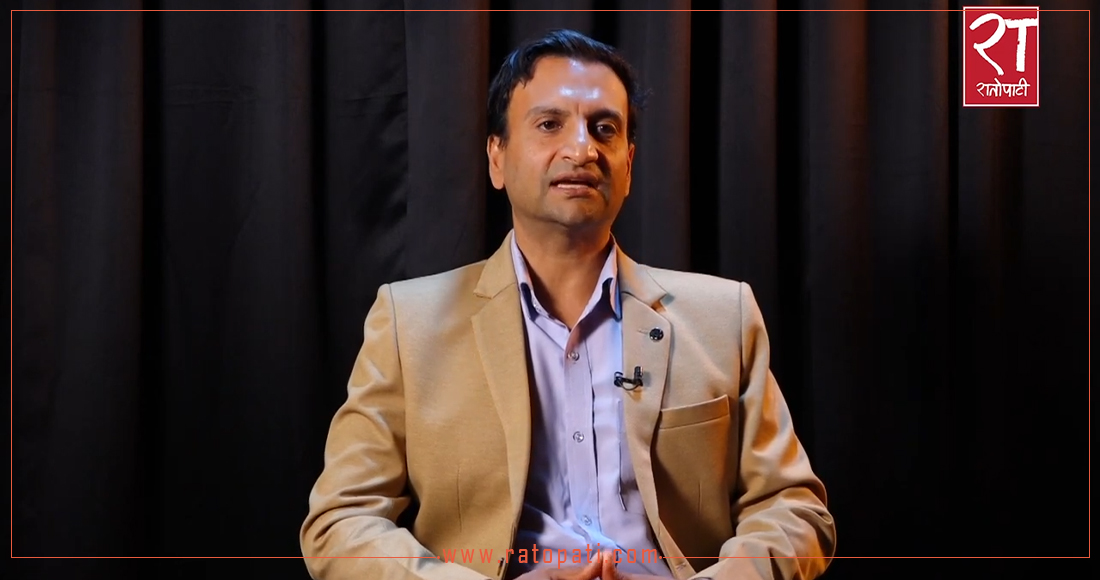
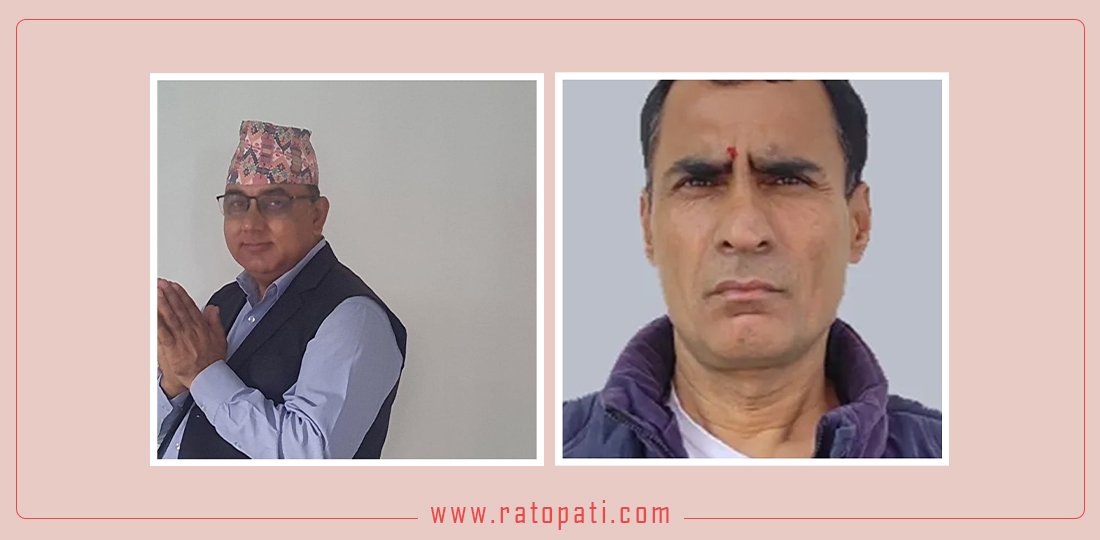
Kathmandu. Ashish Gajurel is a familiar name in newspapers for consistently writing about Nepal's disorganized transportation system and rising road accidents, and for suggesting solutions. Now, the identity of Gajurel, known until yesterday as an expert in road safety, traffic management, and infrastructure development, has changed. Gajurel is now Honorable, as a Member of the House of Representatives.
Gajurel, who contested as a candidate for the Rastriya Swatantra Party (RSP) from Sindhuli Constituency No. 2, has made a grand entry into parliament by dismantling the stronghold that had been dominated by the leftists for decades. Sindhuli-2 was considered a communist stronghold, especially Maoist territory. In three of the four major elections since 2064 BS (2007 AD), the Maoists had reigned supreme here. However, this time, with the RSP wave sweeping the nation, the party achieved a clean sweep in both constituencies of Sindhuli.
Although trailing in the initial stages of vote counting, Gajurel ultimately defeated the influential CPN leader and former parliamentarian Lekhnath Dahal by a margin of 3,160 votes. Amidst a tough contest, Gajurel secured 17,940 votes, while his closest competitor, Dahal, received 14,780 votes. Similarly, UML's Manoj Jung Thapa received 11,606 votes, and Nepali Congress's Sushila Thing received 6,760 votes.
Haribol Gajurel, who won from this constituency in 2074 BS representing the Maoists, is Ashish's uncle. Breaking the long political legacy of his uncle and the leftists, Ashish, carrying the zeal of youth, technical expertise, and an agenda for change, succeeded in winning the hearts of the voters in Sindhuli-2. He has now entered parliament, transitioning from an infrastructure expert to an Honorable member.
From Education in Germany to Nepal's Dry Port
Ashish Gajurel is not a figure who suddenly rose in politics. He is a proven leader in his field. He is an engineer by profession, having studied Masters in Transportation Systems at the Technical University of Munich, Germany. Having previously served as the General Secretary of the Nepal Automobiles' Association (NASA), he is a vocal proponent and writer against transportation anarchy.
His administrative and managerial capabilities were demonstrated during his tenure as the Executive Director of the Nepal Intermodal Transport Development Committee for nearly two terms. He resigned from that post to contest the election. His two terms proved to be a golden era for the committee.
During Gajurel's tenure, the construction of the dry port at Chobhar, Kathmandu, was completed and brought into operation. Furthermore, the construction work for the Dodhara-Chandani Dry Port, which had been stalled for the past 20 years, was initiated through his efforts.
He also achieved miracles in terms of revenue. Before he took charge, the committee's annual income was only 800 million rupees; during his short tenure, he strengthened it to a robust level of 1.8 billion rupees in annual income. Expectations are now high that he will work on policy reforms in the infrastructure development sector.
Entry of an Expert into Parliament
Gajurel, who has so far advised the government on transportation sector reforms through roads and media, has now reached the very forum of policymaking himself. It is positive that a highly knowledgeable person in transportation and supply chain management has reached parliament. Road safety expert Gajurel must now become a voice in parliament as a technical leader for national pride projects.
The people of Sindhuli-2, tired of the politics of speeches and assurances, have endorsed a technical expert who has shown results this time. Having successfully led the dry port project while serving in a government office, the question remains: what blueprint will Gajurel draw for the country's overall transportation and infrastructure policy from the rostrum of parliament?
This specific news has been automatically translated by AI. As a result, there may be some inaccuracies or language errors.