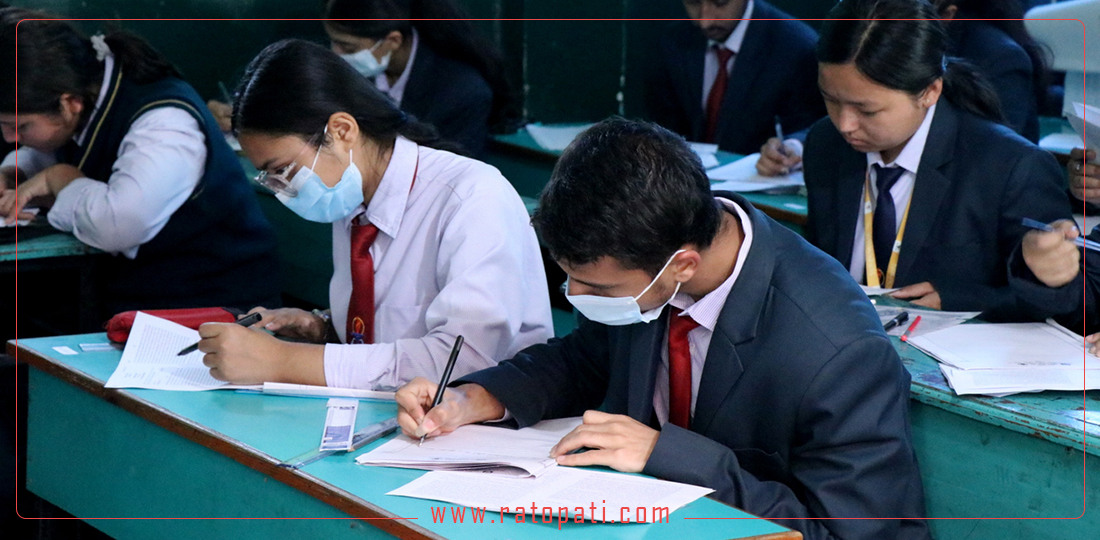
Expert Analysis: Traditional Voting Bloc Collapses as Voters Embrace Independent Decision-Making

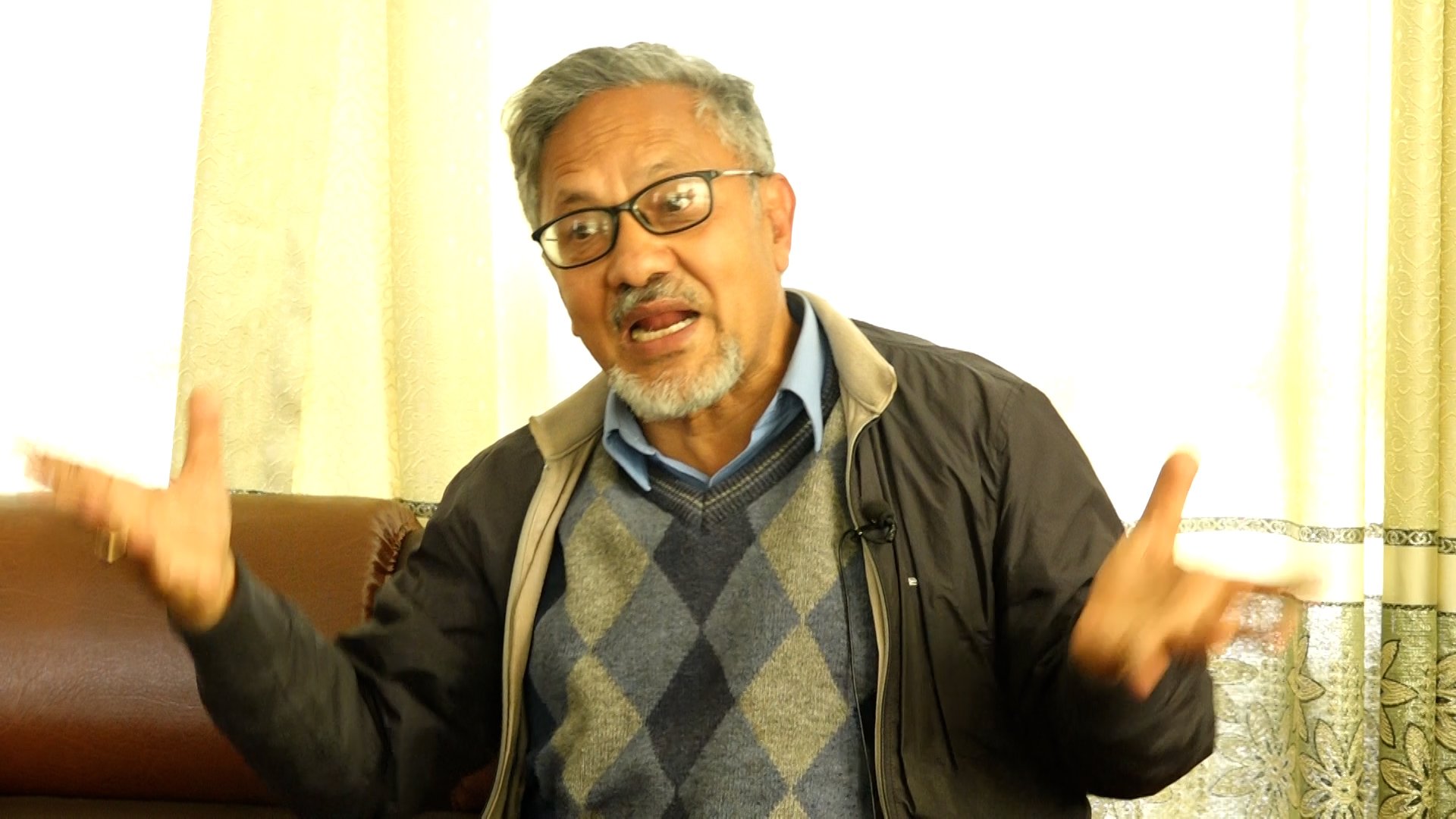
Kathmandu. The votes for candidates from established and major parties have decreased in this round of House of Representatives elections. Infrastructure expert Suryaraj Acharya points out that the main reason for this is the collapse of the old mechanism of casting 'bloc' votes, which has been deeply rooted at the local level for years.
After 2046 BS (1989/90 AD), party politics became so intense in Nepali society that political affiliation permeated social activities, funeral processions, and professions and businesses. According to Acharya, local party leaders and key activists played a significant role in mobilizing votes during elections. Because they had direct access to the central leadership and influence over local development works and government affairs, the general electorate viewed them as representatives of power.
At that time, voters would listen to these leaders and cast the entire family's vote for the same candidate. There was a situation where activists could confidently predict how many votes would be cast in which booth the day before, and vote transfers between parties could be accurately calculated.
However, this traditional 'voting mechanism' began to break down starting with the mayoral elections in Dharan, Kathmandu, and Dhangadhi. The rise of the Rastriya Swatantra Party (RSP) in the previous parliamentary election further dismantled it. Now, the general electorate has completely abandoned the practice of voting based on the advice of local leaders and activists. Acharya attributes the main reason for this to the growing disillusionment with parties and leaders fueled by poor governance and unemployment.
With the reach of social media broadening the scope of information, the authority of the head of the household or local leaders in deciding whom to vote for has diminished. Each member of the family has started using their own discretion to cast their vote.
This trend is now being observed not only among the general electorate but also within the families of the local leaders and activists of the parties themselves. Acharya notes a new trend where parents are casting their votes based on the requests of their children living abroad, rather than the head of the household.
Acharya views the complete collapse of the old mechanism of gathering votes based on the fear and hope of power as a positive sign for democracy. While acknowledging some negative aspects of misleading information seen on social media, he analyzes that the new practice of the general public using their own judgment in elections will significantly change the practice of party politics in Nepal.
He suggests that this will gradually eliminate unnecessary politicization in society, and to completely remove this undesirable ailment, local elections should be held on a non-partisan basis.
This specific news has been automatically translated by AI. As a result, there may be some inaccuracies or language errors.