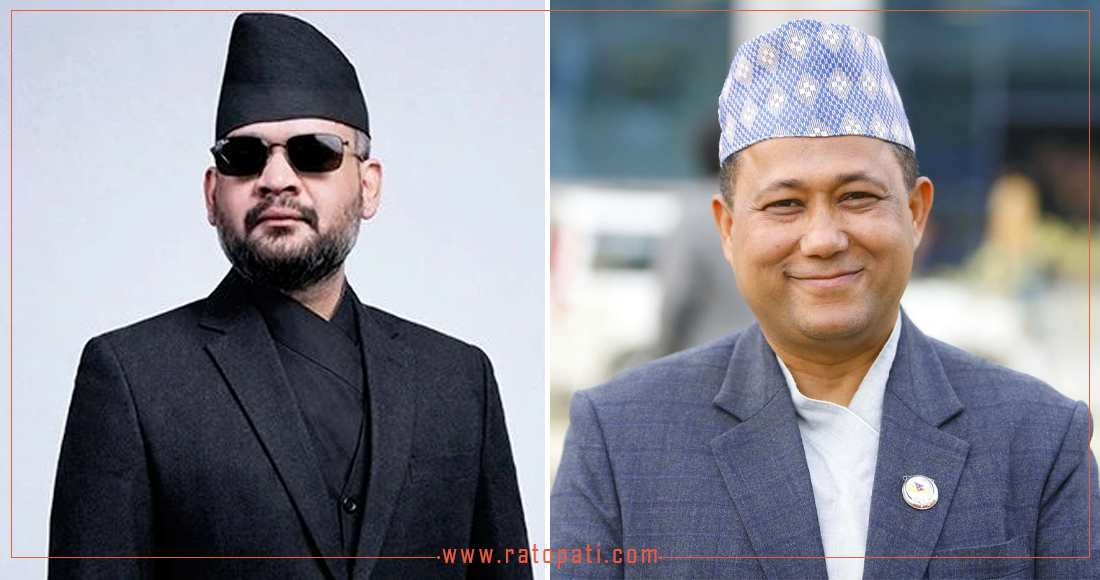
Biplav-Led CPN Spokesperson Prakash's Confident Election Bid Ends in Stinging Defeat in Kalikot

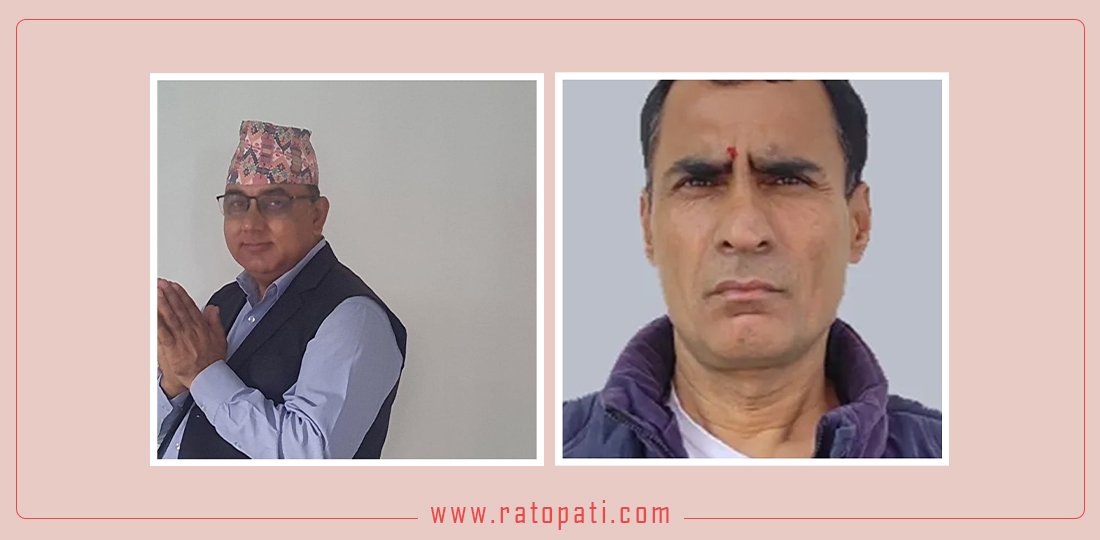
Surkhet. A video featuring Khadga Bahadur Bishwakarma, alias 'Prakanda', spokesperson for the Biplav-led CPN (Communist Party of Nepal), has gone viral on social media, in which he confidently claims, "Even if all parliamentary parties unite and even if Prachanda himself comes to contest the election in Kalikot, I will win the election."
In the video, released before the election, he was asserting his victory in Kalikot with great confidence.
Following this assertion, he returned to the 'ballot' after 18 years. Prakanda, who contested the House of Representatives election on Thursday with the 'Rose Flower' as his election symbol, created a formidable atmosphere throughout the campaign period.
However, when the final results of the counting completed on Friday were announced, he suffered a humiliating defeat. He failed to even secure a top-three position.
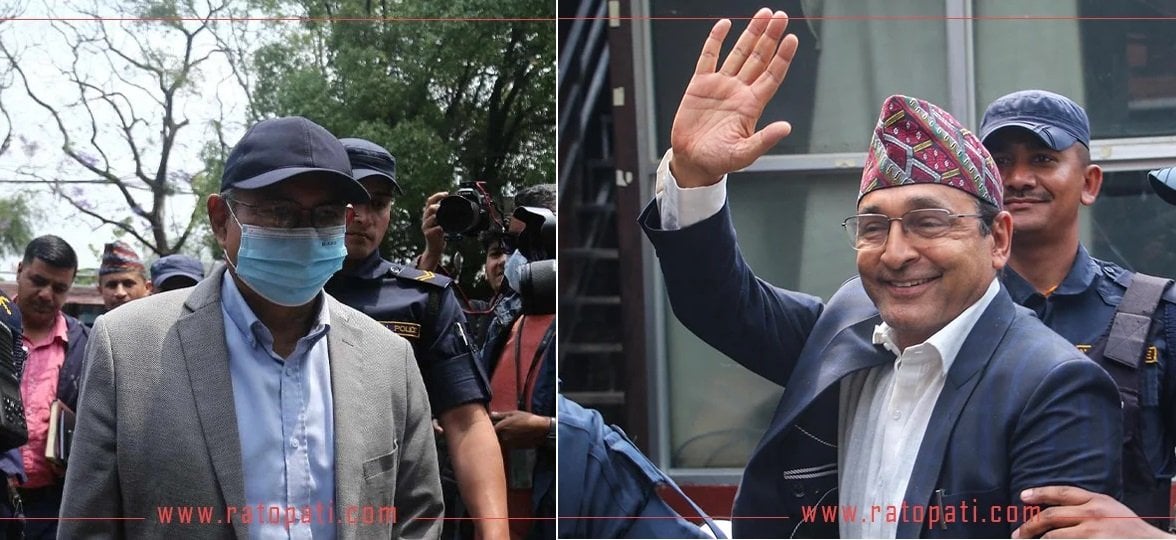
His former colleague, Mahendra Bahadur Shahi of the CPN (Unified Communist Party of Nepal), won the election by securing 11,338 votes.
Aalekh Bahadur Shahi 'National' of the UML garnered 10,352 votes.
Congress candidate Hars Bahadur Bam received 7,133 votes, while Prakanda was relegated to fourth place, securing only 4,599 votes.
Initially, the electoral contest in Kalikot was anticipated to be between Prakanda and Mahendra. Given the significant Dalit community presence and his strong influence in the district, it was estimated that he would draw a large number of votes from the former Maoist faction (now CPN-UML).
It was even speculated that he might win the election. He used to comment in his campaign events as if he did not consider Mahendra a competitor. But in the final election results, Prakanda could not even enter the competition.
000
He contested the first Constituent Assembly election in 2064 BS from the CPN (Maoist Centre). Winning that election by securing over 27,000 votes, he served as a minister in the central government, ranging from Women and Children to Tourism Minister.
Before the completion of his term as a Member of Parliament (in 2069 BS), Prakanda left the party along with Biplav, expressing dissatisfaction with Maoist Chairman 'Prachanda'.
Prakanda and his party, who had returned to the path of rebellion, had boycotted previous elections.
Recently, focusing on agricultural revolution, he and his party returned to the 'ballot' after 18 years. However, elections did not favor Prakanda or Biplav much. Biplav withdrew from the electoral arena at the last moment.
Prakanda faced the contest but suffered a humiliating defeat. Prakanda, who always remained a second-tier leader in the Biplav-led CPN (Maoist), was one of the top leaders in Karnali during the armed conflict initiated by the Maoists.
During the war, Prakanda was one of the key political leaders in the Bheri-Karnali region. After Shakti Basnet was disciplined by the party, he became a Central Committee member and the In-charge of the Bheri-Karnali Bureau during the war. At that time, he was also the head of the Bheri-Karnali People's Government.
Political observers say that if Prakanda, known for his clear oratory skills and revolutionary leadership, had remained in the Maoist party, leaders like Mahendra Bahadur Shahi would currently only be village council chairpersons.
Indeed, Prakanda is significantly senior to Mahendra in party politics. When Prakanda was active in party politics, Mahendra was a combatant commander in the People's Liberation Army. Mahendra was at the forefront of the People's Liberation Army since the establishment of the first guerrilla army in the former Karnali Zone. He was equally active in the party.
Having led from Military In-charge of Kalikot district to Battalion Commander, Brigade Commander, and even Division Commander, he played a decisive role in major battlefronts in Western Nepal.
After the peace process, Mahendra remained in the army. When Prakanda left the main party around 2069 BS, before his term as an MP ended, Mahendra saw a strong rise in Maoist politics in Kalikot.
He wished to enter party politics after not receiving a respectable position during the army integration process. As the main leader of the district left the main party, Prachanda promoted Mahendra to maintain the Maoist legacy in Kalikot.
Mahendra, who won the second Constituent Assembly election in 2070 BS amidst the Maoist split, became the Energy Minister in Sher Bahadur Deuba's government. During that time, he gained prominence by filing the impeachment motion against Lokman Singh Karki, the Chief Commissioner of the Commission for the Investigation of Abuse of Authority.
In 2074 BS, he moved to the Provincial Assembly and became the Chief Minister of Karnali. During the peak of the then CPN dispute, he emerged as a shrewd player in parliamentary politics by saving his position after forcing the largest party's UML lawmakers to 'floor cross'. Within the Maoist faction, after Janardan Sharma and Shakti Basnet, Mahendra emerged as an influential leader in Karnali.
Currently, he is known as a confidant of Prachanda and an influential leader in Karnali within the CPN.
Mahendra succeeded in winning the election for the fourth time due to his continuous experience in parliamentary elections and the activities he carried out in the district while in power. Prakanda, on the other hand, could not even compete against a junior leader.
This specific news has been automatically translated by AI. As a result, there may be some inaccuracies or language errors.