Kulman Ghising's Parliamentary Ambitions Halted in Kathmandu-3 Election Loss
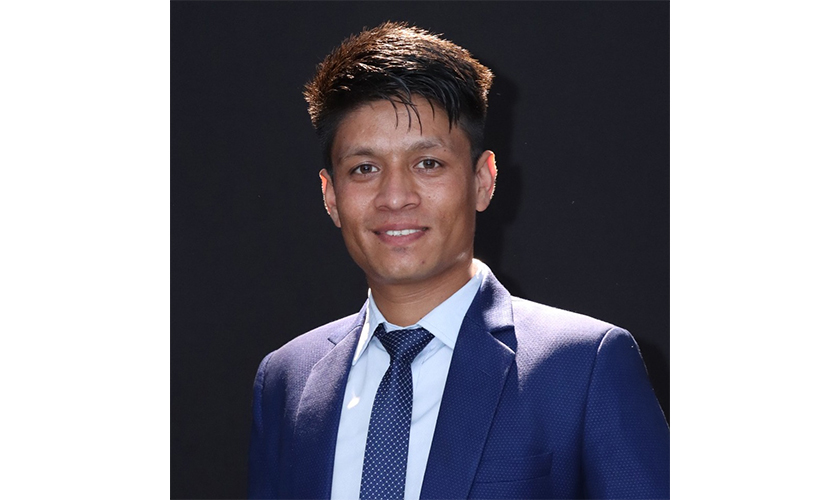

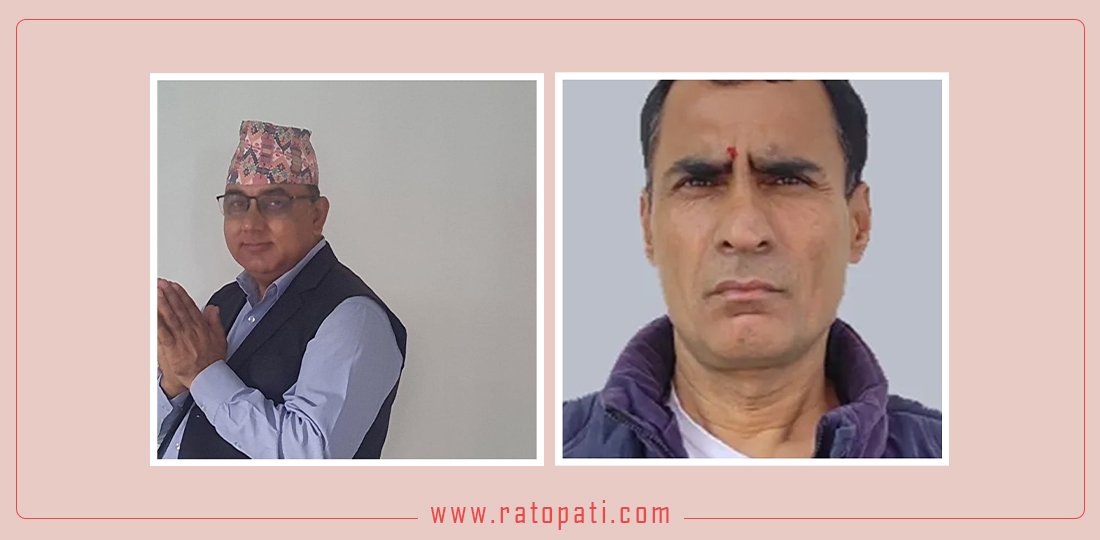
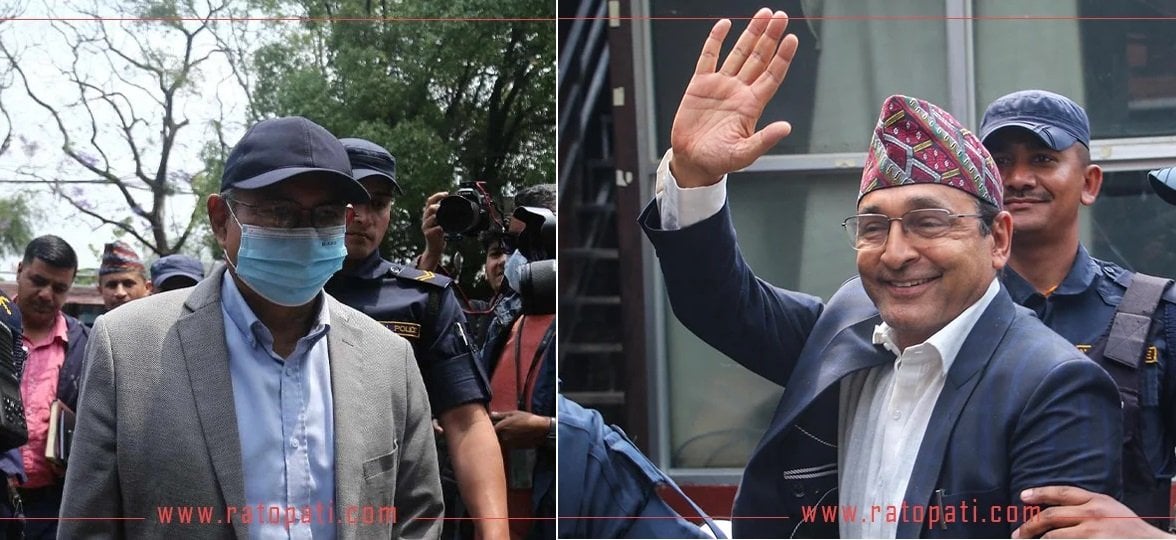
Kathmandu. The parliamentary political journey of Kulman Ghising, chairman of the Ujyalo Nepal Party, has hit a snag right at the first step. He was defeated by Rajunath Pandey of the Rastriya Swatantra Party (RSP) in the House of Representatives election held on Falgun 21 in Kathmandu-3.
Pandey won by securing 18,757 votes, while Ghising came in second, obtaining 11,171 votes. Ghising was defeated by Pandey by a margin of 7,586 votes.
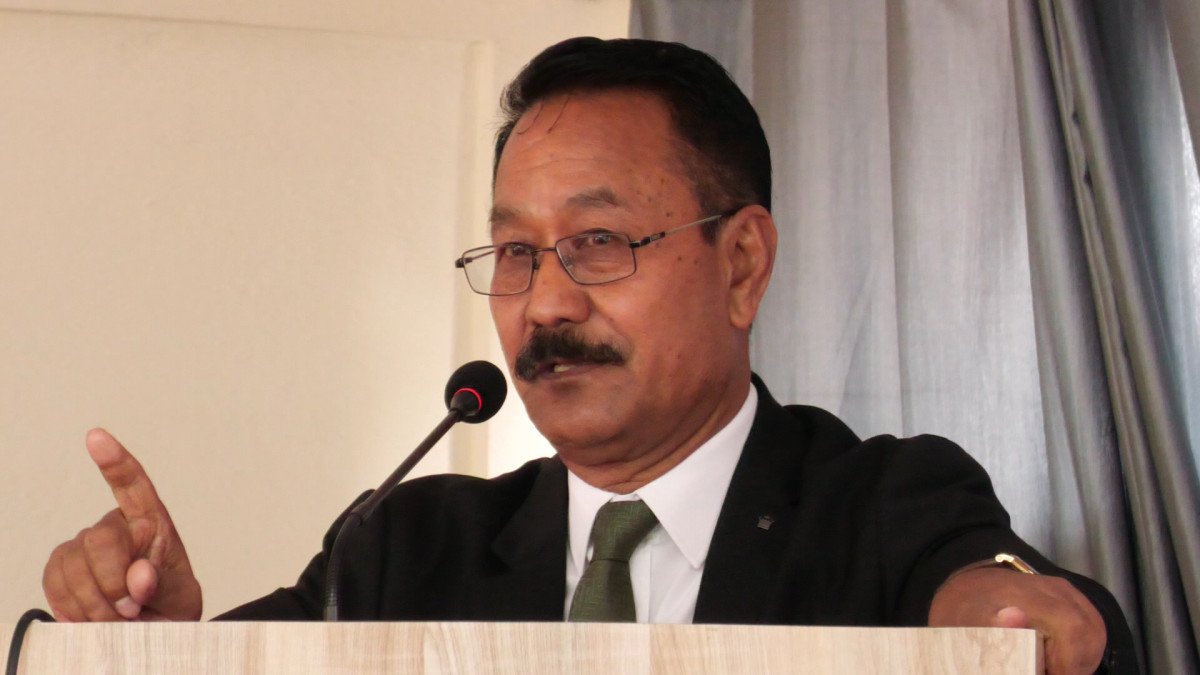
Pandey, who won in Kathmandu-3, is the former Metropolitan Police Chief of Kathmandu Metropolitan City. He sought votes from the people of Kathmandu-3 by promising to become Home Minister if Balen becomes Prime Minister. The people have now sent him as their representative for five years.
Ghising's parliamentary political journey has been halted following his defeat in Kathmandu-3. He had become popular among all Nepalis for ending the 18-hour load shedding in Nepal. The credit for bringing light to the country by ending the darkness of load shedding goes to him when he first served as the Executive Director of the Nepal Electricity Authority (NEA). He is even considered a symbol of light. However, while he was highly praised during his two terms at the NEA, Ghising has now said goodbye to parliamentary politics.
As the country headed for elections, he also seemed to miss the wave to build an alternative force in politics. Amidst disillusionment with old parties and hope for new faces, the emergence of many new forces was certain. For this, an alliance was formed with the RSP, including Ghising, under the banner of a new force, but that alliance dissolved in 12 days. After breaking the alliance with the RSP, he entered the electoral arena on Falgun 21 alone. But he was defeated by the very candidate from the RSP. Calling the short and dramatic alliance attempt with the RSP an accident, he had also announced his intention to revive his party, Ujyalo Nepal Party, and win elections across the country to become Prime Minister.
However, the people of Kathmandu-3 did not believe his announcement to become Prime Minister. They put a brake on his parliamentary journey. It was widely anticipated that Kulman would win any election he contested in any part of Nepal due to his popularity. Based on that popularity, he entered politics, but his parliamentary journey was stopped.
Ghising, who excelled in administrative management, did not have a smooth start in the political arena. While he proved successful in technical management, he did not appear successful in politics. He seemed to have good prospects during his door-to-door campaigning. But Ghising, who broke the alliance with the RSP when an RSP wave was sweeping the country, was defeated. While it seemed he had silent support during his door-to-door campaigning in Kathmandu-3, the votes did not translate in his favor on the ballot.
Kulman's Success to Political Journey
About 9 years ago, the country experienced load shedding of up to 18 hours. At that time, then Energy Minister Janardan Sharma appointed Ghising as the Executive Director in Bhadra 2073 after the then Executive Director Mukesh Raj Kafle resigned. When Ghising became the Executive Director, load shedding was rampant in the country, lasting 16 to 18 hours a day.
But shortly after his appointment, the responsibility to solve the load shedding problem fell on his shoulders. Ghising, appointed in Bhadra 2073, declared the Kathmandu Valley load shedding-free during Tihar that same year.
When he took office, only about 12 to 15 percent of households had electricity access in the country, and by the end of his tenure, electricity reached only 58 percent of households nationwide. During his tenure, the import and export of electricity with India also began at open and competitive rates.
He completed his first term in Bhadra 2077. Then, Hitenra Dev Shakya became the Executive Director. Although his term was for 4 years, the government transferred Shakya to the Water and Energy Commission in Shrawan 2078, reappointing Ghising as Executive Director after 11 months.
Shakya went to court against the government's decision. However, no order was issued; it remained pending. Amid pressure to maintain the reputation of his first term, Ghising faced difficulties in his second term after Deepak Khadka became the Energy Minister in Asar 2081. There were ongoing disputes between the then Energy Minister Khadka and Ghising regarding whether to collect arrears for dedicated and trunk lines.
Subsequently, the government sought clarification from him up to 6 times on various issues, including work performance, approval for domestic and foreign travel, and agreement for electricity exchange in India.
After a long dispute, the Oli government removed him from the post of Executive Director in Chaitra 2081, with only about five months of his term remaining. During his second term, he was removed from office due to disagreements with the government over the issue of collecting arrears for dedicated and trunk lines.
After being removed from the NEA by the government, he approached the court. The court also did not rule in his favor. Following this, he signaled his entry into politics, but he did not immediately jump into politics. He engaged in efforts to reach Nepalis living abroad regarding whether to enter politics or not, and continued that pursuit.
During his foreign travel, the 'Gen Z' movement occurred on Bhadra 23 and 24 last year. The 'Gen Z' movement created a new situation in the country. The movement ousted KP Sharma Oli from power. The 'Gen Z' placed Kulman on the list of people they wanted to bring into the executive position in the country, but former Chief Justice of the Supreme Court, Sushila Karki, took charge as Prime Minister.
President Ramchandra Paudel appointed Karki as Prime Minister on Bhadra 27 with the mandate to hold the House of Representatives election on Falgun 21. Ghising also joined the election government on Bhadra 30. Prime Minister Karki entrusted Ghising with the responsibility of three ministries out of trust. He received the responsibility of Energy, Water Resources and Irrigation, which is his area of expertise, along with Physical Infrastructure and Urban Development.
He also became an important minister in the citizen government based on the choice and desire of the 'Gen Z'. But for those actively entering politics, he became a patron and established the Ujyalo Nepal Party. Ghising did not appear on the field himself but had already entered politics. In that process, he resigned from the ministerial post after serving for about four months to fully commit to politics.
He also faced accusations of abandoning the primary responsibility of conducting the election to contest in it.
This specific news has been automatically translated by AI. As a result, there may be some inaccuracies or language errors.