US and Iran Assess Ammunition Reserves Amid Escalating Tensions


Washington D.C. US President Donald Trump claimed that his country possesses an almost unlimited supply of major weaponry. Meanwhile, Iran's Ministry of Defense stated that it has the capability to confront its adversary for longer than the US anticipates.
The outcome of this conflict will not be determined solely by arms stockpiles and supply, just as Ukraine has long lagged behind Russia in both troop numbers and weaponry, but it is certainly a significant factor.
The intensity of military action has been high from the beginning. Both sides are consuming munitions faster than they can be produced. According to estimates from the Institute for National Security Studies (INSS), the US and Israel have already conducted over 2,000 strikes, each involving multiple weapons/munitions.
INSS reports that Iran has launched 571 missiles and 1,391 drones. Many of these must have been destroyed in the air. The longer the war continues, the harder it will be for both sides to maintain this level of fighting.
- Iran's Situation
According to Western officials, the number of missiles Iran is launching has decreased. After hundreds were launched on the first day of the war, this number has now dropped to dozens.
It was estimated before the war that Iran had a stockpile of over 2,000 short-range ballistic missiles. No military publicly discloses exact figures on its arsenal, as such data is kept secret to keep the enemy guessing.
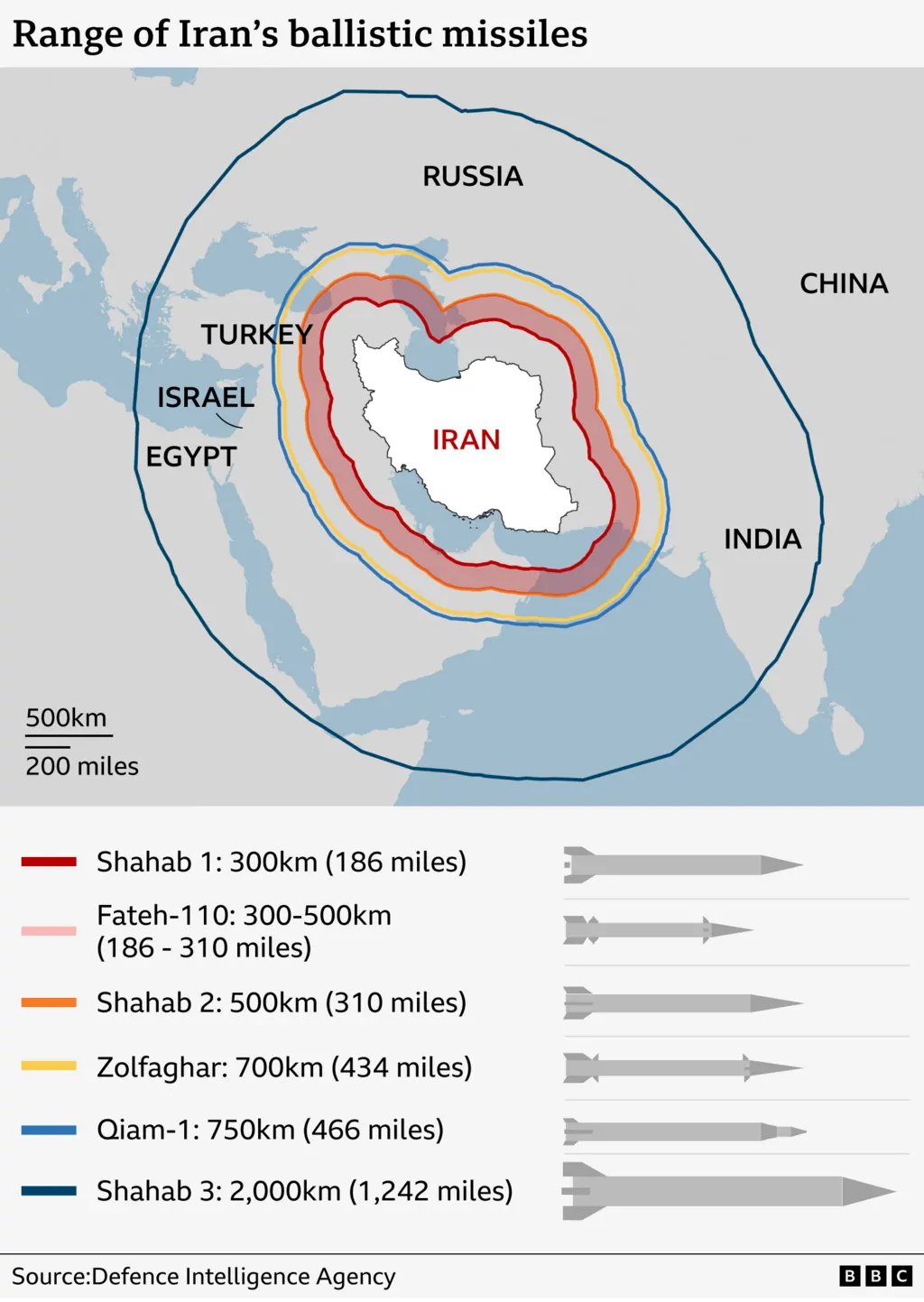
US top commander General Dan Caine stated on Wednesday that Iran's ballistic missile launches have decreased by 86% compared to the first day of fighting on Saturday. US Central Command (CENTCOM) reported a 23% decrease in the last 24 hours alone.
Before the war, it was believed that Iran had produced a large quantity of Shahed suicide (one-way) drones in the thousands. It has also exported this technology to Russia, which is using its own version of the Shahed to devastating effect in Ukraine. The US has also closely replicated its design.
However, according to General Caine, Iran's drone launches have dropped by 73% since the first day of the conflict. Iran appears to be struggling to maintain the high tempo of military operations.
This dramatic decline might also be an Iranian effort to conserve its weapon stocks, but sustaining production will become even more difficult for them.
US and Israeli fighter jets now maintain air superiority over Iran. Most of Iran's air defense systems have been destroyed. It no longer has a reliable air force. According to CENTCOM, the next phase of the war will focus on locating and destroying Iran's missile and drone launchers, as well as the factories that produce them.
It may now be easier for the US and Israel to degrade Iran's fighting capability. However, destroying all its weapon stockpiles will be difficult. Iran is three times the size of France. Weapons can still be hidden from aerial attack.
Recent history also shows the limitations of air-centric warfare. The Israeli military has failed to completely destroy Hamas in Gaza despite more than three years of intensive bombing. Yemen's Houthi rebels have survived years of US bombing campaigns, and some of their weapons remain.
- America's Situation
The United States remains the world's most powerful military nation. Its conventional weapons stockpile is larger than any other country's.
However, the US military is still heavily reliant on large quantities of expensive precision-guided munitions, which are produced in limited numbers. President Trump is reportedly convening a meeting with arms manufacturers later this week to accelerate weapon production. This signals potential strain on US resources as well.
The US may be experiencing some relief due to the comparative freedom it has to strike close to Iran.
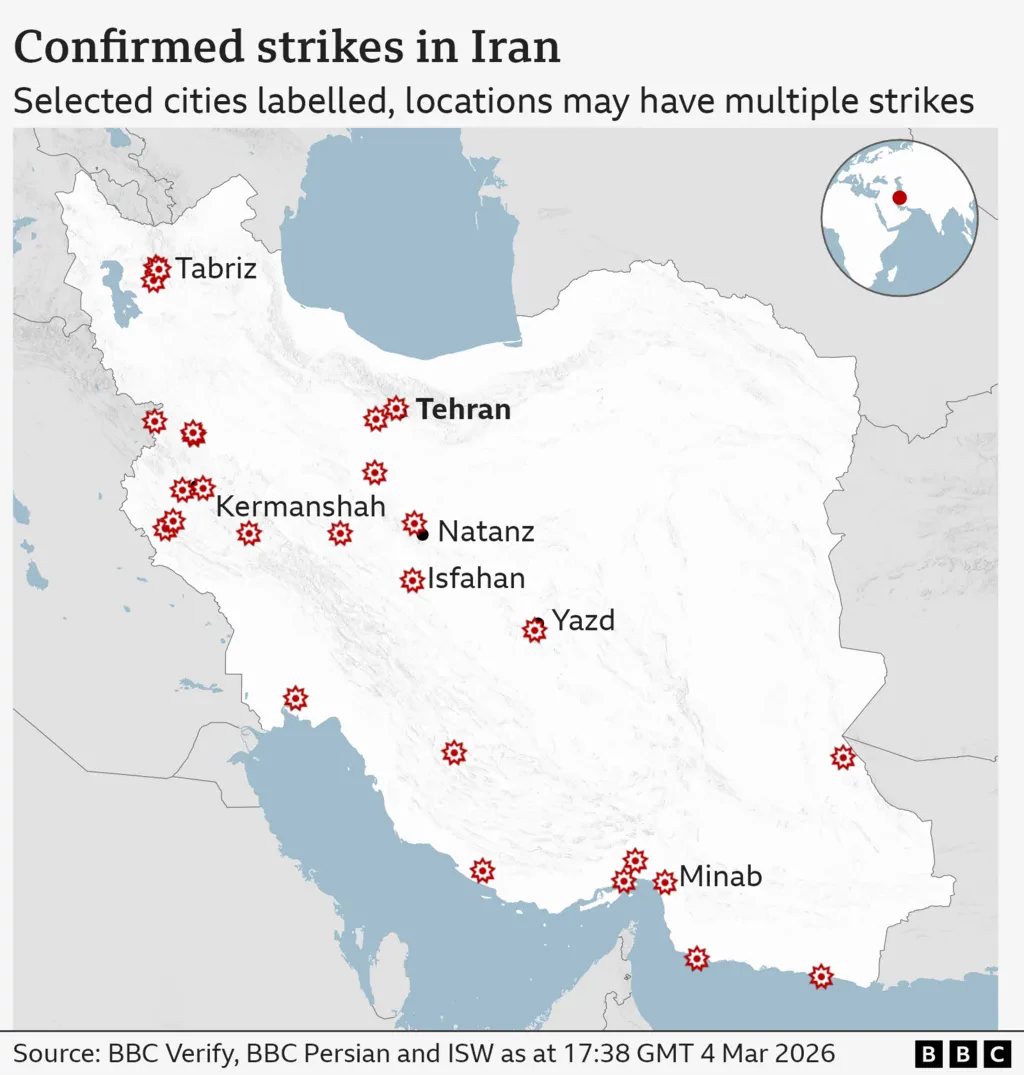
General Caine mentioned that the US has moved away from using stand-off weapons (expensive, advanced long-range weapons like Tomahawk cruise missiles). The US Air Force is now utilizing less expensive stand-in weapons, such as JDAM bombs, which can be dropped directly onto targets.
Mark Cancian, former US Marine Colonel at the Center for Strategic and International Studies (CSIS) in Washington, says that after the initial long-range strikes, the US can now use less expensive missiles and bombs.
He states that the US can sustain this level of fighting almost indefinitely. However, the longer the war lasts, the smaller the list of targets becomes, meaning the pace of military action will gradually slow down.
- The Challenge of Air Defense Systems
Mark Cancian says, 'The US has thousands of JDAM bombs, but the supply of expensive air defense systems is low. In the initial phases of the conflict, those systems were essential to neutralize the threat of Iranian counterattacks.'
Demand for Patriot missiles is high, not just from the US, but also from its Arab allies and Ukraine. Each interceptor missile costs over $4 million, and the US is believed to produce only about 700 annually. If Iran can still launch ballistic missiles, it will deplete this limited US stockpile.
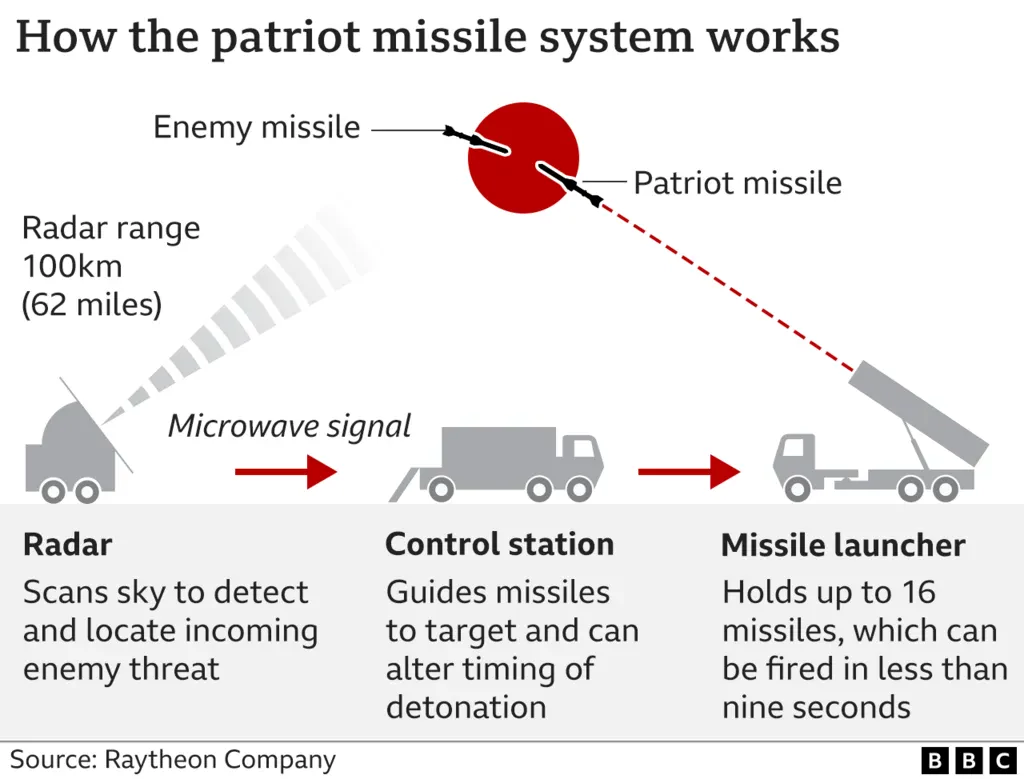
CSIS expert Cancian estimates that the US might have a stockpile of around 1,600 Patriot missiles, which must have significantly decreased in recent days. While the US can sustain air-to-ground warfare for a long time, the battle over air defense systems is somewhat uncertain, according to him.
'If President Trump is willing to reduce the number of Patriot missiles, I think we can last much longer than the Iranians, but it will come at the cost of risking potential conflict in the Pacific region,' Cancian said.
Trump's planned meeting with US defense companies this week signals some concern regarding weapon stockpiles. However, US Secretary of Defense Pete Hegseth insisted, 'Iran cannot last longer than us.' He is likely correct on this point.
This specific news has been automatically translated by AI. As a result, there may be some inaccuracies or language errors.