China Sets Modest Economic Growth Target Amid Domestic Slowdown and Geopolitical Risks

China has announced an economic growth target of 4.5 to 5 percent for 2026, amidst a domestic economic slowdown, international uncertainty, and geopolitical risks. This signals an emphasis on continuity in economic policy rather than drastic changes.
The target was unveiled by Premier Li Qiang on Thursday during the opening session of the National People's Congress annual meeting, as part of the government report he presented, which took over an hour to read and spanned 35 pages. The new target is slightly lower than the actual 5 percent growth achieved last year and the target of around 5 percent set in the previous three years. This is considered the lowest growth target since 1991.
The report acknowledged the achievements while stating that the government is clear about the difficulties and challenges China is facing. Chinese policymakers are currently attempting to balance strategies to revitalize the sluggish economy by boosting domestic spending with the strategy to maintain global leadership in advanced technologies like artificial intelligence (AI) and robotics, championed by President Xi Jinping.
The annual report indicated that policies supporting domestic demand will continue, but also suggested that no major new stimulus programs are likely to be introduced to rapidly boost the economy in the short term.
In the draft budget presented by the government for 2026, the annual growth rate for defense spending has been capped at 7 percent, compared to approximately 7.2 percent in recent years. The National People's Congress, comprising nearly three thousand members who support the policies set by the Communist Party, is expected to approve the annual report and budget at the closing session next week. Decisions will also be made on the five-year plan setting priorities until 2030.
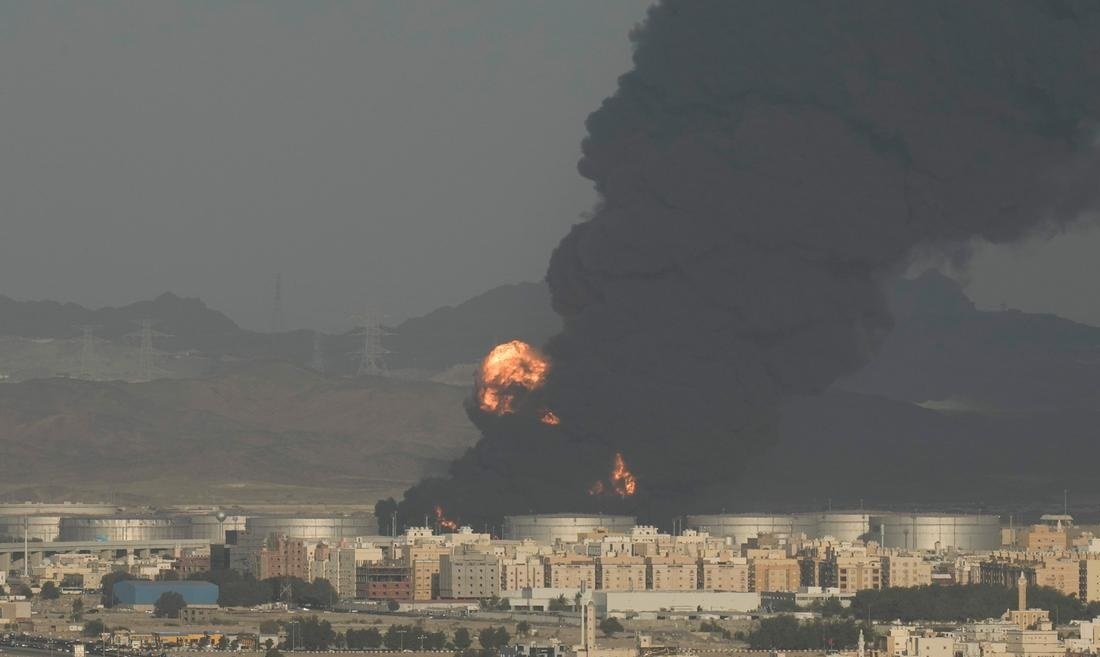
The report mentioned that China is currently affected by trade tensions and the impact of actual wars. Like many Asian countries, China relies on oil and natural gas from the Middle East, and the conflict there increases the possibility of rising energy prices and supply risks.
The report noted that free trade is under serious pressure due to rising geopolitical tensions, and also pointed out imbalances such as weak demand despite strong domestic production supply, and the difficulty of transitioning to new drivers of development. The government concluded that such a complex situation, where external shocks and domestic problems appear simultaneously, is rare in many years.
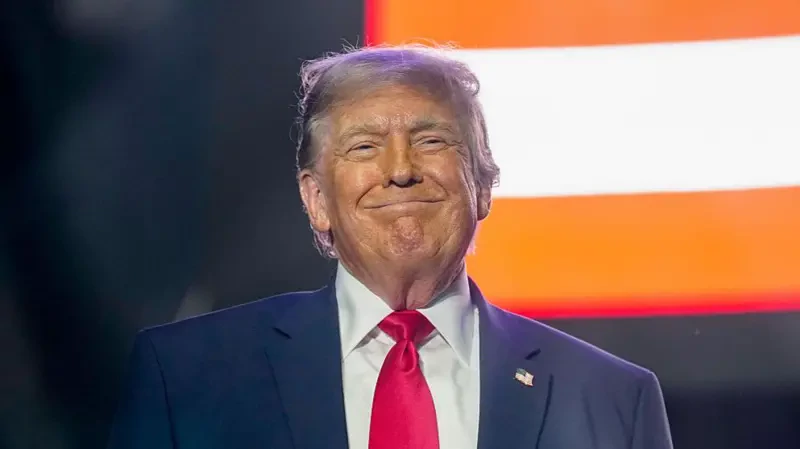
Despite a sluggish domestic economy, China has maintained growth through exports. Last year, China's trade surplus reached a record high of nearly $1.2 trillion. However, exports to the United States have decreased following rapid tariff increases by US President Donald Trump. Although exports to other countries have increased, some governments have expressed opposition due to concerns that this will affect their domestic industries and employment.
Prime Minister Li also pledged to improve the living standards of citizens and boost consumer spending. The government estimates that many Chinese citizens have reduced spending due to falling housing prices caused by the real estate market slump, which has affected millions of jobs.
The government has proposed a plan to issue bonds worth 250 billion yuan (about $36 billion) to offer discounts to consumers who trade in old goods for new cars, appliances, and other items. Furthermore, different policies will be adopted by cities to control the supply of new housing and reduce the number of unsold homes.
According to He Meiru, a real estate agent in Southern China, the market slowdown has caused a significant drop in income. Her monthly income is currently limited to about 10,000 yuan, which is only one-third of her income five years ago.
She stated that one should consider themselves lucky to have just one transaction in two months. According to her, it is difficult for many people to find employment now, and reduced income has weakened their ability to spend.
Analysts suggest that measures are needed to boost social security spending and improve job stability alongside the revival of the real estate market. According to Ekaterina Bigos of AXA Investment Managers, while reviving domestic demand is crucial for long-term sustainable economic growth, it will take time for China to shift towards a high-consumption economy.
Meanwhile, China has also initiated extensive restructuring in the military sector. Defense spending has reached 1.9 trillion yuan (about $270 billion). The recent campaign to remove high-ranking military officials on corruption charges is viewed by analysts as an effort to modernize the military and consolidate the Communist Party's control over the People's Liberation Army.
Nineteen representatives were removed from the National People's Congress before this year's meeting, nine of whom were military officials. The report reiterated the commitment to maintaining the Party's absolute leadership over the People's Liberation Army and stated that policies ensuring political loyalty within the military will be implemented more strictly.
This specific news has been automatically translated by AI. As a result, there may be some inaccuracies or language errors.