China Sets Lowest Economic Growth Target Since 1991 Amid Domestic and External Challenges

Beijing. The world's second-largest economy, China, has announced its lowest economic growth target since 1991. Facing internal and external challenges, Beijing aims for economic expansion between only 4.5 to 5 percent for the coming year.
This new ceiling lowers the target set at around 5 percent for 2023. Although no target was set for 2020 due to the coronavirus pandemic, China's economic momentum has clearly been slowing in recent years.
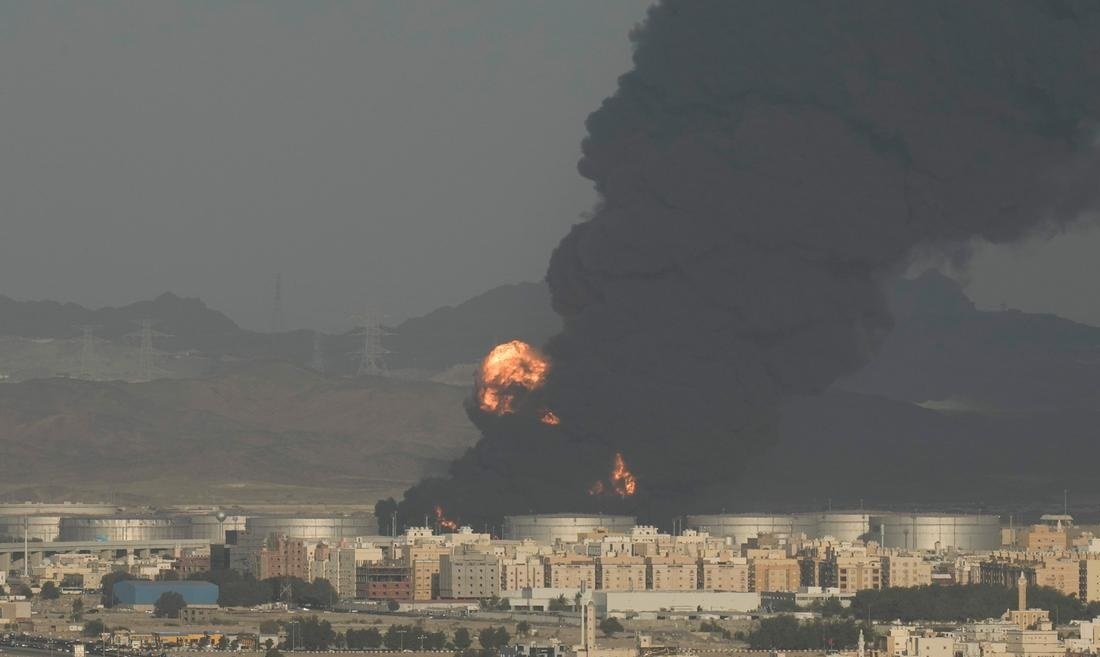
This target was announced alongside some key details of the 15th Five-Year Plan during China's largest annual political gathering, the Two Sessions, which began on Wednesday. This session has attempted to address issues such as weak consumption, the deepening crisis in the real estate sector, rising tensions in foreign trade, and energy shortages caused by the ongoing conflict in the Middle East involving Iran.
Premier Li Qiang informed the delegates that the upcoming Five-Year Plan will focus special investment on innovation, high-tech industries, scientific research, and boosting domestic consumption. Beijing understands that weak domestic consumption has forced China to rely solely on exports for growth, putting the economy at risk.
According to official statistics, although China achieved a 5 percent economic growth rate in 2025, this rate slowed to 4.5 percent in the last three months of the year. Weak spending habits and fluctuations in the real estate sector have curtailed economic expansion.
More than two-thirds of China's provinces have also begun using the language of 'around' when stating their growth ambitions, lowering their targets. Ning Leng, a researcher at Georgetown University, claimed that China's achievement of last year's target is questionable, asserting that other data indicates the Chinese economy is significantly weaker.
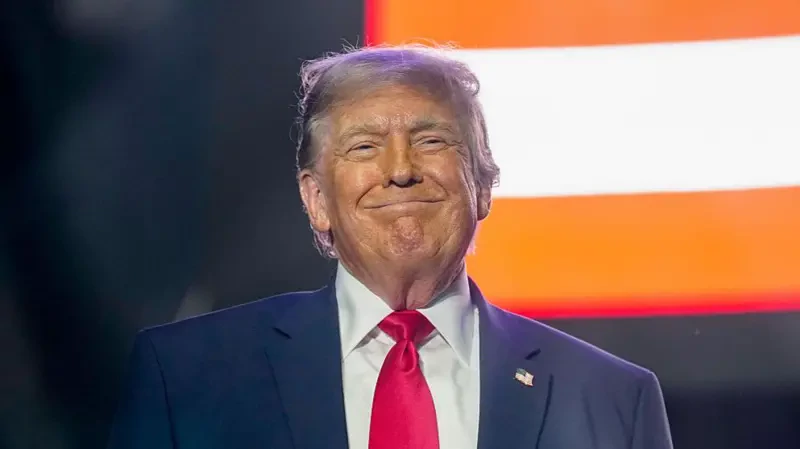
The United States is exploiting China's excessive reliance on exports as a strategic advantage. New tariffs imposed by US President Donald Trump have created further pressure on the Chinese economy. In response, China is spending significant resources to find alternative markets for its products.
On the other hand, due to the war between Iran and Israel-US, China has lost two major sources of cheap oil, and China's access to oil from Venezuela has also been cut off after the US took control of Venezuelan President Nicolás Maduro.
Nevertheless, Beijing maintains that it is less dependent on fossil fuels and claims that the transition towards renewable energy will help avert an energy crisis.
This specific news has been automatically translated by AI. As a result, there may be some inaccuracies or language errors.