Supreme Court Refuses to Remove Head of Commission Probing 'GenZ' Protests


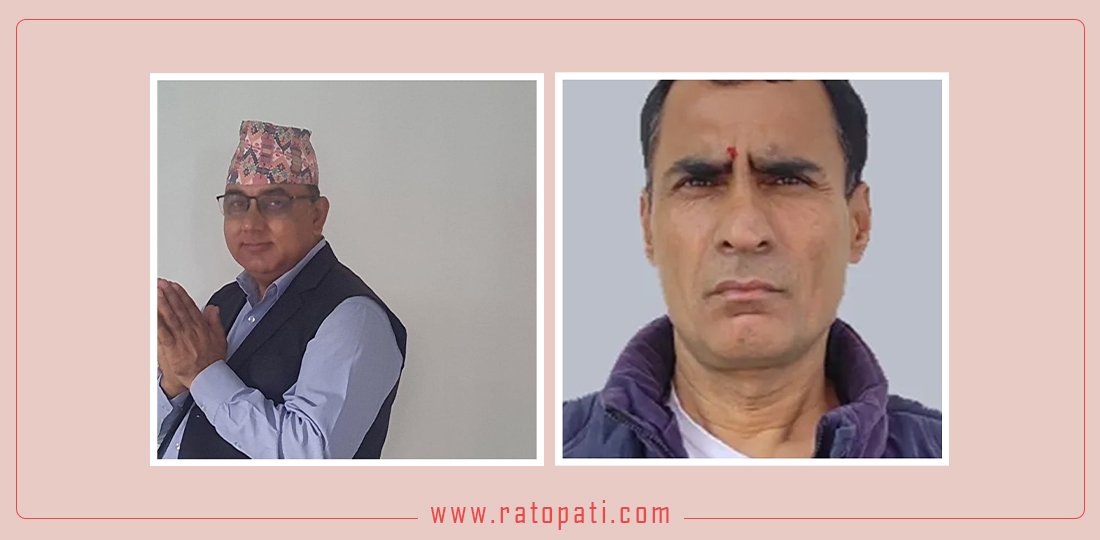
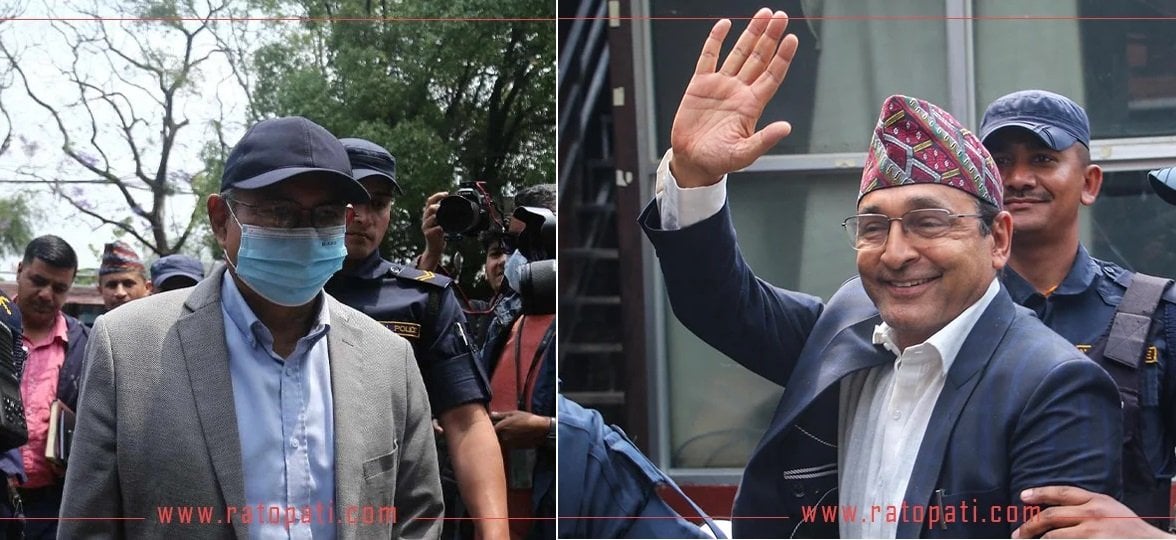
Kathmandu. The Supreme Court has refused to remove Gauri Bahadur Karki, the chairman of the investigation commission formed to probe incidents during the 'GenZ' protests held on Bhadra 23 and 24, 2082 BS. Although the court dismissed the writ petition, it determined that the issue of whether Karki should remain in office, given his pre-appointment statements that raised questions about his impartiality, is a matter of his 'personal ethics'.
Advocate Bipin Dhakal had filed the writ petition questioning the eligibility of the investigation commission's officials. The full text of the verdict, issued by a full bench of Supreme Court Justices Dr. Manojkumar Sharma, Dr. Nakul Subedi, and Shrikanta Paudel on Poush 11, 2082 BS, recently prepared, contains these remarks.
The Supreme Court acknowledged in its ruling that Karki's statements could not be denied as having raised doubts about his impartiality in the eyes of a reasonable person. However, the court clarified that since the investigation commission is not a judicial or quasi-judicial body but merely an entity to collect facts and submit a report to the government, removing an appointee of the executive branch solely based on 'suspicion of prejudice' would violate the principles of separation of powers and judicial restraint. The court refused to dismiss Karki because it found no situation where he lacked the qualifications stipulated by law.
The full text of the Supreme Court stated that the decision of whether or not to accept the responsibility of investigating and reporting on matters publicly expressed by oneself appears to be a matter of the individual's personal ethics, and it is appropriate for the concerned individual to make a decision according to their moral conscience on such matters.
The verdict stated, "Although the writ petition is dismissed, a directive order is issued in the name of the Office of the Prime Minister and Council of Ministers, Government of Nepal, to ensure that in the future, when appointing officials for important matters such as investigating issues of public importance, appointments are made in a manner that does not raise questions about the impartiality and neutrality of the officials and maintains public trust and institutional credibility in the commission's work."
Although the court dismissed the presented writ petition, it issued a directive order in the name of the government to take caution when forming such commissions in the future. The verdict stated, "Henceforth, when appointing officials for important matters such as investigating issues of public importance, appointments must be made in a way that does not raise questions about impartiality and neutrality and maintains public trust."
The government formed a three-member commission under the chairmanship of Gauri Bahadur Karki, including Gyanraj Sharma, on Ashoj 5 to investigate the human and material damages caused during the demonstrations held by the GenZ generation in Kathmandu and other places on Bhadra 23 and 24, 2082 BS. However, prior to his appointment as the commission's chairman, Karki had made statements on social media and in the media suggesting that KP Sharma Oli, Sher Bahadur Deuba, and Pushpa Kamal Dahal 'Prachanda', among others, should be barred from traveling abroad, detained for investigation, and holding KP Oli fully responsible for the killings. The petitioner demanded his removal, arguing that an impartial investigation could not be conducted by a person holding such preconceived notions.
This specific news has been automatically translated by AI. As a result, there may be some inaccuracies or language errors.