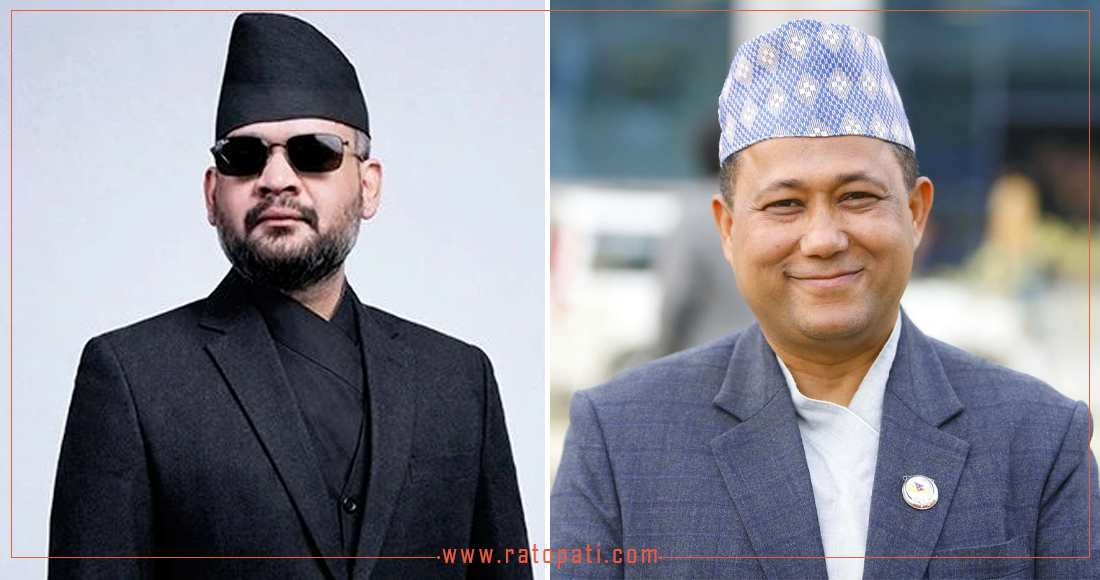
JSP Candidate Paramshwar Sah Sudi Discusses Electoral Agenda and Madhes Politics Ahead of By-Election


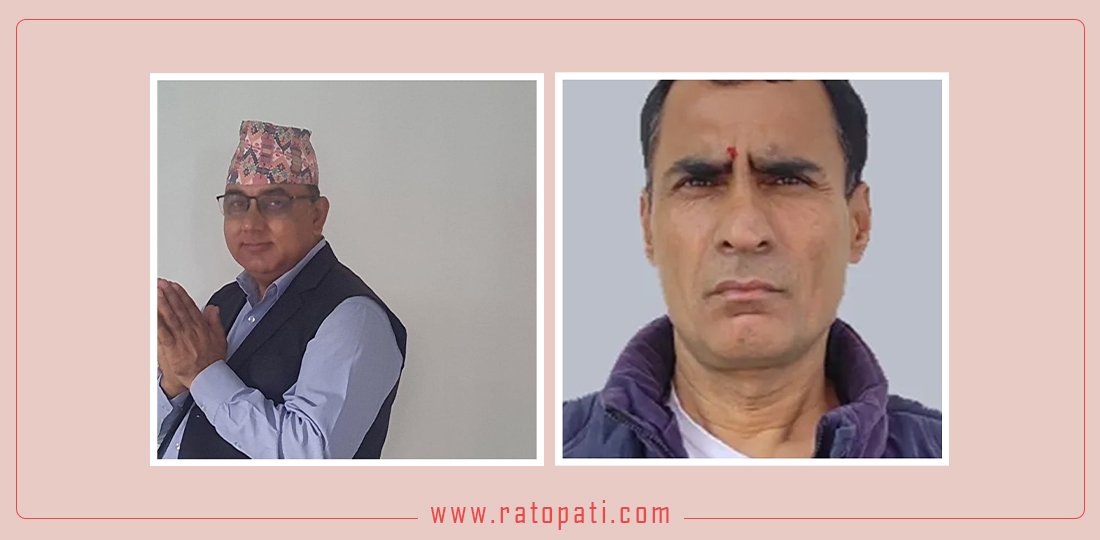
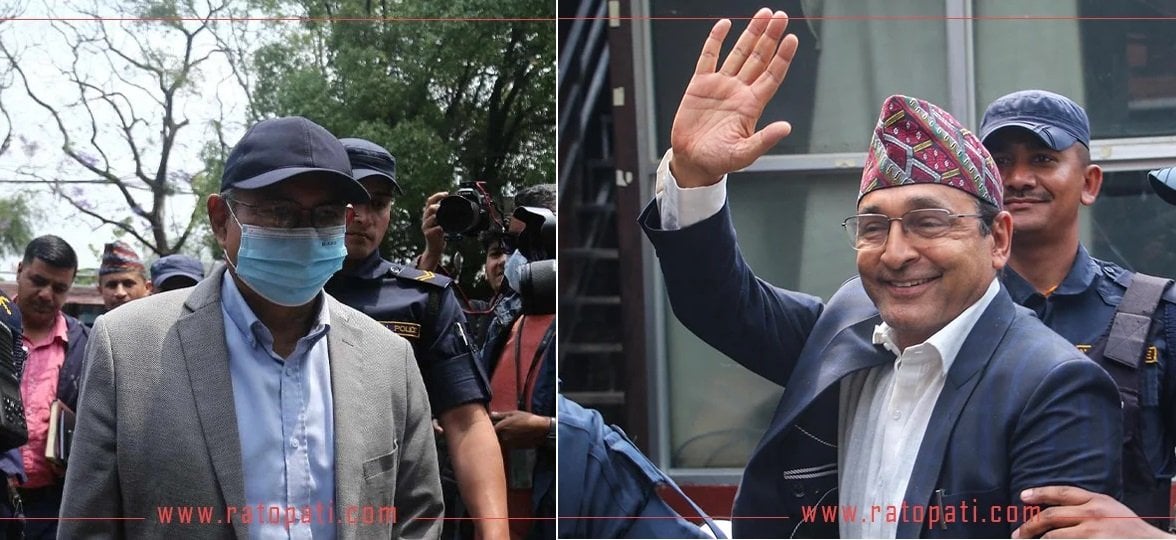
Paramshwar Sah Sudi, the Janata Samajbadi Party (JSP) Nepal candidate, is in the electoral arena for the House of Representatives election scheduled for Falgun 21 in Dhanusha Constituency No. 3. Sah has been actively involved in the Madhes movement and Madhesi politics for a long time.
He has made the rights, identity, and empowerment of the Madhes his main electoral agenda. In this context, here is the edited excerpt of the conversation with Sah regarding his electoral agenda, the current status of JSP, and competition with rivals:
What are your main electoral issues?
This is an election for a member of the House of Representatives. The first issue is what my jurisdiction and role as a member of the House of Representatives will be. The second issue is to amend the parts of this constitution where we have disagreements, making it a constitution for everyone.
People say that JSP ran the provincial government for one term. Party Chairman Upendra Yadav and Mahantha Thakur have become ministers and members of parliament multiple times. You yourself were a member of the Provincial Assembly and are now contesting for the House of Representatives. Is it true that you have been deceiving the public by saying the same thing for 20 years?
We must accept what the public assumes and questions. However, Mahantha Thakur became a minister even before forming the Madhesi party. He became a minister while he was in the Congress party. As for Upendra Yadav, he is the one who established the identity of Madhes to the world. His contribution is why the world recognizes Madhes and Nepal today.
We have never forgotten the issues of the people. We are advancing those issues. Some things might have gone slightly awry during the process of working, but we have not lied to the people. This accusation leveled by the opposition to defame us is just that—an accusation. The work we have done is clear to the public.
Looking at the condition of the ponds and Janaki Temple in Janakpur, why did the provincial government fail to conserve these heritage sites?
Our main project is the beautification of the ponds. But the irony is that it is unclear whether these ponds and Janaki Temple fall under our jurisdiction or not. Does it fall under the local level or the provincial government? Janaki Temple is still under the Guthi (endowment) system. The federal government has either kept everything to itself or handed things over to the local level to defame the province.
Therefore, we want the disagreements in the constitution to be amended to make the province empowered. The provincial government must be given full authority to develop and conserve the province's people and its heritage sites.
Many leaders of Madhesi parties come with the same election symbol. Sometimes one symbol, sometimes another. The public is fed up with this. What do you say about this?
This grievance of the public is valid. The public has always advised us to unite. We have also tried to bring the Madhesi parties together. However, we have never backed down from our demands and issues.
Can you commit that in the next election, you will come before the public with a single election symbol and party?
Absolutely! We want to make a commitment. Currently, we have come before you with the umbrella election symbol. The term of this umbrella symbol will be five years, and we will appear before you with this same umbrella symbol in the next election as well. You need not have any doubt about this.
Leaders of the Rastriya Swatantra Party (RSP), such as Balen Shah, who won the mayoralty of Kathmandu from the Madhesi community, are presenting themselves as a new alternative. What is your view on the assertion that the relevance of Madhes-centric parties is over?
Balenji was born in Kathmandu, but where is his citizenship? He did not win the election in Kathmandu by calling himself Madhesi. He has accepted Madhes, which is a matter of pride for us. We also want all Madhesis here to be able to call themselves Madhesi. But this does not mean that the relevance of Madhesi parties is over.
Madhesi parties have fought for the rights of the Madhes and the Madhesi people. If anyone plays games with our principles and issues, we are always fighting against it and will continue to fight.
What do you say about the new parties that have emerged?
Any party without principles cannot last long. What are their principles? Bringing good governance, ending corruption—these are just slogans, not principles. Federalism, socialism, good governance—these are long-term concepts. How can a party without principles contest an election?
Speaking of Balenji, he gave speeches saying he would strengthen Madhes. He said one does not need to run to Kathmandu to empower the province. What is your reaction to this?
There is a big difference between giving a speech and doing the work. People can say anything in a speech. But there must be principles and policies to implement it.
It is heard that JSP Nepal has become very weak in this election?
We will only know this after the election. We are going to the people. Whether the people make us weak or strong will be seen after Falgun 21. We will move forward strongly.
Will JSP Nepal remain even after the election?
Not only will it remain, but it exists now, it will exist tomorrow, and it will exist in the coming days too. This party will remain as long as the rights, identity, self-respect, and equal rights of the Madhesi people are not established. We will think about what to do after our demands and issues are fulfilled later.
This specific news has been automatically translated by AI. As a result, there may be some inaccuracies or language errors.