Film Development Board to Establish 'Cinema Museum' to Preserve Nepali Film History
Kathmandu. With the objective of preserving the history of Nepali cinema, the Film Development Board is set to construct a 'Cinema Museum'. Secretary of the Ministry of Communications and Information Technology, Laxmikumari Basnet, announced the construction of the museum during a program held at the Board on Tuesday.
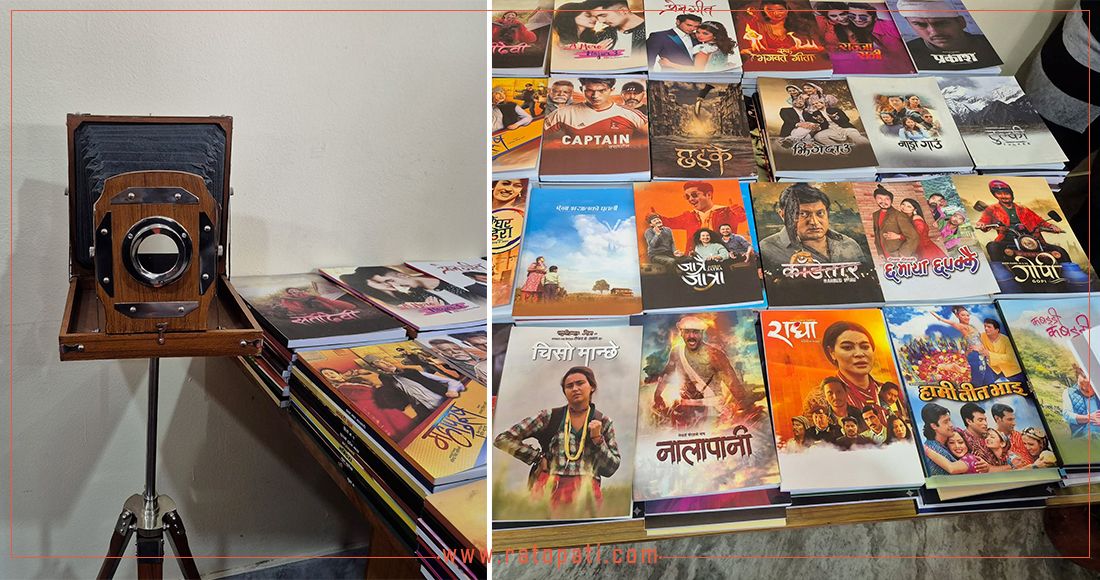
The museum is being established under the slogan 'Preservation of History, Inspiration for the Future'. The museum will house materials such as old film photos, posters, old cameras used in filming, tape recorders, lights, and screenplays (scripts).
At the program, Communications Secretary Basnet stated that the 'Cinema Museum' initiated by the Film Development Board will secure the glorious history of Nepali cinema and serve as a source of study for the new generation.
'The museum will be important for understanding the various ups and downs and the development of technology experienced by the film sector,' she said, 'The conservation of materials like old film photos, posters, old cameras used in filming, tape recorders, lights, and scripts is a positive step.'
She added that since we are in the digital age, what materials and technologies were used in the past will be an important lesson for our descendants and researchers.
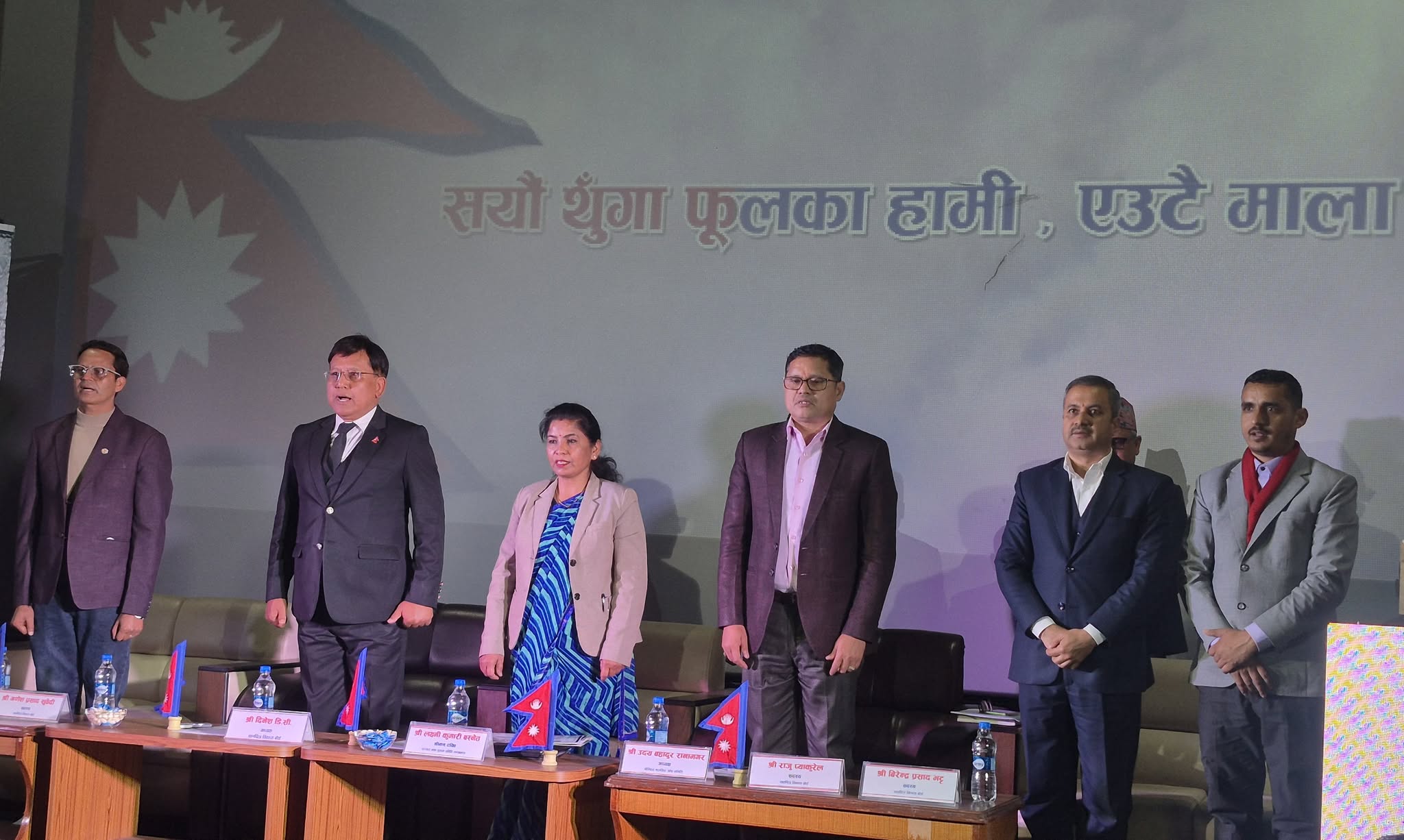
'These materials will strengthen the foundation of the Nepali cinema industry and keep the history alive,' she added, 'The unity and continuous dedication of filmmakers are necessary to make the Nepali film industry stronger.' She also mentioned that the ministry is always open for the overall development of the film sector.
Chairman of the Film Development Board, Dinesh DC, stated that the Cinema Museum will be developed not just as a place to keep old materials but as a well-equipped 'Study Center' to keep the history of Nepali cinema alive. He said that preserving history for future generations is the main responsibility of the Board.
Pointing out the risk that materials cherished by his generation might disappear over time or be discarded as waste, Chairman DC said, 'When students 200 years from now search for the stories of success and failure of Nepali cinema, this museum will serve as a strong resource.' He informed that the Board has so far collected about 1,000 scripts and 1,500 posters.
DC further informed that the Board has prioritized the digitization of old and classic films for the preservation of Nepali film history, and the process of digitizing 10 historical films from 'Aama' to 'Sindoor', along with 'Balidan' and the first Newari language film 'Shilu', has already begun.
'The names of the filmmakers and organizations that hand over historical cameras, scripts, posters, and other equipment for the museum will be respectfully inscribed in the museum,' he said.
Board member Ganesh Subedi urged everyone to make their old film materials available to the Film Museum.
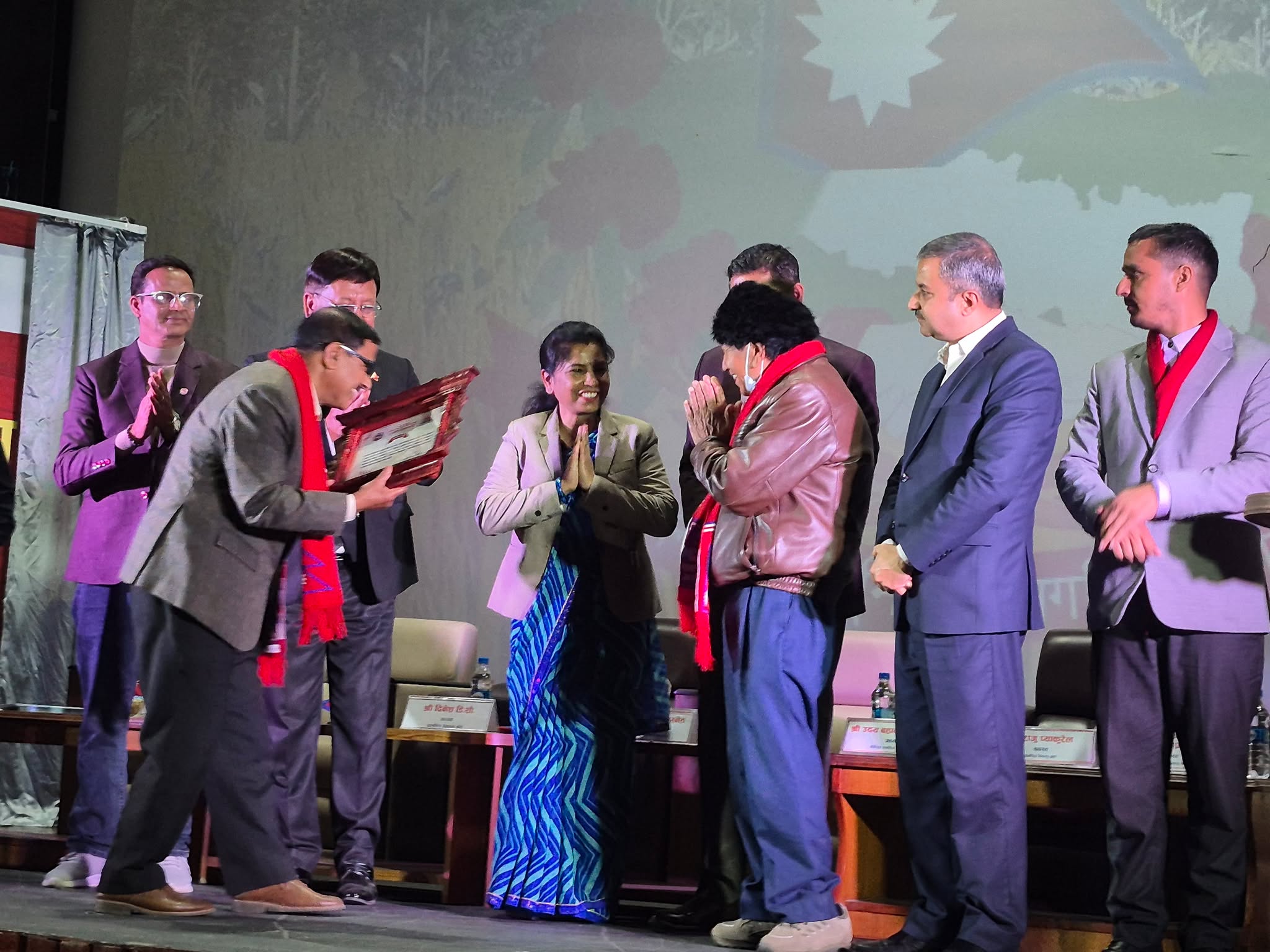
'If you have such materials and technologies, please hand them over to the Film Development Board. The Board will not only conserve them but also keep your contribution alive and inscribe your name,' Subedi added, 'It will make us proud and enrich the museum if these materials remain in the Board's museum rather than being disorganized in your homes.'
The program was attended by the Chairman of the Film Censor Board, Uday Bahadur Ranamagar, members, film artists, producers, directors, and journalists.
- Collection of Historical Materials
At the program, filmmakers handed over historical cameras, editing equipment, rare posters, and screenplays that they had preserved for years to the Board. Among them, Rajat Budhathoki handed over a Red camera, Dinesh Mahara a Sony EX-3 camera, and Man Bahadur Thapa handed over a 1980 Panasonic F-10 camera, monitor, and audio mixer.
Similarly, Mandil Shrestha and Gaurishankar Dhuju provided an old historical camera and tripod, while Uttam Thapa of Music Nepal handed over 152 posters, Sundarlal Shrestha of Ideal Designers 146 posters, and Darshanbir Shakya 80 Newari language film posters. Khumraj Paudel sent 704 rare posters from Korea.
Furthermore, Pawan Acharya gave 344 audio cassettes and CDs, and cinematographer Purushottam Pradhan gave 34 important Nepali film scripts to the Board. On the same occasion, Narendra Bahadur Shrestha handed over collectible documents from the first film awards.
Producer Shyam Sapkota for the film 'Balidan', considered a milestone in Nepali film history, and artist Jay Shrestha on behalf of the first Newari language film 'Shilu', symbolically handed over reels for digitization. The Board honored all individuals and organizations that handed over various materials during the program.
This specific news has been automatically translated by AI. As a result, there may be some inaccuracies or language errors.



_KdnqadiJiL.jpg)
_j0lMScZKv4.jpg)