Voter Disillusionment in Dang-2: 'Working Class' Citizens Express Apathy Ahead of Elections

Dang. Dang is a district where no major political party has historically faced harsh criticism. This district has seen representation in parliament from the Nepali Congress, CPN-UML, the former CPN (Maoist Centre), and the CPN (Unified Socialist).
Dang, which has three constituencies for the House of Representatives, is the home district of UML General Secretary Shankar Pokharel. He is a candidate from Constituency No. 2.
Dang is also the home district of the late Khum Bahadur Khadka, who was once one of the influential leaders of the Nepali Congress.
Influential leaders such as Krishna Bahadur Mahara and Rekha Sharma were elected from Dang representing the former CPN (Maoist Centre). Despite being associated with such influential leaders, the 'working class' voters in Dang do not appear satisfied.
Voters, in particular, wish to use the upcoming House of Representatives election as a medium to express their disillusionment. Ratopati questioned ordinary voters engaged in small-scale trade along the roadsides of Ghorahi: ‘The election is coming, how excited are you?’
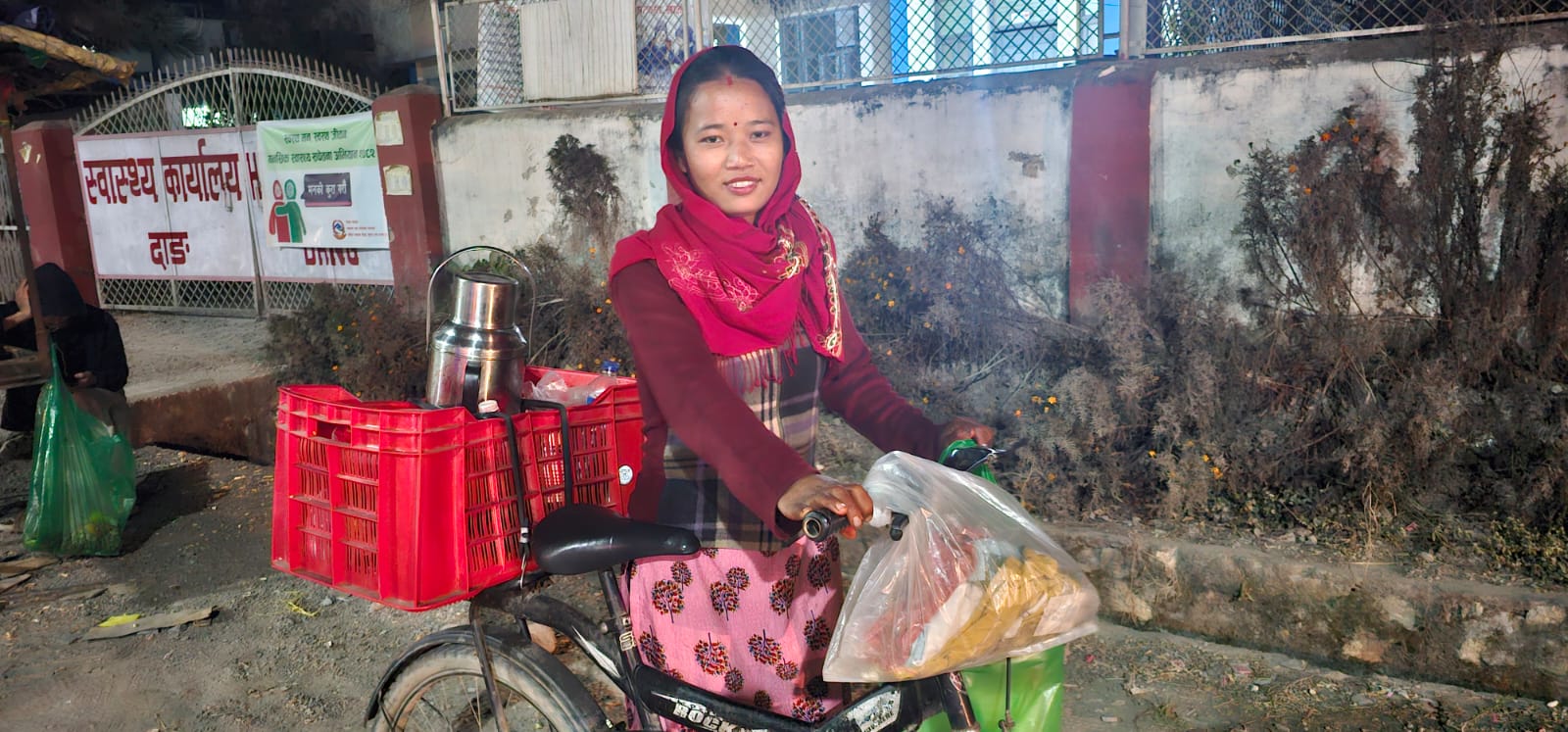
Janaki Budhamagar, who sells *chatpate* (spicy snack) and tea while cycling in the main market of Ghorahi, responded that she has no interest in the election. A resident of Ghorahi Metropolitan City-17, she does not believe that casting a vote will improve the lives of the country and its people.
Giving an example, Janaki said, ‘It is very difficult for ordinary people to make ends meet. Inflation is also high. One has to spend a lot of money to get quality education and healthcare services. The quality of government schools and government hospitals is not good. Isn't our situation the same regardless of which party or how big a leader we elect?’
She also expressed no faith in the current popular slogans of ‘New’ and ‘Change.’ ‘The Maoists also came in saying they were new initially. The people trusted them,’ she said, ‘Those with access and power might benefit. Who listens to people like us?’
Janaki plans not to vote for anyone in the upcoming House of Representatives election. She asked Ratopati in return, ‘Isn't it possible not to vote for anyone?’
Even after explaining the importance and significance of suffrage, she made it clear that she has no inclination towards politics or the word 'leader.' ‘Haven't the people voted for them for years?’ she said, ‘If they had done good work for the people, they wouldn't have to come asking for votes like this; we would have sought them out and gone to vote ourselves.’
Janaki states that due to the sharp rise in the prices of daily necessities, in addition to the cost of educating children and receiving medical treatment when sick, it is difficult for ordinary citizens to feed themselves even after working hard all day. ‘My husband works in a factory here. I do tea and *chatpate* business by roaming the market all day. Even then, it is difficult to make ends meet.’
Chanu Thapa, who sells fruit from a cart near the Traffic Chowk in Ghorahi, has a similar complaint. She left her home in Rolpa 12 years ago and moved to Ghorahi in search of income. She says she earns three to four hundred rupees daily selling fruit.
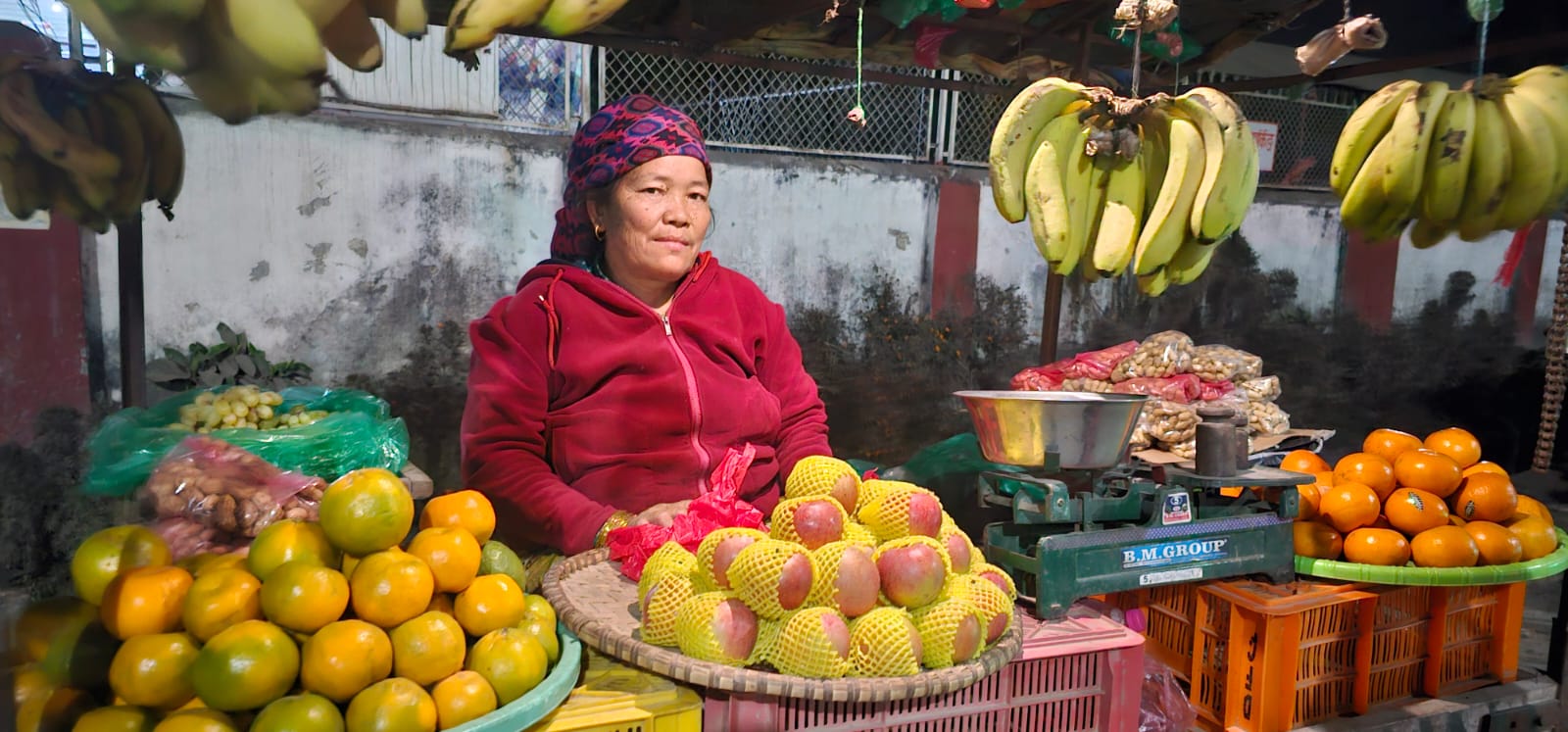
‘Who likes to leave their own village?’ Chanu said, ‘My son has gone abroad to earn. I am here doing business. Initially, I struggled for the sake of my son. Now, my son has to go abroad to struggle for the sake of his son.’
She explained that she was displaced from Rolpa and came to Ghorahi just to make a daily living, and her son had to go abroad. She said, ‘If these leaders had created an environment to earn a living in the country, why would my son have to go abroad?’
Chanu, who mentioned that she did not vote in past elections, clearly stated that she does not feel like voting this time either.
Amrita BK of Ghorahi-15 also has no interest in voting. Selling fruit on the sidewalk, she argues that leaders become elected through people's votes, but the people who vote for them remain in the same condition.
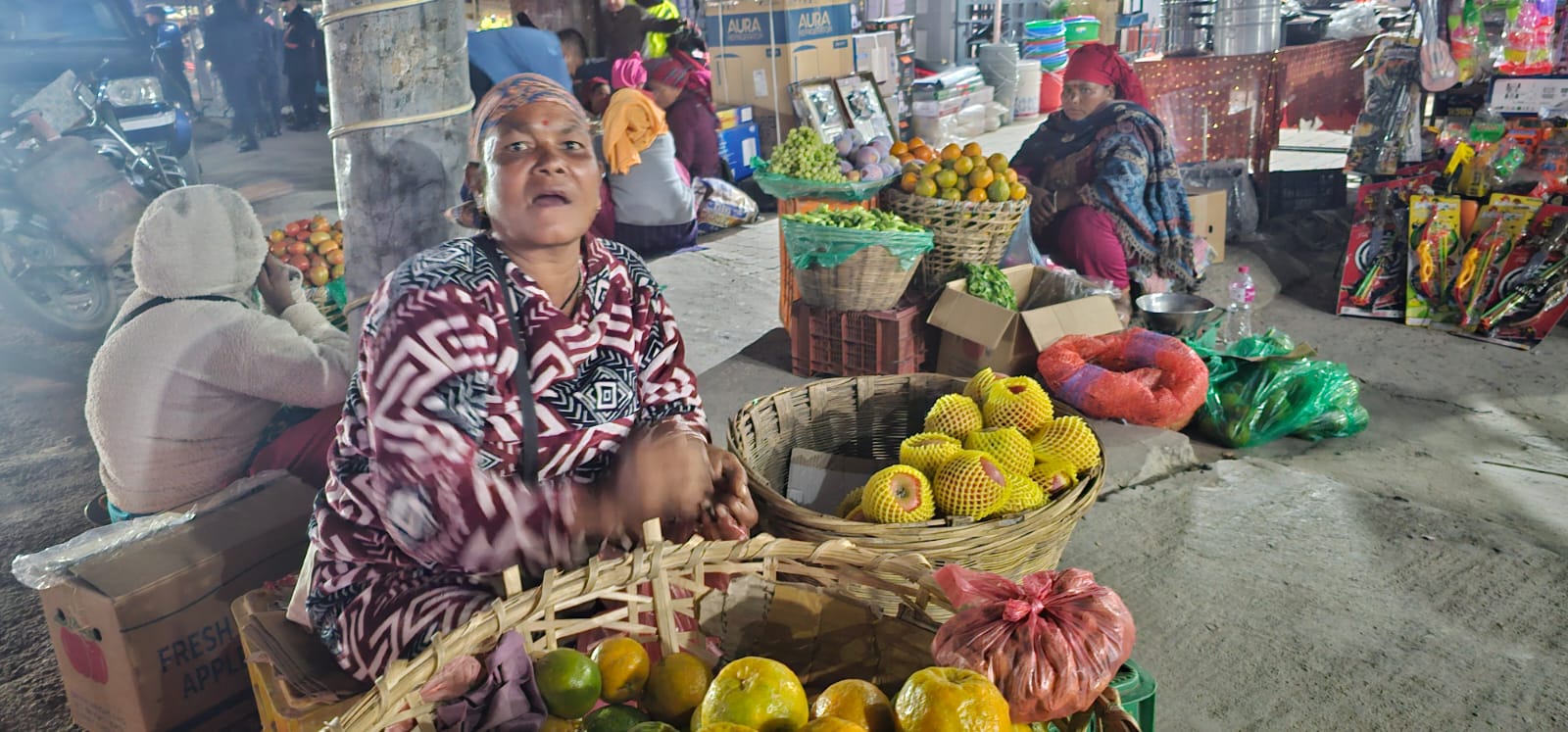
‘After we vote, they become MPs, ministers,’ Amrita said, ‘We have to come back tomorrow searching for this same sidewalk. Even when we try to do business by spreading out some fruit for a moment, people from the municipality come and chase us away. They don't even give us a place to stay. How are we supposed to make a living?’
While candidates are claiming to have launched various development projects and worked to uplift the standard of living of the people, the 'working class' voters claim there is a difference between the words and actions of the representatives. They state that their lack of interest in voting stems from the practice of giving various assurances during election time but doing no work after being elected.
This specific news has been automatically translated by AI. As a result, there may be some inaccuracies or language errors.