Global Trade Uncertainty Rises After Supreme Court Ruling Against Trump's Broad Import Tariffs


Kathmandu. International trade sectors are facing increased uncertainty following the Supreme Court's decision against the sweeping import tariffs imposed by US President Donald Trump. However, Asian financial markets appeared relatively calm in their initial reactions, with many indicators trending upward.
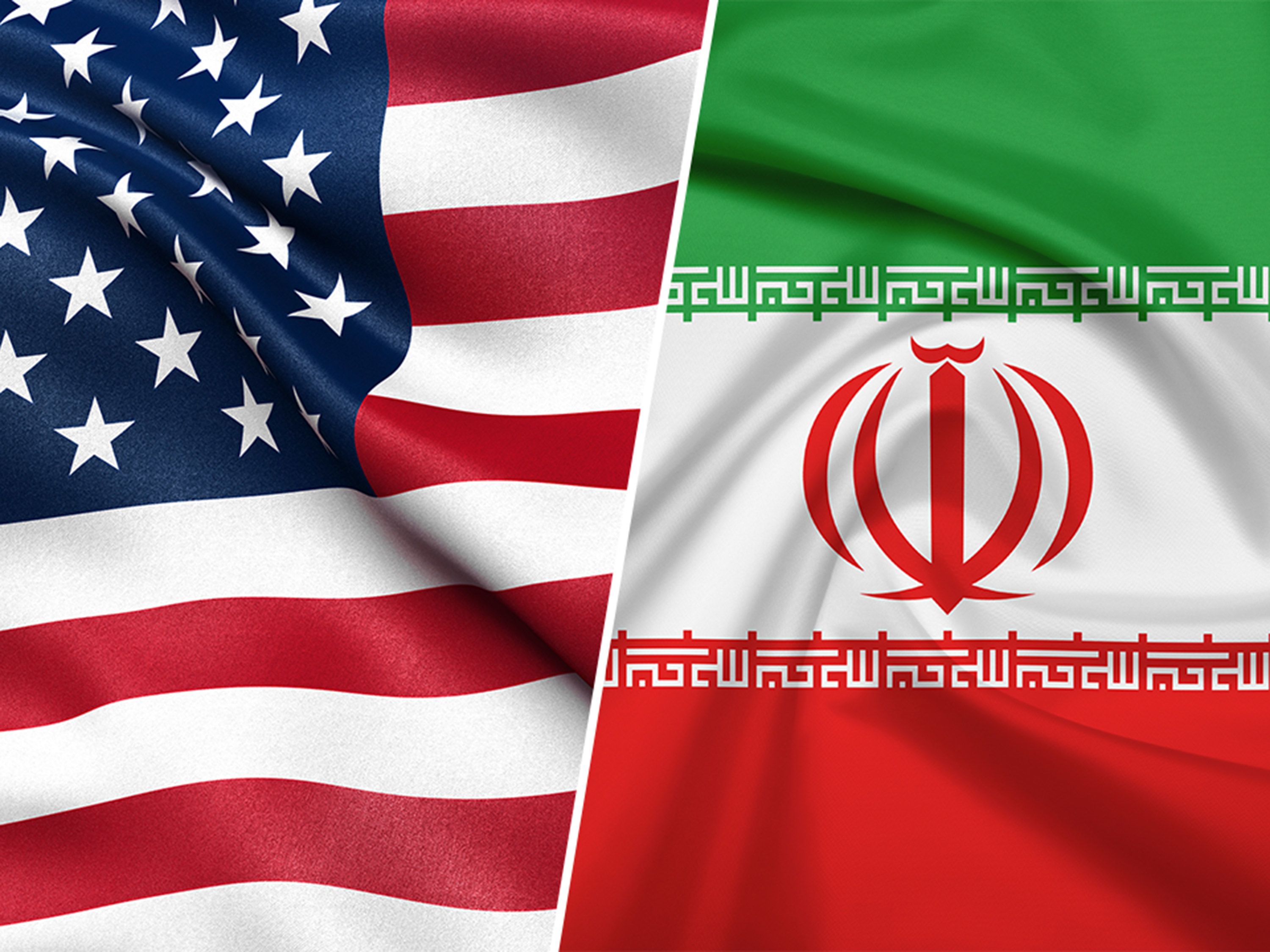
The ruling, made public on Friday, legally challenged the broad tariff regime announced by Trump on dozens of countries in April 2025. It is anticipated that this decision could affect agreements reached in trade negotiations since then. Countries like China and South Korea are now waiting to see Washington's next move.
China's Ministry of Commerce stated it is conducting a 'detailed assessment' of the tariffs imposed under the International Emergency Economic Powers Act (IEEPA). A ministry spokesperson urged the US to 'lift the unilateral tariffs imposed on trading partners.'
According to the official news agency Xinhua, Beijing reiterated that no one wins in a trade war and that these measures violate not only international economic rules but also US domestic law.
Immediately following the court's decision, Trump proposed a 10 percent global tariff under Section 122 of the Trade Act of 1974, using an alternative legal provision, later signaling an increase to 15 percent. While this might offer some relief to China and some Asian exporters, it is estimated that tariff rates could increase for Japan, the UK, and other US allies.
In an interview with CBS News, US Trade Representative Jamison Greer stated that the US remains committed to its trade agreements and expects partners to do the same. "Agreements are not based on emergency tariffs increasing or decreasing," he said. "So far, no one has said the agreement is broken; everyone wants to see the process."
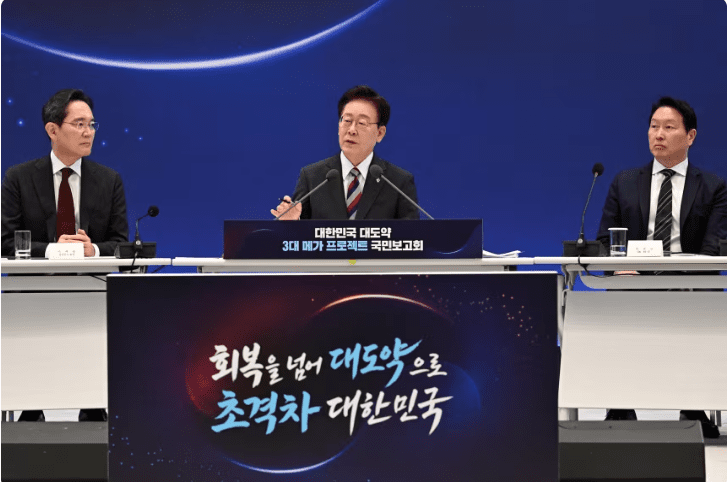
South Korea's Trade Minister Kim Jeong-kwan stated that uncertainty could deepen if new tariffs are imposed under the alternative law. According to him, 'cordial' discussions are underway with US officials to minimize the negative impact on South Korean companies. Key export sectors like automobiles and steel are already subject to tariffs under other trade laws. He advised, "Keeping in mind the uncertainty of future US tariff measures, the public and private sectors must cooperate to strengthen export competitiveness and diversify markets."
US Treasury Secretary Scott Bessent also expressed confidence that existing agreements would remain in place. He claimed that revenue generated from the new 15 percent global tariff would remain stable. Stating that the issue of refunding taxes collected under the illegally declared tariffs depends on the court's decision, he said, 'We will comply with the court order.'
Looking at the markets, US futures fell in early trading on Monday. S&P 500 contracts dropped 0.6 percent and the Dow Jones Industrial Average fell 0.5 percent. As oil prices decreased, the US dollar weakened against the Japanese Yen and the Euro. However, Asian markets showed a positive reaction, with Hong Kong's Hang Seng Index rising 2.4 percent.
This specific news has been automatically translated by AI. As a result, there may be some inaccuracies or language errors.