Chinese Communist Party Celebrates 105 Years, Traces History of Transformation

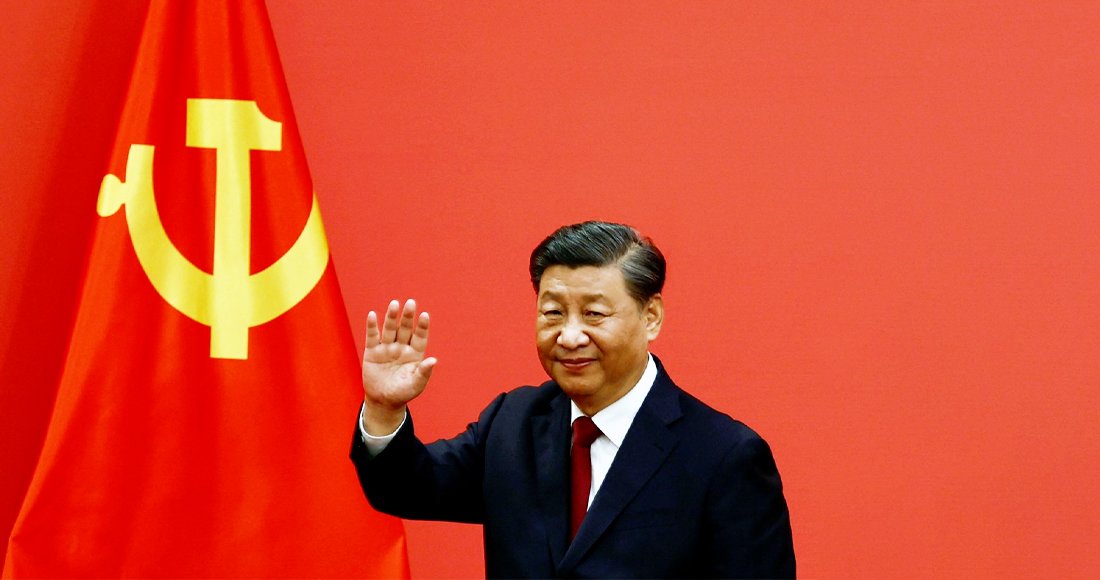
Kathmandu. The Chinese Communist Party (CPC) has completed 105 years since its establishment. Born out of fierce war, sacrifice, and martyrdom, the CPC was founded on July 1, 1921. After 77 years in power, emerging from the ashes of world and civil wars, China has become a major global superpower. By the end of December 2024, the total membership of the CPC reached 102,710,000, including 30,995,000 female members.
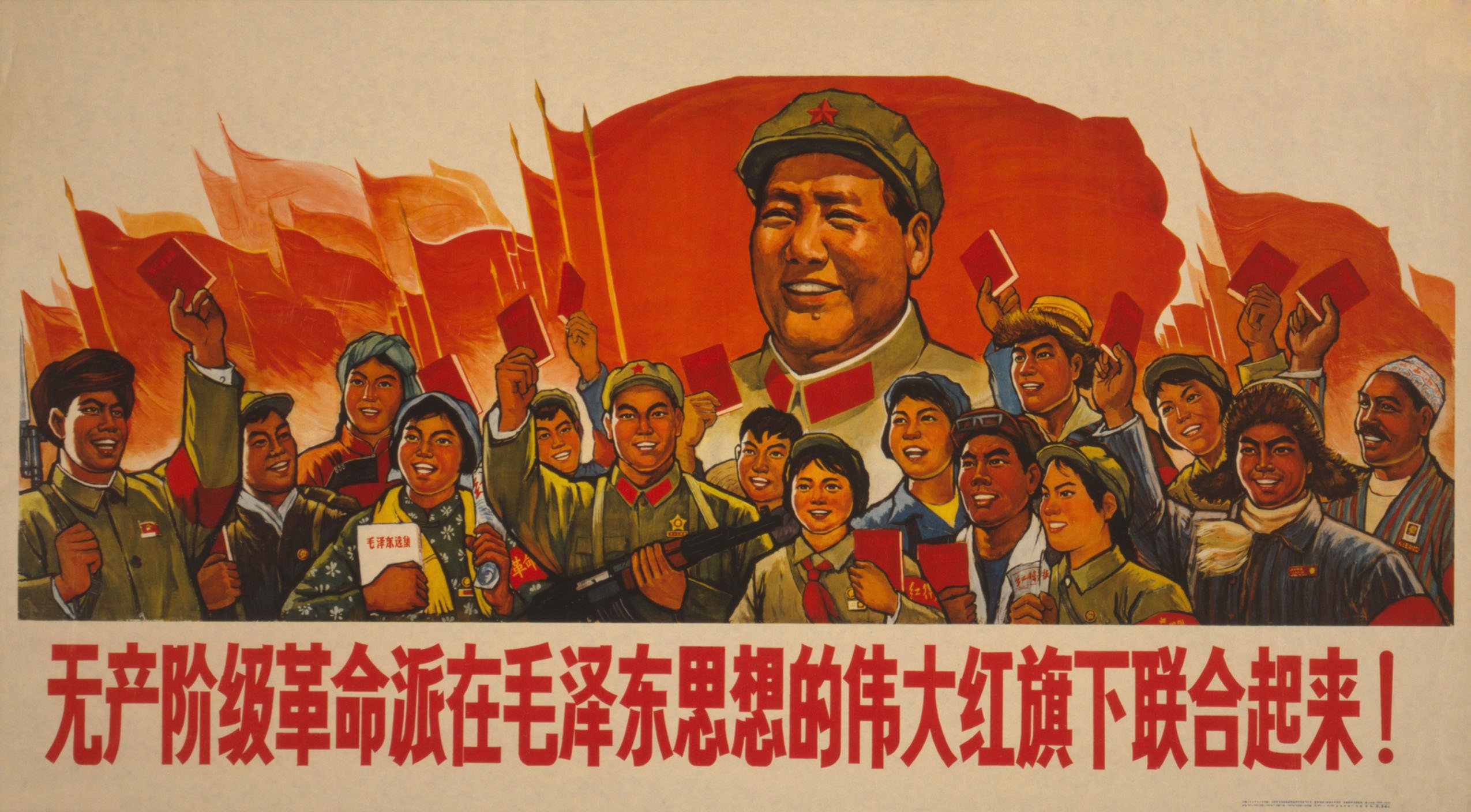
The period from the party's inception until 1950 was spent in intense internal and external struggles. Approximately 20 million people lost their lives during the Sino-Japanese War, which lasted from 1935 to 1945. In that war, under the leadership of paramount leader Mao Zedong, they had to fight simultaneously against external imperialist and internal feudal forces.
During World War II, Mao united the whole of China and, in alliance with the Kuomintang party led by Chiang Kai-shek, defeated the imperialist forces. After World War II ended in 1945, a civil war broke out between the CPC and Kuomintang armies. The CPC achieved victory in 1949.
After the declaration of the People's Republic of China, the CPC unfurled the flag of socialism. Paramount leader Mao played an unparalleled role in laying the foundation for socialism.
From 1953 to 1956, land belonging to feudal landlords was confiscated and distributed to landless farmers, bringing about significant changes in rural life. From 1958 to 1962, economic and social campaigns were implemented to transform China from an agrarian country into an industrial nation.
The Cultural Revolution took place from 1966 to 1976. This campaign was launched to eliminate capitalism and traditional remnants from Chinese society and systematize Mao's ideology. However, the Cultural Revolution was not entirely successful.
Mao arranged for the People's Liberation Army to be under the control of the party, not the state. Because China, ravaged by world and civil wars, was united and the foundation of socialism was laid under Mao's leadership, the Chinese people have continued to hold him in high esteem.
After Mao's death in 1976, Deng Xiaoping, who came to lead the party, initiated the widespread implementation of economic reforms and opening-up policies. Deng rigorously implemented this policy in 1978. While many interpreted it solely as economic reform, it was, in reality, a firm resolve to advance overall Chinese development by refining economic, social, cultural, administrative, technological, and international relations.
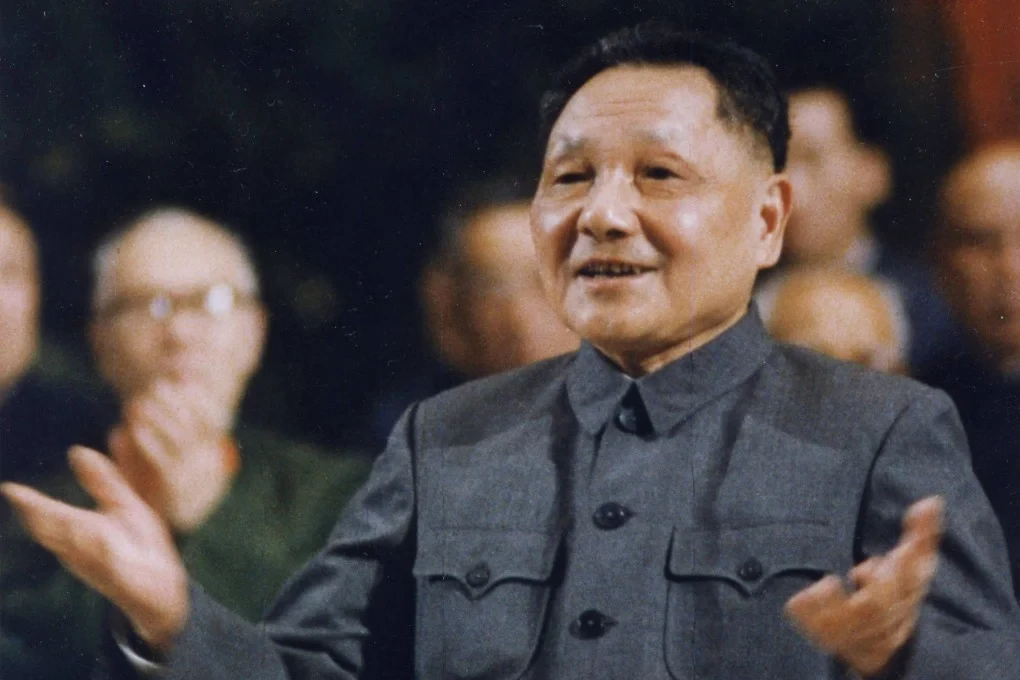
Aware of the setbacks caused by some of Mao's rigid policies, Deng skillfully implemented the party's policies. He focused all his attention on rapidly advancing the Chinese economy. Upon coming to power, he made extensive reforms in the economy, agriculture, scientific and technological development, and national security to build a modern China. He announced ambitious plans for an open economy and liberalization. Therefore, the Chinese people consider Deng the architect of China's economic reform and socialist modernization. His 'Cat Theory' is very popular in China.
In the 1990s, amidst the spread of Westernization and crises facing socialist systems worldwide, the CPC advanced the campaign of 'Socialism with Chinese Characteristics.' China has emerged as a great power due to the people's dedication to happiness, the rejuvenation of the Chinese nation (miraculous development and its distinct presence on the world stage, and confrontation with capitalism).
The CPC has not lost its adherence to principles, even in the most difficult times in history. It remained committed to Marxism-Leninism and Mao Zedong Thought, staying true to the original goals of party establishment. The CPC has skillfully strengthened the country's fundamental political system, included all its people in that system, made timely reforms, and mobilized all its resources for development. It adopted policies such as learning from the experiences of various countries, making all its people loyal to the party's core spirit, and eradicating corruption from its roots.
Xi Jinping was elected General Secretary at the 18th National Congress of the CPC held in 2012. Immediately after his election, he announced the complete eradication of poverty from China. In 2021, he fulfilled his ambitious plan for poverty alleviation.
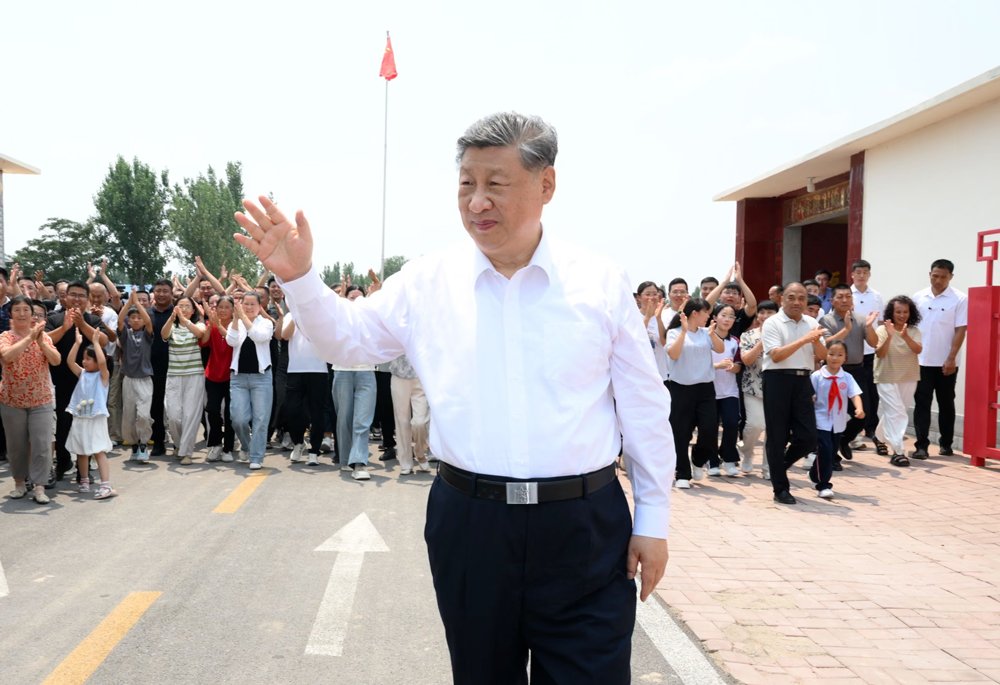
After coming to power, he put socialism with Chinese characteristics into practice. Since then, Xi has continuously been the head of state. On the occasion of the 105th anniversary of the founding of the Communist Party, China's President and CPC General Secretary Xi has put forward the goal of building a strong nation through socialist modernization with Chinese characteristics.
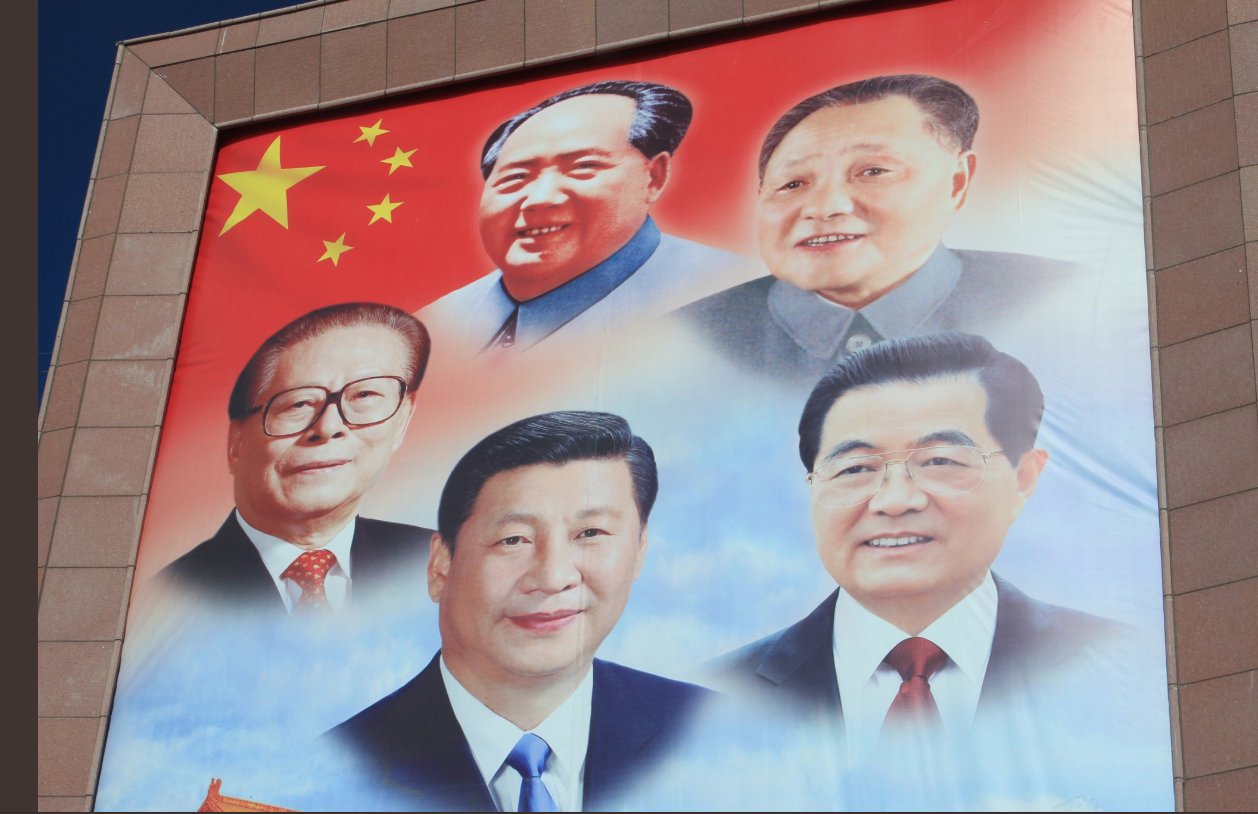
China, the world's second-largest economy, describes itself as a developing country. The CPC aims to achieve a medium level of development by 2035 and become a modern developed country by the centenary of the People's Republic in 2049. Paramount leaders Mao, Deng, and Xi have played significant roles in building modern China, earning them high respect from the Chinese people.
Former Nepali Ambassador to China, Tank Karki, states that the CPC's successive leaps forward are primarily due to the policies and ideology they have adopted. 'In terms of achievements and popularity, the Chinese Communist Party is perhaps the only party in history to have achieved one success after another for such a long time since coming to power. The main reason behind this is the policies and ideologies they have adopted,' Karki told RatoPati. 'Guided by Marxism, they tried to apply Marxism to the realities of their own country. The Communist Party remained honest to the expectations demanded by Marxism and the physical conditions of their country.'
- Why did Nepal's Communists Fall?
While the world's political and economic landscape sees China making unprecedented strides, communist parties in Nepal have been ousted from power. Inspired by the CPC's revolution, Pushpalal Shrestha founded the Communist Party of Nepal (CPN) on April 10, 2006 (Bikram Sambat). 77 years after the establishment of the CPN, the communist movement has become significantly weakened.
_Bu94J0Fezs.jpg)
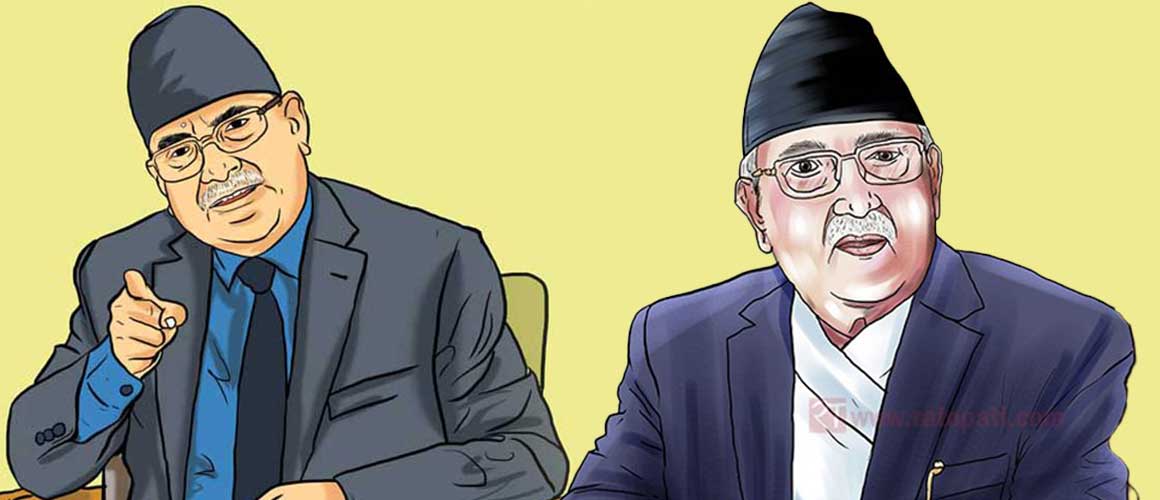
When the 'Gen Z' movement occurred last August, the government was led by a communist party. CPN-UML Chairman KP Oli became Prime Minister with the support of the Nepali Congress. However, unable to withstand the youth's dissatisfaction, the Oli government fell, causing significant loss of life and property.
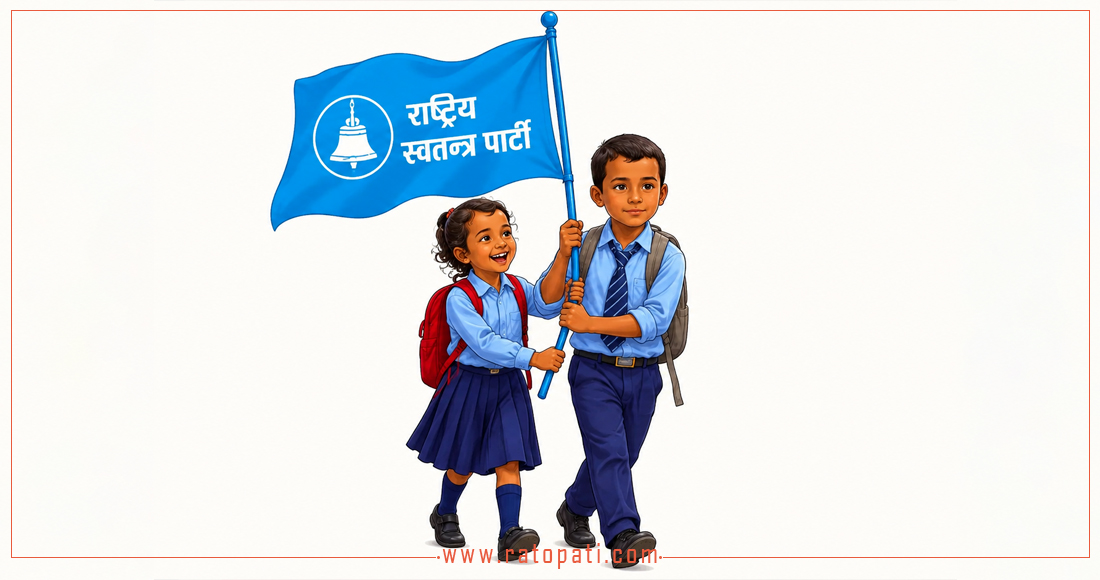
On the foundation of the 'Gen Z' rebellion, considered a unique movement in Nepal's history, new party Rastriya Swatantra Party (RSP) achieved a landslide victory in the elections held last February, winning two-thirds of the seats, i.e., 182 seats, dealing a major blow to the communist parties. UML, which has been in power repeatedly from 2047 to 2082 BS, won only 25 seats. The former CPN (Maoist Centre), which emerged from the people's war (currently a core component of Nepal's communist parties), won only 17 seats. Neither the Nepal Workers' and Peasants' Party nor the Rastriya Janamorcha secured a single seat.
In the proportional representation category, communist parties received a total of 2,378,601 votes, which is 21.50 percent of the total valid votes. In the 2079 BS elections, communists received 4,441,388 votes. Compared to the previous election, they appear to have lost significant public mandate in this election.
Analyst Tank Karki believes that the continuous decline of Nepal's communist movement is due to the leadership's dishonesty in reconciling and internalizing ideology with the country's reality.
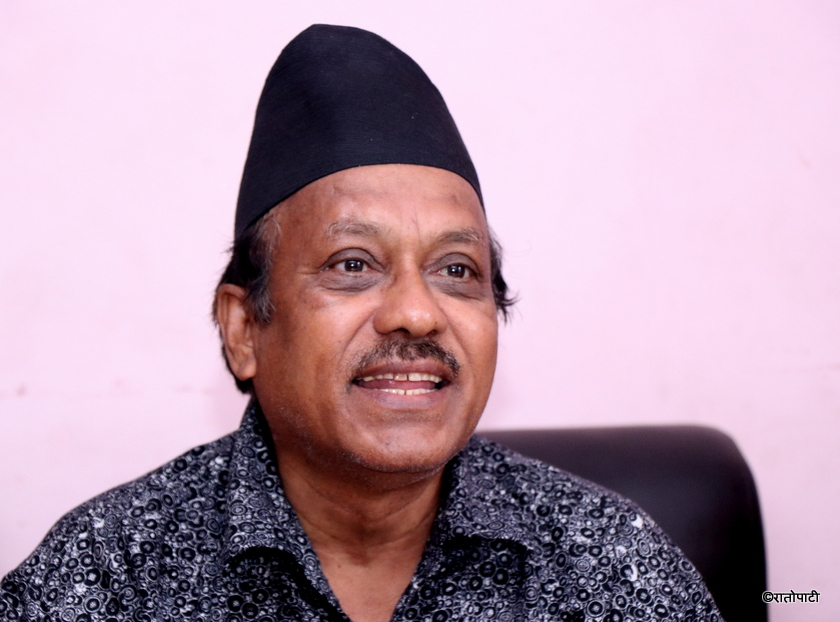
'Here, our leadership, the leadership of the communist movement, has not been honest in reconciling and internalizing ideology with the reality of our country. Over time, the leadership became hungry for more power and failed to be honest towards the aspirations for social change. As a result, it seems our communist movement has suffered a setback this time,' he said.
Karki states that the primary role in China's progress is not solely of Mao, Deng, and Xi. Fundamentally, the party and collective roles are paramount.
Karki said, 'The CPC operates on the principle of collective leadership and collective consciousness. Perhaps because our country has a history of monarchy, we have overemphasized the role of individuals, neglecting the role of collective consciousness and collective leadership.'
He asserted that communist parties in Nepal have failed to understand the party's ethos that collective intelligence and collective consciousness yield better results than individual roles in a party system. 'Gradually, we transformed the party into a 'cult structure' (a structure of personality worship). The negative consequences of this are the manifestations of the weaknesses in our communist movement today,' he said.
Karki recounted something Chinese Premier Zhou Enlai once told Soviet Union's paramount leader Khrushchev. During their conversation, Zhou said, 'We both betrayed our classes.'
Khrushchev came from the working class, and Zhou Enlai came from the upper class.
Although Zhou Enlai came from the upper class, he did not compromise his loyalty to the lower, oppressed, and exploited classes; that is, he did not betray his original class. However, Khrushchev, coming from the lower class, transformed himself into the upper new class and betrayed his class.
Connecting this context to Nepal, Karki said, 'We generally have middle-class leadership. As soon as this middle-class leadership came to power, it was tempted by the dazzle of the upper class and gravitated towards it. This is the weakness. However, this has been 'exposed,' and people have begun to reconsider ideology-centric and social partisanship.'
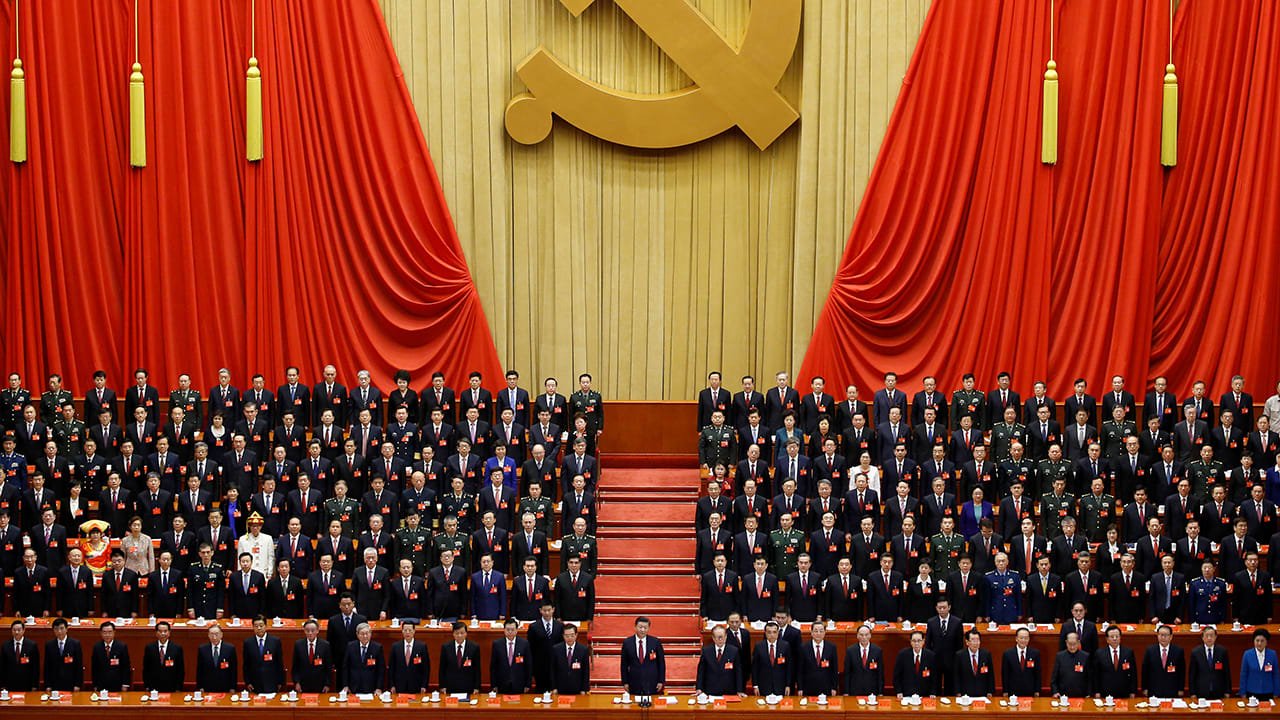
- How was the CPC Founded?
In July 1921, the first Party Congress held in Shanghai elected Chen Duxiu as its leader. At that time, Zhou Enlai was in France, Chu Teh in Germany, Zhou Fai in Japan, and Zhang Wentian in Moscow. They carried out party work from abroad.
In 1922, the second Party Congress held in Hangzhou, in the absence of paramount leader Mao Zedong, drafted the party's manifesto and set its strategy.
The third congress was held in Canton city in 1923. At that time, trade unions, at the call of the CPC, were successfully carrying out labor strikes. Meanwhile, a struggle was ongoing between Sun Yat-sen, the founder of the Kuomintang party, and Mao. Yat-sen decided to carry out the revolution under the leadership of the Kuomintang. Mao opposed that decision.
In 1925, the fourth Party Congress reviewed the party's policies and work. A major labor movement occurred in Shanghai that year. In 1926, Mao prepared the book 'Report on an Investigation of the Peasant Movement in Hunan.'
In 1927, after Sun Yat-sen's death, Chiang Kai-shek came to lead the Kuomintang. After taking leadership of the party, he became aggressive towards communists. In the same year, the CPC's fifth congress concluded that the party had suffered losses due to Chen Duxiu's opportunist policies and took action against him.
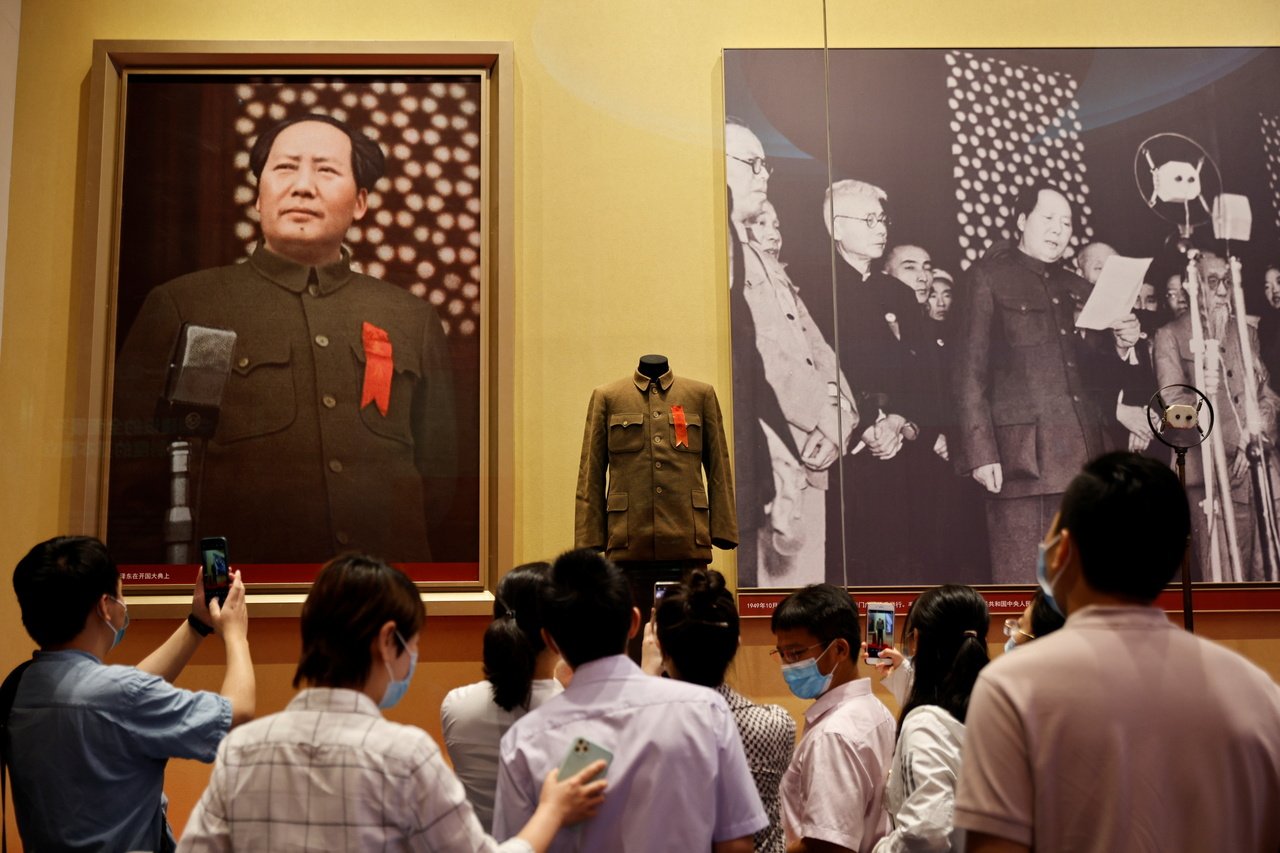
It was concluded that a strong party based on workers and peasants was necessary and that good organization among farmers should be developed. An extraordinary congress was immediately convened to determine the CPC's strategy. At that time, Mao ordered adherence to orders, not to take anything from poor farmers, and to hand over confiscated items to the party.
Guerrilla warfare was developed in 1928. The policy was advanced that large-scale army formation and regular warfare should not be undertaken without maturity. In 1930, the Red Army had a strength of 60,000.
On February 20, 1936, an agreement was reached between the communists and the Kuomintang to fight Japan jointly. By then, the Red Army's strength had reached 500,000. After 1939, the CPC had to fight against both Japan and the Kuomintang. Finally, China achieved victory in the fierce war fought from 1937 to 1945.
In August 1945, after the United States dropped atomic bombs on Hiroshima and Nagasaki, destroying them, Japan surrendered. In 1946, with US assistance, Chiang Kai-shek launched a new attack on the Red Army.
In 1947, Chiang Kai-shek's forces occupied some areas. Within eight months, the Red Army defeated the Kuomintang army and captured 105 cities.
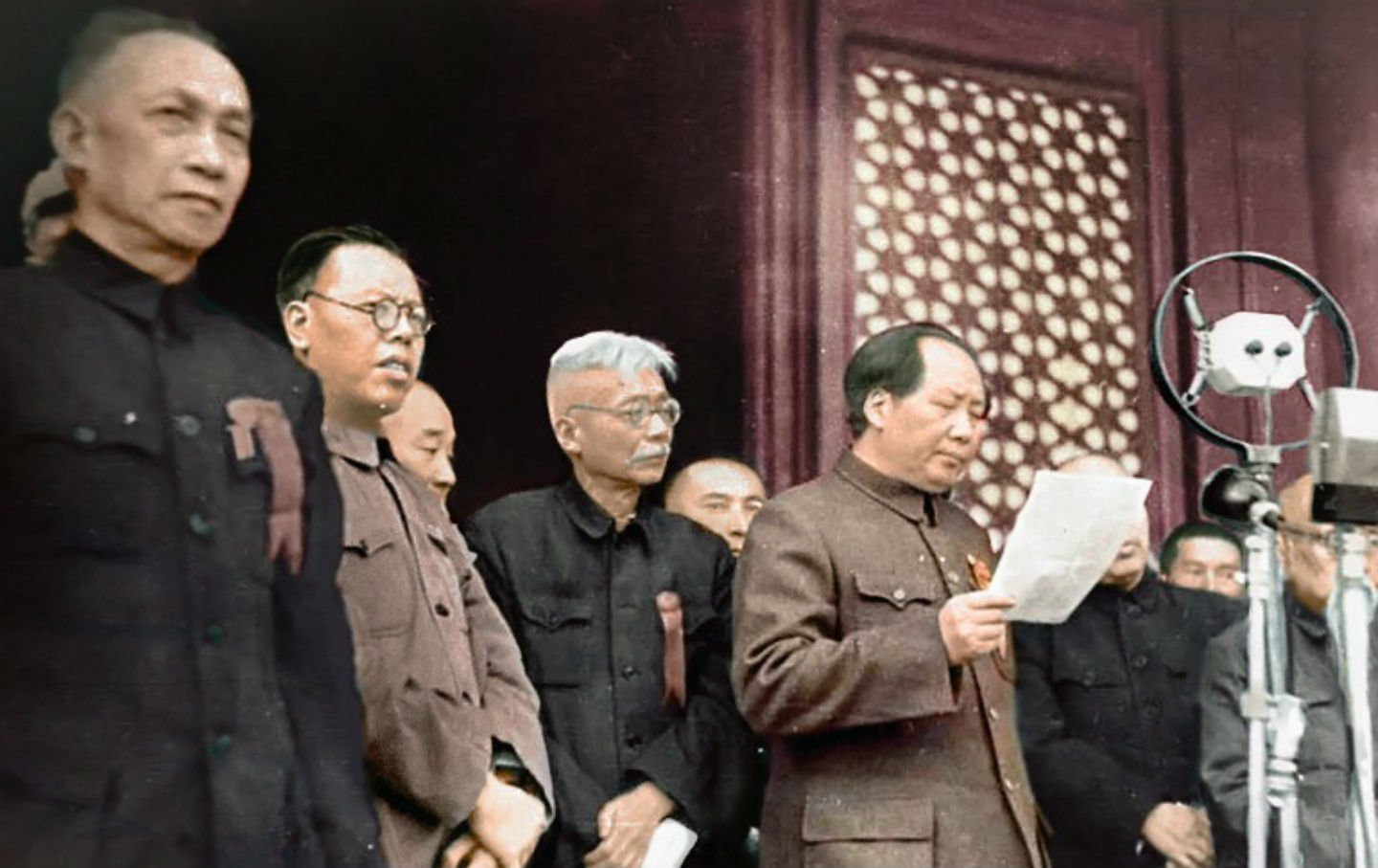
In 1947, the CPC put forward the slogan 'Build a New China.' By the end of December 1949, the Red Army had captured almost all of China's territory. After that, Chiang Kai-shek fled to Taiwan. The dispute between China and Taiwan over that territory continues to this day. On October 1, 1949, the CPC declared the People's Republic of China.
This specific news has been automatically translated by AI. As a result, there may be some inaccuracies or language errors.