Nepal's Labor Minister Forms 'Special Task Force' to Probe Foreign Employment Sector, Drawing Ire from Medical Businesses

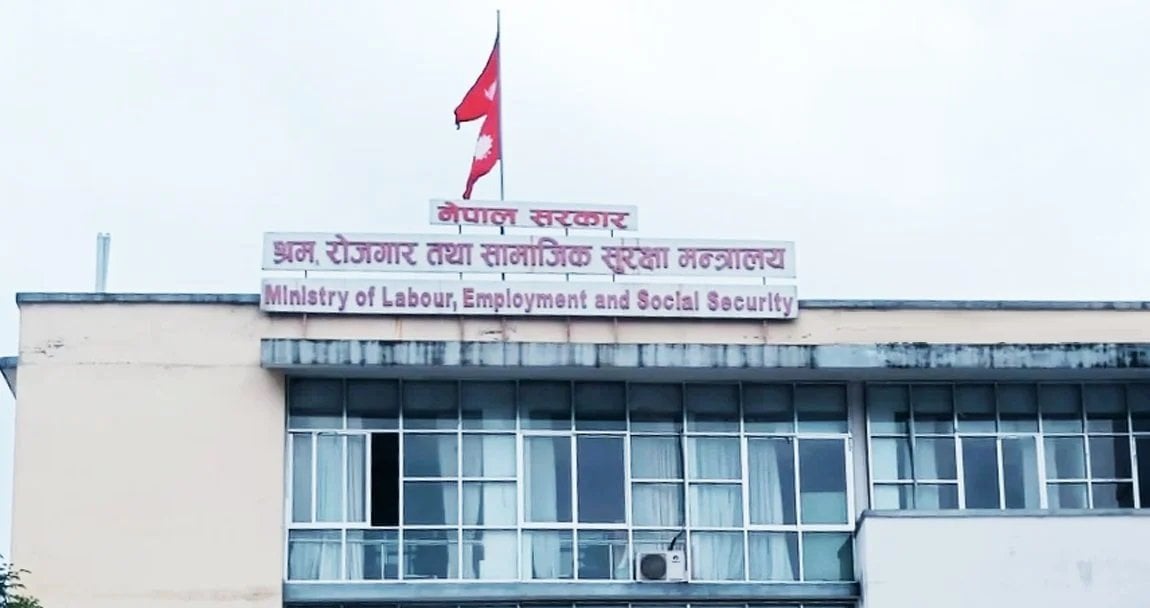
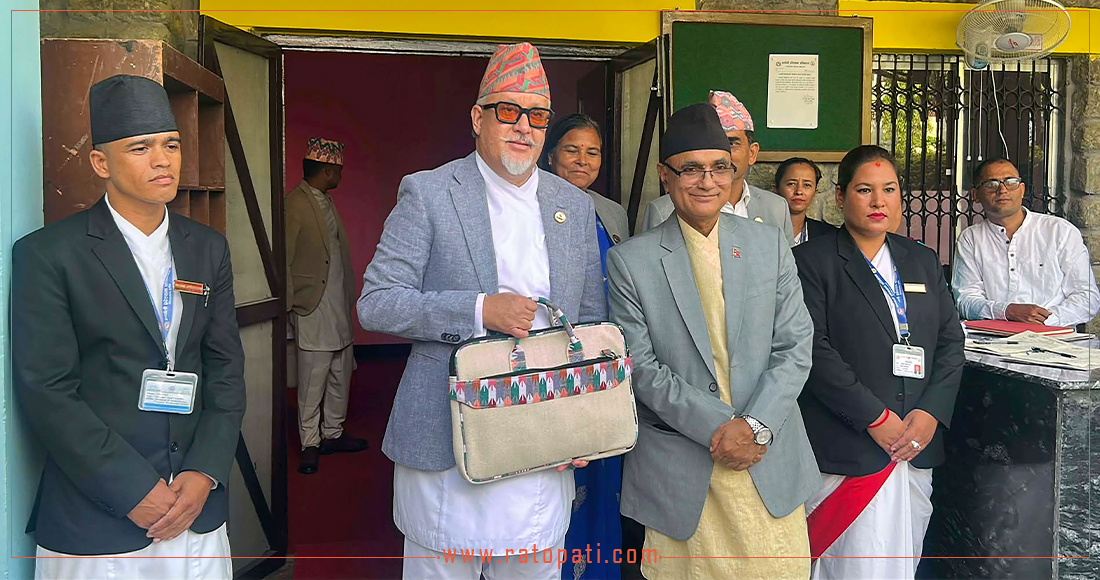
Kathmandu. Claiming to streamline the foreign employment sector, Minister for Labor, Employment, and Social Security Rajendra Singh Bhandari has formed a 'Special Task Force' that includes investigative police. Formed a week ago, this force is currently monitoring manpower companies, their operators, and the medical centers conducting health check-ups.
The task force is conducting daily monitoring of health medical centers based on demand received from the employer countries, rather than complaints of worker fraud. This has begun to create panic among health medical practitioners who conduct medical check-ups for migrant workers heading for foreign employment.
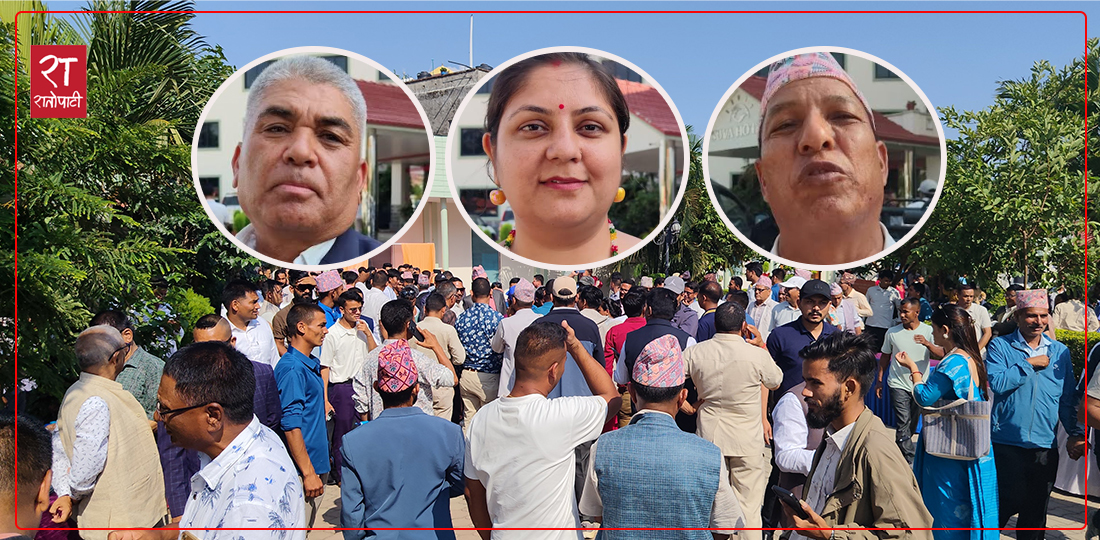
Medical practitioners have complained that the task force is being used as a means to intimidate medical businesses and extort money. "While health institutions are providing services after being selected according to the MoU between the two countries, the Minister formed the task force and sent it without understanding the nuances or consulting the businesses," complained one practitioner.
According to the businesses, the Minister has sent a task force including police to health institutions that have invested millions and are operating according to state standards, causing terror. They claim that the task force is engaged in harassing and discouraging businesses under the pretext of checking ID cards, staff uniforms, and minor billing issues, rather than assessing the quality of the medical facilities.
One medical practitioner stated, "Businesses have invested millions and are operating institutions with doctors and staff in place. Health institutions have a team of doctors and specialists with health-related knowledge, but now they have brought in the police and created a commotion."
The underlying motive, according to the businesses, is to establish a system similar to the Qatar Visa Center (QVC) for health checks of workers going to Malaysia, thereby imposing a new syndicate and serving the interests of a few select traders. They claim that Minister Bhandari is trying to revive the syndicate that previous ministers had dismantled by scrapping the old procedures.
On one hand, workers going to Saudi Arabia and the UAE are being cheated illegally under the guise of policy. Even after Bhandari became the Labor Minister, the trend of workers being cheated in the name of police reports for foreign employment has not stopped. However, businesses accuse Labor Minister Bhandari of not paying attention to resolving these issues or addressing them at the diplomatic level.
Businesses state that health institutions, which were previously given a clean chit by the Supreme Court stating there was 'no syndicate' and were deemed qualified after monitoring by a team including government expert doctors, are now being deliberately harassed right before the elections.
The businesses stated, "Businesses should be allowed to operate independently. If they have made a mistake, they should be punished, but all businesses should not be harassed collectively. The court has already acquitted us, stating this is not a biometric syndicate under any circumstances, and we have proof of that."
Move to Introduce QVC Model in Malaysia Too
A new form of syndicate manipulation has begun under the pretext of handling all processes for workers going to Malaysia in one place. The Qatar Visa Center (QVC) was established under the premise that all processes for workers going to Qatar would be centralized and free of charge.
However, since its inception, QVC has been imposing a monopoly on Qatar employment and engaging in extreme financial exploitation. Now, there are plans to implement the exact same model for Malaysia.
There is preparation to hand over all mechanisms—visa processing, health testing, orientation training, MyIMMS, biometric, ISC, VLSN, and OSC—for workers going to Malaysia to a single entity, leading to extreme financial exploitation of the workers. Sources indicate that Labor Minister Rajendra Singh Bhandari himself is leading this effort.
It is alleged that Minister Bhandari, upon taking office, has used the task force to intimidate legally operating small and medium-sized medical businesses to establish a monopoly by handing over the entire contract for Malaysia employment to a vested interest group.
Businesses complain that the rapid monitoring team, comprising a Deputy Secretary and a Deputy Superintendent of Police (DSP) dispatched under the Labor Minister's directive, is focusing on finding minor administrative errors and treating businesses like criminals, rather than assessing the quality of medical facilities.
Businesses ask, "Is the quality of a health institution measured by the qualifications of the doctors stationed there and the capacity of the machinery, or by the uniforms worn by the staff and the ID cards hanging around their necks?" Businesses claim the monitoring team is terrifying them using ridiculous pretexts such as issues with receipts, bank accounts, staff attendance registers, complaint boxes, and lack of uniforms, rather than the quality of medical reports.
In the past, during the tenure of then-Labor Minister Gokul Baskota, Malaysia employment was halted for 17 months in the name of biometrics and syndicates. Following that, businesses claim they imported machinery worth millions by investing in new equipment according to the labor agreement (MoU) signed between the Malaysian and Nepali governments and the strict standards set by the Ministry.
One business owner said, "What the Minister wants is to discourage and remove us, halt Malaysia employment for 8-10 months, and then impose a syndicate again by setting up his own system in a new way."
Out of 205 institutions that applied based on the information called by the government, 171 were deemed qualified after monitoring by government doctors and technical teams. However, the Malaysian government approved only 36 of those 171 institutions to conduct medical tests for workers coming to their country, based on their own audit system and standards. Nepali businesses had not created a syndicate in this matter; it was based on the agreement between the two countries and Malaysia's selection.
Businesses have also received justice in the writ petition filed in the Supreme Court regarding this very issue. A joint bench of Supreme Court Justices Sapana Pradhan Malla and Nahakul Subedi had ruled that there was no syndicate or monopoly in the health testing of workers going to Malaysia.
The court dismissed the writ, stating that the health institutions were selected according to the labor agreement between the two countries. Businesses are questioning under what law and intention the task force is being deployed to threaten the closure of institutions that were deemed legitimate by the Supreme Court and certified by the government's own expert team.
Minister Silent on Looting in Saudi Arabia, Qatar
Traders allege that the intention of the task force is not to protect the interests of workers going to Malaysia but solely to dismantle the old structure and award contracts to their cronies. "If Minister Bhandari were truly in favor of the workers, why would he ignore the massive looting happening to workers going to other Gulf countries and Europe?" questioned one businessperson.
"The Minister has no concern with the consulting firms and manpower agencies that are truly cheating, but he has focused his attack solely on medical institutions that charge NPR 6,500 to test blood, urine, feces, and sputum," the businesses complained.
Currently, Nepali workers going to South Korea, Japan, Israel, and the UK are paying fees exceeding NPR 10,500 in the name of health testing. Workers going to Saudi Arabia, Bahrain, and Oman are forced to pay hefty sums to 30 health institutions under GAMCA Nepal.
In the case of workers going to Qatar, QVC has imposed a monopoly. While Nepal Health Professional Federation, Nepal Medical Business Association, and GAMCA are charging arbitrary fees, the Minister's task force does not even look in that direction.
For workers going to Malaysia, the previous government added 34 types of scientific tests (e.g., HbA1c, Lipid Profile, Video X-ray, etc.) and set the fee at NPR 9,500. Businesses imported machinery worth over NPR 30 million accordingly so that workers would not have to return after failing medical tests upon reaching Malaysia.
However, upon taking office, Minister Bhandari scrapped the technically superior 34 types of tests and reduced them to the old 19 types, deciding that only NPR 6,500 could be charged. Businesses are conducting health tests according to that decision. Yet, they are being discouraged under the guise of the task force.
Little Truth, More Prejudice
The task force is creating propaganda as if the businesses have committed heinous crimes. Allegations include issuing reports without the worker's presence, conducting repeated medical tests on the same individual, tax evasion, and sending money without permission to Bestinet Sdn Bhd (Macro Tech).
However, businesses flatly deny these allegations. "One or two institutions might have made mistakes; we fully support taking legal action against them. But, just because one made a mistake, all businesses cannot be lumped together and criminalized," said one businessperson.
Health institutions obtain operating licenses from the District Public Health Office, Central Lab, and local levels. Those bodies conduct regular monitoring. However, businesses claim that the Ministry of Labor is creating a task force to harass them under the guise of monitoring.
"We have never charged excessive fees; we have always issued bills for the amount charged. Institutions operating with licenses from the Ministry of Health, District Public Health, Central Lab, and local levels, working at the fees set by the government, should not be discouraged like this," the businesses stated.
Malaysia's 10-Point Criteria
Last Kartik (mid-October/November), the Malaysian government sent a new mandatory 10-point criteria to facilitate the process of recruiting and transferring workers from Nepal. The Malaysian Ministry of Human Resources sought a list of manpower companies, stating that selection would be objective and merit-based.
Following widespread opposition, the Nepali government responded via a diplomatic note stating that the criteria could not be implemented. After Nepal rejected Malaysia's terms, Malaysia has now partially halted the intake of workers from Nepal and other source countries.
Since June 2023, Malaysia has only partially opened the manufacturing sector. In the five years since Covid, only 219,000 Nepalis went there in just one year. In the last fiscal year, only 10,000 new workers got opportunities.
The date for the third Joint Working Committee (JWC) meeting between Nepal and Malaysia has not been fixed. Although an agreement was reached in Geneva last Jestha (May/June) between the then Labor Minister Rajendra Singh Bhandari and his Malaysian counterpart to hold the JWC meeting, the current government has ignored it."
This specific news has been automatically translated by AI. As a result, there may be some inaccuracies or language errors.