Former Chief Election Commissioner Dr. Yadav Discusses Significance of Upcoming Federal Parliament Elections

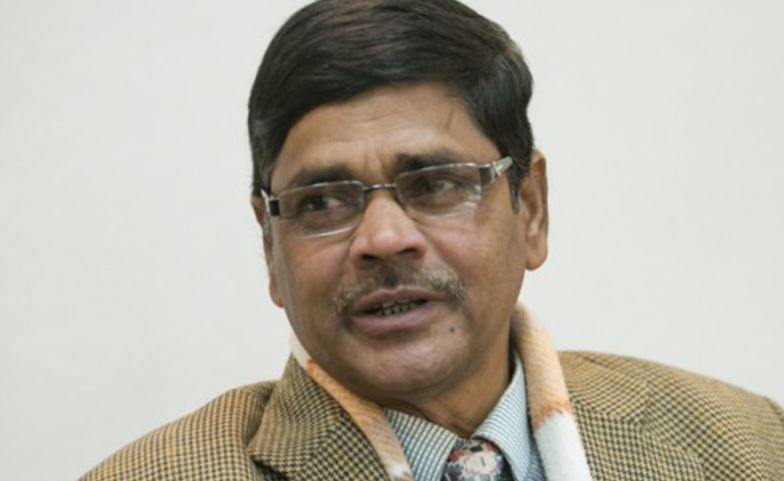
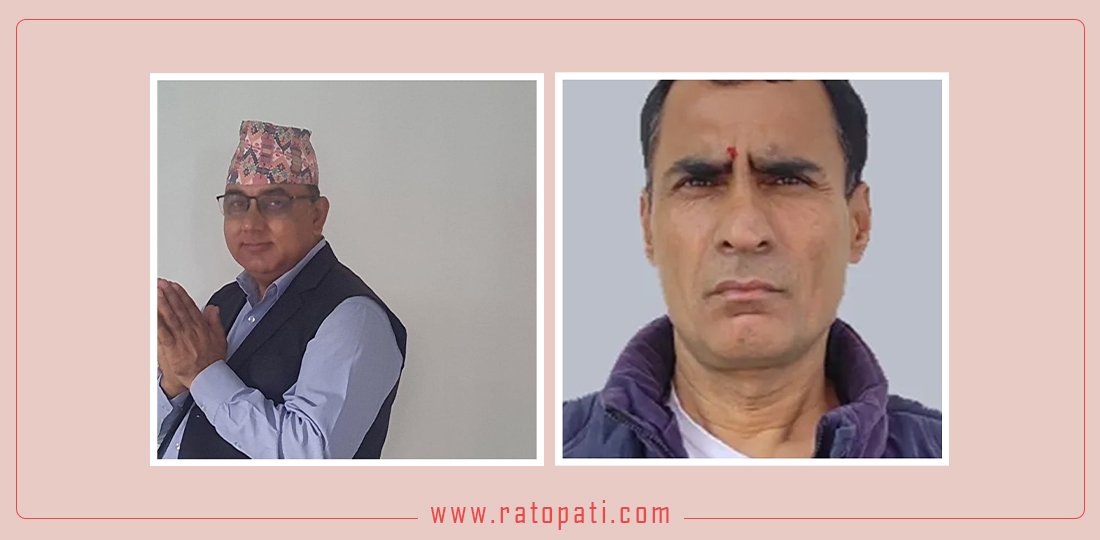
Saptari. Chief Election Commissioner Dr. Ayodhiprasad Yadav assumed office on Jestha 27, 2073 BS. He served as Election Commissioner from Poush 27, 2063 BS to Poush 26, 2069 BS, was reappointed as Election Commissioner from Chaitra 1, 2069 BS, and took on the responsibility of Acting Chief Election Commissioner from Bhadra 11, 2072 BS. Presented here is an interview with former Chief Election Commissioner Dr. Yadav:
How do you view the House of Representatives election scheduled for Falgun 21 this year?
The House of Representatives election scheduled for Falgun 21 is taking place for the first time in the history of Nepal's federal democracy. This election is taking place as a result of the Madhes movement of Bhadra 23 and 24 last year. I believe this election will help to strengthen, consolidate, and institutionalize democracy. The election for the House of Representatives, which was dissolved after the Madhes movement, can be considered important for the democratic values, principles, and social change sought by a new mandate. Let us hope that it fulfills the need and expectation for change that the country seeks.
What aspects are generally given the most attention in such elections?
This House of Representatives election uses a mixed electoral system, involving both proportional representation and first-past-the-post elections. Different perspectives are observed, but fundamentally, it is widely discussed that this election will provide space for the younger generation to lead political change and govern the country. There is a new hope among the general public with the expectation that the role of the new generation in politics will increase. Having said that, we cannot ignore the past roles of leaders from older political parties.
What is the role of various entities in ensuring the election is clean, free, credible, and fearless?
Elections must be free and impartial. An election must not only be free but also clean and credible. The Election Commission has a major role in making the election clean and free. The Election Commission is responsible for all technical and administrative tasks to ensure a free and clean election. If the Commission manages all materials properly, the election will naturally be free and clean. Not only the Election Commission, but voters also have an equally important role. Voters must act freely and cleanly. More voters should participate in the election. Political party leaders and candidates also have a role in this. Security agencies also play a significant role. Materials required for all election activities, security arrangements, and transportation of ballot papers must be managed. For the election to be credible, the monitoring done by observers is also observed. The media plays the most important role in election publicity. Journalists have the role of motivating voters to cast their ballots, raising voter awareness, and quickly disseminating election results to the public. Therefore, ensuring the election is clean, free, impartial, and fearless requires the significant role of everyone, not just one body.
What aspects should political parties and candidates pay attention to during election campaigning?
The upcoming election on Falgun 21 is being held simultaneously across all areas. Political parties and their candidates must educate voters on how to cast their ballots, using sample ballot papers as voter education. The Election Commission has deployed its mechanisms down to the ward level regarding the voting process. House-to-house visits, rallies, and processions must be conducted within the framework of the code of conduct, based on the election manifesto. They should avoid opposing others and maintain coordination among candidates. Such matters must be heeded to maintain peace and order.
The percentage of invalid votes has been high in every election; what needs to be done to reduce this?
Various reasons are responsible for invalid votes in elections. The level of voter literacy in our country is weak, which also causes votes to be invalidated. The size and design of the ballot paper can also confuse voters. Invalid votes occur due to the symbols' boxes and the election symbols themselves. If election symbols are similar, voters might mistakenly stamp both. The quality of the seal and the ink used can also pose a risk of invalidating votes. The lighting condition in the voting booth might also make a difference. Elderly and physically challenged voters are also more likely to cast invalid votes. In some elections, the percentage of invalid votes can be high because parties boycotting the election participate but run campaigns to get votes invalidated.
What should be the role of the government and the Election Commission in ensuring the election is conducted smoothly?
Regardless of the country or the type of election, the role in a democratic election belongs to the government and the Election Commission. In some countries, there is no Election Commission, and the government conducts the election, but in our context, we have the Election Commission as an independent body. Here, the government also has the authority to announce the election date. Both these institutions are necessary for the election. The Commission is responsible for all management and responsibilities, while the government is responsible for arranging financial resources, guaranteeing security, and managing the necessary staff. This is a special government formed after the Madhes movement, also called an interim government. The role of the current government in completing the election on schedule is commendable. Political parties are also in the final stages of preparing to complete the election. The Election Commission has finalized the arrangement of all necessary ballot papers, polling stations, ballot boxes, voter lists, manpower for voting, and vote counting.
Please clarify further about election campaigning and the silence period?
Election procedures and processes differ across various countries. There are also different practices regarding the silence period. In our context, open campaigning is not allowed for three days leading up to the voting day. During this period, all voters can form their opinions and thoughts. This time is very important. Furthermore, the Election Commission can use this period for final preparations for voting.
Finally, do you have any message for the voters?
This election holds historical significance in Nepal's history. I urge all voters to cast their ballots to strengthen democracy and establish a permanent government for the happiness and prosperity of all Nepalis. It is a great right for you to exercise your franchise peacefully in the House of Representatives election scheduled for Falgun 21. You must exercise your right to vote freely and cleanly, without succumbing to any greed, intimidation, or fear.
This specific news has been automatically translated by AI. As a result, there may be some inaccuracies or language errors.