Voters in Baglung-2 Seek Development and Local Employment as Election Heat Rises


Baglung. As the date for the upcoming House of Representatives election draws nearer, the electoral atmosphere in Baglung-2 is heating up. Candidates are busy wooing voters from city squares and alleys to remote village settlements. However, as voters become more discerning, it is not as easy for candidates as it was before.
Many parts of this constituency, which has lagged behind in terms of development since the past, have not even received basic services from the state. The demands of the voters in this area are simple. But they have been complaining that they have yet to find a leadership that can fulfill these simple demands.
There are 12 candidates in this constituency this time. Some say that these candidates are also going around making false promises, just like in the previous election. In Baglung-2, which comprises two municipalities and four rural municipalities, drinking water, education, health, and transportation appear to be the main agendas. But voters say that leaders are seeking votes with ambitious agendas.
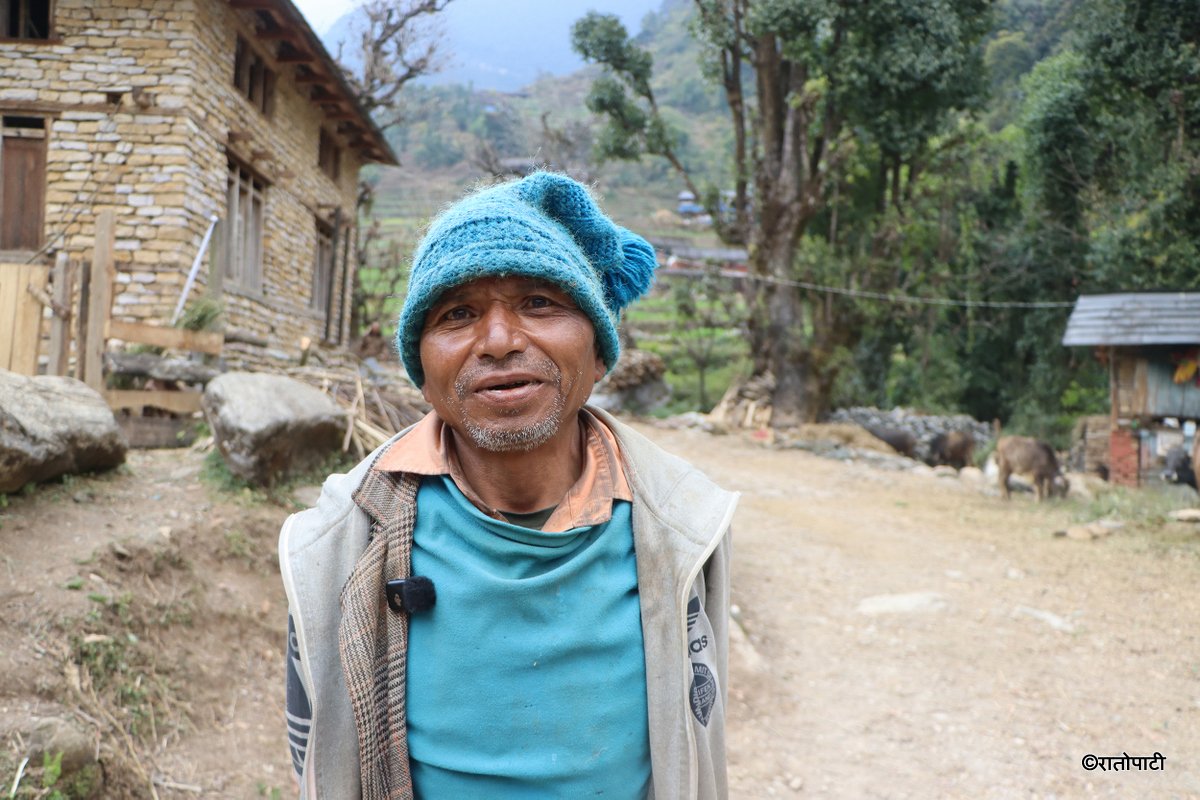
Nar Bahadur Basnet, 63, from Barahkhola, Tara Khola Rural Municipality-3, said that due to a lack of development, the village has become deserted due to migration. He complained that although leaders who come seeking votes during the election make many promises, they never return to the village after winning the election.
He said, ‘We do not have high expectations from the leaders. Such a beautiful village has become deserted. Everyone has moved to the city. It would be good if they could create an environment for people to stay in the village. They come to touch our feet when asking for votes during the election. They say they will do this and that. After winning the election, they do not show their faces.’
Basnet stated that the migration abroad and displacement from the village occur because farmers and youth who wish to engage in agriculture and entrepreneurship in the village are not encouraged. Basnet said that the public is looking for leaders who deliver results, not those who make false promises.
He said, ‘There are no opportunities in the village. We do not have high expectations from leaders. It would be enough if they could create an environment for us to stay in the village and start enterprises. We heard many sweet words from leaders in previous elections. Now we need commitment; we want to stay in the village. We need leaders who can create that environment.’
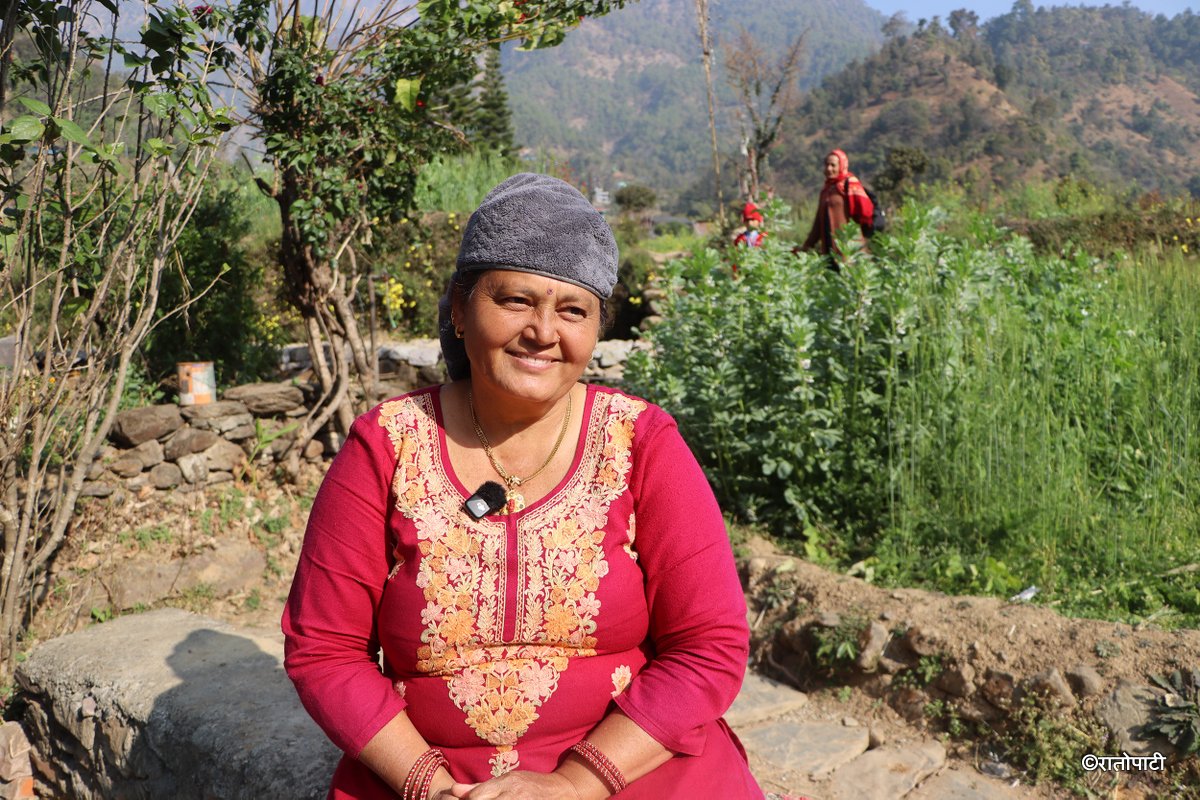
Sita Khadka, 47, from Galakot Municipality-7, said that candidates who bring policies to provide employment to the youth in the village should be elected. She complained that the leadership that came to power in the past did not pay attention to the needs and demands of the people at the village level. She believes that migration abroad and displacement can only be stopped if small and medium-sized entrepreneurs in the village are encouraged.
‘Due to unemployment, there is a compulsion to move away from families and migrate abroad. What will be the future of the children if their parents are not at home?’ she questioned. ‘Many young men and women from the Galakot area are abroad. Their young children are left stranded here. Who would want to go abroad if employment was provided here?’
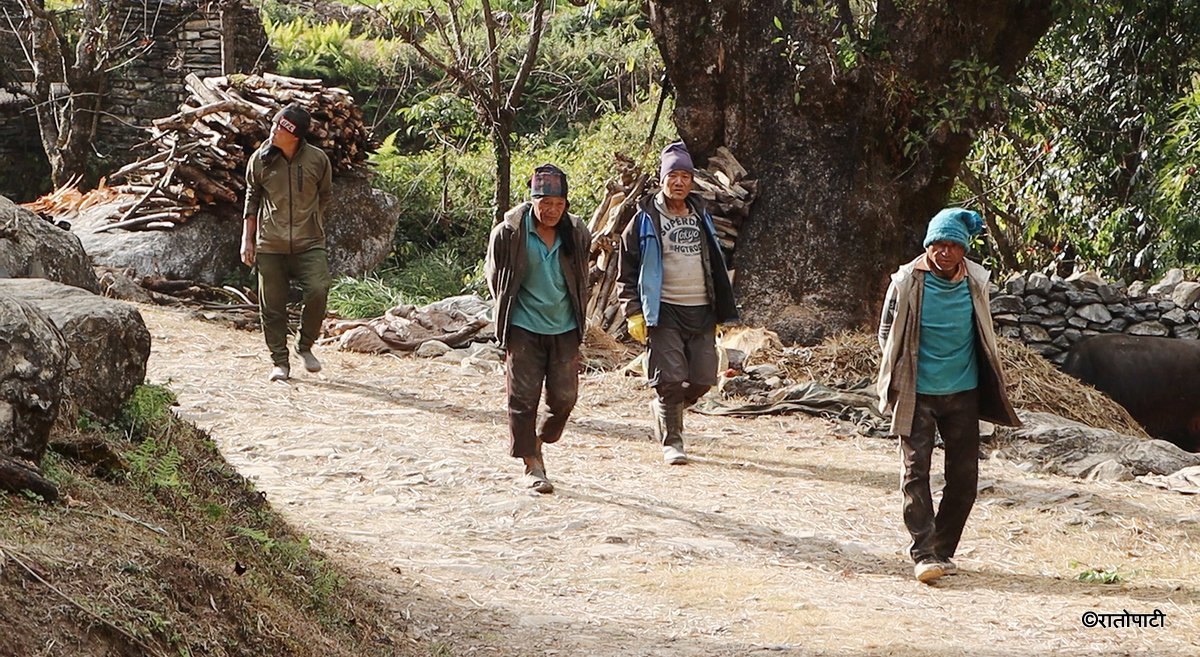
Thambhadur Pun, 67, from Nisikhola Rural Municipality-5, said he would vote for a leader who could arrange for the marketing of farmers' produce. He stated that although many farmers produce vegetables and fruits worth tens of lakhs every year, they cannot get fair prices due to a lack of market access. Pun mentioned that he has been participating in voting continuously for two decades, but he has not found a leader who fulfills the demands of the farmers so far.
He said, ‘Now, even when elections come, it feels tiresome. The leaders we voted for do not understand our problems. We only became the ones who elect them; in the past, we used to leave our household chores to support leaders, they won elections, became ministers, and our problems remained the same. Now, we will only vote for those who work for the farmers.’
- Voters who have only received assurances from Mukhiyas and Pradhanpanches
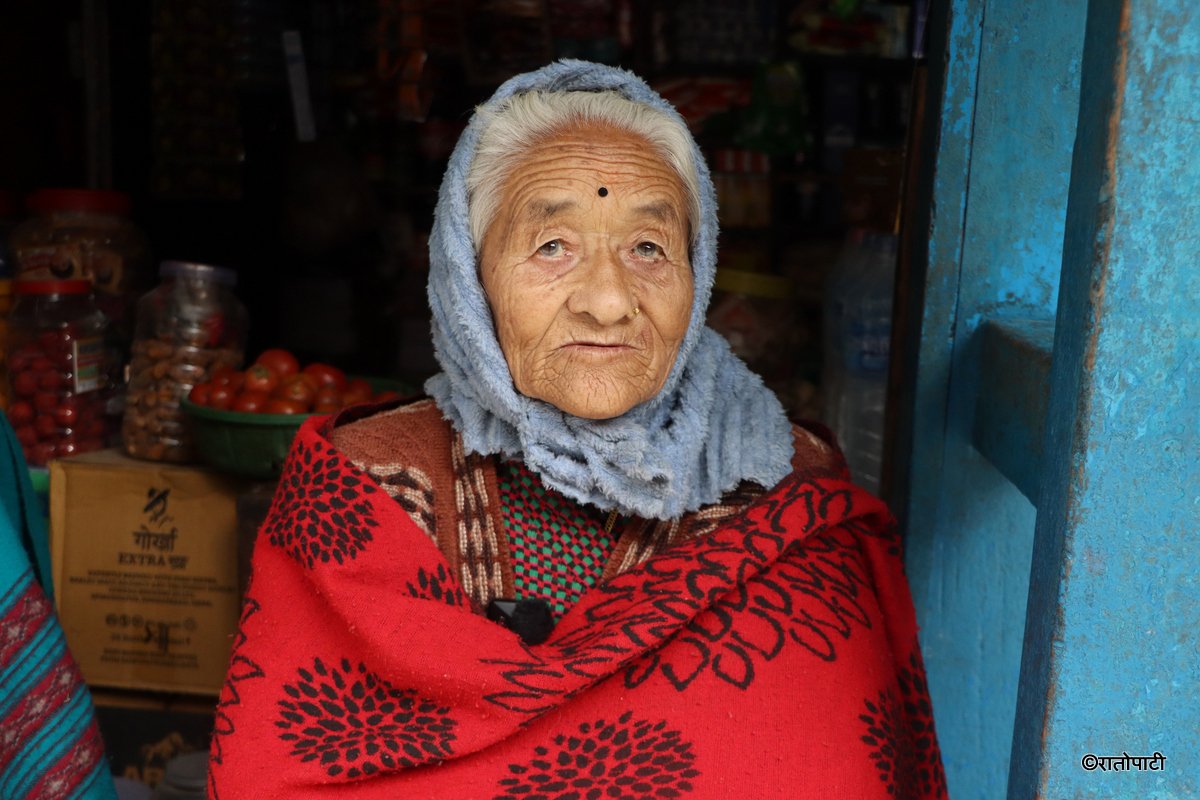
Gomati Karki, 81, from Ghusmeli village, has been voting for decades. She is also voting in the upcoming election. Karki, who voted for Mukhiyas, Jimmals, and Pradhanpanches, complained that she has never found a leadership that worked honestly in the interest of the people.
‘The election system has changed compared to the past. The way of voting was also different then. There were Jimmals. Then there were Pradhanpanches. Now parties have come. Everyone said they would work. But no one could do the work,’ she said.
She recalled that forty years ago, the agendas brought forward were to widen footpaths, donate food to the poor, and manage water wells and taps. She noted that electoral agendas have also changed with time.
She said, ‘The habit of leaders then and now is the same. They come when they need votes, and then they disappear. Some facilities have improved compared to those days. Roads have been built, but people are not staying in the villages. Our age is over. It would be good if they did well for our sons and grandsons. Nobody lives in the village; the village has become empty.’
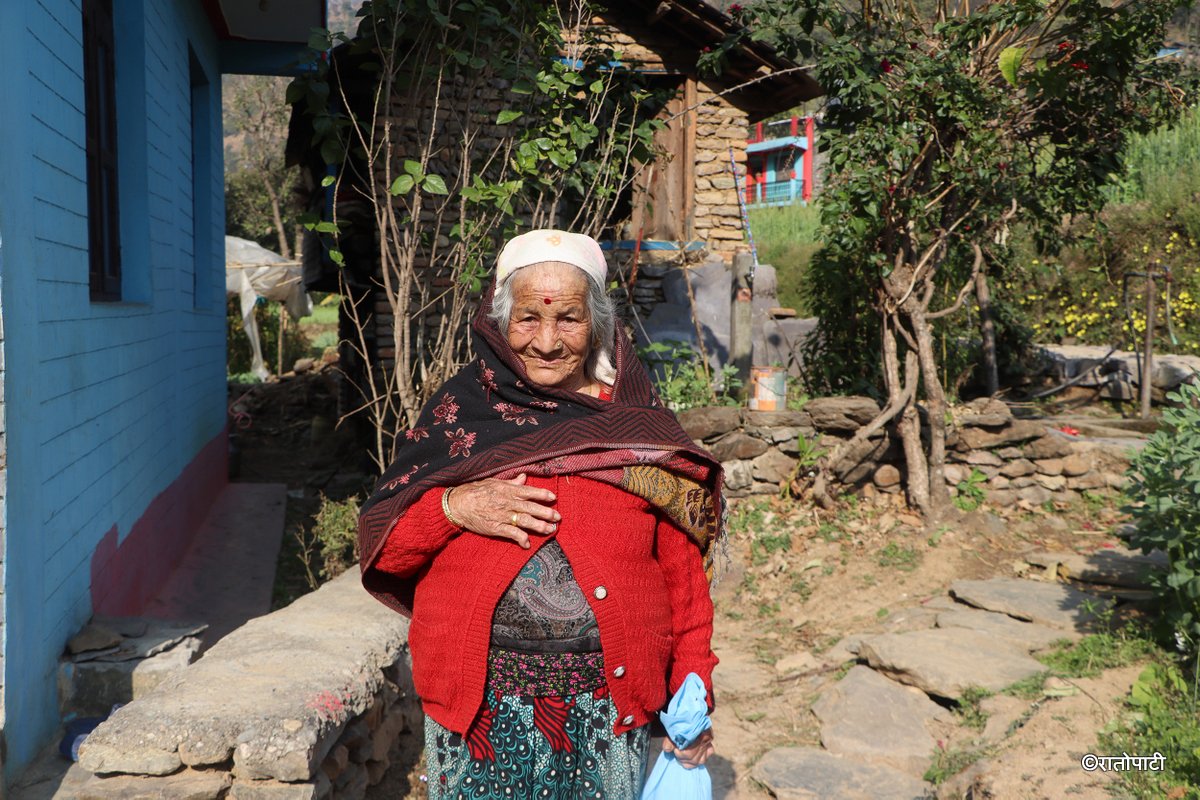
Tulki Thapa, 85, from Galakot Malsum, recalled that there was a lot of deception during elections even during the Panchayat era. She said that the practice of making various excuses to ask for votes has been going on since the past. She stated that development has occurred compared to the past. Although motorable roads, drinking water, and electricity have reached the villages, she complained that health and education have not improved well. She believes that nearby schools and hospitals should be good.
She said, ‘In our time, there was no custom of reading and writing. People did not go to the hospital when they fell ill. Now that era has changed. There is a need for good education and good treatment. Development should happen according to the times. There has been much development compared to 20 or 30 years ago.’
This specific news has been automatically translated by AI. As a result, there may be some inaccuracies or language errors.