Sunaha Community in Kanchanpur Expresses Apathy Towards Upcoming Elections, Citing Lack of State Recognition


Kanchanpur. The Sunaha community residing in Wards No. 12 and 13 of Bhimdatta Municipality in Sudurpashchim Province has shown little interest in the upcoming House of Representatives elections.
This endangered minority community has been demanding that the state list them in the minority category. The community complains that because they have not yet been listed, they are unable to receive the reservation benefits provided by the state.
Local resident Mohanlal Sunaha states that due to the lack of reservation for higher education, employment, and various other services, they are forced to compete in the general category.
He laments that even though his community is on the verge of extinction, the state shows no interest in arranging reservations for its conservation and participation in various bodies. He questioned, 'If our community members have to get government jobs, they must compete in the general category. How can our children, whom we educate in government schools and colleges through daily wage labor, get opportunities by competing in the general category?'
Mohan Sunaha from the same area complained that leaders from various parties have repeatedly assured them of listing them as a minority caste, but these promises have not been fulfilled. 'Almost all parties committed to listing us,' he said. 'But nothing has been achieved so far. We haven't even heard any party or leader raise our voice.'
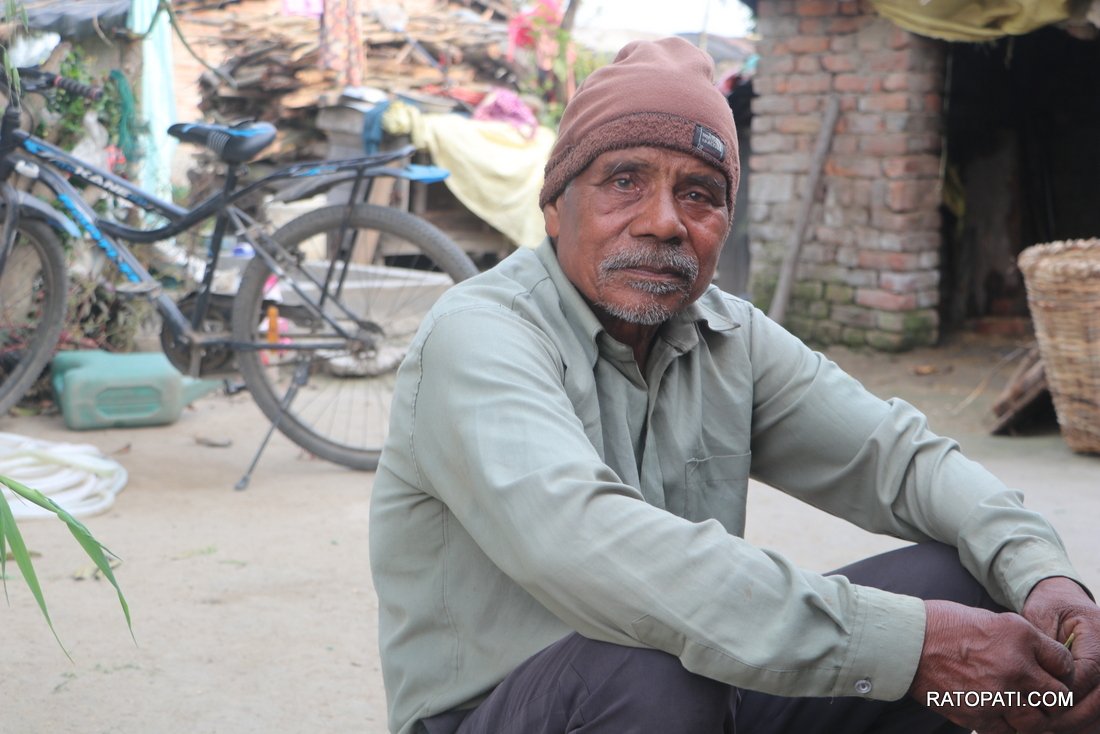
Mohan pointed out that it is a major discrimination that the Raute community, also an endangered caste, receives social security allowances from the state, while they, who are also on the verge of extinction in the same state, have not yet been listed.
Chandrakala Sunaha shares similar grievances. She complains that despite local, provincial, and federal governments launching various grants and skill-based training programs, no one pays attention to them. 'It is difficult for citizens like us, who do not have much land, to feed ourselves without daily wage labor,' she said. 'We hear about grants coming under various titles here, and opportunities for various skill-based training, but no one informs us about them. It seems only the affluent benefit from such facilities.'
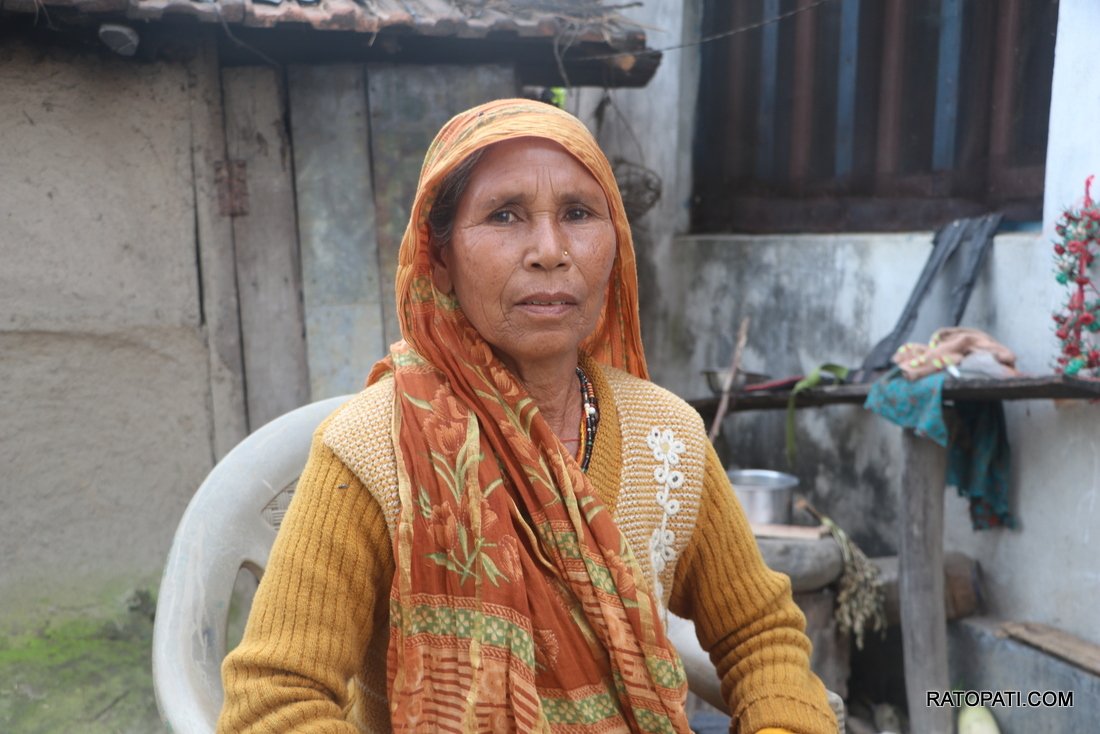
Chandrakala also complains that although they occasionally hear about the government running a campaign to remove thatched roofs, they still have to live under thatch. 'I hear grants have arrived somewhere,' she said. 'When we inquire, they say the budget is exhausted. The affluent take the corrugated sheets. No one looks after poor people like us.'
Although their ancestral profession was panning for gold in rivers, the community residing in the Bhimdatta Municipality area currently sustains themselves through daily wage labor. Mohanlal stated that even after educating their children through hard labor, they are forced to compete in the general category when opportunities arise because their caste is not listed as a minority community.
'Dozens of castes have been included as Janajati in Nepal, and many castes are listed as Dalit,' he said. 'They receive reservations, but because we are not listed, we cannot get reservations in state bodies.'
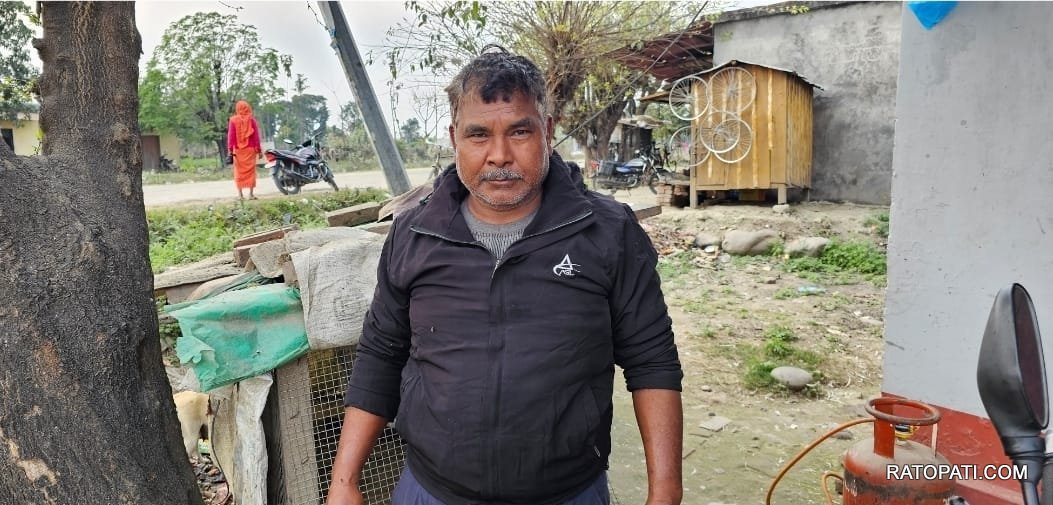
Mohanlal complains that the state is discriminating against them in a way. 'There were so many parties in the parliament. There were representatives we elected and sent,' he said. 'While in office, they paid no attention to our problems. Only when elections come do they need us.'
Mohanlal stated that due to the neglect of the parties, they have not been listed as a minority caste, asking, 'How long and why should we keep voting for these discriminators who have discriminated against us?'
The total population of the Sunaha community in Bardiya and Kanchanpur is around 1100. There are 84 families of this community in Kanchanpur.
- Special Temple in Every House
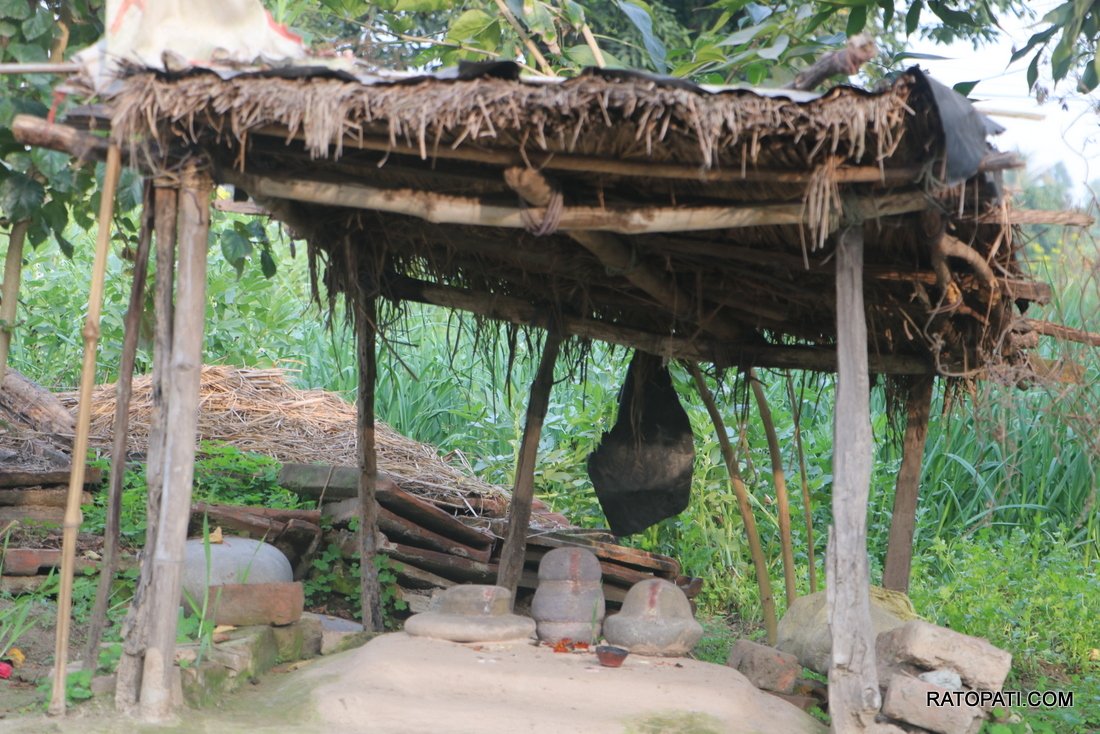
This community, which follows Hinduism, builds and worships a special temple of Bholenath (Shiva) and Bhagwati in front of their courtyard daily.
'We are special devotees of Bholenath and Bhagwati,' Chandrakala said. 'We do not worship during periods of impurity or mourning, otherwise, we worship daily by offering milk and lighting incense at the temple in front of our courtyard.'
This specific news has been automatically translated by AI. As a result, there may be some inaccuracies or language errors.
_OmeV4uvYg3.jpg)