Independent Power Producers Warn Government of Nearly NPR 200 Billion Investment Risk in Electricity Sector


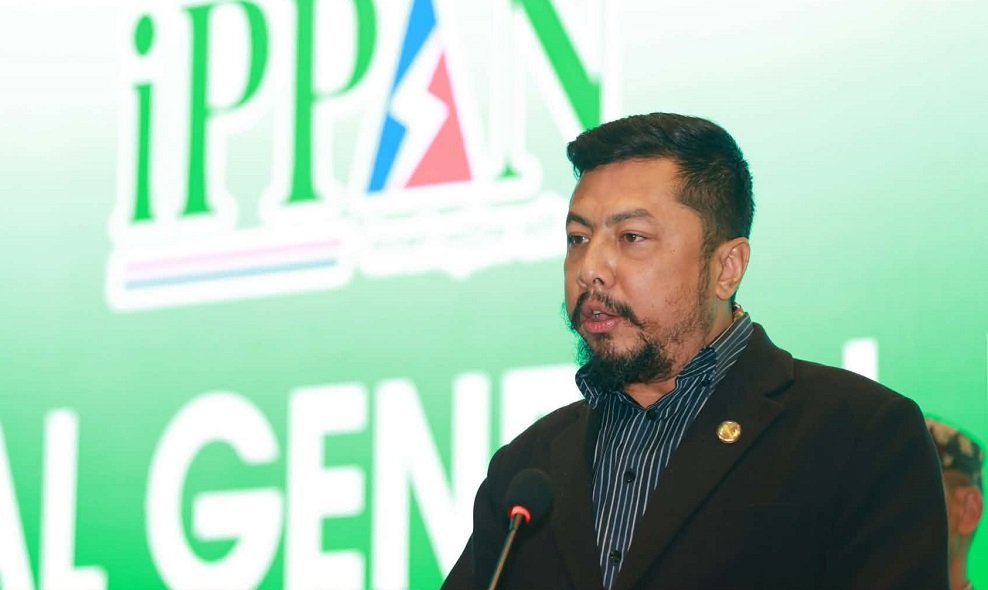
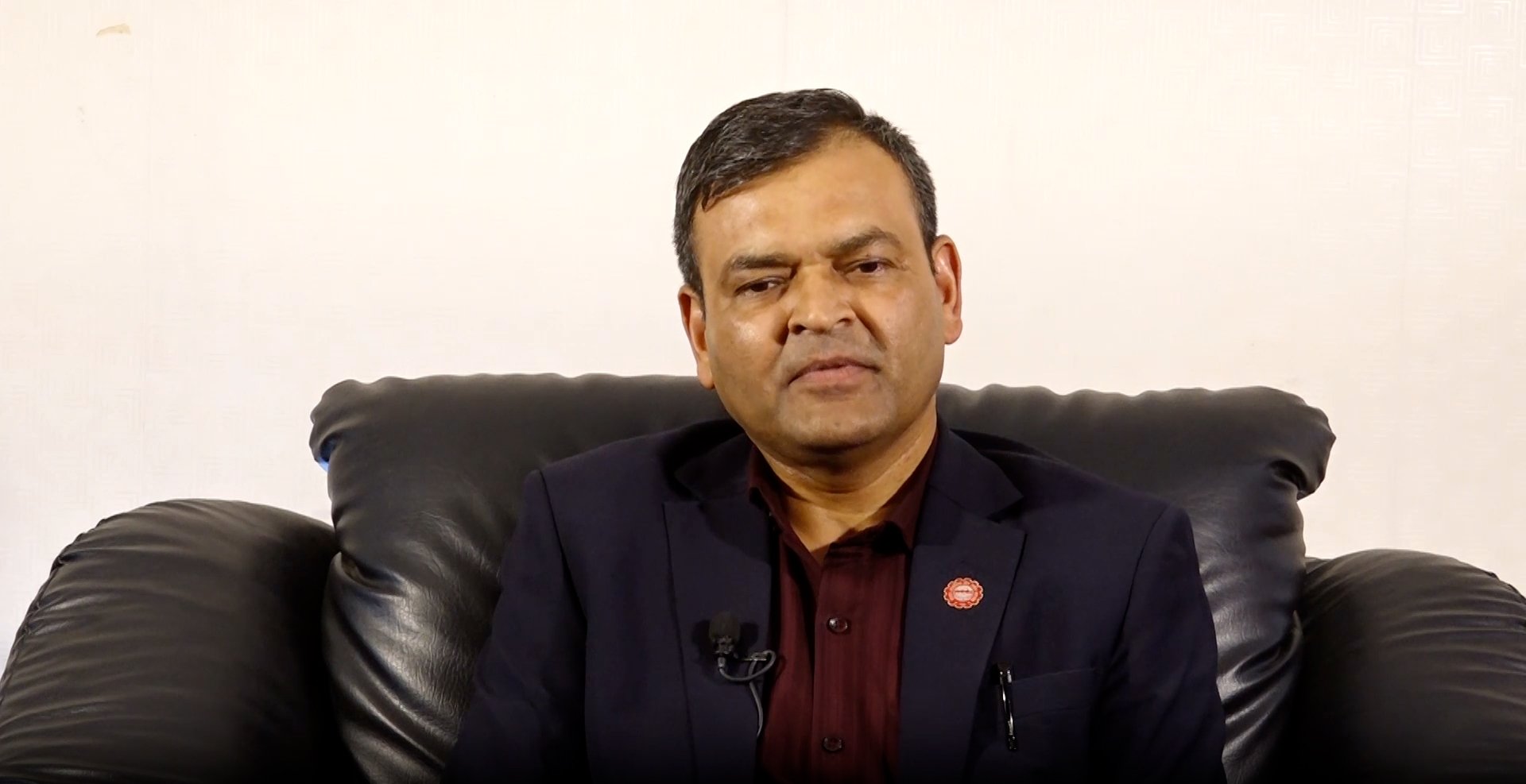
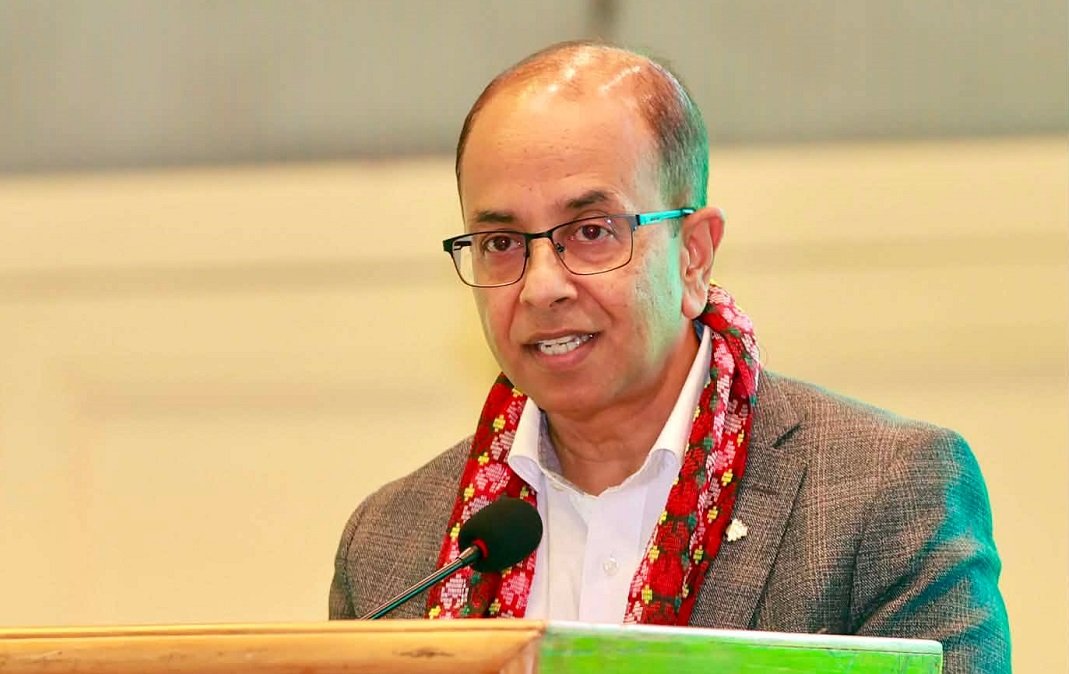
Kathmandu. Ganesh Karki, President of the Independent Power Producers' Association Nepal (IPPAN), has drawn the government's attention to the risk facing nearly NPR 200 billion invested in electricity licenses. He warned that uncertainty in Power Purchase Agreements (PPAs) and a lack of policy reforms could lead to the collapse of the energy sector.
President Karki stated that the private sector's significant investment is in jeopardy because, despite the government issuing licenses for electricity generation, there is no assurance that the produced electricity will be purchased. He informed that projects totaling approximately 36,000 megawatts have already obtained licenses, with over NPR 200 billion already spent on the preliminary processes of these projects.
Highlighting the significant gap between licenses and PPAs (Power Purchase Agreements), President Karki expressed dismay that while licenses for 36,000 MW have been issued, PPAs have only been secured for just 12,500 MW. He noted that if the government fails to guarantee the purchase of electricity or halts the PPA process, not only will more than 100 license-holding developers suffer, but the banks and financial institutions connected to them are also facing the risk of collapse.
IPPAN has emphasized the need to resolve policy bottlenecks concerning 'Open Access', 'Wheeling Charge', and transmission line construction for the development of the energy sector. Karki demanded that if the government or the Nepal Electricity Authority cannot purchase all the electricity, the private sector must be given an 'exit' route to sell electricity directly in the domestic market and internationally.
Stating that long-term energy sector plans have been affected by political instability and frequently changing governments, he urged the incoming government to consider energy as the main foundation for national prosperity.
This specific news has been automatically translated by AI. As a result, there may be some inaccuracies or language errors.