AI Experts Resign Amid Fears Over Uncontrolled Technological Advancement and Societal Risks


The development of AI is rapid and unpredictable, yet there are no common rules or mechanisms to keep it under control. This is why experts are concerned.
In recent months, Artificial Intelligence (AI) has been in the spotlight for the wrong reasons. These include the use of 'deepfakes' to deceive people, the misuse of AI systems for cyberattacks, and incidents where chatbots have incited suicide.
Now, experts themselves are beginning to warn that the technology is spiraling out of control. Researchers working at major global AI companies have resigned in recent weeks, publicly sounding the alarm that the rapid pace of technological development is posing risks to society.
The 'doomsday theory,' suggesting that excessive AI development could threaten human existence, has long been discussed. According to critics, the development of 'Artificial General Intelligence' (AGI), which can think and operate like humans, could eventually wipe out humanity.
With billions being invested in AI, the fact that individuals tasked with ensuring its safety are resigning has further complicated the debate on how to regulate it and balance the pace of development.
- Is AI truly dangerous?
Liv Boeree, Strategic Advisor at the Center for AI Safety (CAIS) in the US, says, 'AI is neither inherently good nor bad. But its unlimited power comes with unlimited risk, especially given the speed at which it is being developed and deployed.'
Boeree compares AI to biotechnology. Just as biotechnology can create life-saving medicine, it can also be misused to create dangerous viruses. She states, 'If AI development had occurred at a pace society could absorb and adapt to, we would be on a safer path.'
- Why are experts resigning?
Recently, Mrinank Sharma, an AI safety researcher at the company 'Anthropic,' resigned. Writing on the social media platform 'X' on February 9, he stated, 'I resigned after repeatedly seeing how difficult it is for our values to guide our work.' He warned that AI development is outpacing human control and could lead the world into crisis.

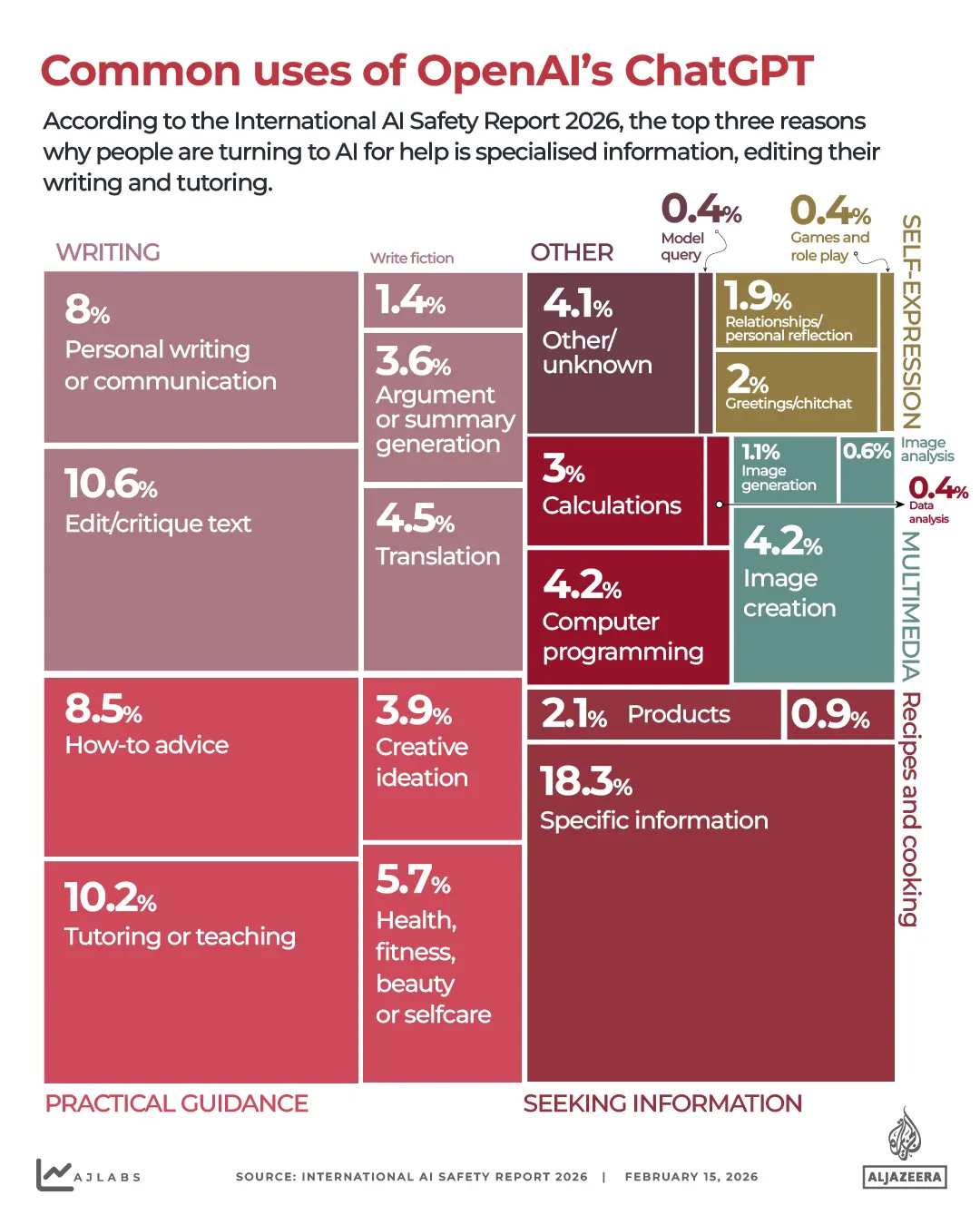
Similarly, Jo Hittzig, a safety researcher at 'OpenAI,' resigned in disagreement with the company's decision to test advertisements on ChatGPT. She said, 'People share their health problems, relationships, and secrets with chatbots. In such a situation, showing advertisements means influencing the user.'
Co-founders and employees have also left Elon Musk's company 'xAI.' Although the reason is not explicitly clear, controversies arose over their chatbot 'Grok' creating fake explicit images of women and making racist remarks.
- Is there a reason for us to be afraid?
Matt Shumer, CEO of HyperWrite, stated that by 2025, AI technology will have developed so rapidly that it will possess the capability to create superior writing and software on its own. He said, 'These are not minor improvements; this is something entirely different.'
According to Yoshua Bengio, Scientific Director at the 'Mila Quebec AI Institute,' theoretical risks such as cyberattacks and the creation of dangerous viruses have already materialized in the past year. Psychological problems are also emerging as people become emotionally attached to AI chatbots.
- Is AI taking our jobs?
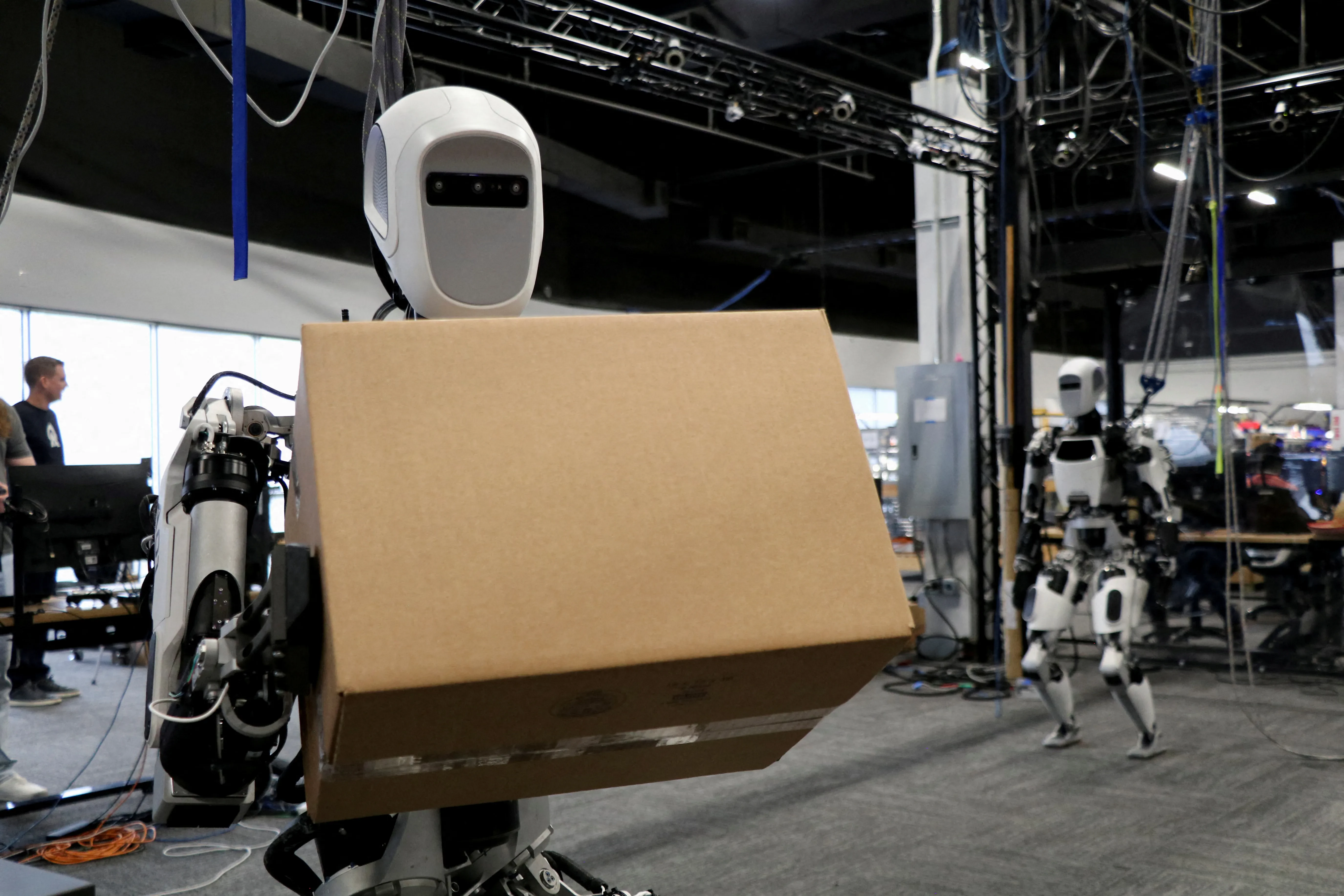
With the development of AI, concerns about job displacement are increasing as machines begin to perform complex human tasks. According to the 'AI Safety Report,' approximately 60 percent of jobs in developed countries and 40 percent in developing countries could be at risk due to AI.
According to Mustafa Suleyman, CEO of Microsoft AI, 'white-collar' jobs such as lawyers, accountants, project managers, or marketing could be fully automated by AI within the next 12 to 18 months. Journalism has also been severely affected, which media entrepreneur Mercy Abang has termed an 'apocalypse.'
- Real Incidents and Risks
In recent months, incidents of negative AI use have increased. In 2024, a teenager in the UK committed suicide after being incited by a chatbot based on a 'Game of Thrones' character.
Furthermore, countries are using AI for cyberattacks and espionage. Israel has used AI weaponry to track and target Palestinians in Gaza, where more than 72,000 Palestinians have been killed in the past two years.
- Lack of Safety and Regulation
Although AI companies are attempting risk mitigation efforts, the pace of regulation is significantly slower than development. Experts suggest that AI companies are merely pressing the 'accelerator' in a car without 'brakes' or 'steering.'
Experts recommend that governments take this seriously and establish strict policies for regulation. It has been pointed out that the same level of global effort needed to control the risks of AI is required as was mobilized for climate change.
This specific news has been automatically translated by AI. As a result, there may be some inaccuracies or language errors.