EU Leaders Meet to Chart Course Amid US Trade Pressure, Chinese Strategy, and Russian Threats
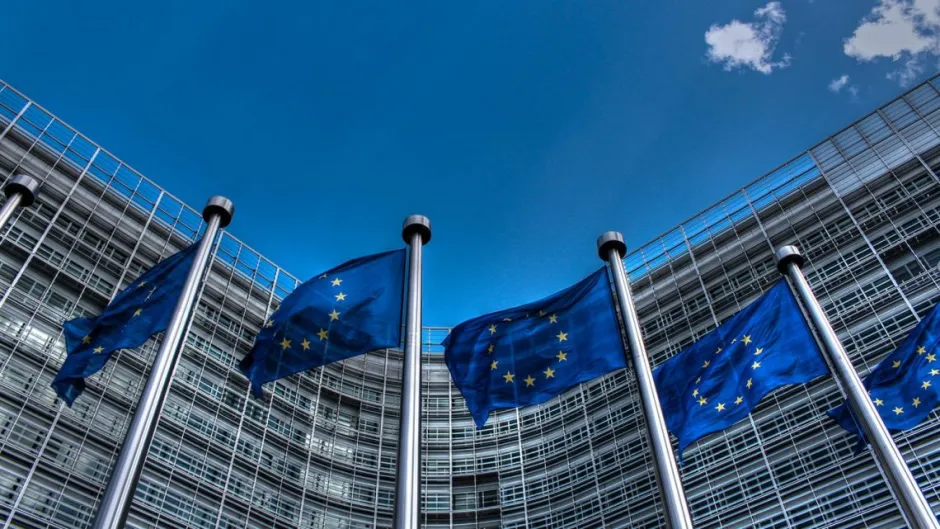
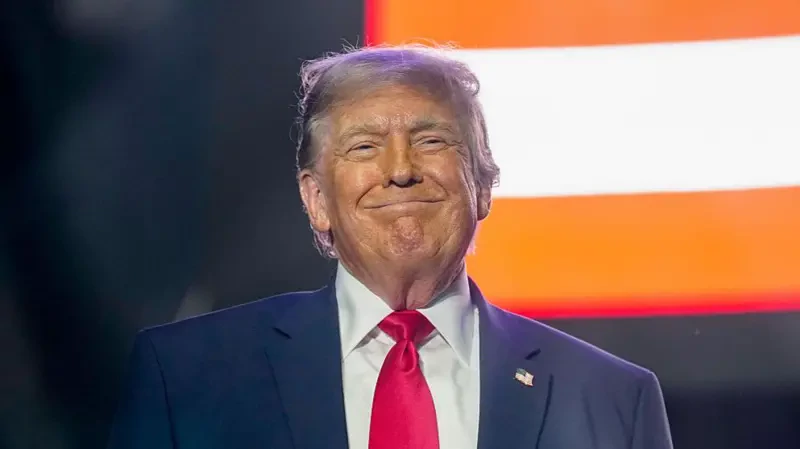
Kathmandu. The leaders of the 27 nations of the European Union (EU) convened for a strategic meeting at the historic Alden Biesen Castle in Belgium on Thursday, confronting trade pressure from US President Donald Trump, China's aggressive economic strategy, and the hybrid threat from Russia. Growing geopolitical challenges have forced Europe to reconsider its approach to diplomacy, defense, and trade.
Belgium's Prime Minister Bart De Wever expressed the gravity of the situation, stating, 'Everyone knows we need to change course, but sometimes it feels like standing at the ship's helm without being able to grasp the direction.' The discussions on Thursday are expected to formulate concrete proposals for another summit scheduled for the end of March.
German Chancellor Friedrich Merz and Italian Prime Minister Giorgia Meloni advocated for reviving relations with Washington and advancing a deregulated and open economy through more trade agreements, similar to those with Mercosur nations in South America. Merz stated, 'We must reduce regulation in every sector.'
However, disagreements have emerged with French President Emmanuel Macron on this issue. There is a dispute over what proportion of defense spending must be procured from EU arms companies. Macron argued for prioritizing European companies, while Merz and Meloni suggested keeping procurement open to both foreign and European sources.
Macron has publicly advocated for protecting industries by implementing 'European preference' in cleantech, chemicals, steel, the auto industry, and defense sectors. In an interview with international media, he noted, 'The Chinese and Americans protect their industries; we must do the same.' He believes that Europe, facing unfair competition, must adopt protective policies in strategic sectors.
Leaders are also discussing new financial instruments to protect EU interests in the global trade system, particularly in light of Trump's tariffs and China's restrictions on critical mineral exports. Macron reiterated his proposal to challenge the dominance of the dollar by raising collective debt through 'Eurobonds for the future.'
Meanwhile, Germany and Italy have called for reducing administrative red tape from the European Commission, strengthening the single market, and advancing an ambitious trade policy based on common rules. This vision aligns with European Commission President Ursula von der Leyen's economic security agenda, who stated that economic power is the basis of influence on the world stage.
According to an official Eurobarometer survey, citizens are expecting a more robust and integrated European leadership amidst military, economic, and climate risks. Professor Alberto Alemanno of HEC Paris noted that this is an opportune moment for European leaders to materialize the demand for broad European action.
This meeting signals a redefinition of the EU's future direction, economic self-reliance, and security strategy.
This specific news has been automatically translated by AI. As a result, there may be some inaccuracies or language errors.