Voters in Rupandehi's Marchawar Region Demand Action Over Infrastructure and Agricultural Woes Ahead of Elections

Butwal. Majhgawan Chowk, located in Ward-5 of Kotahimai Rural Municipality in Rupandehi, is known as the main junction of the southern Murchawar region. Small businesses such as tea and sweet shops, vegetable trade centers, and bicycle repair shops operate here. There is a hustle and bustle of people from early morning, especially many commuting by bicycle.
This junction, falling under Rupandehi Constituency No. 4, is currently heated up by the fervor of the House of Representatives elections. Casual chats in fields, tea stalls, and resting places have now begun to focus on candidates, development, and the future.
When a Ratopati correspondent reached Majhgawan Chowk around 9 AM, some men at a tea stall were seen engrossed in political discussions while sipping tea and smoking cigarettes. Upon being introduced as journalists, they were reluctant to speak. They mentioned that if their names and photos were published, they would have to live among the candidates, and they feared potential discord based on caste or party affiliation.
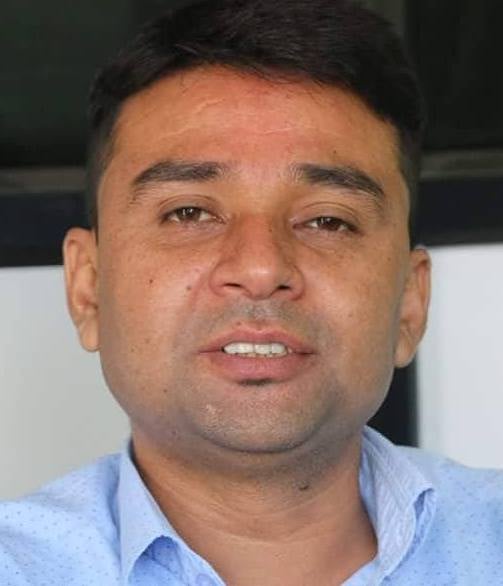
Anil Baniya, who has been running a snack house at the same junction for three years and is from Ward-2 of Kotahimai Rural Municipality, agreed to talk. He complained about the pathetic condition of the road in front of his shop.
Showing the dust accumulated inside his shop, he said, 'The road here is still unpaved. It becomes muddy even after a long spell of cold weather, and when it rains, it becomes completely impassable.'
He stated that the road from Majhgawan to Samaryamai is also unpaved, and the condition towards the inner villages is even more dire. He added, 'Although the candidates know the problems, they only promise road construction during elections. After the election, they forget. We have suffered constantly,' he lamented.
Ravidass Rahu, 44, from the same area, is a farmer. He pointed out the lack of irrigation facilities in his field.
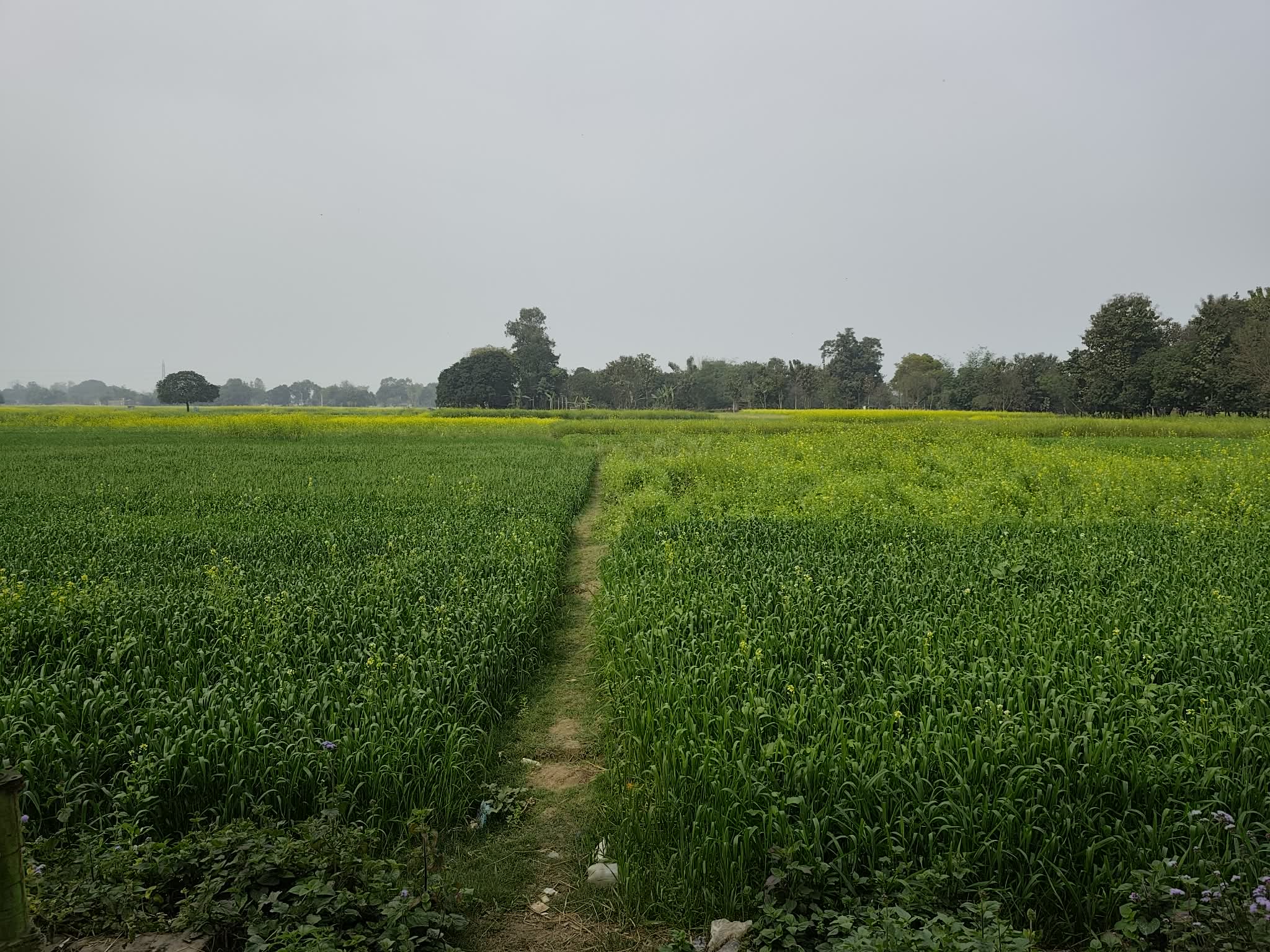
He mentioned that in an area with such high production potential, farmers could produce much more with continuous irrigation facilities, but they are dependent on rainwater for cultivation.
He shared the compulsion of having to bring fertilizer from India because it is unavailable in Nepal. He also complained that the police administration constantly harasses farmers when they bring fertilizer.
He said, 'We have voted many times, but the problems of irrigation and fertilizer remain the same. Elections come, leaders arrive, make promises, and then disappear.'
Twelve kilometers from that junction is the Samaryamai Agricultural Produce Center in Manjhariya. Radheshyam Kurmi from Ward-3 of Samaryamai Rural Municipality, met at that market, has brought his vegetables there.
He brings vegetables produced at home according to the season and sells them here. He revealed that the main problem for farmers is fertilizer, stating that due to the shortage of fertilizer, farmers cannot plant crops on time and cannot achieve high yields.
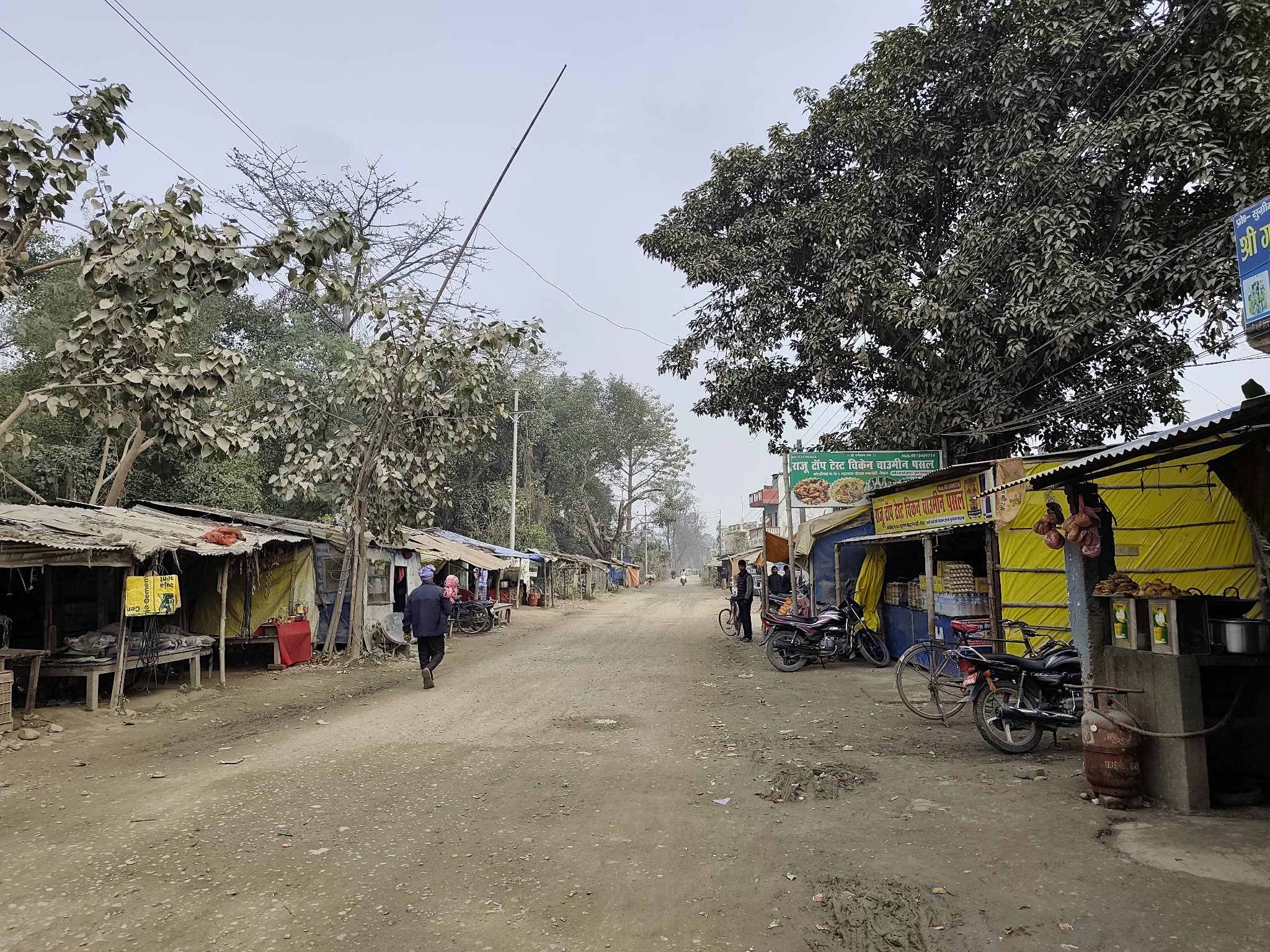
His complaint is the common voice of many farmers in Murchawar. They state that paddy and wheat production is declining due to the lack of timely water and fertilizer. Laxman Yadav, 27, from Ward-3 of Kotahimai Rural Municipality, considers employment the main issue. He said there are no employment opportunities here and that candidates are not serious about providing jobs to the youth. Yadav stated, 'There is no work after finishing studies. One must either go to India or the Gulf countries. Furthermore, there is no hospital here, only a basic health post, but no doctors. We are forced to go to Bhairahawa to buy medicine,' Yadav explained.
This time we will vote for those who work
Laxman Yadav, who works for a private company in India, said that the residents of Murchawar need clear plans and accountability more than speeches.
Another youth, Anil Yadav, says he will only vote for candidates who visit Murchawar from time to time to solve problems, even after winning.
He said, 'After winning, they either stay in Bhairahawa or Kathmandu. We will not vote for such candidates; we will vote for the young candidates we meet in our neighborhood. We now need a leader who will work for Murchawar, not one who just talks.'
Radheshyam Kurmi from Ward-3 of Murchawar Rural Municipality says that leaders only appear during elections and abandon farmers when they face problems. He suggests that farmers should vote for leaders who will take the farmers' issues to the parliament.
He questioned, 'The leader who wins should at least understand these things. Otherwise, why should we keep voting for them?' Dharmendra Pal, a local, said that leaders know all the problems but have done nothing to solve them so far, and now he will only vote for a leader who understands his problems. 'Leaders change parties and come to ask for votes. They never listen to our problems, but we don't have to keep voting for them forever. We will vote for candidates who understand our problems and establish good governance in the country.' Another youth, Anil Baniya, said they are currently considering changing their vote and planning to vote for young and local candidates.
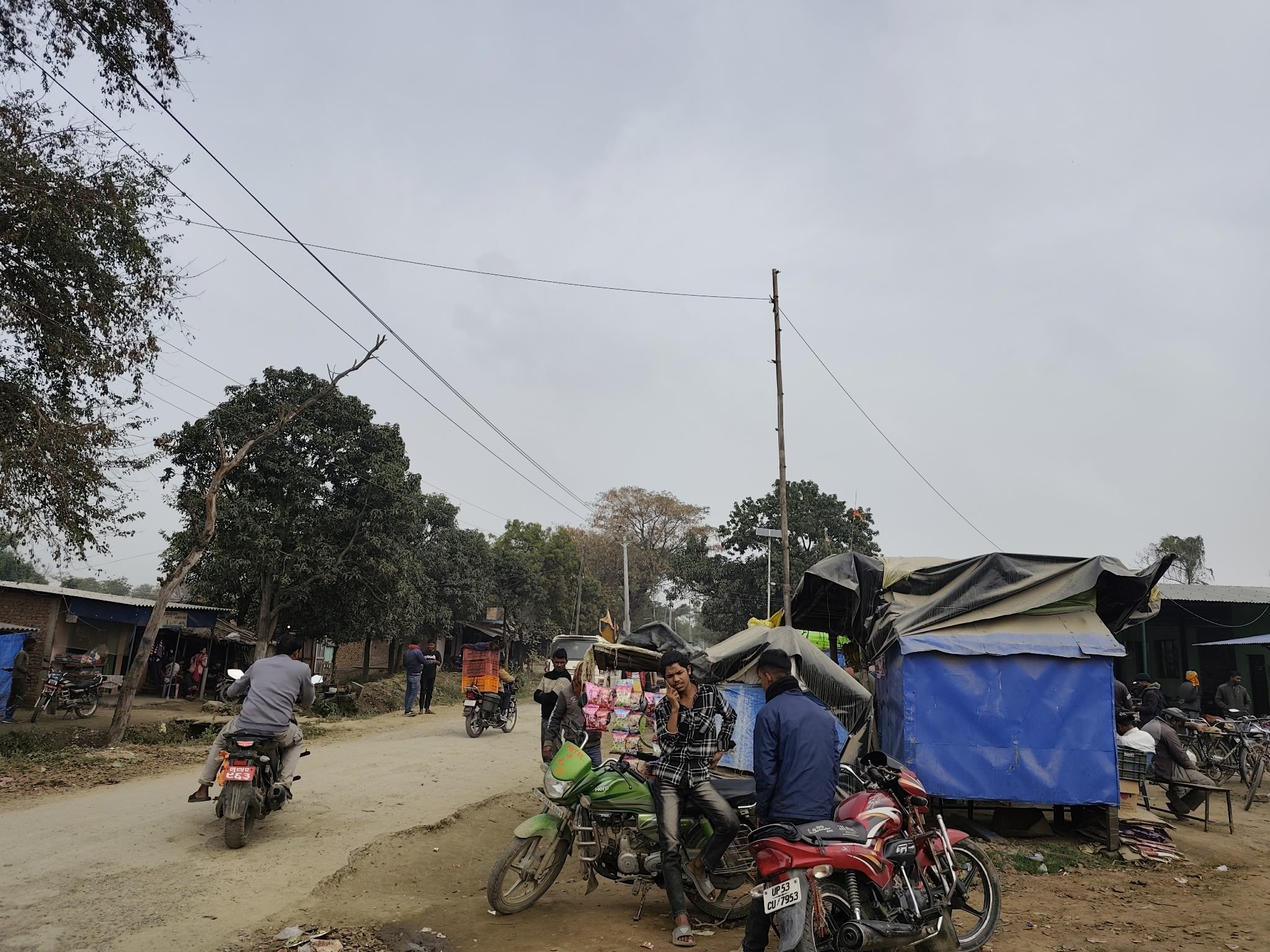
Although political parties and candidates are busy campaigning door-to-door in Murchawar, locals signal that they will no longer be swayed merely by slogans and flags.
They expressed anger that leaders in the past did not pay attention to the fact that the Murchawar region of Rupandehi district has been left behind in terms of development. They say that Murchawar residents must respond with their ballots to leaders who know the problems here but ignore them, only showing up during election time.
There is a mix of hope and despair in the minds of voters in Murchawar. Ram Mangal Pal, a trader at Majhgawan Chowk, said that although the wait for development has been long, they view this election as an opportunity for change.
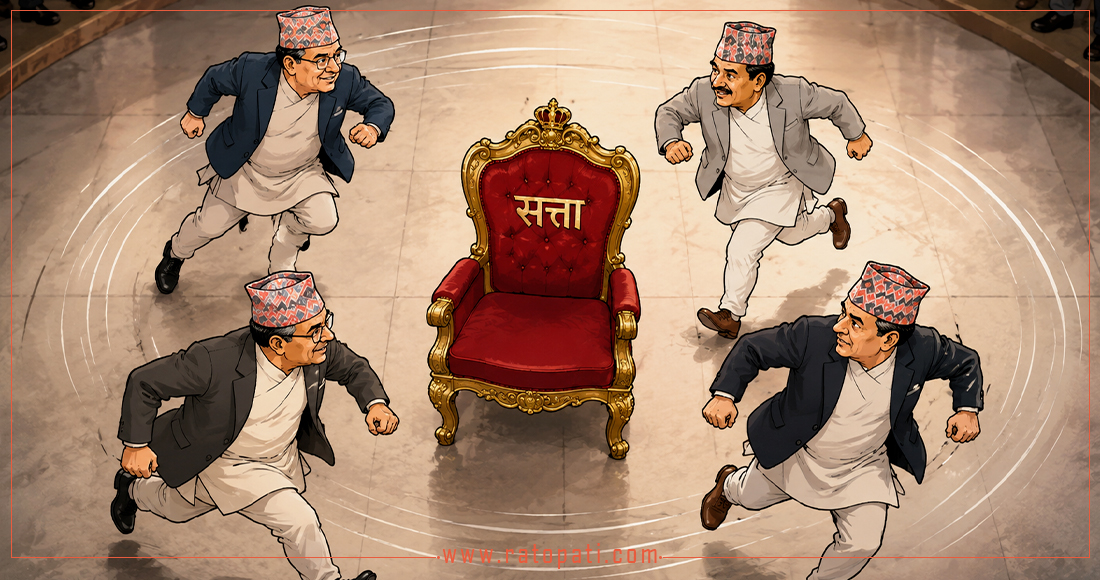
He mentioned that the main competition here is currently among four leaders—Sarvendranath Shukla from LSP, Pramod Yadav from UML, Bhupendra Yadav from Janamat Party, and Ashutosh Mishra from Nepali Congress.
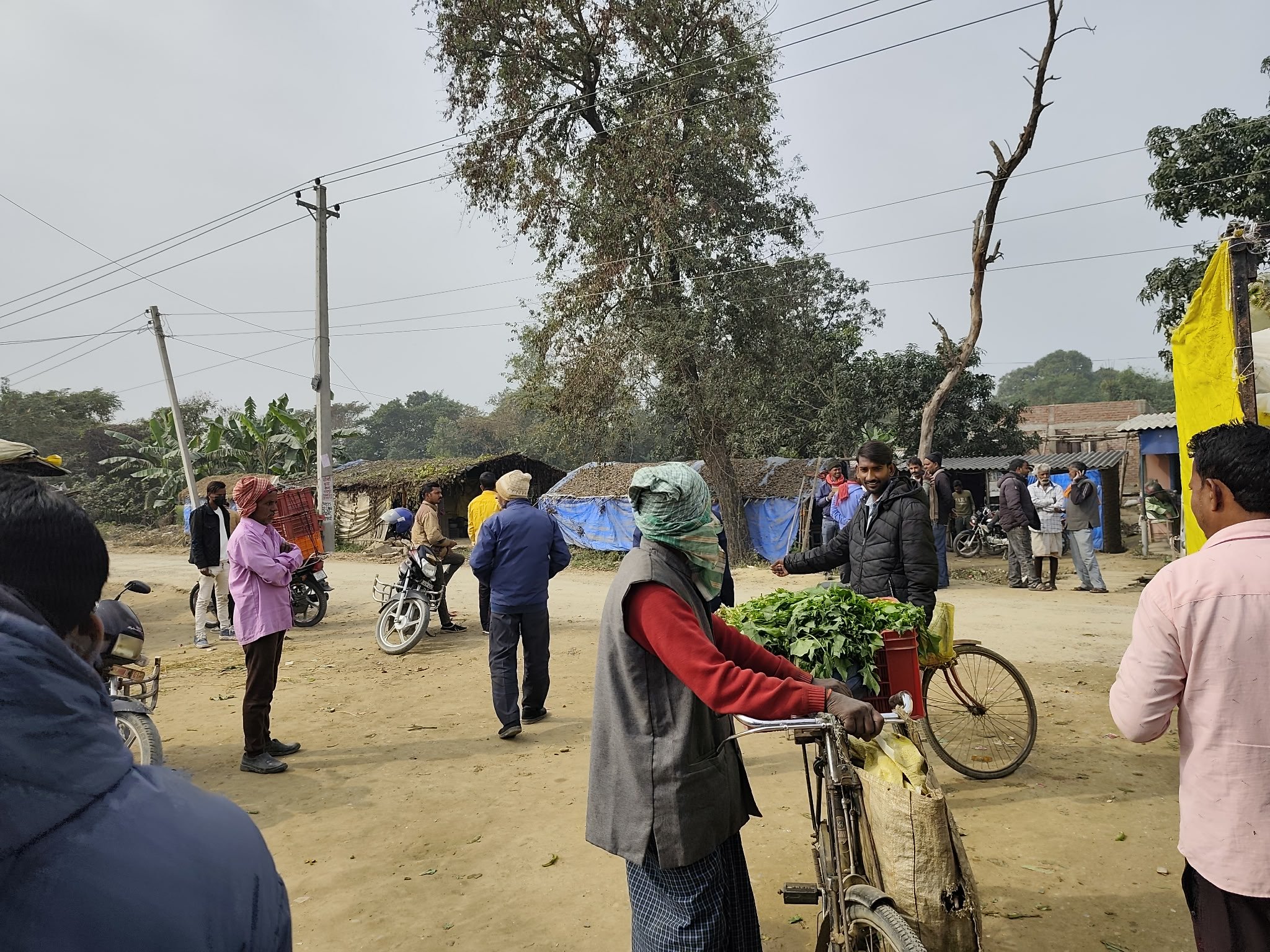
He compared the leaders appearing only during elections to the arrival of the month of Ashar (monsoon) for Murchawar farmers. He said that voters here have taken this as an opportunity to vote for a leader who will work for their development.
In the 2079 election, Sarvendranath Shukla of the Democratic Socialist Party (LSP) was elected as the House of Representatives member for Constituency No. 4 from here. He defeated Pramod Kumar Yadav of the Nepali Congress.
Currently, Yadav has switched parties and is a candidate from UML, while Ashutosh Mishra is in the field from Congress.
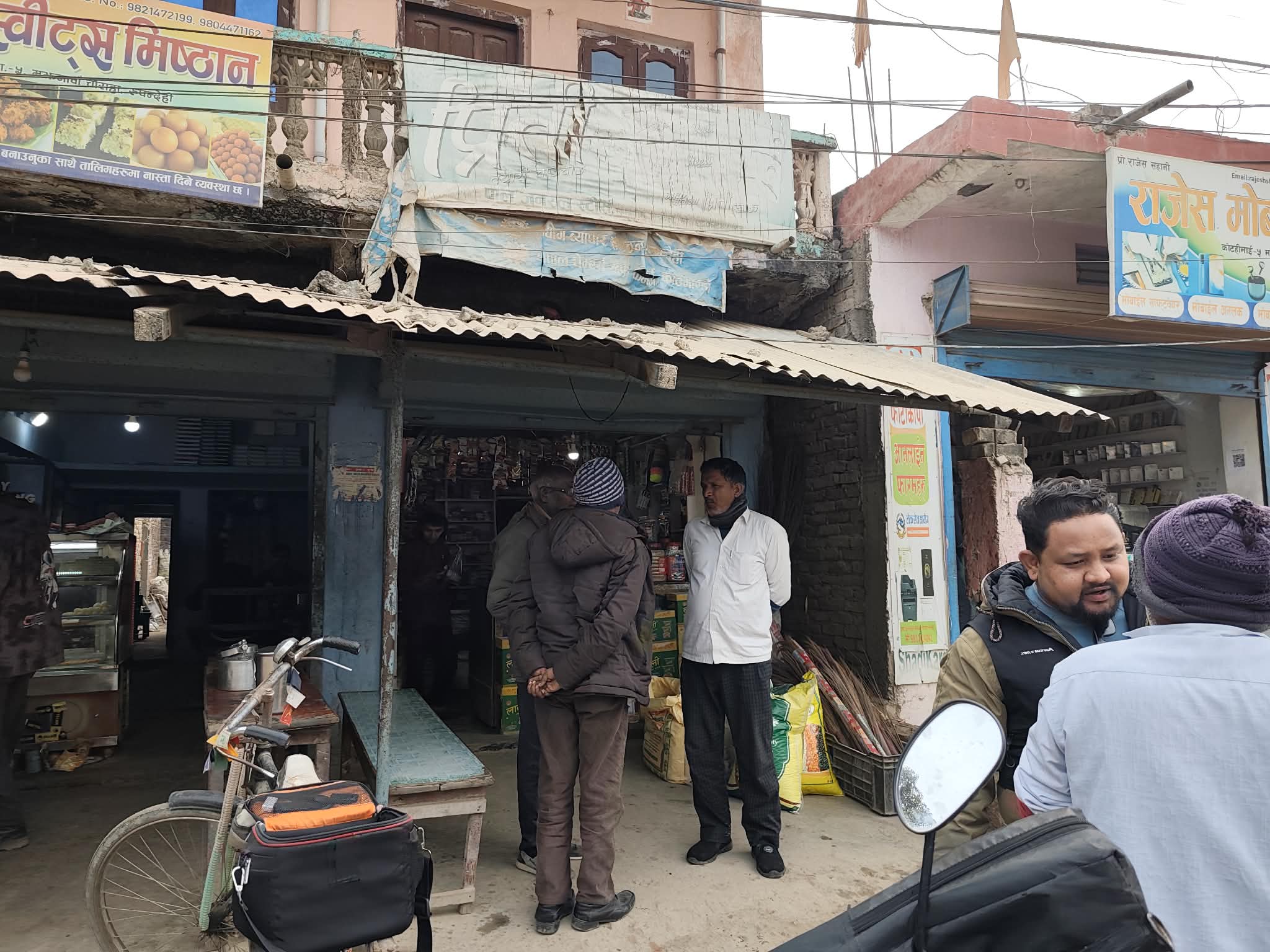
Similarly, Bhupendra Prasad Yadav of the Janamat Party, who finished third in the last election, and Kannaiya Baniya, who won the Provincial Assembly seat for LSP, resigned and became a candidate for RSP. It is estimated that the main competition will be among these four. However, there are 22 candidates in the field here. There are 116,172 voters in this constituency.
This specific news has been automatically translated by AI. As a result, there may be some inaccuracies or language errors.