E. coli Outbreak Detected in Chickens in Chitwan District

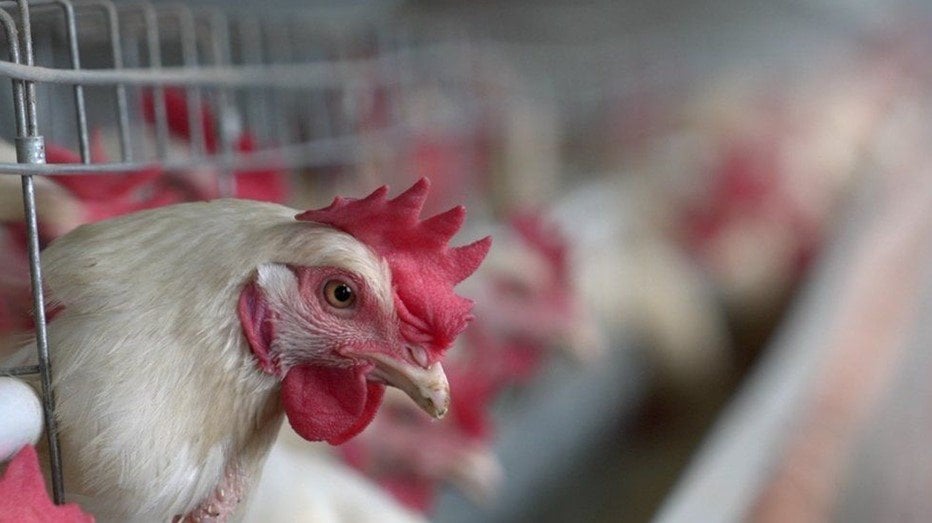
Chitwan. The problem of E. coli has been observed in chickens raised in the district. Out of 432 chickens tested at the National Poultry Disease Investigation Laboratory since the beginning of the current fiscal year in Shrawan, E. coli has been the most prevalent issue.
According to Dr. Bijay Kumar Shrestha, the head of the office, this disease was found in 62 percent of the tested chickens. He stated that the problem was identified by testing liver samples from deceased chickens. According to him, this disease is more commonly seen due to the use of contaminated water.
Along with this, Salmonella infection was found in five percent of the chickens. He mentioned that this disease can spread through the use of contaminated materials, feed, and water contamination.
Chief Shrestha suggested that the infection might have occurred because commercial poultry farmers are not paying attention to feeding practices. During the testing conducted by the office, infections of diseases such as Avian Influenza, Ranikhet, Gumboro, Infectious Bronchitis, and Chicken Anemia were also found in the chickens, he informed.
Out of a total of 94 chickens tested, 14 showed Avian Influenza; out of 35 chickens tested, six showed Ranikhet; and out of 53 chickens tested, 26 showed Gumboro infection, he provided information. Among 18 chickens tested for Infectious Bronchitis, one was positive, and among 92 chickens tested for Chicken Anemia, 30 showed infection. Chicken Anemia is tested using the ELISA technique.
Ranikhet and Gumboro are diseases caused by viruses. He stated that since both diseases are contracted due to the lack of biosecurity, farmers must adopt biosecurity measures.
The office has started testing chickens using the PCR method. Avian Influenza is tested from chicken swabs. He informed that 14 chickens were tested using this technique. He mentioned that this test makes it easier to detect diseases like Bird Flu. He added that no chicken in the district has shown Bird Flu so far.
This specific news has been automatically translated by AI. As a result, there may be some inaccuracies or language errors.