Nepal Achieves Near-Universal Electricity Access, Survey Shows Significant Gains in Connectivity

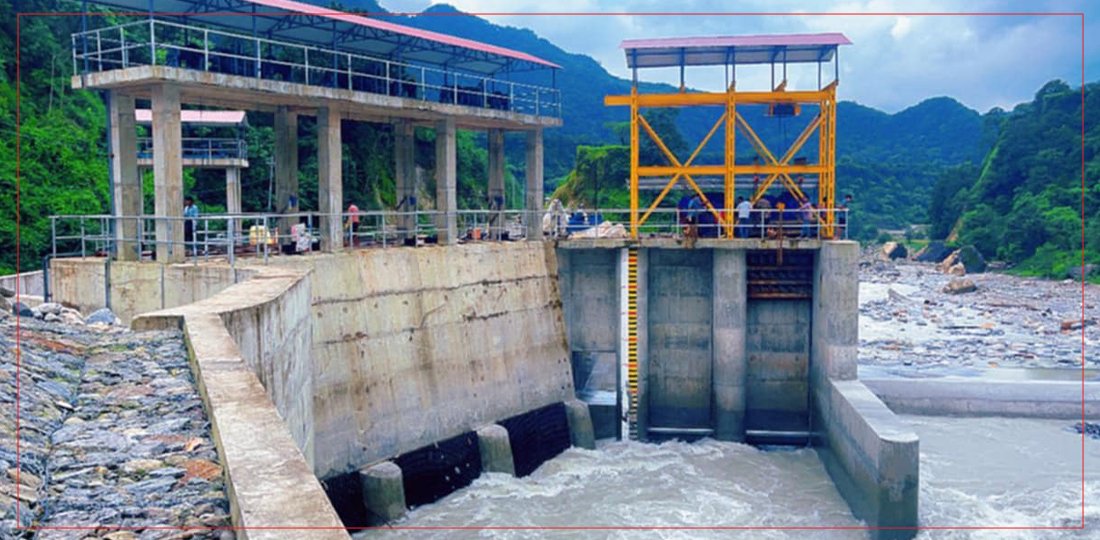
It has been revealed that 96.7 percent of households in Nepal now have continuous access to electricity service. The complete report of the Nepal Multiple Indicator Survey (NMIS) 2081/82, published by the Central Bureau of Statistics on Monday, shows a significant improvement in the country's energy access.
According to the statistics, Gandaki Province leads in electrification across provinces, with electricity reaching 99.5 percent of homes, while Karnali Province lags behind at 80.8 percent.
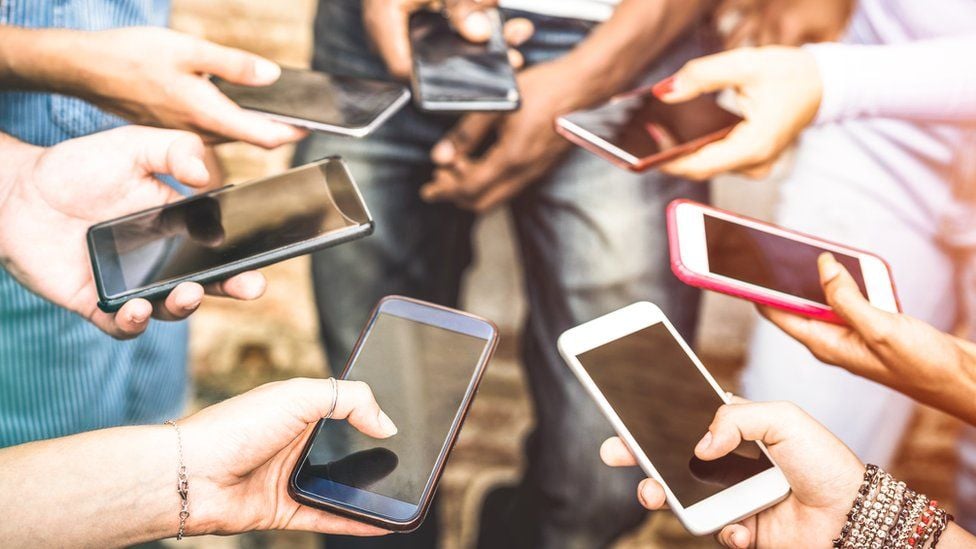
This survey, conducted with the technical and financial support of UNICEF Nepal, also confirms that Nepal has made great strides in the communication and technology sectors. The report indicates that telephone or mobile phone facilities have reached 95.5 percent of Nepali households.
Bagmati Province leads in communication access, while access in Sudurpashchim Province appears comparatively lower. With the increasing use of information technology, 82 percent of households in Nepal are currently using devices with internet access.
This survey, conducted primarily to understand the status of women and children, shows that the gender gap in mobile phone ownership still persists. Among women aged 15 to 49, 81.6 percent own a mobile phone, compared to 90.4 percent of men in the same age group. Looking at the number of mobile users in the last three months, 72.7 percent of women and 78.7 percent of men were active users.
This is the fourth Multiple Indicator Survey conducted in Nepal, which is expected to provide an important basis for monitoring the Sustainable Development Goals (SDGs) and measuring multidimensional poverty.
This survey, completed with the technical and financial support of the United Nations Children's Fund (UNICEF) Nepal, is believed to contribute concretely to monitoring SDG indicators and measuring multidimensional poverty.
This specific news has been automatically translated by AI. As a result, there may be some inaccuracies or language errors.