Maoist Faction Led by Biplav Returns to Electoral Arena After 12-Year Boycott
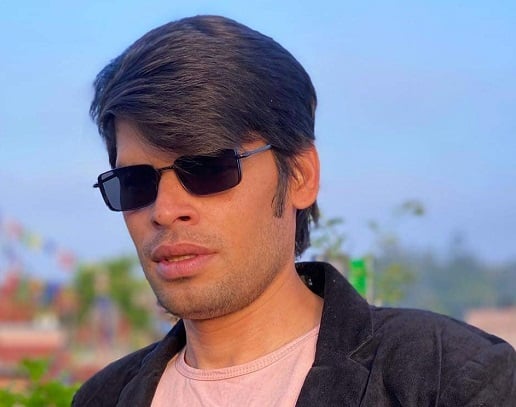

Kathmandu. After boycotting elections for 12 years, the Communist Party of Nepal (Maoist) led by Netra Bikram Chand 'Biplav' has returned to the field of parliamentary politics. The Maoist faction, commanded by spokesperson Khadga Bahadur Bishwakarma 'Prakanda', has fielded candidates in 130 constituencies for the upcoming House of Representatives elections.
The then main Maoist party, which abandoned the armed struggle for peaceful politics, participated in the first Constituent Assembly elections in 2064 BS. At that time, the Maoists became the country's leading force by winning a total of 229 seats: 120 in the first-past-the-post, 100 in proportional representation, and 9 nominated. However, following a two-line struggle between then-Chairman Pushpa Kamal Dahal 'Prachanda' and then-Vice Chairman Mohan Baidya 'Kiran' over the party's direction, the party split in Ashad of 2069 BS.
Leaders including Biplav and Prakanda joined the Kiran faction. Following the policy of boycotting parliamentary elections, the CPN-Maoist led by Kiran boycotted the second Constituent Assembly elections. Adhering to the same policy, the later formed CPN led by Biplav also did not participate in the 2074 and 2079 elections.
The Maoist faction, which abandoned the election symbol 'Hammer and Sickle' 18 years ago to focus on the 'United People's Revolution', is participating in the House of Representatives election to be held on Falgun 21 this time under the symbol of a 'Rose Flower'.
_pL2b82XoWu.jpg)
- Why did Biplav not enter the field?
As per the party's decision, General Secretary Biplav and some top leaders are not contesting the elections. A special central committee meeting held in Kapilvastu passed a policy to 'utilize' the elections. Although the party entered the electoral arena following this policy, the expected surge in support for the Maoists across the country has not materialized.
Anil Sharma 'Birahi', a standing committee member of the Maoists, states that they are trying to utilize this election more in terms of public service rather than focusing on winning or losing.

He said, 'When the party said let's go to the people, we couldn't refuse. There are various fronts in a struggle. Even if the electoral results do not come in our favor, it's fine; we will work again if it means we haven't reached the people. It's not an option to avoid elections just because we might lose. During the People's War, the fight was waged from various fronts; at that time, we succeeded in some fronts and failed in others.'
General Secretary Biplav, however, expresses skepticism about the fairness of the election. At a party polarization program held a few days ago, he had said, 'We have a resolve; under the leadership of Comrade Prakanda, we have fielded candidates in 130 seats. If the people understand, we will get a majority. If we cannot win this time, one month does not make winter; we might have to struggle for 10 or 20 years.'
Biplav refuted allegations that he is not participating in the election out of fear, clarifying that this is the party's previously announced policy.
- 'Heavyweight' Clash in Kalikot: Prakanda Faces No Easy Path
Spokesperson Bishwakarma, who is contesting for the House of Representatives from Kalikot-1 after 18 years since the peace process, appears confident of winning the election, but the path is not smooth. Bishwakarma was elected from this constituency in 2064 BS. However, after he left the party, CPN (Maoist Centre) has been consolidating its hold here.
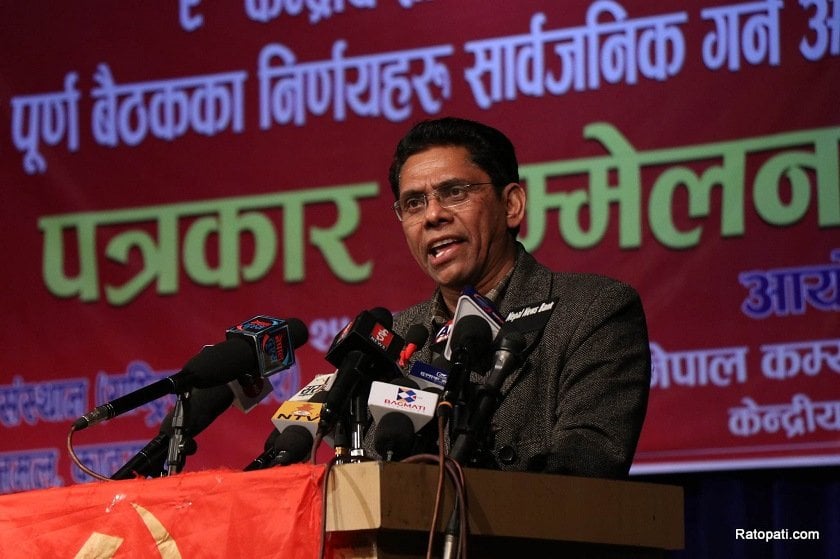
In the 2070 and 2079 elections, former Chief Minister Mahendra Bahadur Shahi won from the CPN (Maoist Centre), while in 2074, Durgabahadur Rawat secured the victory. This time, Bishwakarma is being challenged by Shahi himself.
Claiming himself to be the 'real Maoist', Bishwakarma says, 'Even if all parties unite here, I will win easily. The atmosphere is favorable for us.'
- Arithmetic and Potential Equations
In nearly two decades, the Maoist party has fragmented, and new voters have been added in every election. Since the Maoist (Biplav group) boycotted the three intervening elections, it is difficult to assess their actual strength.
Looking at the 2079 election results, CPN (Maoist Centre) candidate Mahendra Bahadur Shahi won with 23,723 votes. His closest competitor, Nagendra Shahi of UML, received 16,718 votes. In the proportional representation category in the same election, CPN (Maoist Centre) received 14,229 votes, UML got 12,564, and Congress received 10,585 votes.
In the previous election, the Congress supported the CPN (Maoist Centre). However, as the major parties are contesting alone this time, the competition appears interesting. The 'Progressive Democratic Party' (PrLoPa), which split from UML, has decided to support the UML candidate.
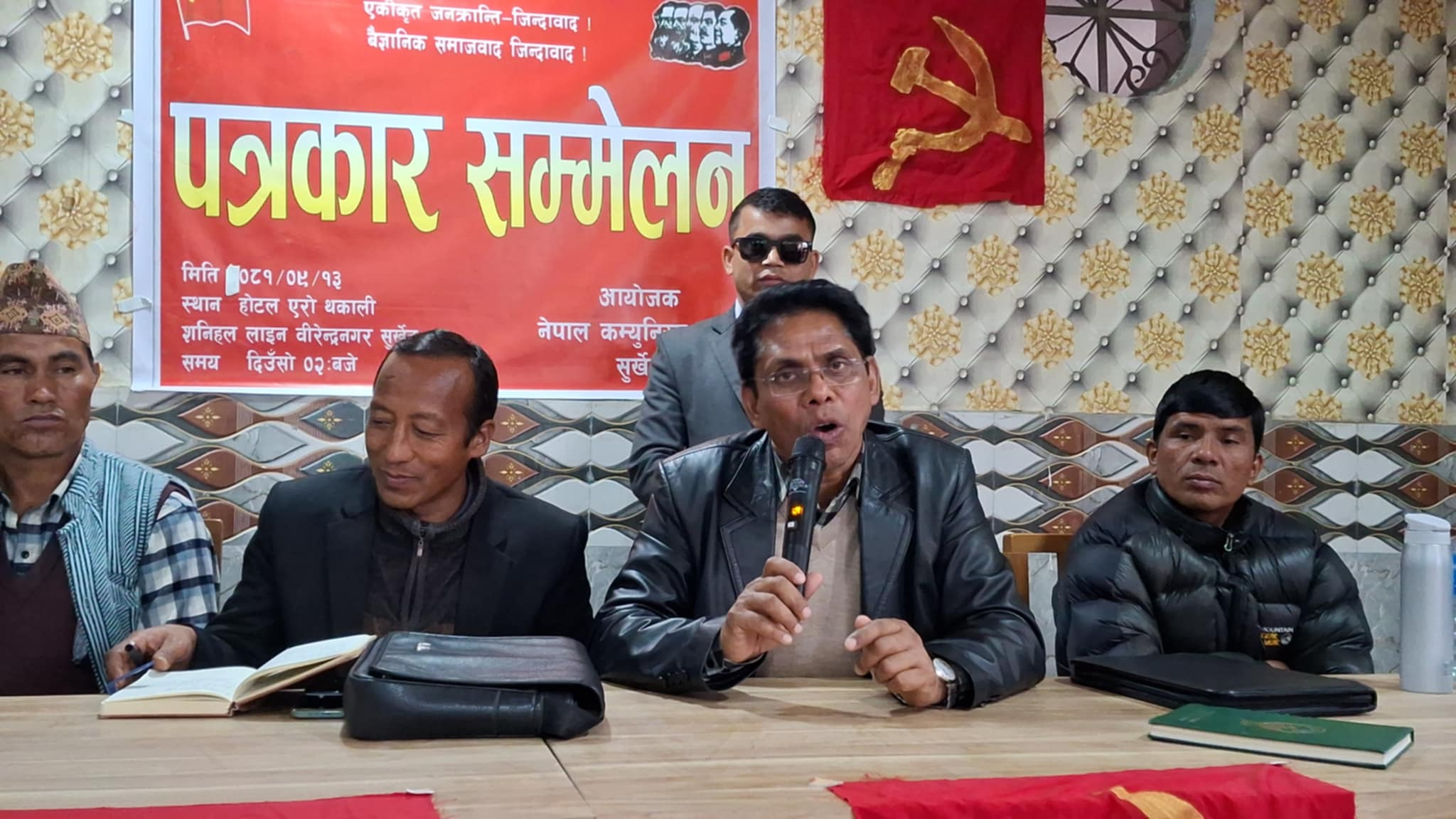
It is analyzed that the presence of Maoist candidate Bishwakarma will primarily cut into the votes of the CPN (Maoist Centre). This could directly benefit UML and Congress. Furthermore, the Rastriya Swatantra Party (RSP) is also likely to have a strong presence this time.
In this election, Nagendra Shahi is repeating as the UML candidate. Congress has nominated Harshabahadur Bom, RSP has nominated Prakash Neupane, RPP has nominated Suryabahadur Shahi, and NMKP has nominated Nandabahadur Shahi.
The result in Kalikot will be determined by how many votes Prakanda manages to 'cross' and how many votes RSP manages to draw. Overall, former minister Bishwakarma appears to have to 'work very hard' to secure a victory.
This specific news has been automatically translated by AI. As a result, there may be some inaccuracies or language errors.