Nepal Rastra Bank Moves to Absorb NPR 50 Billion in Deposits Amid Excess Liquidity


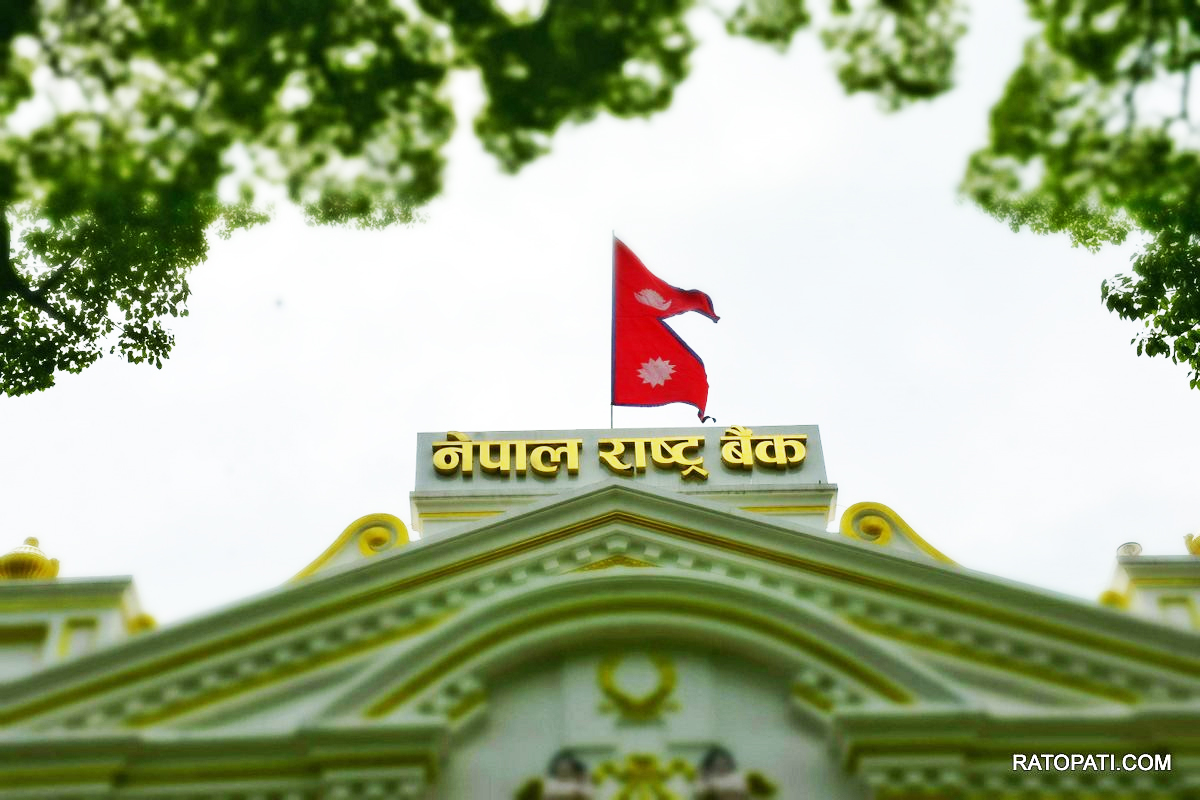
Kathmandu. Nepal Rastra Bank (NRB) is set to absorb NPR 50 billion in deposits today, Sunday. The central bank is again moving to withdraw deposits through a bidding process for its deposit collection instrument due to the persistent excess liquidity in the financial system. The total deposits have currently surpassed NPR 76 trillion.
The central bank has been withdrawing liquidity through deposit collection instruments and Standing Deposit Facilities (SDF) to manage the excess liquidity and interest rates in the financial system. Only 'A', 'B', and 'C' class licensed banks and financial institutions authorized by the NRB will be eligible to participate in the bidding.
When allocating the amount collected through long-term deposits, the distribution will prioritize the bids based on the lowest interest rates quoted by the counterparties, proceeding sequentially until the called amount is fully allocated.
As deposits are abundant, the bidding for today will take place through the online purchase system, and the interest rate will be determined through the bidding process. The NRB has informed that the principal and interest for the deposit collection instrument being bid on today will be paid on Chaitra 8, 2083 BS.
The minimum amount that can be bid is NPR 100 million, and the maximum amount will be up to the total called amount, divisible by NPR 50 million. Specifically, according to the central bank's Open Market Operations procedure, if a long-term excess liquidity situation is observed in the financial market, the Monetary Policy Committee has the provision to use a long-term deposit collection instrument with a maximum maturity of six months under structural open market operations on any day as needed to manage it and stabilize market interest rates. Utilizing this provision, the central bank has repeatedly used the deposit collection instrument. —News Agency Nepal
This specific news has been automatically translated by AI. As a result, there may be some inaccuracies or language errors.