Khajura Rural Municipality Enacts New Laws to Streamline Public Service Delivery

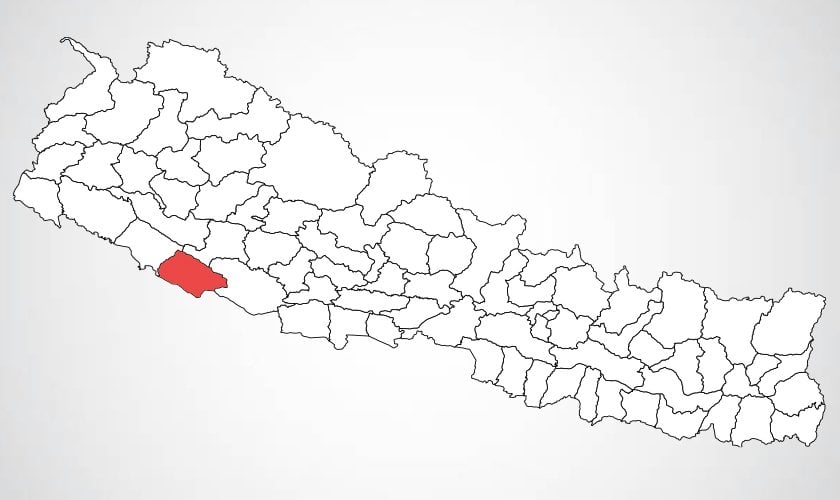
Banke. Khajura Rural Municipality in Banke has enacted new laws to facilitate the delivery of services to the public.
Dambar Bik, Chairman of the Rural Municipality, stated that Khajura is formulating laws to ease the execution of tasks by the local government, considering the difficulties, problems, and seriousness of issues encountered while providing services due to a lack of legislation.
According to him, the priority has been given to law formulation because there is no alternative to executing the law-making process, considering the complexities faced while executing and completing services, facilities, and plans provided by the Rural Municipality due to reliance on provincial and central laws.
“With the formulation of laws in thematic areas, the execution of work has become easier,” said Chairman Bik, adding, “We finalize regulations, procedures, directives, and standards after extensive consultation with the thematic committees and stakeholders within the Rural Municipality.”
Thematic committees discuss matters within their respective jurisdictions and assist in law formulation. He mentioned that since law formulation is a new experience, the initial work was difficult. He stated that they will continue to formulate the remaining laws based on priority.
Vice-Chairperson Manju Malla of Khajura Rural Municipality explains that municipalities and rural municipalities are required to create 28 acts under the authority granted to local levels by the Constitution. According to the Local Government Operation Act 2074, the draft act gains legal validity after being passed by the Rural/Municipal Assembly. Her understanding is that the delay by the provincial and federal governments in enacting some essential laws has also affected the local level.
The Rural Municipality has so far enacted 28 laws, including 14 acts, two regulations, four policies/directives, seven procedures, and one bill. Vice-Chairperson Malla, who also serves as the coordinator of the Judicial Committee, stated that they have drafted some additional laws based on necessity and are preparing others.
According to Vice-Chairperson Malla, the Rural Municipality has established reconciliation centers in all eight wards, which resolve disputes and facilitate reconciliation within the community. She mentioned that applications regarding transactions and domestic violence are primarily received at these reconciliation centers. Solutions are sought for such applications from the respective ward's reconciliation center. Disputes and reconciliations that cannot be resolved there are brought before the Judicial Committee at the municipal level.
Faruk Sheikh, Ward Chairperson of Khajura Rural Municipality-6, stated that due to the enactment of laws, the Rural Municipality will no longer have to face administrative hassles. With the necessary laws enacted by the Rural Municipality, the responsibilities and accountability of the local government representatives and administration have become clear.
This specific news has been automatically translated by AI. As a result, there may be some inaccuracies or language errors.
_Yq85YOxh21.jpg)
_jqRIbYgb17.jpg)