Debate Rages Over Political Expression by Nepali Artists Amid Social Media Backlash

Kathmandu. Is it impermissible for artists to enter politics? Are they barred from expressing differing opinions?
These questions have become contentious issues in the Nepali art sector recently. Society has reached a point where as soon as an artist publicly declares their political affiliation or personal views, they face merciless attacks from dissenting factions. A dangerous trend has gripped society where supporting one party or individual immediately makes one a target for the opposing side.
The latest example is model and TikTok star Smarika Dhakal. Simply for appearing in a promotional song for CPN-UML, she faced accusations of being a 'jhole' (a derogatory term) and threats of being boycotted from the artistic fraternity. Ultimately, she was forced to apologize on social media, stating, 'A big mistake was made.'
Singer and actor Prakash Saput faced a similar situation. Due to his remarks at the book launch event of CPN-UML Chairman KP Sharma Oli, a boycott campaign was launched against his film 'Basanta'. Despite Saput apologizing repeatedly, the outrage did not subside. Consequently, the film's screening was affected, leading him to sell his own house to repay debts.
Whether it was actress Deepashree Niraula's statement regarding the 'Mahanaayak' (Great Hero) issue, or the political leanings shown by artists like Badri Pangeni, Jyoti Magar, Keki Adhikari, Priyanka Karki, and Benisha Hamal—all have faced attacks on social media in some form.
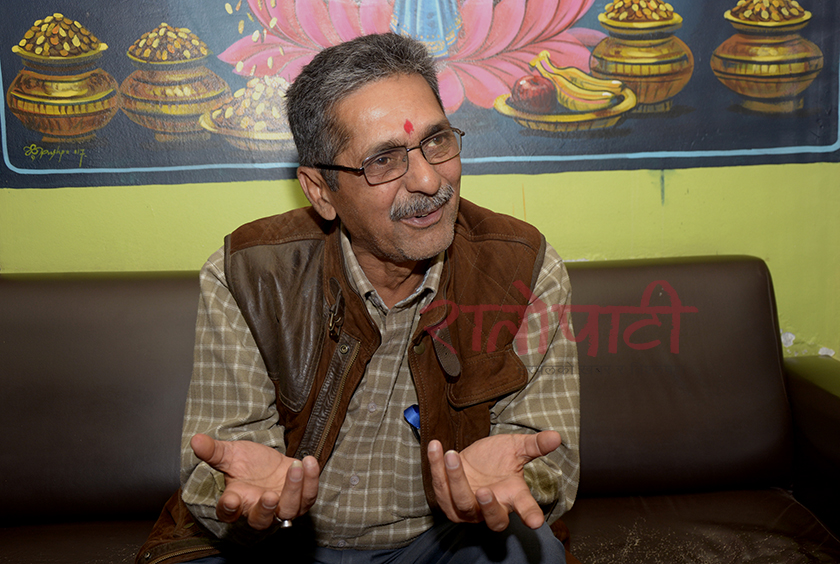
Mohan Niraula, President of the Film Artists Association and a veteran artist, does not consider such attacks on artists appropriate. He states that expressing differing opinions on social media is the right of artists.
'In my opinion, it is their constitutional and inherent right to express their views or opinions. Every individual has their own perspective and vision, which may not align with everyone else,' says Niraula. 'The general public might wish that public figures or celebrities do not take sides with any specific party. However, it is never appropriate to resort to verbal abuse that affects the film industry just because an artist holds a different view.' According to him, attacking someone's personal reputation and social standing in the name of criticism should not happen.
Director and film critic Dipendra Lama describes this treatment of artists as anarchic and extremist thinking.
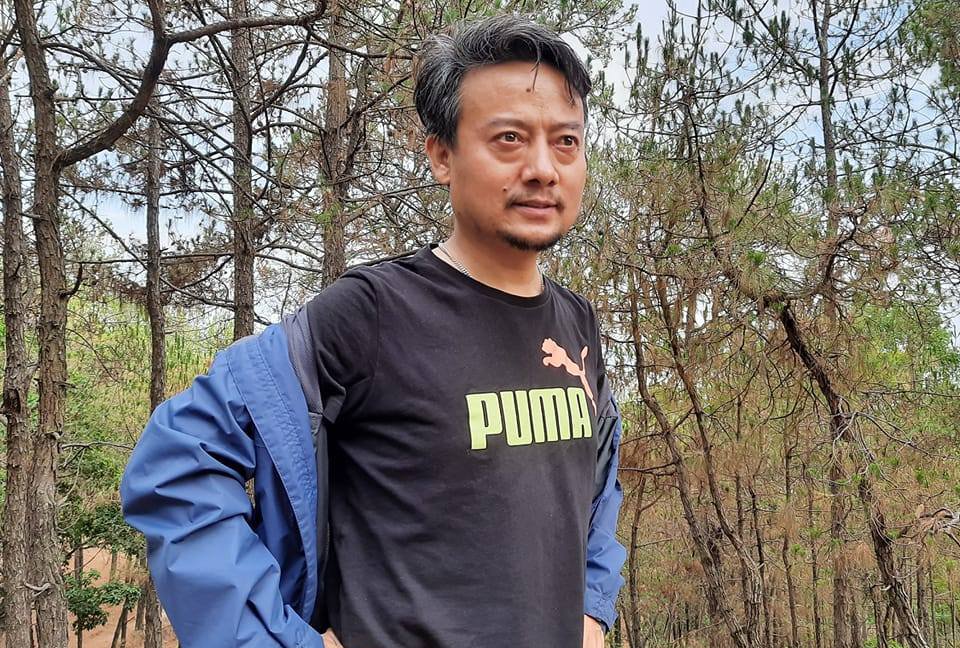
'We are in a democratic system where it is natural for every individual to have their own choice and opinion,' he says. 'But recently, the tendency to impose prohibition on others' choices is increasing in society.' He added, 'If an artist campaigns for the party you like, they are considered great, but if they speak in favor of a party you dislike, they are deemed an enemy. This kind of thinking must be abandoned.' Lama's Facebook status on this matter has been shared by many artists and art workers, citing 'Source.'
'Please, let us be free from the mental illness of wanting to ban the beliefs and opinions of others besides ourselves,' he writes. 'It is not right to attack or engage in politics of prohibition against artists or celebrities simply for holding differing views.'
Actress Richa Sharma, however, states that the social structure of Nepal itself is like this. According to her, it is difficult for artists to remain completely detached from politics.
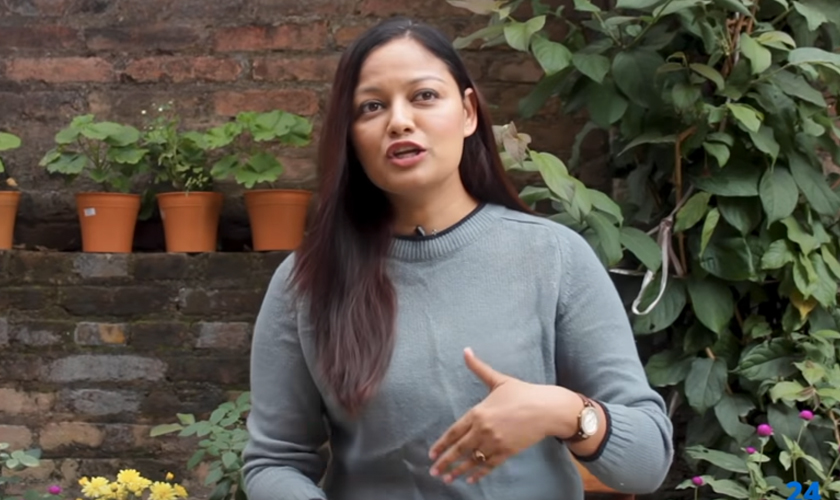
Expressing dissatisfaction over the attacks and the misuse of the word 'boycott' on social media, she says, 'Lately, the word boycott has been cheapened to the extent that as soon as an artist expresses an opinion, the attacks begin. Those who abuse are mostly faceless individuals who try to vent their life's frustrations on us.' She advises artists not to be afraid to exercise their democratic rights.

- What is the legal provision?
Advocate Kirtinath Sharma Paudel states that if someone posts abusive or defamatory content against someone via social media, that person is liable for action under the offense of defamation.
'After cybercrime increased, the government introduced the Electronic Transactions Act in 2063 BS (2006 AD),' says Advocate Paudel. 'This is now known as the Cyber Law. Sections 44 to 58 of this Act provide for various types of offenses.'
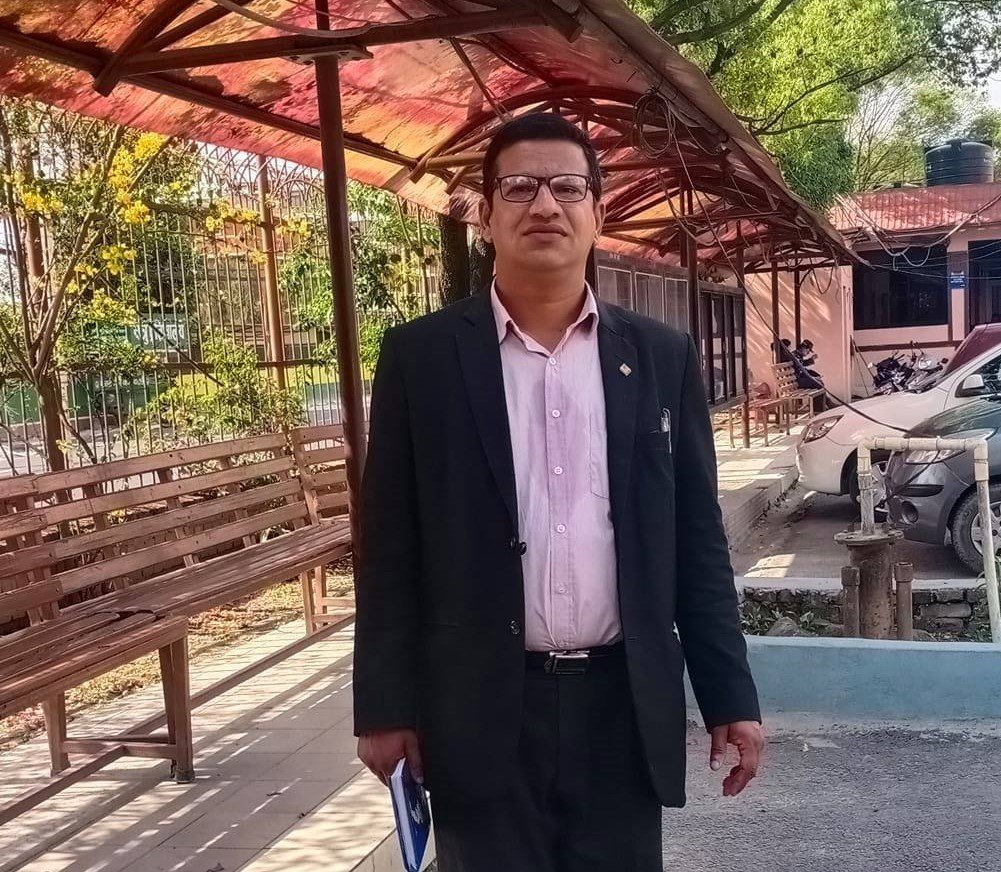
If such an offense is proven, there is a provision for a fine ranging from NPR 50,000 to NPR 500,000 and imprisonment from six months to five years. The court can determine the sentence based on the severity of the crime.
According to him, the Defamation Act, 2016, can also be invoked against those who use vulgar and offensive abuse on social media. The Defamation Act, 2016, was introduced to protect the right to maintain the honor and dignity of the general public.
Section 307, Subsection (1) of the Muluki Criminal Code, 2074 (Chapter 2: Offenses Related to Defamation) states:
'If anyone defames or causes defamation to another person, they shall be punished with imprisonment up to two years or a fine up to NPR 20,000 or both. However, if defamation is done or caused through electronic or other mass media, the punishment shall be increased by imprisonment up to one year and a fine up to NPR 10,000.'
Subsection (2) provides for the recovery of reasonable compensation from the offender for the damage caused to the reputation of the defamed person, considering the severity of the offense and the medium used, and also for the recovery of litigation costs.
This case can be filed as a criminal case in the relevant District Court. A defamation case can also be filed with the Government of Nepal as the plaintiff. There is a limitation period of three months for this.
If a case is filed by the government, the police can arrest the accused and keep them in custody for investigation. In such a situation, it is not necessary to hire a private lawyer, as the government lawyer will argue the case. This provides the complainant with the benefit of not incurring additional legal expenses.
This specific news has been automatically translated by AI. As a result, there may be some inaccuracies or language errors.