Nepal's Health Insurance Program Faces Renewed Crisis Amidst Mounting Debt and Service Disruptions
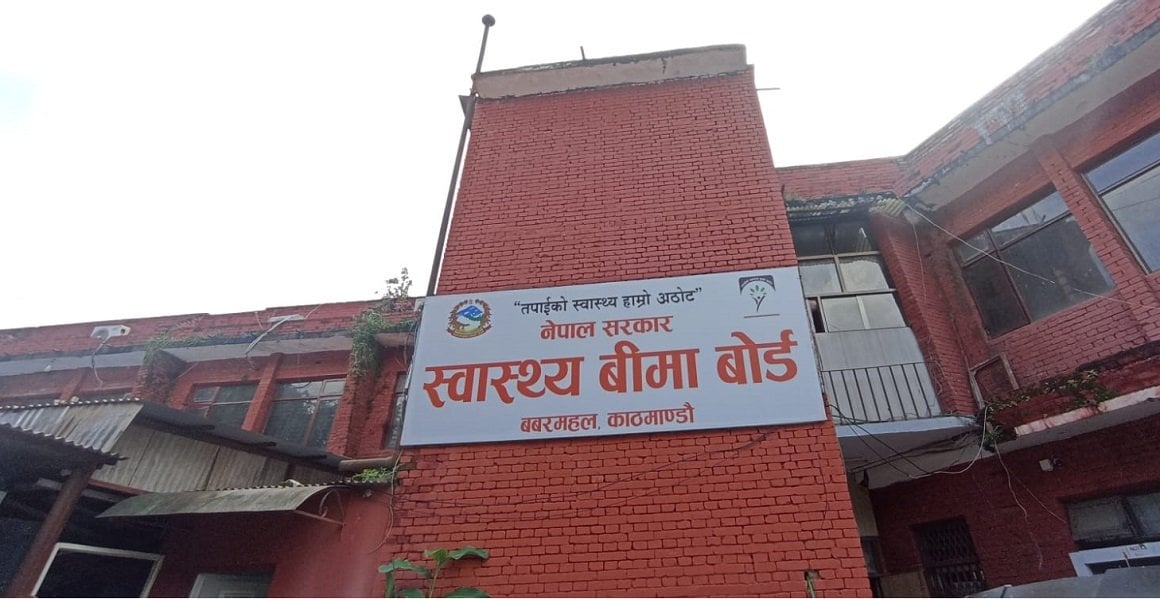
The crisis surrounding the Health Insurance Program in Nepal has resurfaced once again. Issues related to insurance, which had slightly subsided at the beginning of the fiscal year, have now escalated.
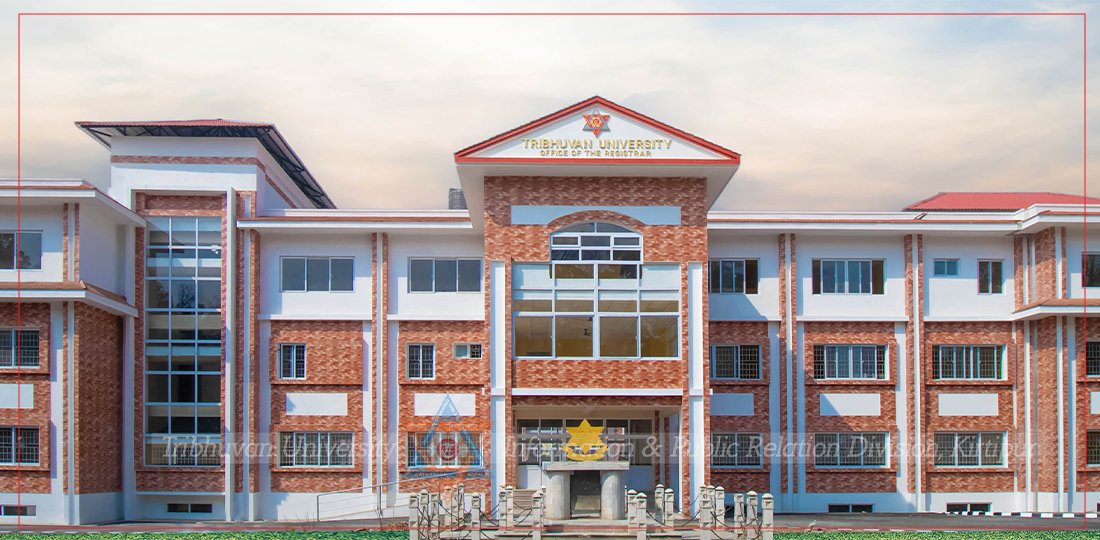
A few days ago, hospitals including Tribhuvan University Teaching Hospital (Teaching Hospital) and Sahid Gangalal National Heart Center (Gangalal Hospital) published notices announcing the suspension of services under the Health Insurance Program.
A few days after that, the Health Insurance Board limited the OPD service coverage under the one lakh health insurance scheme to twenty-five thousand rupees. These two steps have increased public concern regarding the problems and sustainability of the insurance program. Although discussions have taken place at the government level, no solution has been found.
Currently, the outstanding amount the Board owes to hospitals for payments has reached 19 billion rupees up to the end of Poush month. No claims from the month of Ashoj onwards have been paid yet. Furthermore, 54 percent of the claims from Chaitra to Ashoj remain unpaid.
Start and Current Status of Health Insurance
This program began as a pilot project in Kailali, Baglung, and Ilam starting from Chaitra 25, 2071 BS. Following the definition of health as a fundamental right in the constitution issued in 2072 BS, the program was expanded in terms of scope and legal framework.
The statistics from the Board indicate that 55 percent of the citizens enrolled in the insurance program do not pay the premium. The government has made arrangements for free health insurance for senior citizens and targeted groups. However, the government does not reimburse the Board for this. Board Director Bikesh Malla states that the concessions announced by the provincial and local levels also have to be managed entirely from the subsidy amount.
The objective of this program is to ensure citizens' access to quality health services, reduce personal expenditure on health, and ensure that the poor, needy, and senior citizens do not suffer due to a lack of money for health services.
For this purpose, the Health Insurance Act was introduced in 2074 BS and the Regulation in 2075 BS. Considering the time since the Act was enacted, it has completed an eight-year period.
Under this program, a family of up to five members receives treatment coverage up to one lakh rupees by paying an annual premium of 3,500 rupees. If there are more than 5 members, an additional 700 rupees must be paid per member. For each additional member, the benefit amount increases by 20 thousand rupees. The government arranges free insurance for senior citizens, HIV-infected individuals, leprosy patients, and persons with complete disabilities.
The Board has stated that such services are currently being operated through 450 government, 30 community, and 39 private hospitals and service provider organizations nationwide.
What Caused the Problem?
The reason for the current problems in health insurance is the imbalance between expenditure and income, and adverse selection. Excessive claims compared to the premium, most insured individuals falling outside the premium coverage bracket, the occurrence of fake claims, and the government subsidy being significantly lower compared to the expenditure are creating problems.
According to the Board's statistics, 55 percent of the citizens enrolled in the insurance program do not pay the premium. The government has arranged free health insurance for senior citizens and targeted groups. However, the government does not reimburse the Board for this. Board Director Bikesh Malla states that the concessions announced by the provincial and local levels also have to be managed entirely from the subsidy amount.
The remaining 45 percent who pay the money, however, usually renew their insurance only after falling ill. Therefore, their rate of service demand is also very high. According to statistics, 92 percent of those who pay and insure renew their insurance to utilize services.
This means that currently, only relatively unhealthy individuals are enrolled in the insurance system. This situation has prevented the realization of the risk pooling principle of insurance (collecting a small amount from many people to treat a few sick people).
Another problem is unnecessary check-ups and claims. There is a tendency for insured individuals to pressure for unnecessary health check-ups because they have insurance, and for hospitals to misuse packages by submitting misclaims or fake claims.
For example, the Board's experience shows irregularities such as claiming for a large package when only a minor surgery is required. Malla states that 20 percent of the claims currently reaching the Board are rejected, and this is due to such claims.
Due to low income and high claims, hospitals are not receiving regular payments. Consequently, major government hospitals like Teaching and Gangalal have announced service closures.
The State of Expenditure and Income
The government has provided a subsidy of 10 billion rupees to the Board this year. Approximately 3.50 billion rupees are collected from insured individuals as premiums. Thus, the Board's total annual income is only around 13.50 billion rupees.
Previously, the Board had included not only government hospitals but also community and private hospitals as service providers for insurance services. However, concluding that private hospitals were generating fake claims, the decision to include those hospitals was halted. Except for the initial 39 hospitals, no new private hospitals have been affiliated as service providers in the last year.
On the other hand, the amount to be paid by the insured to the hospitals for services received is projected to reach up to 29 billion rupees annually. With an income of 14 billion and an expenditure of 29 billion, there is an annual gap of 15 billion rupees.
Last year, when the Board paid 13 billion, an outstanding balance of 19 billion rupees remained. This year too, after paying 13 billion, an outstanding balance of 12 billion rupees has been added up to the end of Poush month. Thus, the liability is being carried over to the next year every year.
Moreover, hospitals are not satisfied even with the treatment rates set by the Board. They claim that these rates cannot cover the costs. Teaching Hospital is demanding an increase in the treatment rate, in addition to receiving payments.
Various Attempts by the Board to Reduce Expenditure, But Ineffective
The Board has made some unpopular decisions to avert the financial crisis and make the program sustainable. However, despite these decisions, expenditure does not seem to be decreasing.
Previously, the Board had included not only government hospitals but also community and private hospitals as insurance service providers. However, concluding that private hospitals were generating fake claims, the decision to include those hospitals was halted. Except for the initial 39 hospitals, no new private hospitals have been affiliated as service providers in the last year.
Another decision is the implementation of a co-payment system. When insured individuals receive services, they must pay 10 percent of the total cost at government hospitals and 20 percent at private hospitals. This has succeeded in discouraging the tendency to visit hospitals unnecessarily. But this has not reduced the expenditure.
Similarly, the referral system has been tightened. Insured individuals cannot go directly to major hospitals. The rule that one must be referred from the first point of service to go to a higher-level hospital has been strictly enforced.
The most unpopular decision recently made is the capping of OPD expenses. Previously, claims could be made for any expense up to one lakh rupees, but this has now been reduced to twenty-five thousand rupees. Board Director Malla states that the one lakh coverage for insurance remains the same. However, he says that the policy is to limit OPD to twenty-five thousand and use the remaining amount for hospitalization or inpatient services.
'Currently, 71 percent of the total claims expenditure is on OPD services alone. This indicates a shortage of resources for patients requiring admission and ICU care. This increased the risk,' says Malla, 'Therefore, the Board has adopted a policy to classify the one lakh benefit, allowing up to twenty-five thousand rupees to be spent on OPD and medicines, and securing the remaining seventy-five thousand rupees for hospitalization and critical treatment.'
However, this decision also does not seem to solve the problem. The Board states that 80 percent of insured individuals currently spend less than twenty-five thousand rupees. Since the remaining 20 percent will also receive benefits up to twenty-five thousand rupees, there is no prospect of improvement in cost reduction, according to the Board.
- Proposals Ranging from Premium Increases to Including Employees
Government officials have concluded that the Health Insurance Program cannot be sustained in its current state. To balance finances and make the program sustainable, the Board has put forward four major proposals for long-term reform.
1. Mandatory Inclusion of the Formal Sector
The Health Insurance Act mandates the compulsory inclusion of individuals working in the formal sector, such as government employees, employees of organized institutions, and teachers, in the insurance scheme. The Act stipulates that 2 percent of the monthly salary should be deducted for the premium.
It is stated that if 8 to 10 lakh employees in the country join this system, an annual premium of 8 to 10 billion rupees will be collected. This group generally consists of people who fall ill less frequently. This helps strengthen the fund and facilitates cross-subsidy for the treatment of the poor who fall sick. However, no decision has been made regarding this yet.
2. Review of Premium Amount
The government introduced the health insurance program ten years ago, offering coverage up to 50 thousand rupees for a premium of 2,500 rupees. Later, this was revised to a premium of 3,500 rupees for coverage up to 1 lakh rupees.
However, the Board concludes that this premium amount is insufficient to cover the costs. The Board has stated that increasing the premium amount is indispensable for this. The Board has proposed that both the premium amount and the benefit package should be updated based on scientific grounds.
3. Single Window System for Social Security Programs
Currently, various agencies providing health treatment facilities are scattered. Employees Provident Fund, Citizen Investment Trust, Social Security Fund, Nepal Army, Police, etc., have established separate health treatment funds for their employees. This increases duplication and administrative costs.
According to the Board's proposal, all these funds should be integrated under the Health Insurance Board. Doing so would create a large fund, improve risk sharing, and potentially collect around 20 billion rupees in one place.
4. Arrangement for Health Tax
It has been proposed that a certain portion of the tax levied on tobacco products, alcohol, and sugary drinks should directly go to the Health Insurance Fund. Currently, although a 'Health Risk Tax' is collected, it goes directly into the Ministry of Finance's account, which is included in the budgetary process. The Board proposes that instead, such funds should directly enter the Board's account.
According to Nepal Rastra Bank, 5.51 percent of the country's total expenditure is currently spent on health services. In an economy of 61 trillion, this amounts to approximately 336 billion rupees.
This specific news has been automatically translated by AI. As a result, there may be some inaccuracies or language errors.