Electoral Showdown Heats Up in Lalitpur-2: Can UML Retain its 'Red Fort' Amidst New Challengers?


Kathmandu. As the House of Representatives election scheduled for Falgun 21 approaches, the electoral fervor in Lalitpur Constituency No. 2 has reached its peak. This constituency, considered a center of art, culture, and heritage, is set to become a battleground featuring a tough contest between the traditional power bloc and new alternative forces.
The results of the 2079 general election in this constituency and the subsequent shifts in political equations have heightened curiosity about where this time's outcome will lean.
- Will the UML's 'Red Fort' Survive?
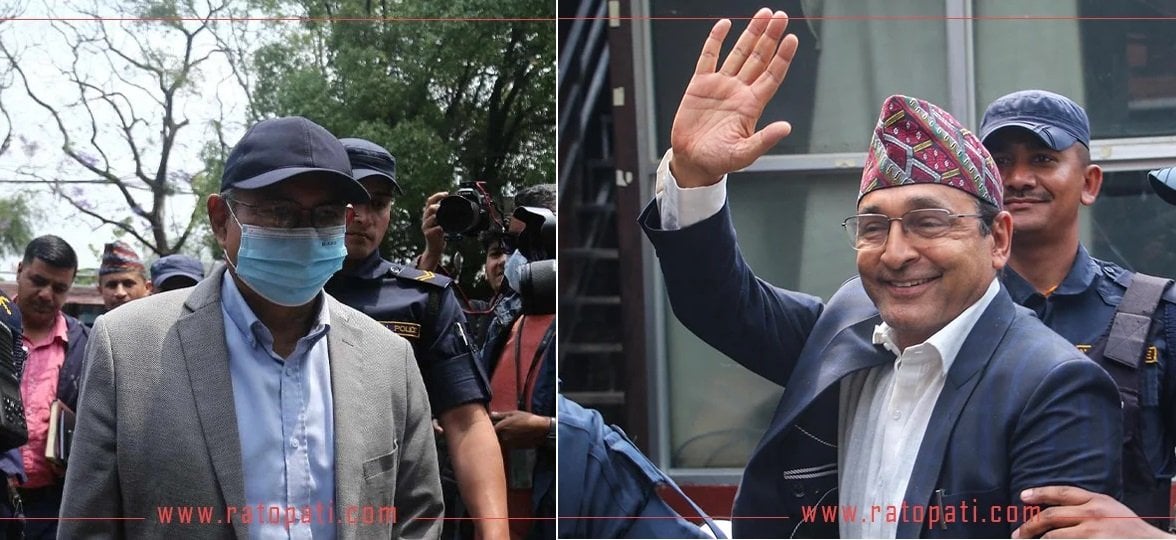
Lalitpur Constituency No. 2 has long been known as a stronghold for the CPN-UML. In the 2079 general election, UML's Prem Bahadur Maharjan won here by securing 15,025 votes. However, while that victory appeared encouraging, the underlying mathematical nuances did not signal perpetual security for the UML. The UML's win at that time was significantly aided by the sharp division among opposition votes.
Especially, the separate vote-splitting by candidates from the 'Lauro' (Rato) campaign and the 'Ghanti' (Rastriya Swatantra Party - RSP) as alternative politics made it easier for the UML to secure a victory, albeit by a narrow margin. This time, it is not enough for the UML to merely retain its organized vote base. The future of its 'fortress' will be determined by how it attracts new and young voters in the changed circumstances.
_GmaXHdn8m1.png)
- The 2079 Electoral Mathematics Revealed
Analyzing the results of the parliamentary election held in 2079, the proportional representation (PR) votes, alongside the first-past-the-post votes, clarify the real base of the parties. In the 2079 election in this constituency, the Rastriya Swatantra Party (RSP) received the highest number of PR votes with 11,895. The CPN-UML, in second place, secured 11,085 votes, while the Nepali Congress was relegated to third place with 9,252 votes. Similarly, RPP received 7,695 votes, and Hamro Nepali Party (Lauro) received 5,043 votes.
This data provides a strong basis for understanding that voters in Lalitpur-2 are more attracted to new alternatives and forces with clear agendas than to traditional parties. For the RSP, which topped the PR vote count, this forms the biggest psychological and technical foundation for securing a direct victory this time.
- RSP's New Gambit
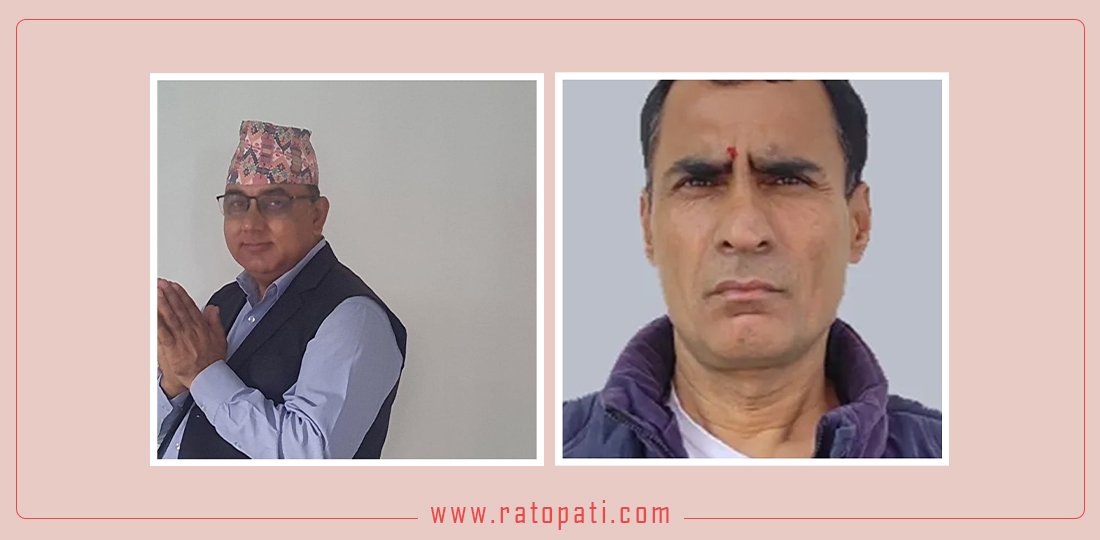
In this election, the Rastriya Swatantra Party has strategically fielded the popular journalist and former reporter, Jagdish Kharel. Kharel's entry has completely stirred up the electoral equation in this constituency. Kharel's 'face value,' having spoken forcefully for years on television screens about corruption, good governance, and citizens' issues, appears set to attract neutral and young voters.
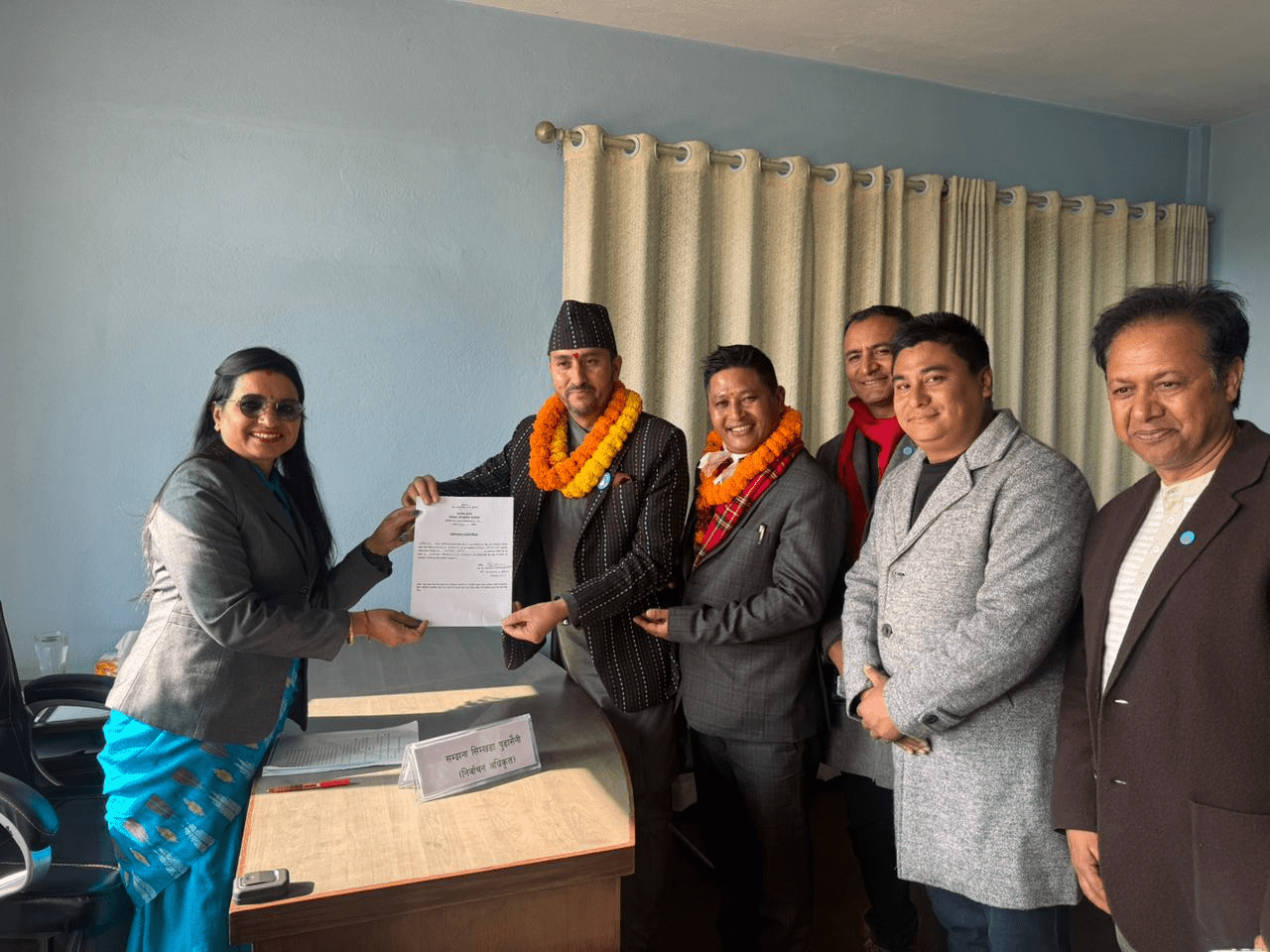
In the previous election, RSP's Buddharatna Maharjan came third with 8,666 votes, while Sudin Shakya of the Lauro election symbol came second with 8,886 votes.
This time, with no separate candidate for Lauro, the RSP is planning to capitalize on the 'Lauro' craze associated with Balen Shah, the Prime Ministerial candidate connected to the RSP. The main challenge and opportunity for Kharel is to consolidate the nearly 18,000 alternative votes that were previously divided.
- How Strong are the Congress and CPN Candidates?
In 2079, the Nepali Congress did not field its own candidate in this constituency. Due to the power-sharing arrangement of the ruling coalition, Congress supported CPN (Unified Socialist)'s Krishnalal Maharjan. This time, Congress has fielded its veteran leader, Prem Krishna Maharjan.
In the previous election, many Congress voters shifted towards alternative forces or independent candidates due to the absence of a direct candidate. This time, as Congress campaigns door-to-door with its 'Rukha' (Umbrella) symbol, it expects to convert over 9,000 PR votes lost in the last election into direct votes. However, for Prem Krishna Maharjan, overcoming internal strife within Congress and the younger generation's attraction to alternative politics to solidify his hold will be like chewing a hard piece of sugarcane.
Another interesting aspect of this election is the presence of the 'Nepal Communist Party' formed after the merger or alliance between the Maoist Centre and the Unified Socialist Party. In the previous election, CPN (Unified Socialist)'s Krishnalal Maharjan received 8,264 votes. The combined PR votes of the Maoist Centre and the Unified Socialist are around 3,500. While this vote bank may not be decisive, it can play a significant role in determining who wins or loses. How much support the communist voters give to the CPN candidate, Rajendra Amatya, will affect UML's candidate, Prem Bahadur Maharjan.
- Impact of Lauro Votes and the Balen Factor
The 'Lauro' election symbol used by Kathmandu Mayor Balen Shah created a stir in Lalitpur-2 in the previous election. The nearly 9,000 votes secured by Sudin Shakya were purely votes cast for 'change.' This time, it is assessed that those votes will directly benefit the RSP. However, to fill this vacuum, local popular activist Rajaram Tandukar is contesting as a candidate from the Ujyalo Nepal Party. Tandukar has a strong possibility of attracting votes from the local core area and especially 'anti-establishment' voters.
If Tandukar cuts a large number of votes, it could directly harm RSP's Jagdish Kharel, but Tandukar is not a weak candidate either.
In this election, representing the technical and intellectual class, local engineer Krishna Maharjan is competing under the 'Aankha' (Eye) symbol from the Progressive Democratic Party. Engineer Maharjan, carrying a technical blueprint for development and prosperity, is certain to draw votes from the educated and youth segment.
Challenges for Key Competitors
The biggest challenge for the UML is the disillusionment among voters stemming from being in power for a long time and repeatedly winning the same constituency. As a segment across the country is active against the UML, this effect may also be seen in Lalitpur-2. On the other hand, despite the massive wave and celebrity candidate for the RSP, they lack organized cadres reaching every lane and neighborhood for 'booth level' work. The lack of experience in managing polling day voting and booth management, comparable to UML and Congress, could be a weakness for the RSP.
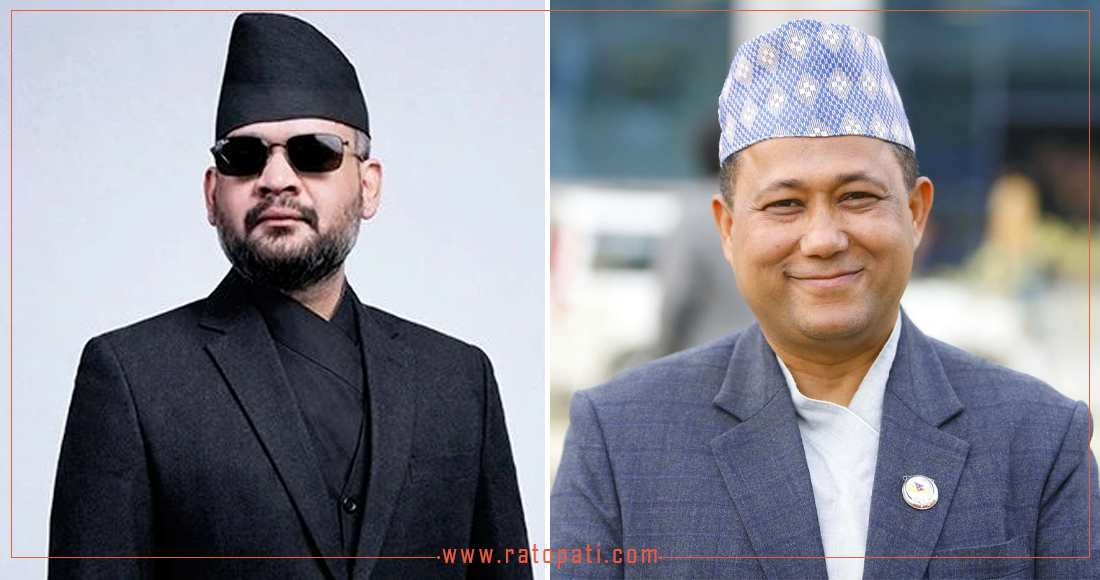
In Lalitpur Constituency No. 2, a three-way contest appears likely between UML's Prem Bahadur Maharjan, RSP's Jagdish Kharel, and Nepali Congress's Prem Krishna Maharjan. However, the main competition seems to be between RSP and UML. While RSP appears stronger based on PR votes, the organized base of the UML and the comeback attempt by Congress will make the result very tight. Who wins will ultimately depend on how the alternative votes are split among candidates like Rajaram Tandukar and Engineer Maharjan.
If the voters of Lalitpur vote cohesively in favor of change, similar to the previous time, Jagdish Kharel could create history. But if the votes are divided, the UML's 'Red Fort' might survive again.
- What Do Voters Say? (With Video)
Goma Rana, a local resident of Imadol, stated that she has not seen much electoral activity yet, and no one has come to ask for her vote.
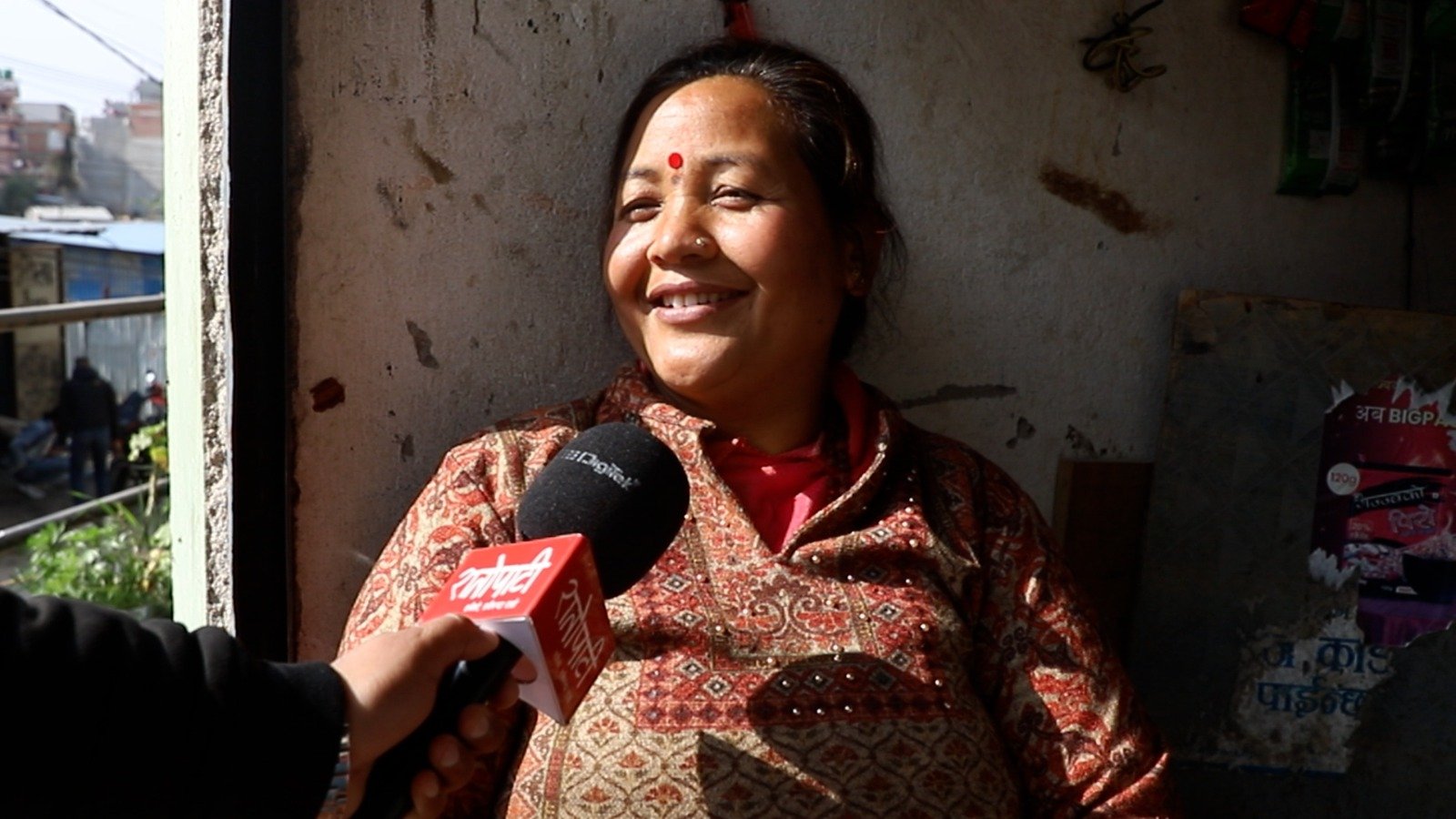
According to her, ordinary people are currently suffering from severe inflation. Therefore, she emphasized that the next leadership must control market prices and ease public life.
She mentioned that she would prioritize candidates capable of making laws in parliament to solve problems like small business owners being forced to pay bank interest rates of 18 to 20 percent.
Prem Bahadur Bogati, a voter from Tikathali, informed that no candidate has approached him for votes yet. He argued that since old leaders like Sher Bahadur Deuba, KP Sharma Oli, and Pushpa Kamal Dahal 'Prachanda' have run the country for a long time, no new change can be expected from them. In his view, young candidates with new zeal and energy should come forward to develop the country and the local area.
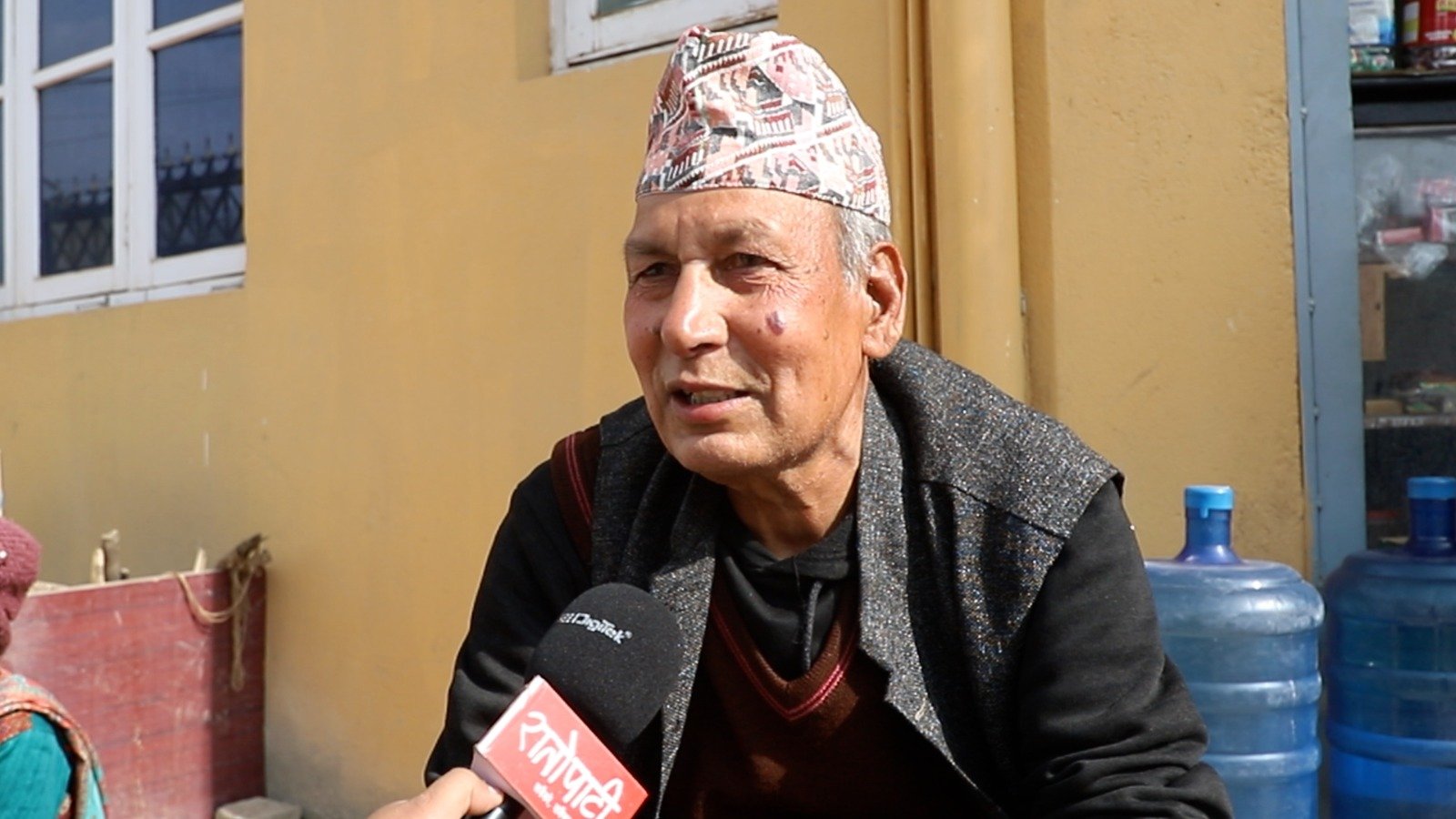
Regarding development, he highlighted the need for a leader who can pave the road around the Bhagwati Temple and improve infrastructure.
Kapil KC, Ward Chairman of Mahalaxmi Municipality Ward No. 5, stated that although the election date is nearing, the political atmosphere at the local level has not yet heated up. According to him, the need of the hour is a capable leader who can meet the public directly, understand their grievances, and raise those issues forcefully in parliament. He expressed confidence that the public will support a candidate capable of coordinating with the federal government for local development works, such as the management of the Hanumante and Godavari corridors, water supply, and improvements in the health sector.
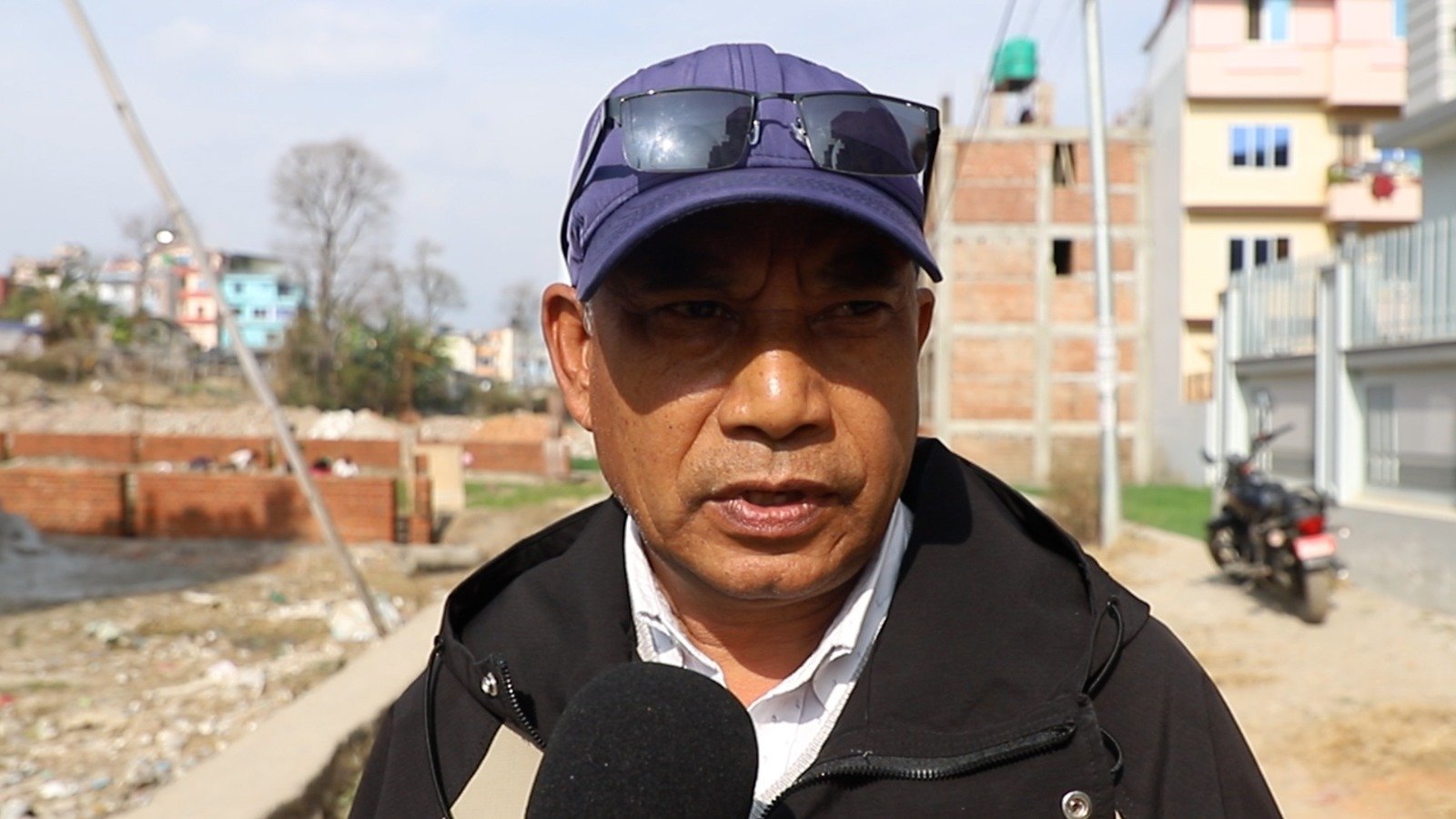
Local resident of Mahalaxmi Municipality, Balkrishna Bajgai, expressed strong dissatisfaction with the old political parties, opining that new forces should be given a chance this time. He accused the old leaders of only making promises, as the public is disheartened by growing corruption and financial irregularities in the country.
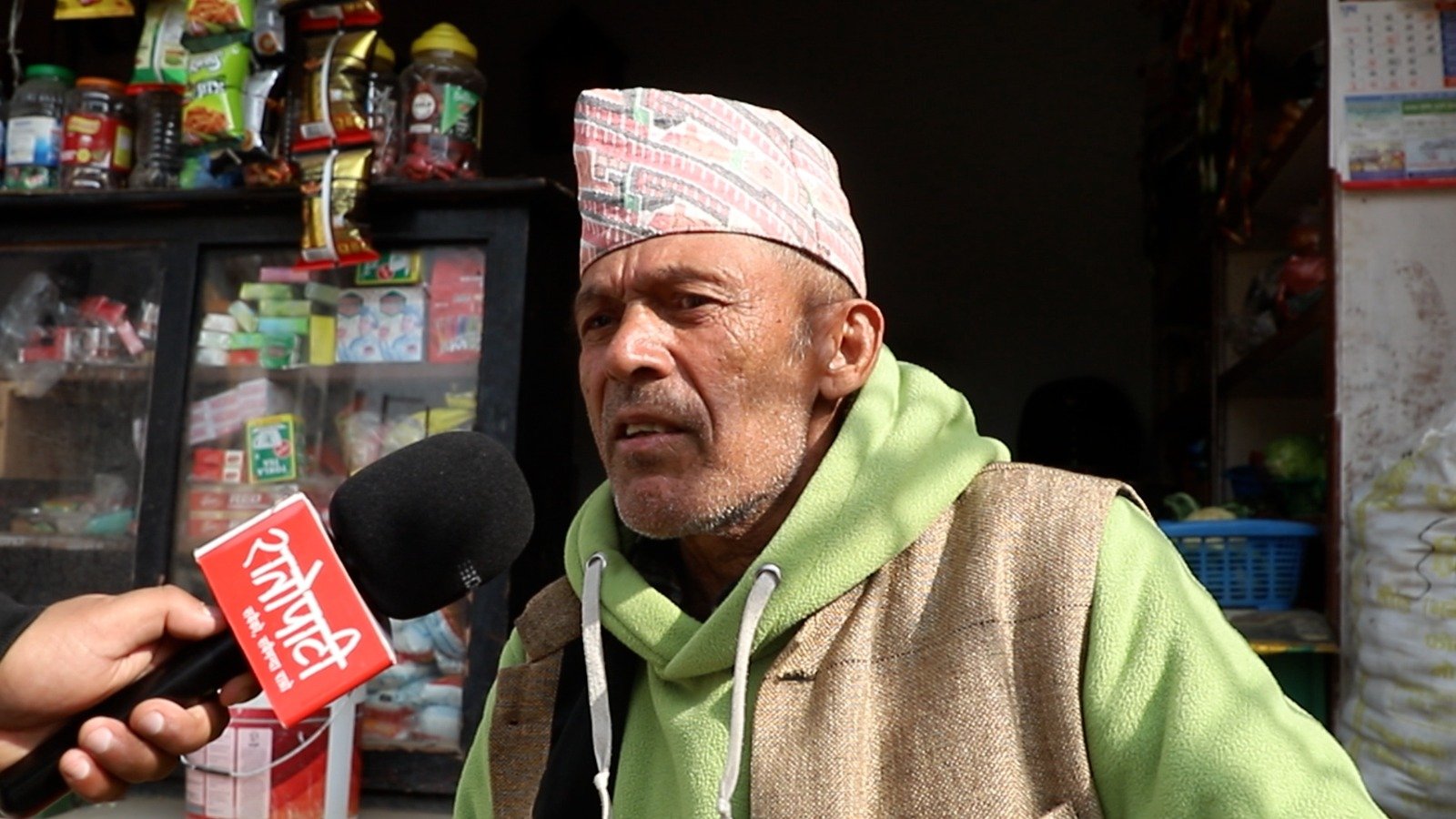
His biggest concern is the exodus of youth abroad due to a lack of employment opportunities. He stated he is looking for a leader committed to creating job opportunities at home to end the situation where children are abroad and elderly parents are left alone at home.
Kaushila Bogati lamented the pathetic state of physical infrastructure in her area. Residing in the area for the past four years, she mentioned that due to the lack of proper road and drainage management, water enters their homes and causes flooding during the monsoon. She shared her experience of spending sleepless nights in fear due to water inundation.
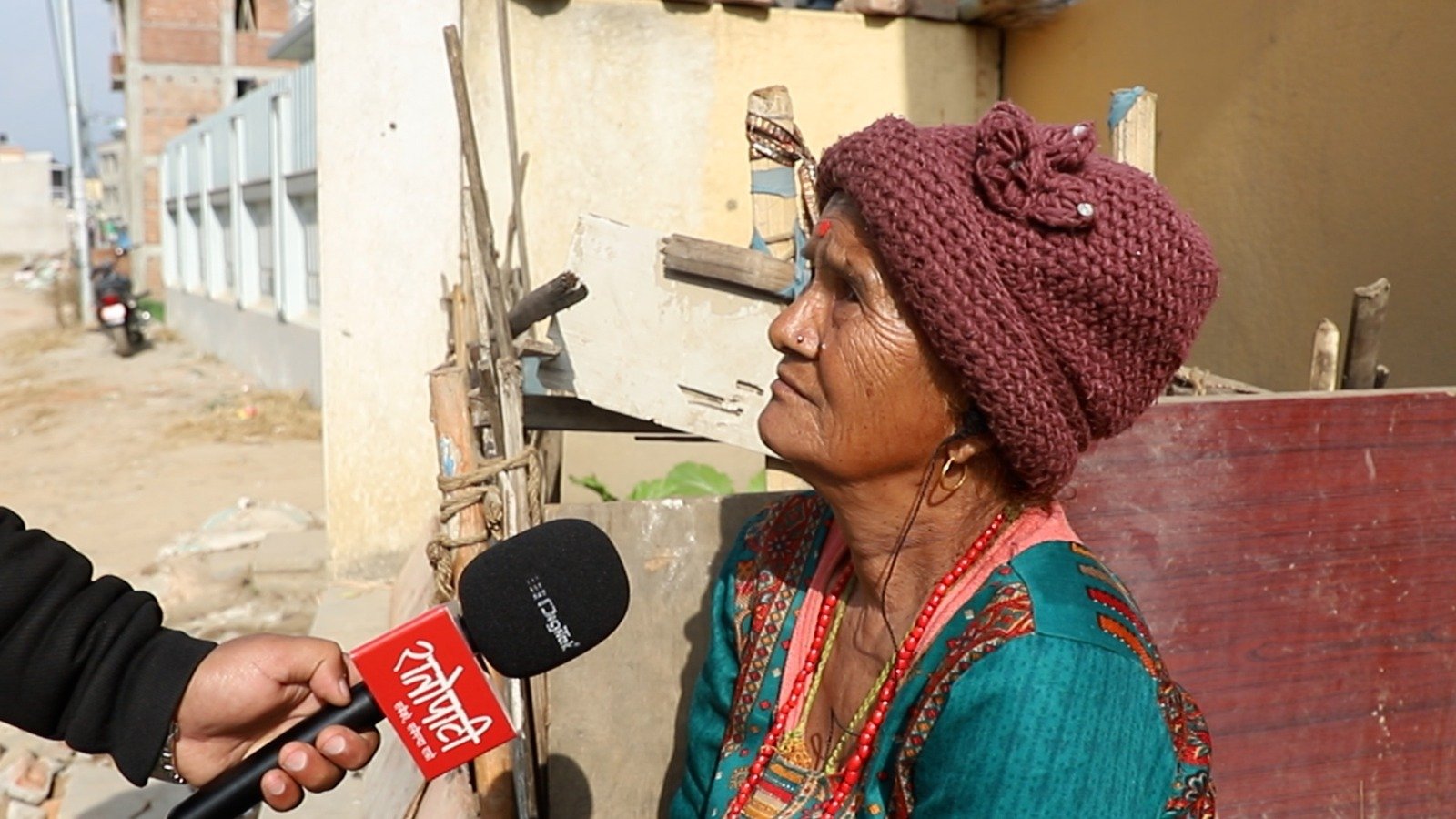
Bogati expressed dissatisfaction that despite repeated assurances from leaders to build roads, the work has not been done. She intends to vote only for the person who resolves this flooding problem this time.
- 'Need for an Honest Leader'
Heerakaji Maharjan, a voter from Balkumari, criticized the tendency of candidates to make grand promises before the election but fail to return after winning. According to him, the public now needs genuinely hardworking and honest individuals, not deceitful leaders who only offer assurances.
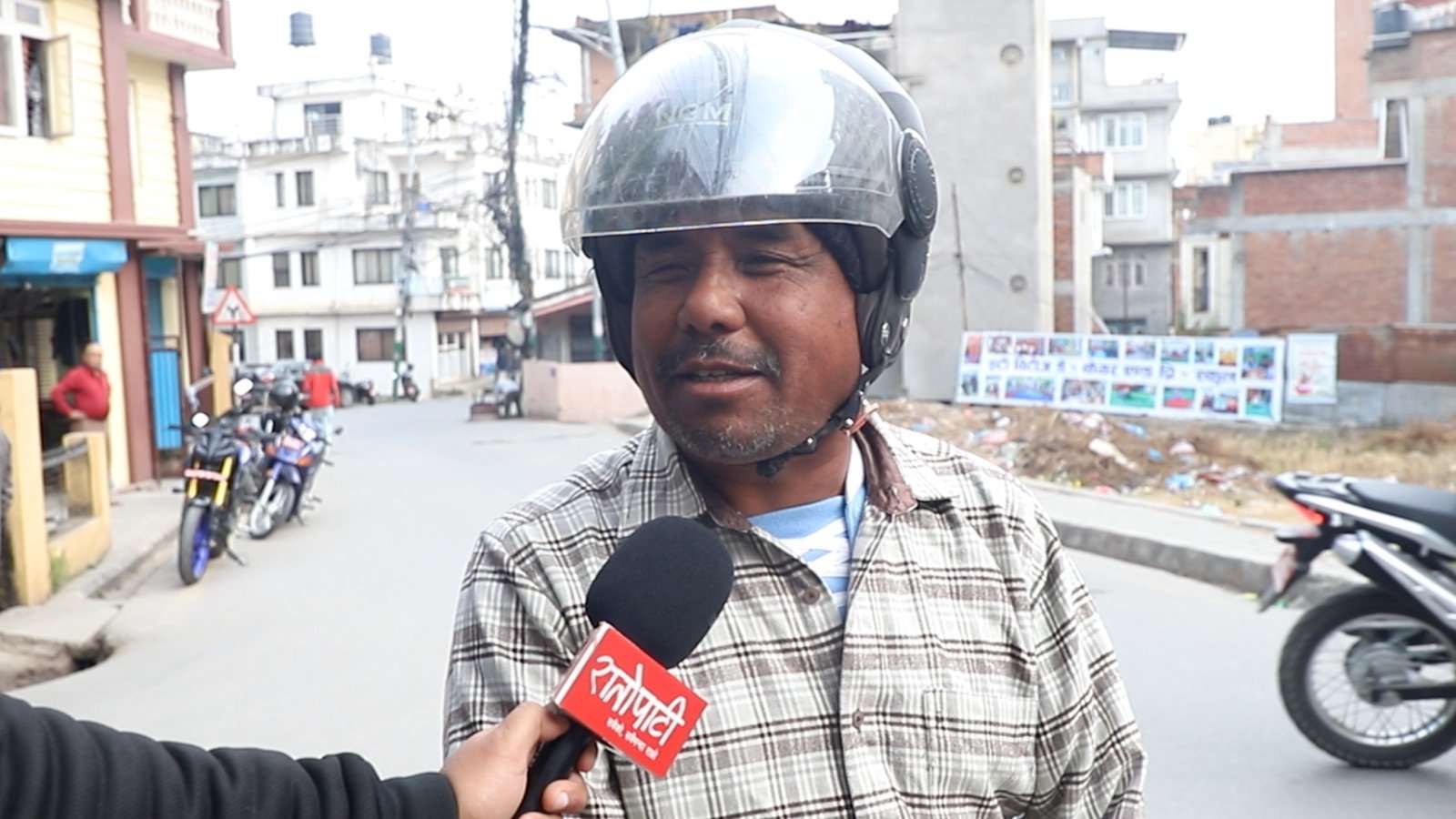
He noted the growing interest among people towards new candidates in his area, signaling that the old parties are losing public trust. The leadership that can change its working style and fulfill its promises is his preference.
Rabina Awale, a local resident of Pilachhen, stated that the candidate's agenda should be more important than the party flag in the election. She mentioned she is searching for a leader with a vision to conserve Lalitpur's historical art, culture, and heritage.
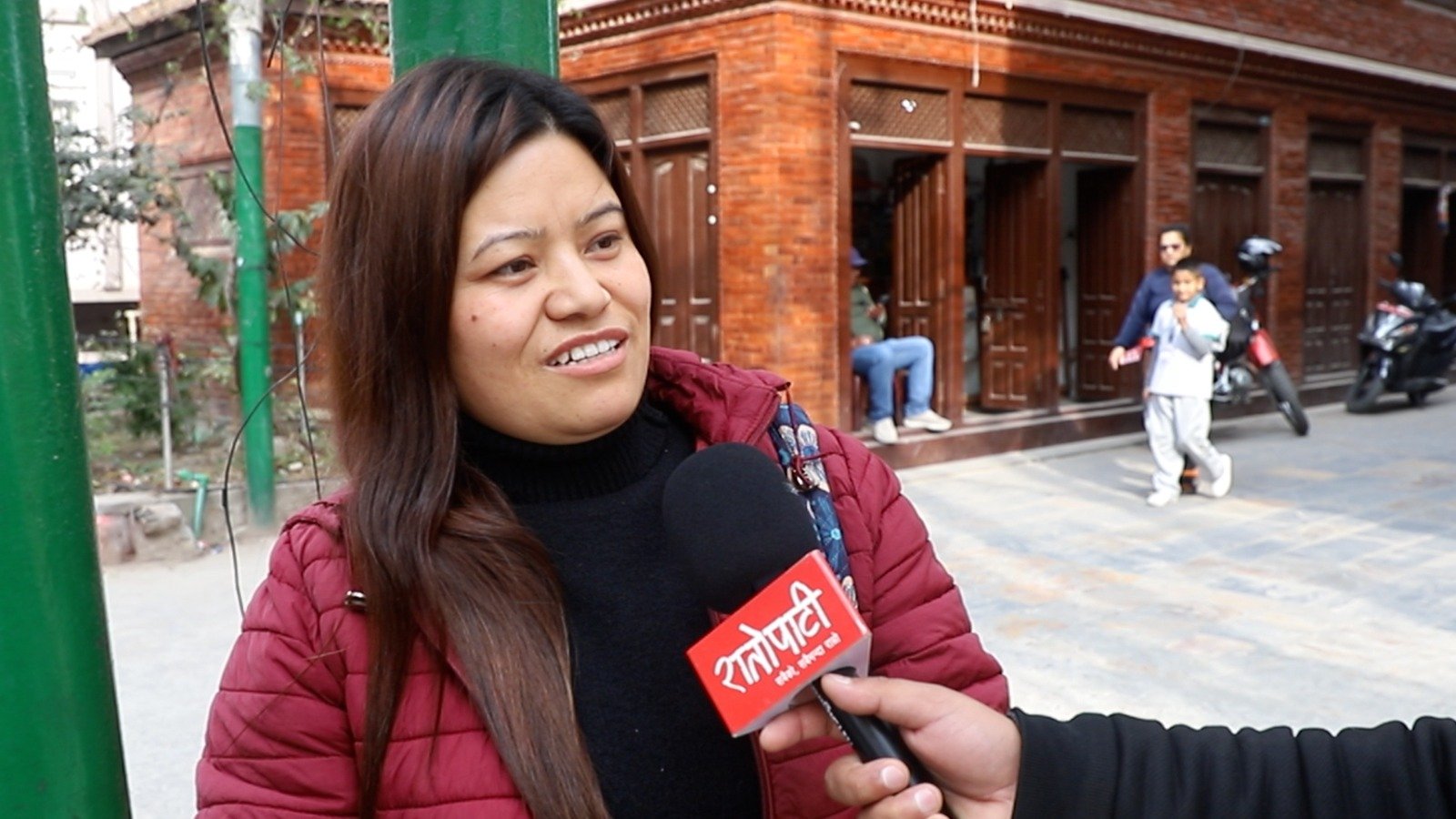
She expressed dissatisfaction with the delays even in basic tasks like filling potholes on local roads and ensuring proper street lighting. She clarified that she would vote for a candidate who can expedite administrative work and prioritize local needs.
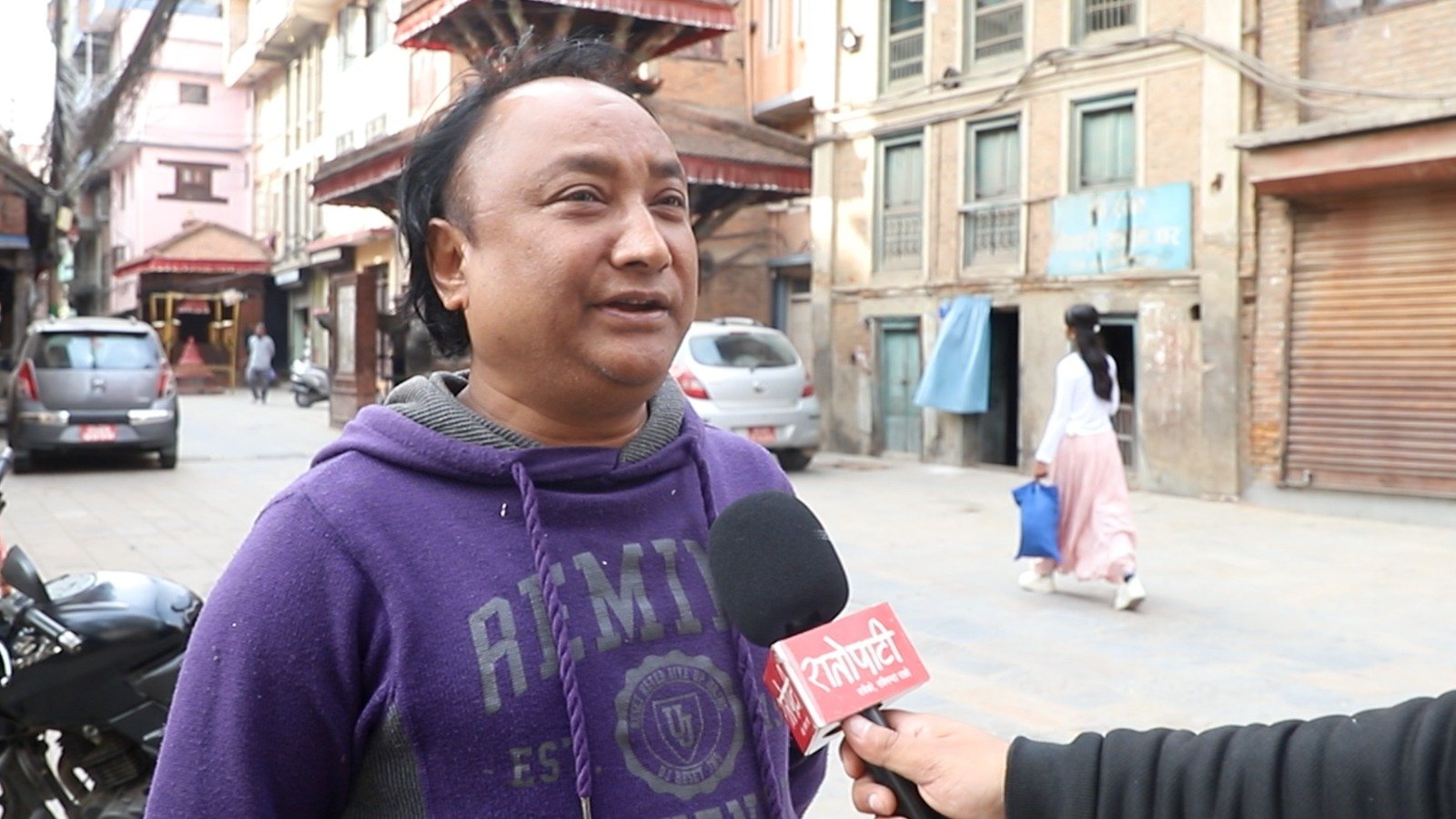
Prem Shrestha from Gwarko stated that peace, security, and job security are the main issues in the country right now. He pointed out the need for a leader who can create an environment where something can be done within the country, as most young people are forced to go abroad in search of work. He believes that since the old leaders have failed to change the country's condition despite getting multiple opportunities, responsibility should now be handed over to the new generation. He also expressed confidence that the public wave towards new candidates is increasing at the local level, and voters will use their discretion this time to stand in favor of change.
This specific news has been automatically translated by AI. As a result, there may be some inaccuracies or language errors.