National Human Rights Commission Issues Recommendations for Fair, Rights-Friendly Elections

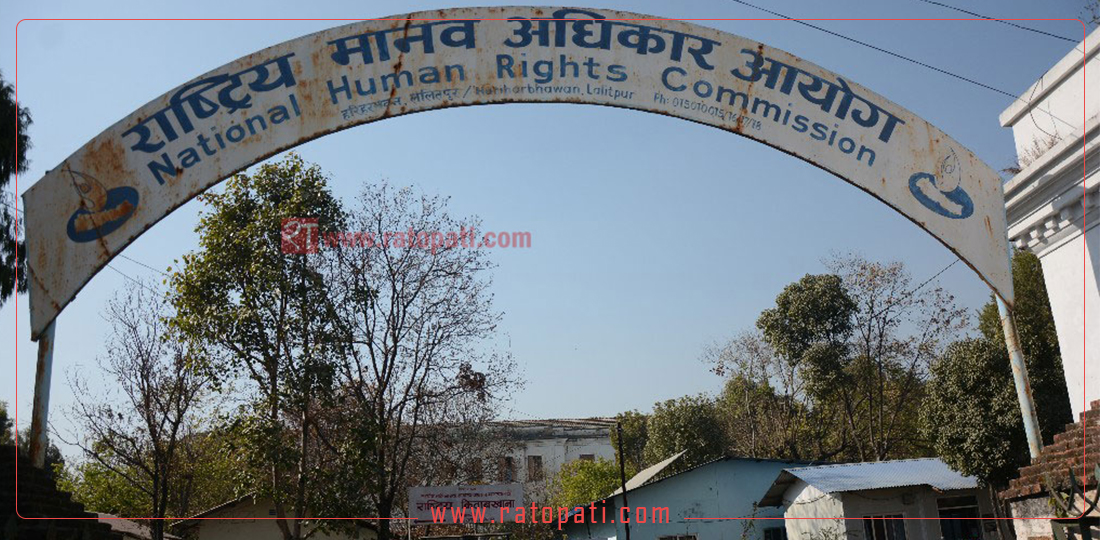
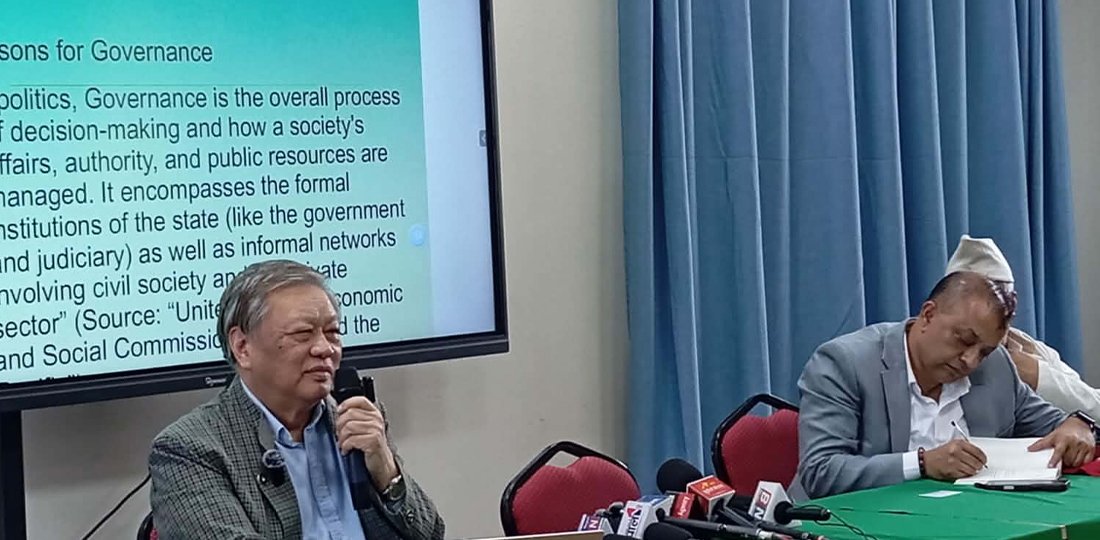
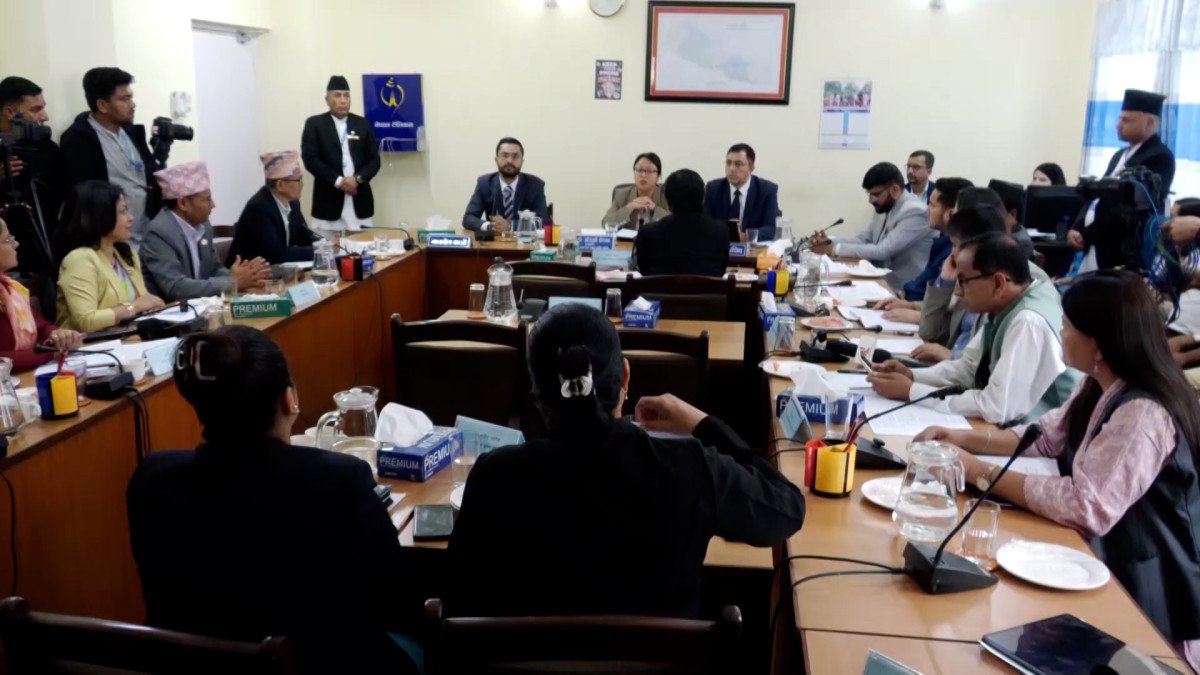
Kathmandu. The National Human Rights Commission has issued various suggestions and recommendations to the government, the Election Commission, political parties, and the media sector to make the upcoming elections impartial, fear-free, and human rights-friendly.
Based on the conclusions drawn from monitoring various past elections, the Commission has urged special vigilance this time.
The Commission is mandated to monitor the status of human rights during all three phases of the election (pre-election, election day, and post-election) in accordance with Article 249 of the Constitution of Nepal and Section 4 of the National Human Rights Commission Act, 2068.
Accordingly, the Commission also informed that it is preparing to monitor the House of Representatives election scheduled for the upcoming Falgun 21.
The Commission recommended that the government take legal action against those involved in human rights violations during the election period and arrange appropriate compensation for the affected families. Furthermore, it emphasized avoiding polling stations in sensitive areas like schools and hospitals, seeking alternative locations, and ensuring accessible polling stations for persons with disabilities.
The Commission suggested to the Election Commission to adopt the 'Electronic Voting System' to make the election process economical and technology-friendly, and to arrange the necessary legal framework to ensure the voting rights of Nepali citizens working abroad. It also requested the collection of voter lists to ensure the voting rights of prisoners and long-term hospitalized patients.
The Commission urged political parties to ensure proportional representation of women and various target groups in the selection of candidates for direct elections, in line with the spirit of the Constitution. It also cautioned against the direct or indirect use of children in election campaigning and warned against hate speech.
Defining the media as the 'fourth pillar of the state,' the Commission suggested prioritizing voter education and transmitting impartial information without favoring any party or candidate. The Commission concluded that the role of journalists is crucial in strengthening democracy by disseminating messages of human rights-friendliness and inclusive representation.
The Commission directed the government and security mechanisms to arrange special and easy access at polling stations for senior citizens, persons with disabilities, pregnant women, and new mothers on election day. The Commission stressed that the right of persons with disabilities to vote with the assistance of a helper of their choice must be fully protected.
The Commission also drew the attention of the relevant bodies to provide necessary training and orientation to security personnel and staff during the election period to bring uniformity to their work and to guarantee the right of all voters to cast their ballots secretly.
This specific news has been automatically translated by AI. As a result, there may be some inaccuracies or language errors.