Disillusionment in Morang-6: Despite Promises, Impoverished Settlements Demand Jobs and Accountability Ahead of Election

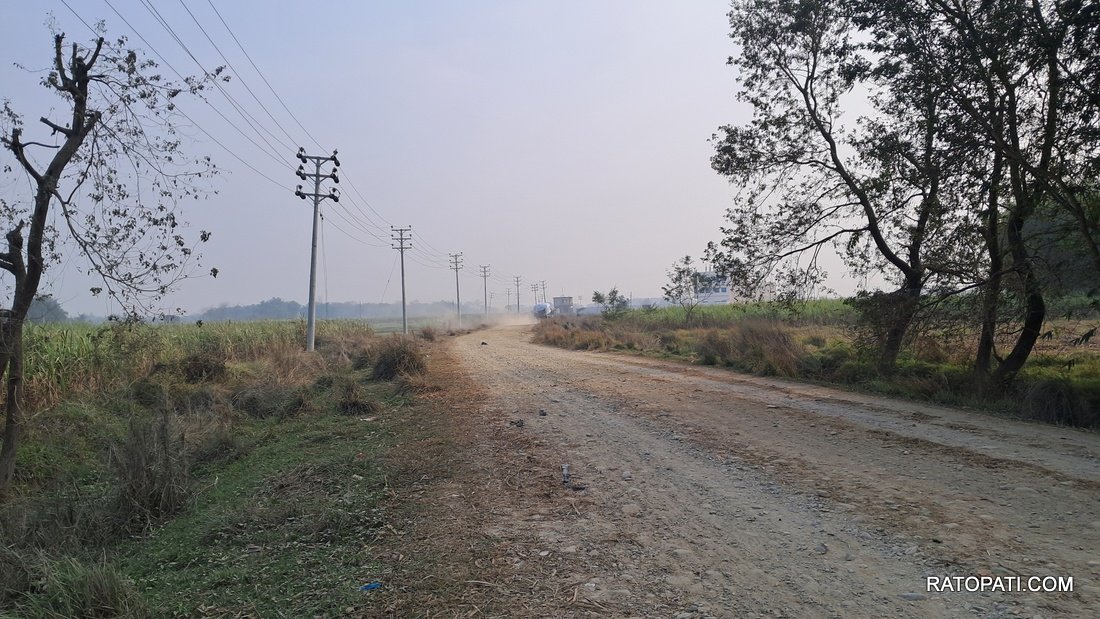
Biratnagar. Biratnagar is the capital of Koshi Province. While the main markets, squares, and alleys of Biratnagar might appear urban, the condition of the impoverished settlements within the same city is pathetic. The sight in the Dalit and marginalized settlements of Wards 4 and 12 of Biratnagar Metropolitan City mocks the provincial capital. Dusty roads, overflowing drains, cattle tethered amidst the settlements, and piles of cow dung everywhere—this is the face of Morang Constituency No. 6. This constituency belongs to Congress leader Dr. Shekhar Koirala, and Biratnagar is also the birthplace of the Nepali Congress.
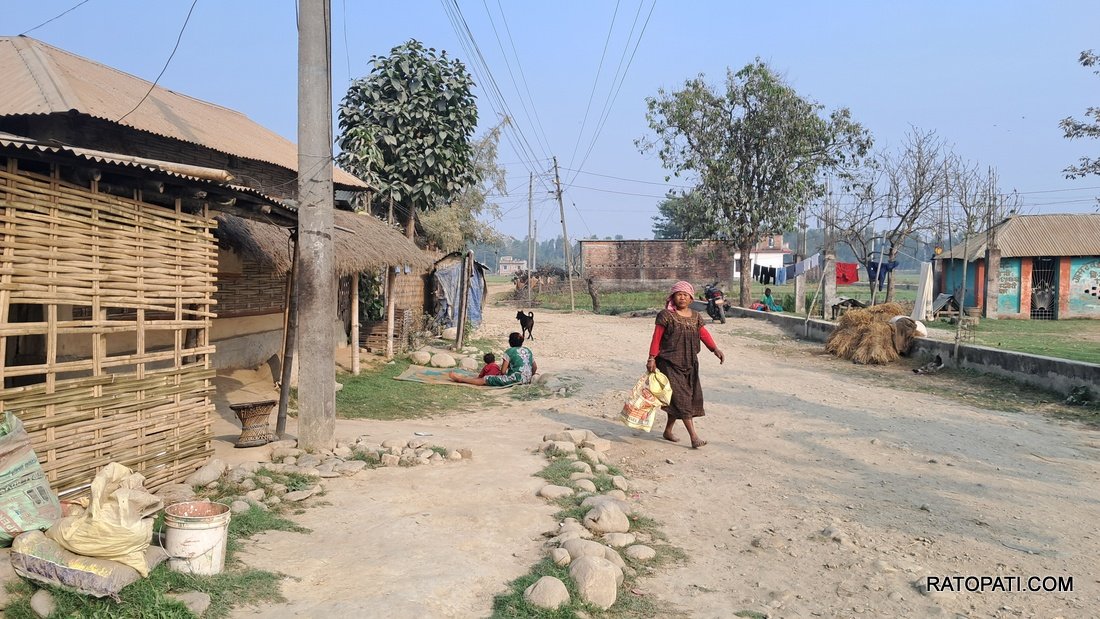
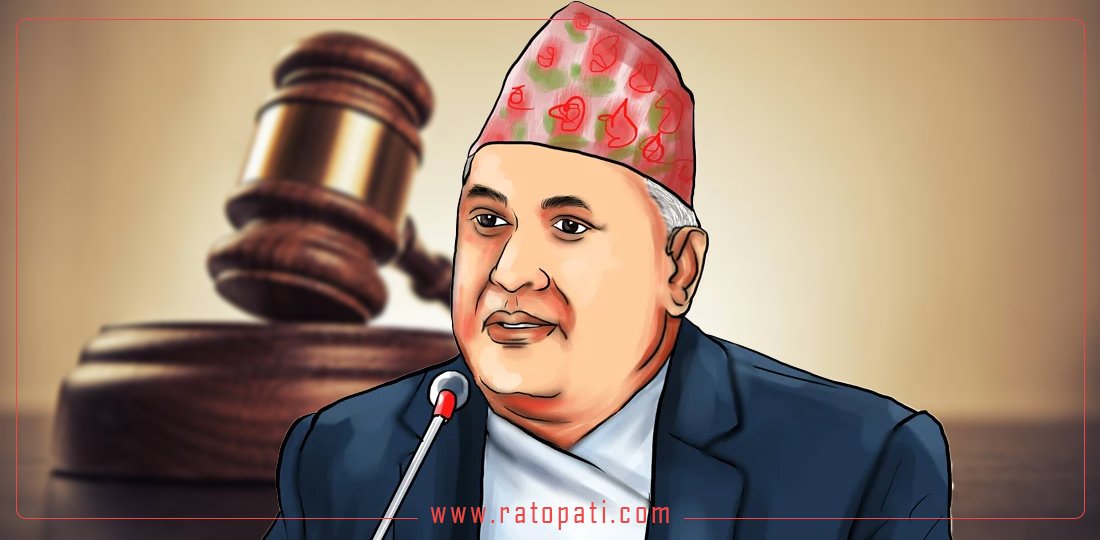
Voters here are preparing to express their rebellion this time through the ballot papers. The atmosphere of the House of Representatives election on Falgun 21 is barely touching these humble, poor settlements. Nepali Congress leader Dr. Shekhar Koirala, who is a candidate from this constituency again, is campaigning with the aspiration of becoming the Prime Minister. Koirala's secretariat released an election poster featuring his picture with the text, 'Under my leadership, I will bring stable government, youth opportunities, and restore public trust.' However, this poster has failed to instill hope in the inner settlements of Biratnagar.
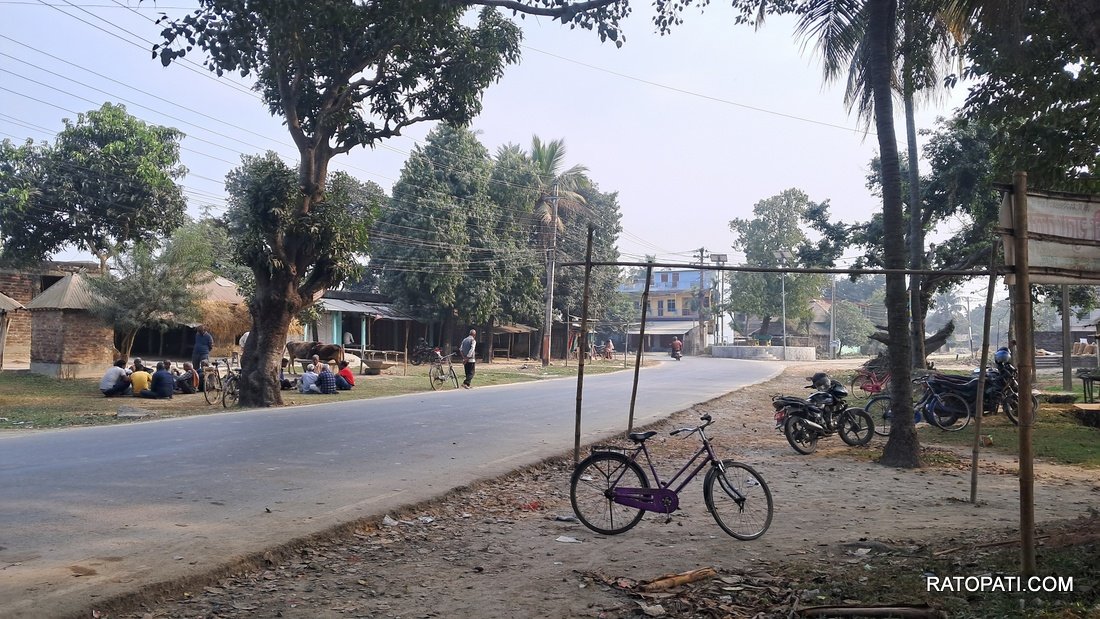
The Congress party has put forward party President Gagan Thapa as the future candidate for Prime Minister. But the people here show no interest in whether it is Gagan Thapa or Dr. Koirala. Amidst internal party maneuvering, he has thrown the Prime Ministerial card before the voters of Morang. But can this card win the hearts of the settlement voters? The question is serious.
Kajal Gaderi from Biratnagar-4, Ikhrahi, has just completed her Bachelor's degree. The poster featuring Koirala's 'youth opportunity' has generated no hope in her settlement. Kajal says, 'I have finished my graduation, but there is no work here. If I go looking for a job somewhere, they offer 5,000, maximum 7,000. I paid more than that in monthly fees for college. It's better to stay home and eat than to work for 5-7 thousand.'
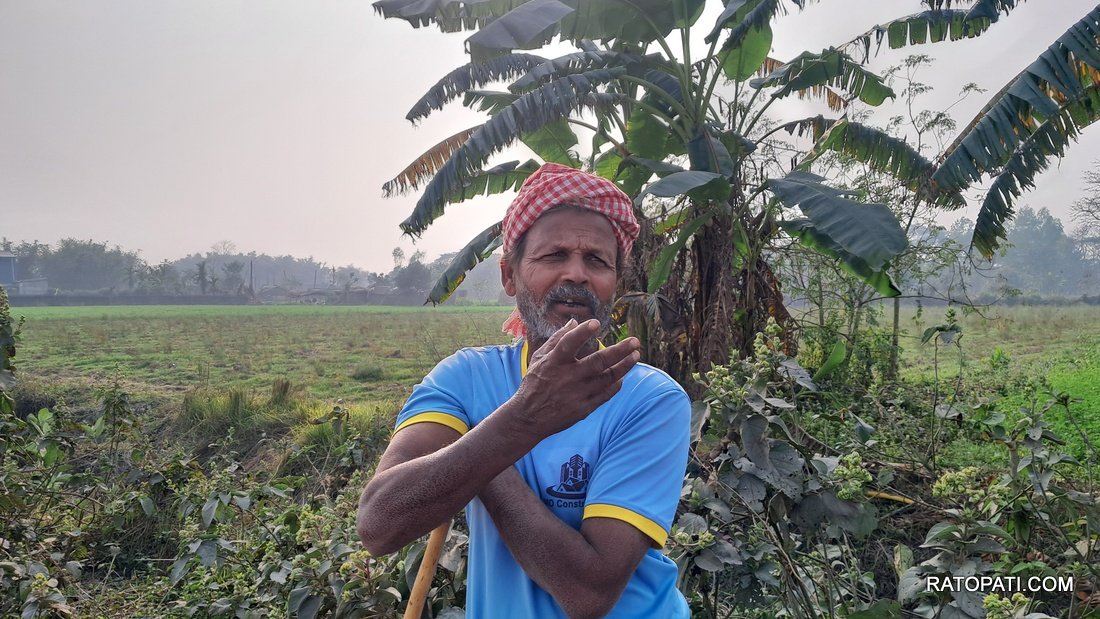
According to Kajal, although leaders talk big about education and employment, there are no opportunities for educated youth at the local level. 'What did we gain by studying? Leaders' children live in mansions, study in good schools, but for us, there is neither a job nor respect. I don't feel like voting for such people anymore,' she expressed her anger.
The plight of 70-year-old Phanaklal Pal from Ikhrahi is even more tragic. He worked very hard to make his son a Civil Engineer. But now, instead of maps and equipment, his engineer son holds the steering wheel of a tractor. Kesarlal says, 'I educated my son as a Civil Engineer. I thought the days would change. But an educated person cannot find a job. Now he is earning a livelihood by driving a tractor in this very settlement.' Despair is evident in his voice. 'Our educated son has to drive a tractor, while the leaders' people eat for free? What is the value of an educated person here? There is no value for education in this country,' he said. Living near a paved road, he emphasizes that a road alone is not enough; employment is necessary. 'A road is not enough for us. Does it feed us? We need employment to eat,' he said. 'We are human beings, but we have no value as humans. There are no jobs, no work; the youth take drugs, commit robberies, and end up in jail. All this happens due to a lack of employment. What will educated people do if they stay at home?'
A 76-year-old man from Biratnagar-4, who wished to remain anonymous, has been closely observing the Nepali Congress for years. He is also an active member of the Congress. But this time, he says he will not vote for the Congress.
On condition of anonymity, he says, 'I voted for Congress my whole life until I got old. I even voted for Shekhar Koirala to win. But after winning, he never returns to the settlement. Can an old man not even meet his leader? Now he is going around saying he will become Prime Minister; how will he be if he wins?' According to him, the youth in the settlement are currently attracted to new parties rather than Congress or UML.
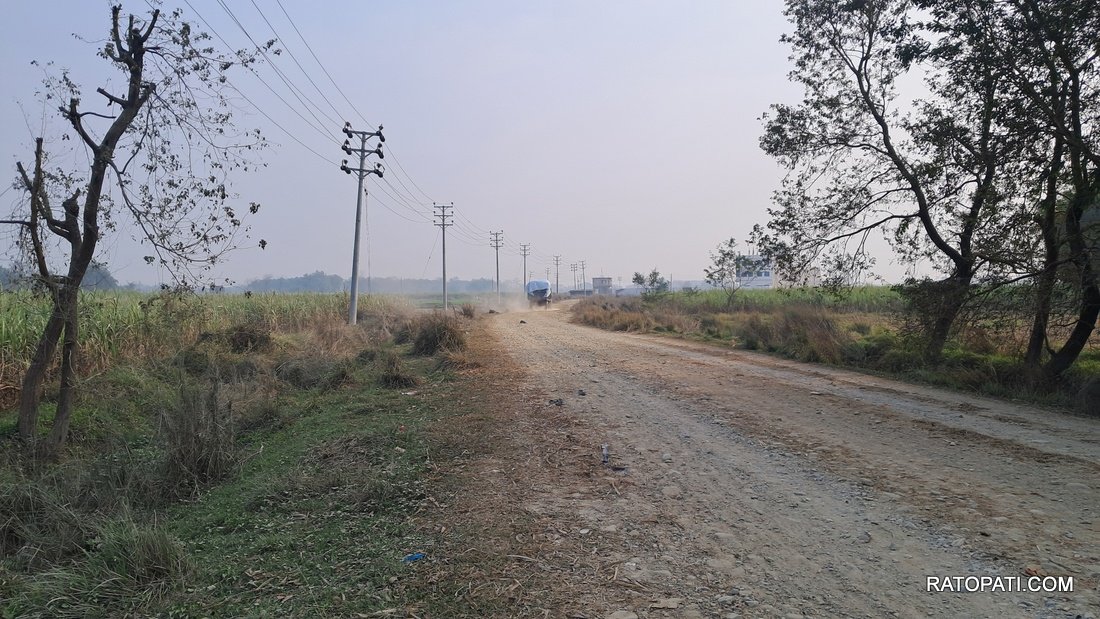
In the settlements of Malhanuwa in Biratnagar-12, the topic of discussion for Lakhu Rajbanshi and Padamlal Rajbanshi is also about change and shifting votes. Lakhu says, 'No one has come yet, son. Everyone around says they will vote for the bell symbol this time. We have elected many people. The road and drainage in our settlement have never been fixed; now we will look at someone new.'
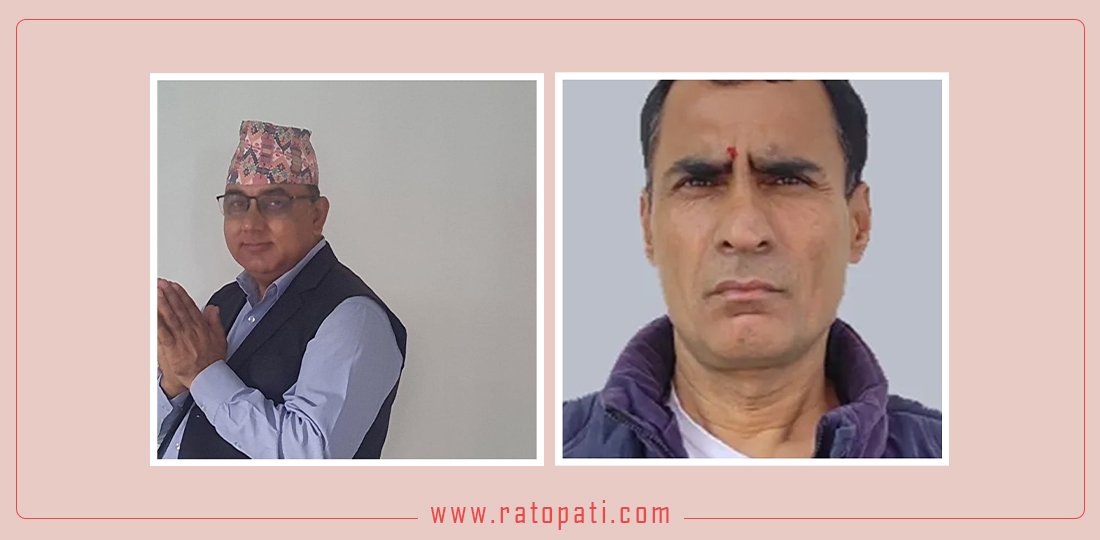
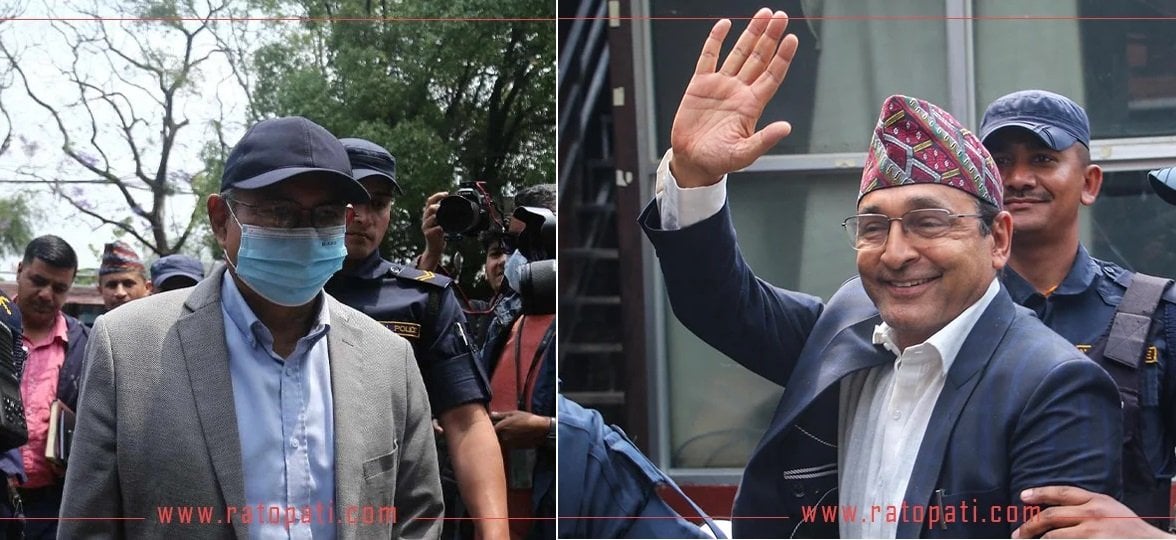
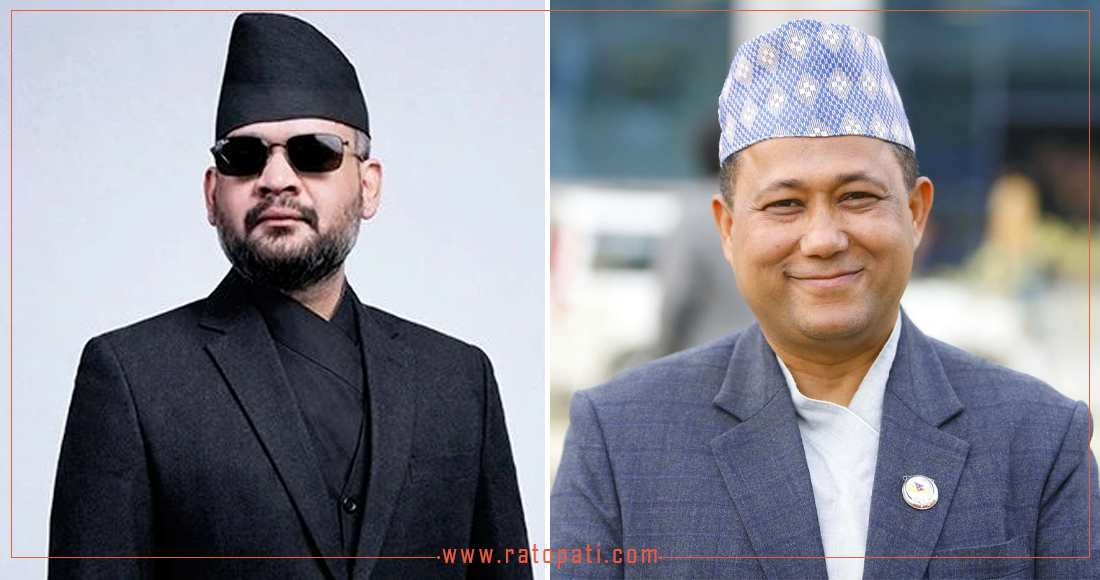
Koirala is aiming to preserve his undefeated legacy in this constituency. In the 2079 election, he defeated UML's Lalbabu Pandit by a margin of over 12,000 votes, but this time, UML has fielded Binod Dhakal in the electoral arena. Dhakal is strategizing to avenge his defeat from 17 years ago. Dr. Koirala had defeated Dhakal in the 2065 by-election. However, Rubina Acharya of the Rastriya Swatantra Party (RSP) poses a significant challenge to both of them.
In the 2079 election, in the proportional representation category, Congress received 23,710 votes, UML 19,389, RSP 11,526, RPP 10,641, and the then CPN (Maoist Centre) received 8,185 votes.
In 2079, RSP received over 9,000 votes under the first-past-the-post system here. It is estimated that RSP's vote share will increase this time. The wave of new parties in the slum and Dalit settlements seems to be pushing back Dr. Koirala's dream of becoming Prime Minister.
The single voice heard when visiting the settlements is, 'Assurances do not fill the stomach.'
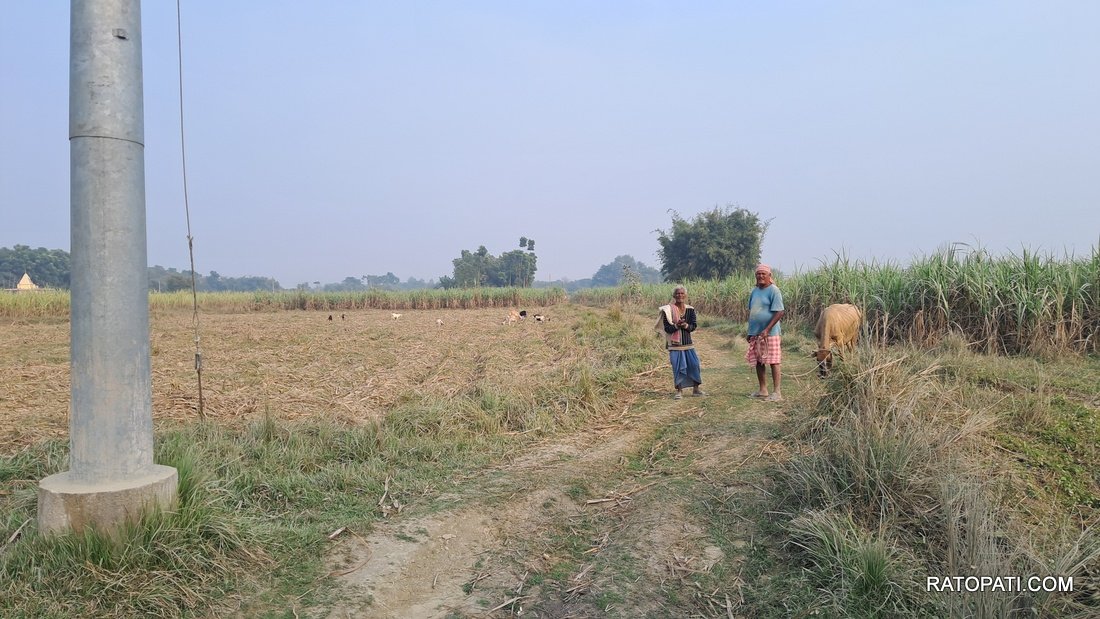
Although Dr. Koirala says on his poster, 'I will bring back the trust of the people,' the voters' trust appears to be eroding. The squatters in Wards 4 and 12 are suffering from problems ranging from land ownership documents to flooding.
The main agenda raised by voters in these settlements of Biratnagar is the need for employment. They also demand that leaders should visit regularly for meetings after winning the election. Furthermore, the community demands relief from flooding during the monsoon and the construction of embankments along the Kesaliya River.
Tilak Dhakal from Biratnagar-12 also says he will change his vote this time.
The main competition in this constituency appears to be between Congress's Koirala, UML's Dhakal, RSP's Acharya, and CPN's Opendra Rai. The political history of Morang-6 is not stable. In the eight elections held since 2048 BS, voters here have elected a new face seven times.
_cVEez8pOvu.jpg)
_gksridrzZP.jpg)
_iHZUhiyTT1.jpg)
- Voter Demographics
Morang Constituency No. 6 has 137,832 voters. According to the Election Commission's data, the number of male voters in this constituency is slightly higher than that of females. Among the total voters, there are 70,617 male voters, 67,214 female voters, and 1 other voter. For the election, 39 polling stations and 149 polling centers have been designated.
Morang 6 encompasses 7 wards of Biratnagar Metropolitan City (4, 5, 6, 7, 9, 11, and 12), Wards 1 to 7 of Budhiganga Rural Municipality, and Wards 2 to 7 of Sundarharaincha Municipality. In terms of voters, the wards of Biratnagar Metropolitan City are decisive. Specifically, Ward No. 4 has 12,630 voters and Ward No. 6 has 12,811 voters. Budhiganga Rural Municipality will have 32,369 voters casting their ballots. The wards falling in Sundarharaincha Municipality have 39,890 voters.
This specific news has been automatically translated by AI. As a result, there may be some inaccuracies or language errors.