Chitwan's Narayani River: A Winter Haven for Migratory Birds and Wildlife

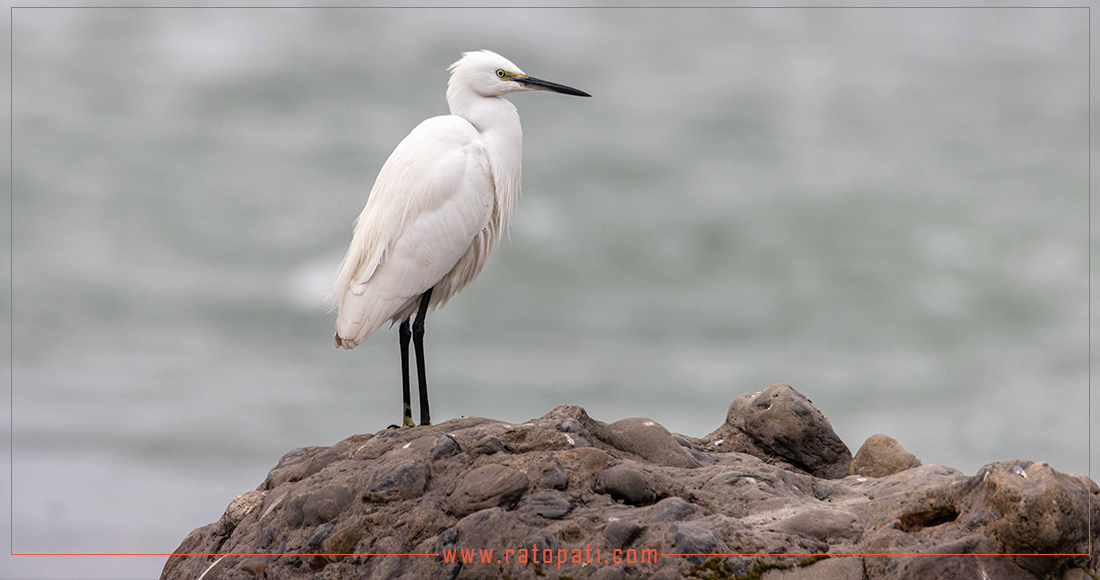
Chitwan. The natural scenery visible around the Narayani River area during the winter season is extremely captivating. The river shrouded in morning mist, the riverbanks, and the surrounding grasslands come alive with the activity of winter migratory birds and local wildlife. The Narayani River is an important sanctuary for thousands of migratory birds that travel thousands of kilometers every year from North Asia, Siberia, Central Asia, and the Tibetan Plateau to Nepal.
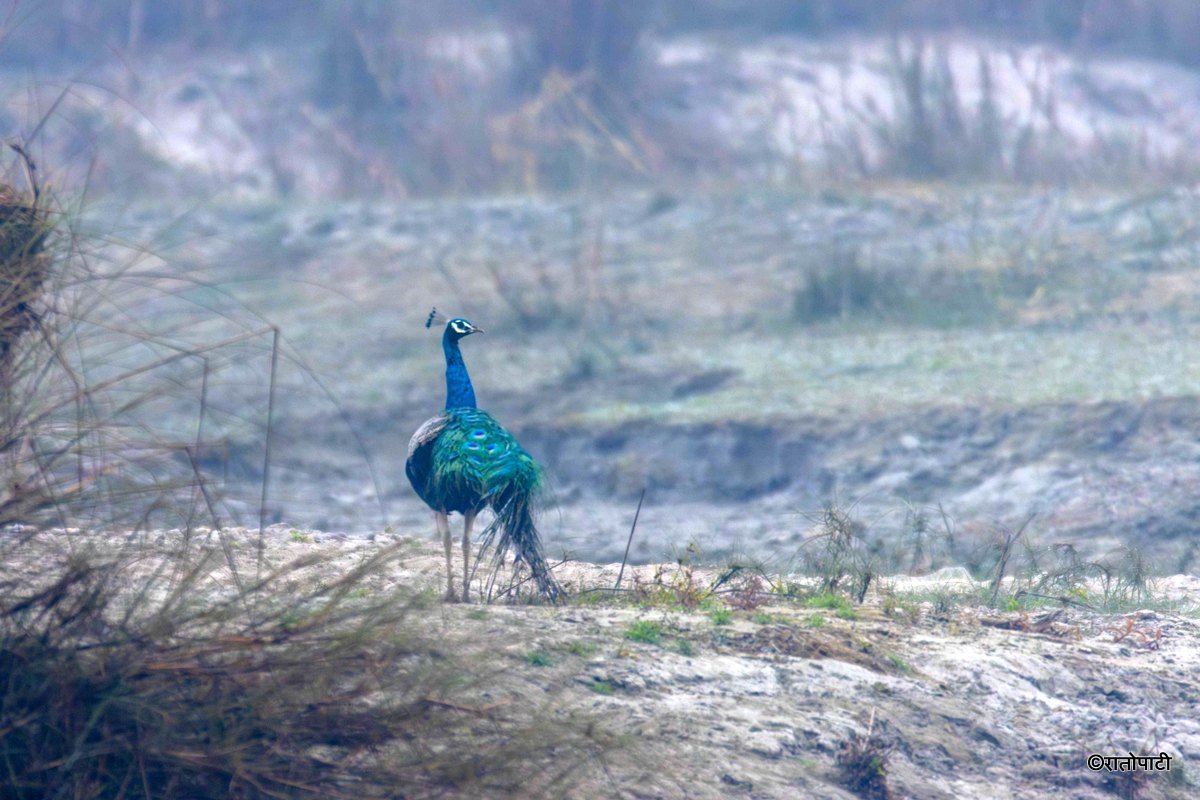
Major migratory birds such as the Ruddy Shelduck, Bar-headed Goose, Eastern Imperial Eagle, and Little Ringed Plover can be seen in this area. Furthermore, the presence of waterfowl like the Goosander and peacocks in the nearby forest areas further enriches the biodiversity here. These birds migrate towards Nepal in search of warmer weather, safe habitats, and abundant food when the northern regions experience extreme cold, snow, and scarcity of food. Riverine, wetland, and riverbank areas like the Narayani are suitable places for them to spend the winter.
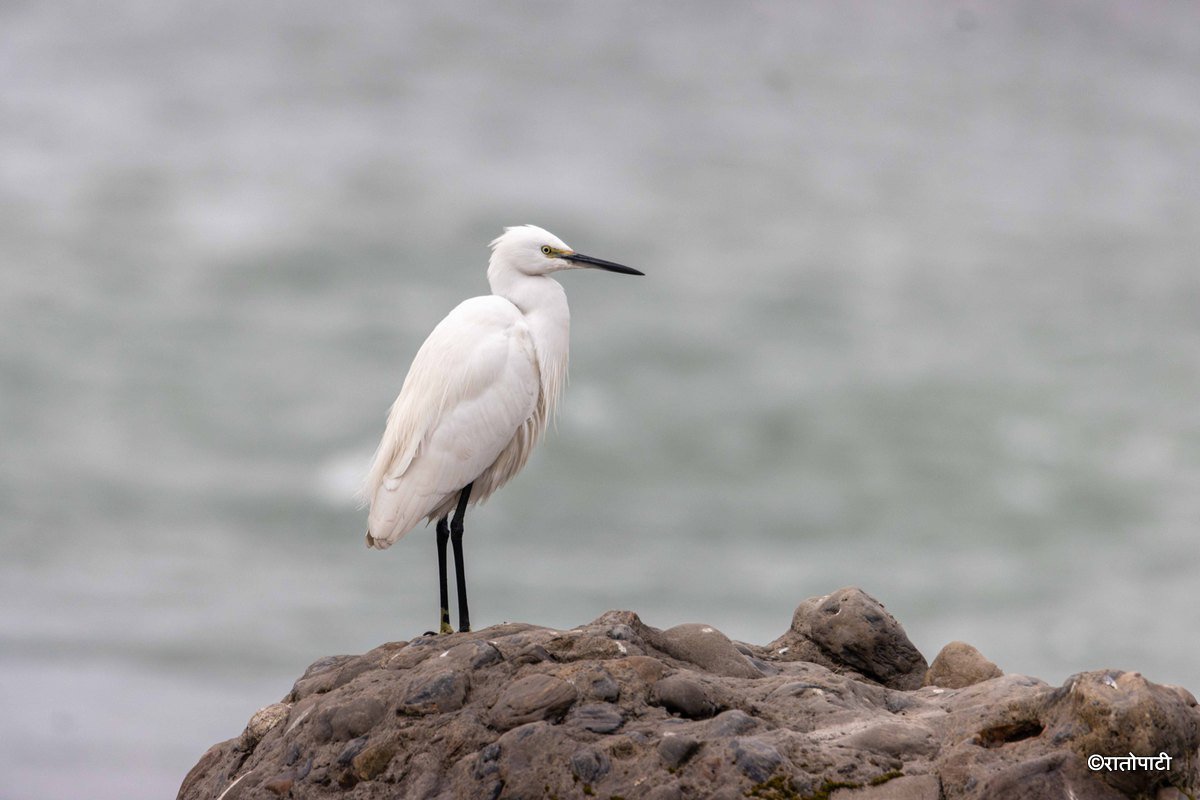
All these species play a vital role in maintaining the ecological balance of this region. Winter migratory birds are important indicators of the health status and environmental balance of Nepal's wetlands. However, the habitats of these birds are increasingly at risk due to wetland shrinkage, river pollution, illegal hunting, and growing human pressure. Therefore, the conservation of the Narayani River and its associated wetlands is extremely necessary.
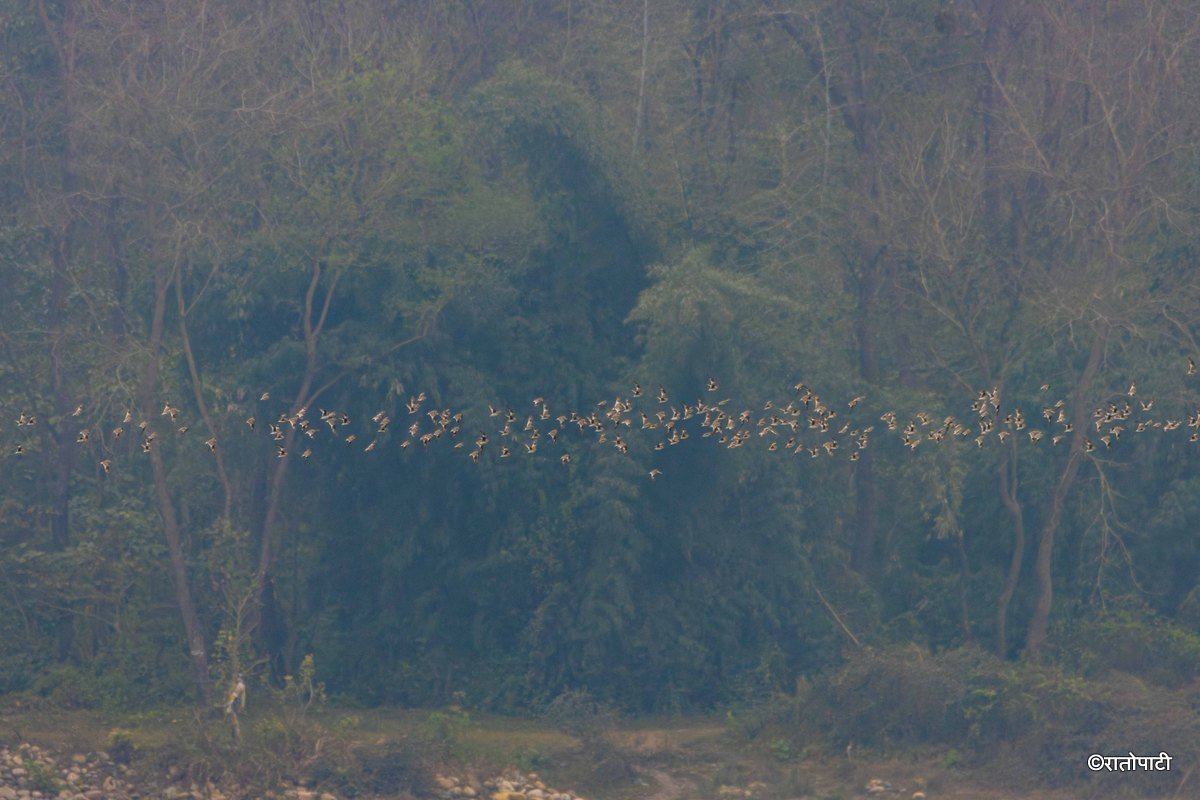
Protecting these beautiful birds and wildlife is not just about safeguarding biodiversity, but also about ensuring the future of natural heritage, tourism, and future generations. These scenes observed on winter mornings on the Narayani River carry a deep message of conservation alongside the beauty of nature.
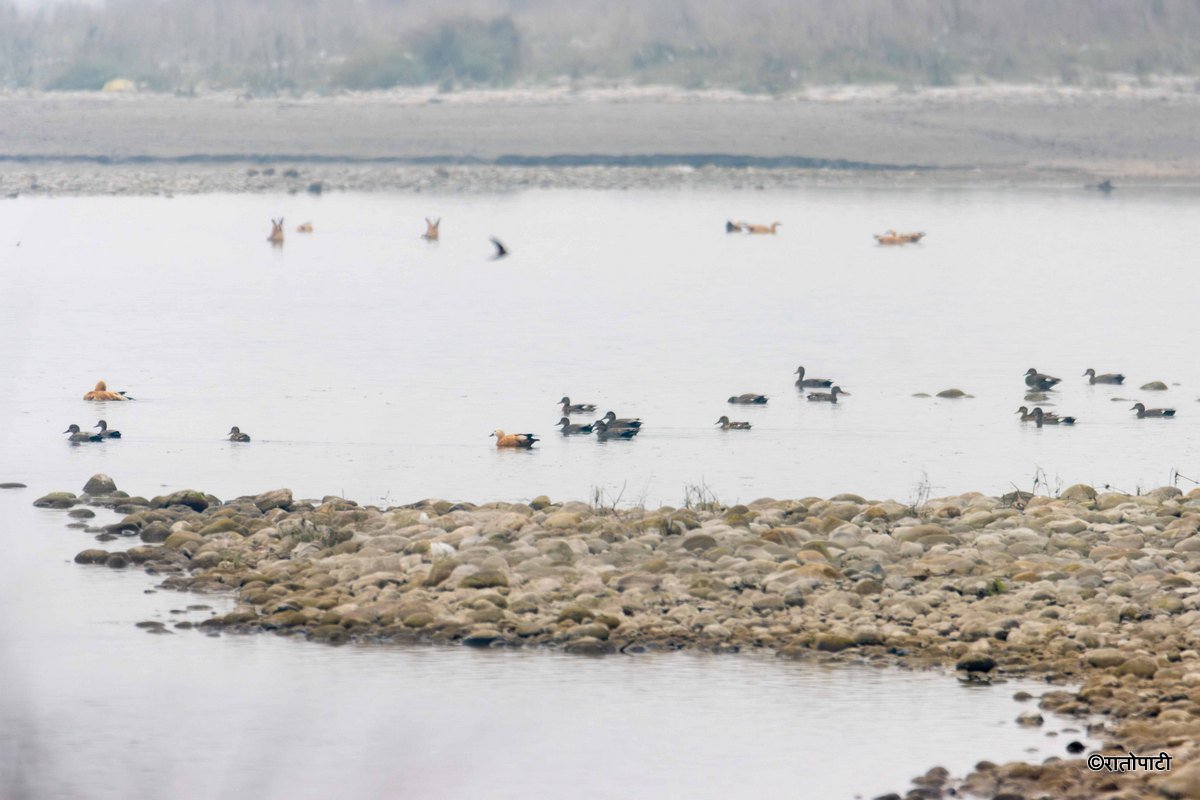
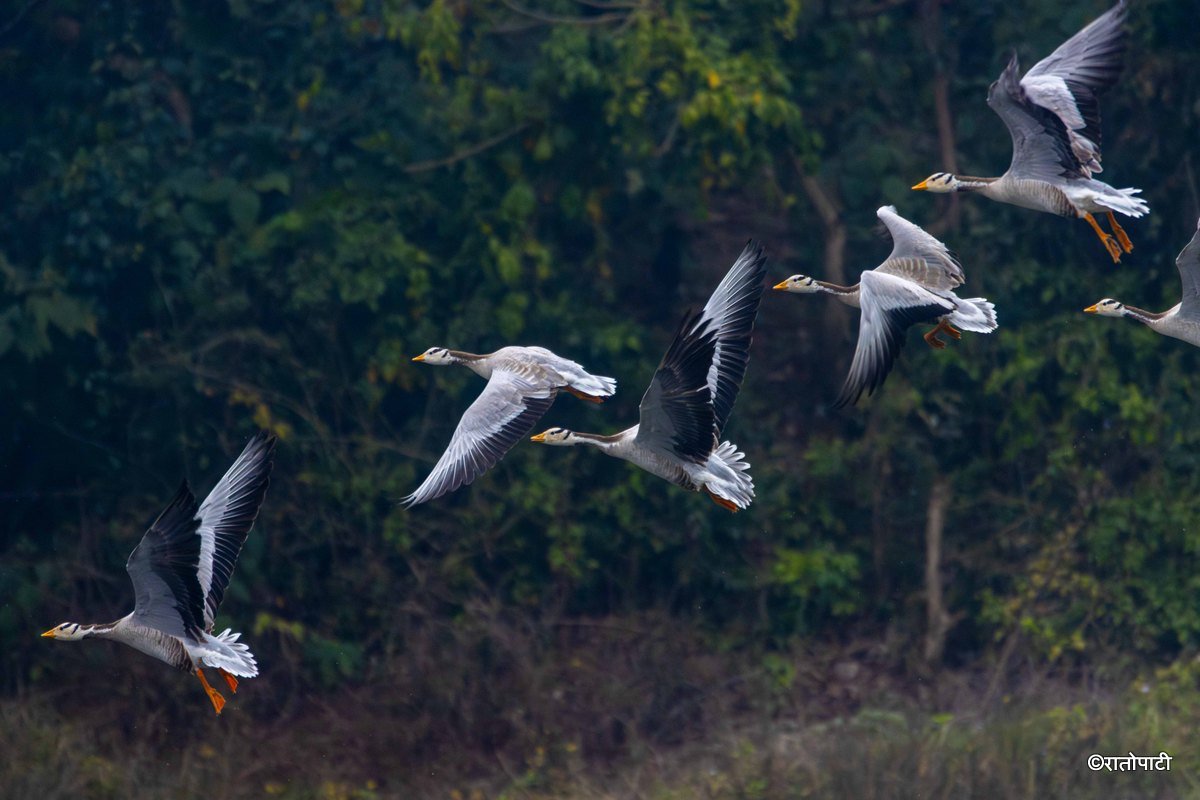
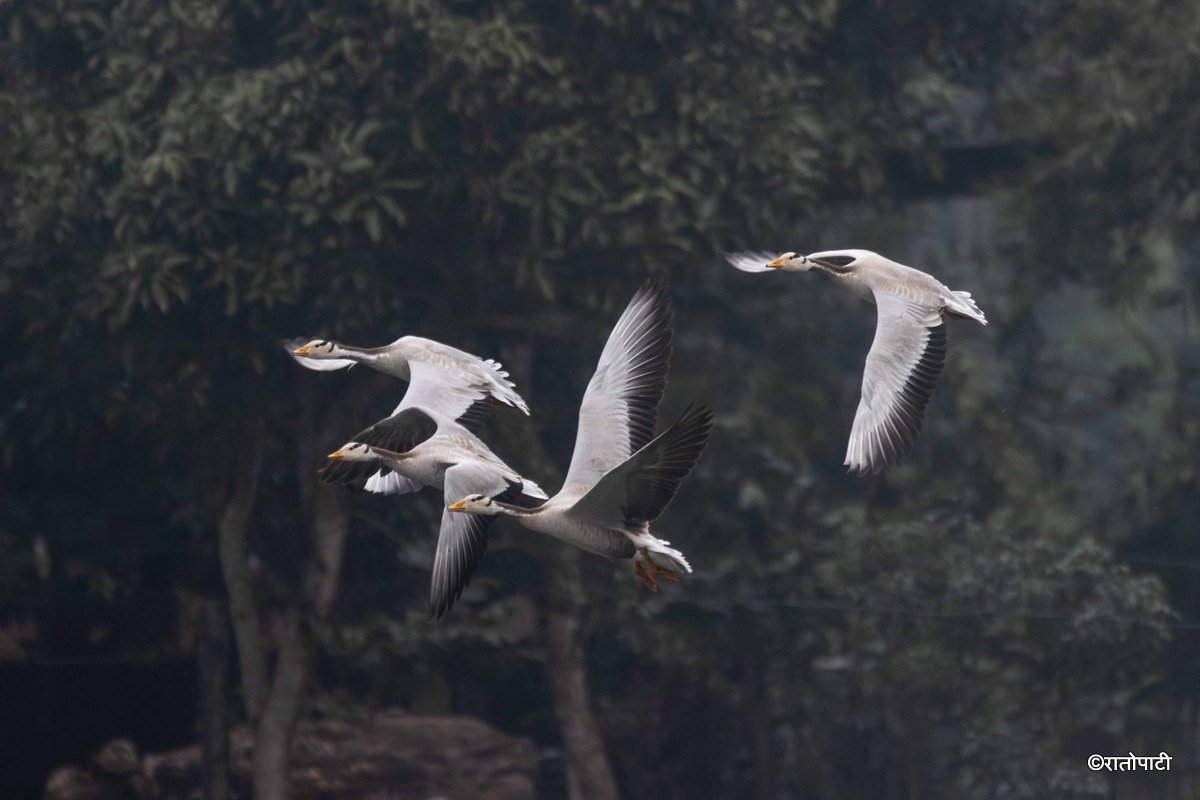
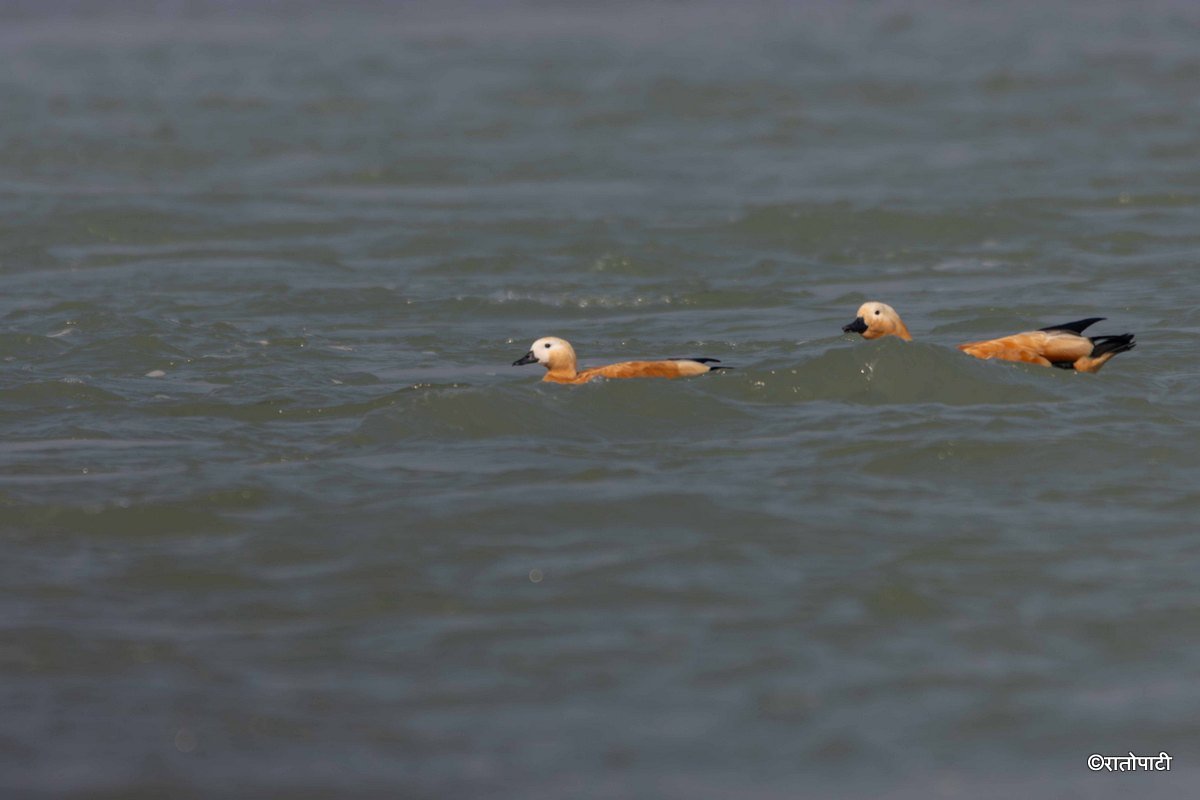
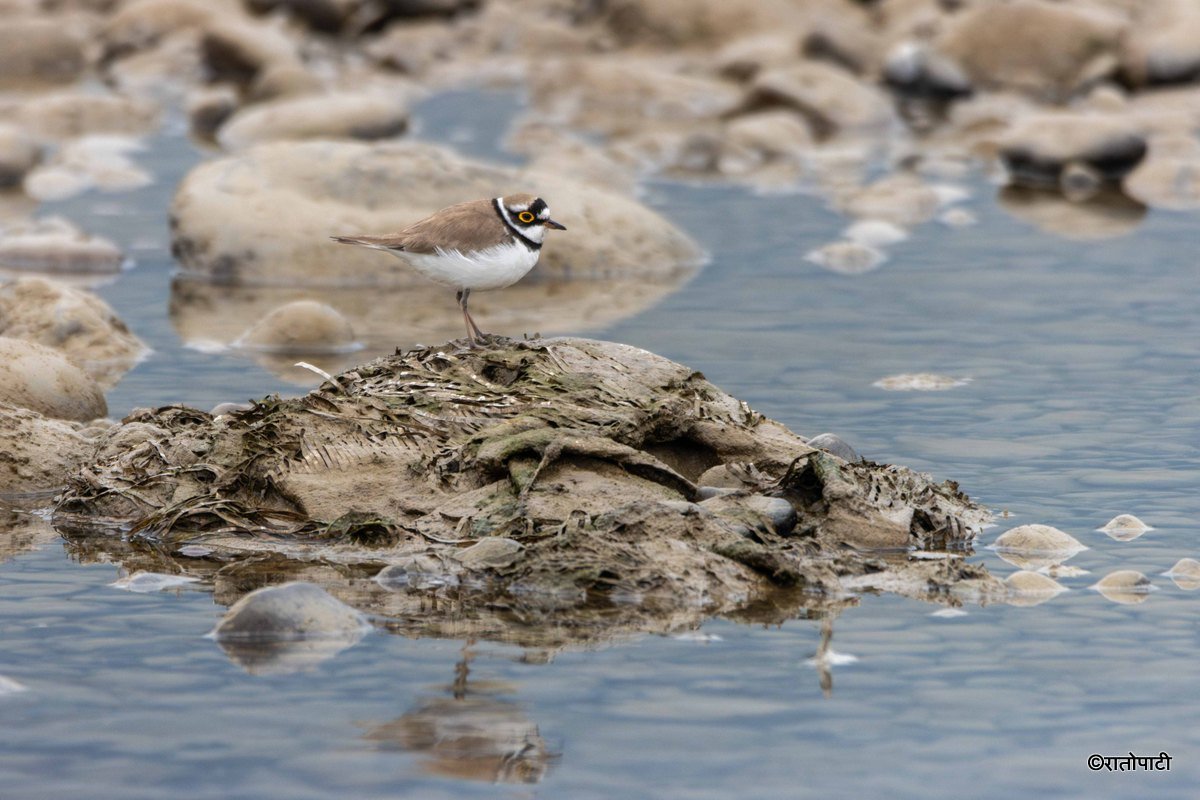
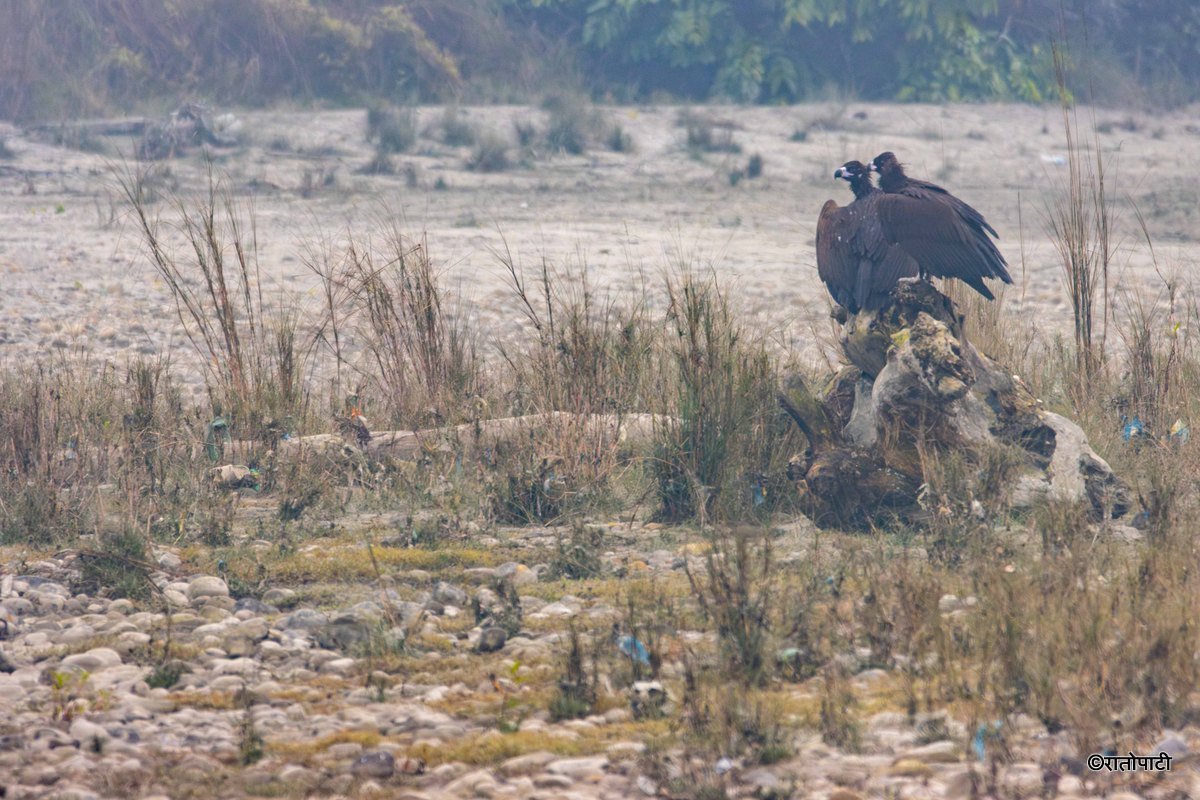
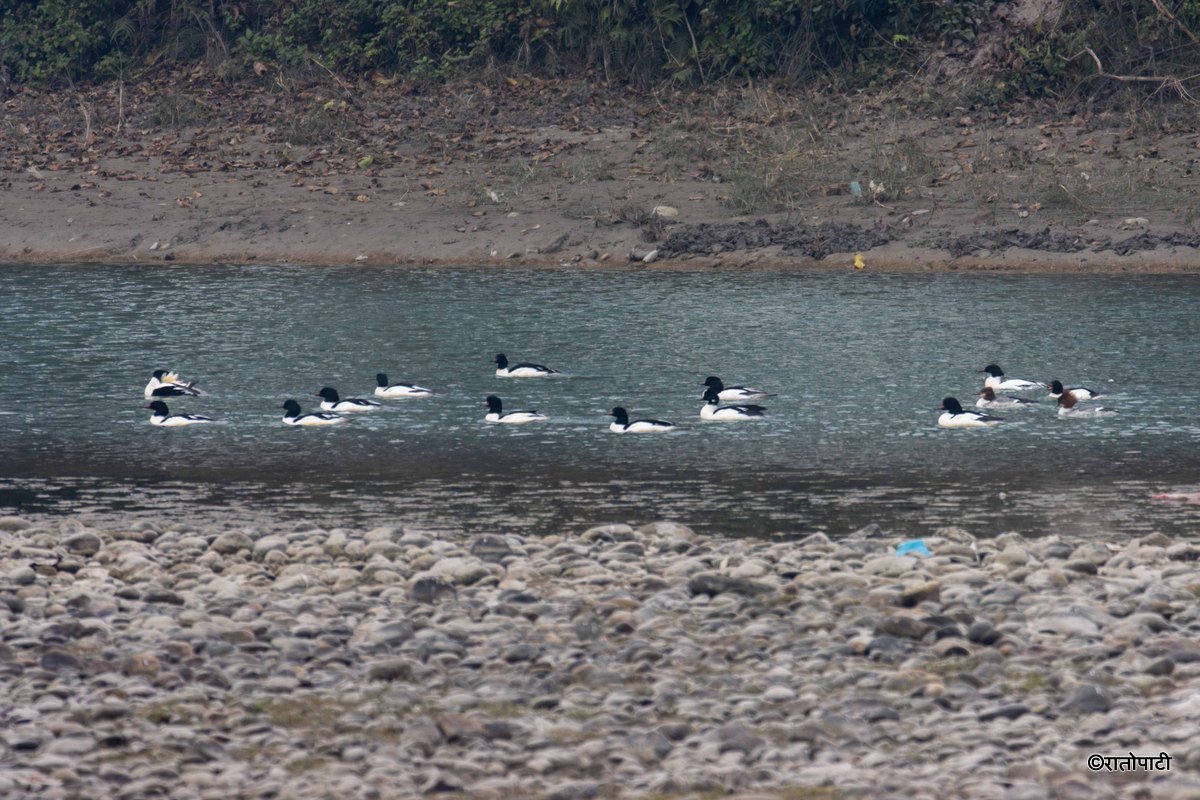
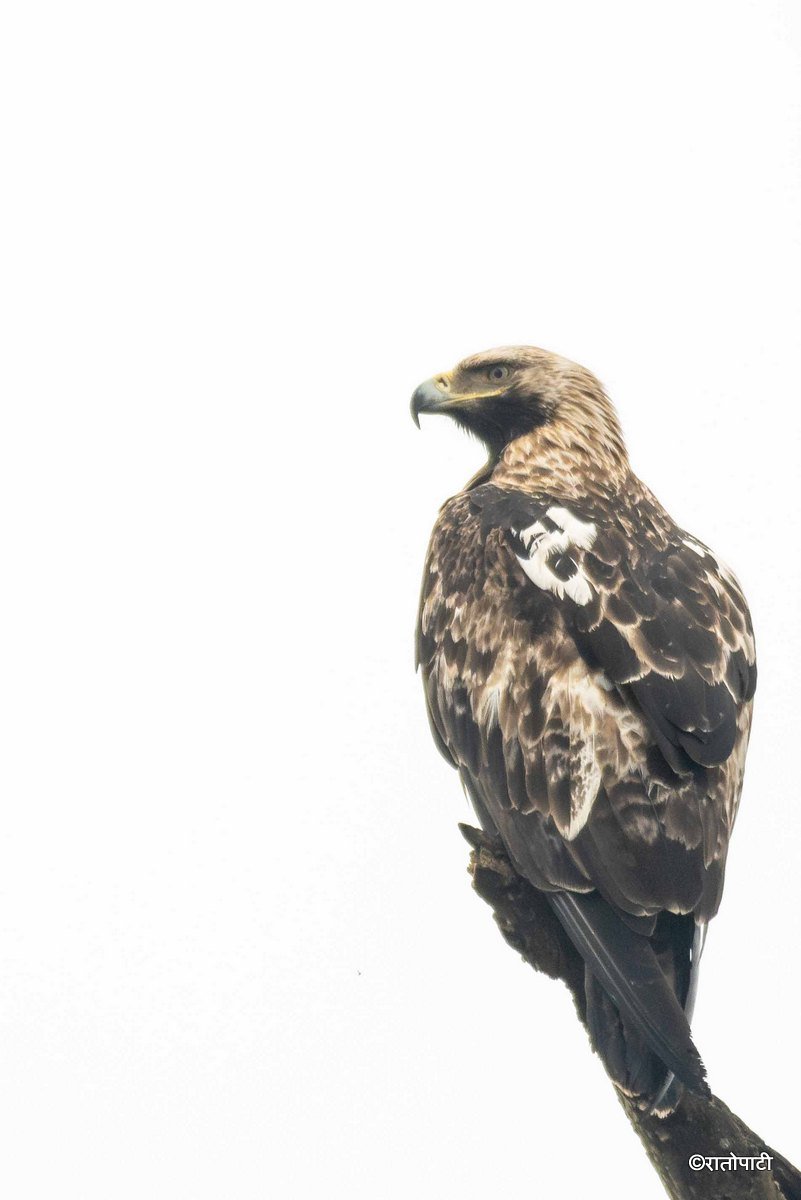
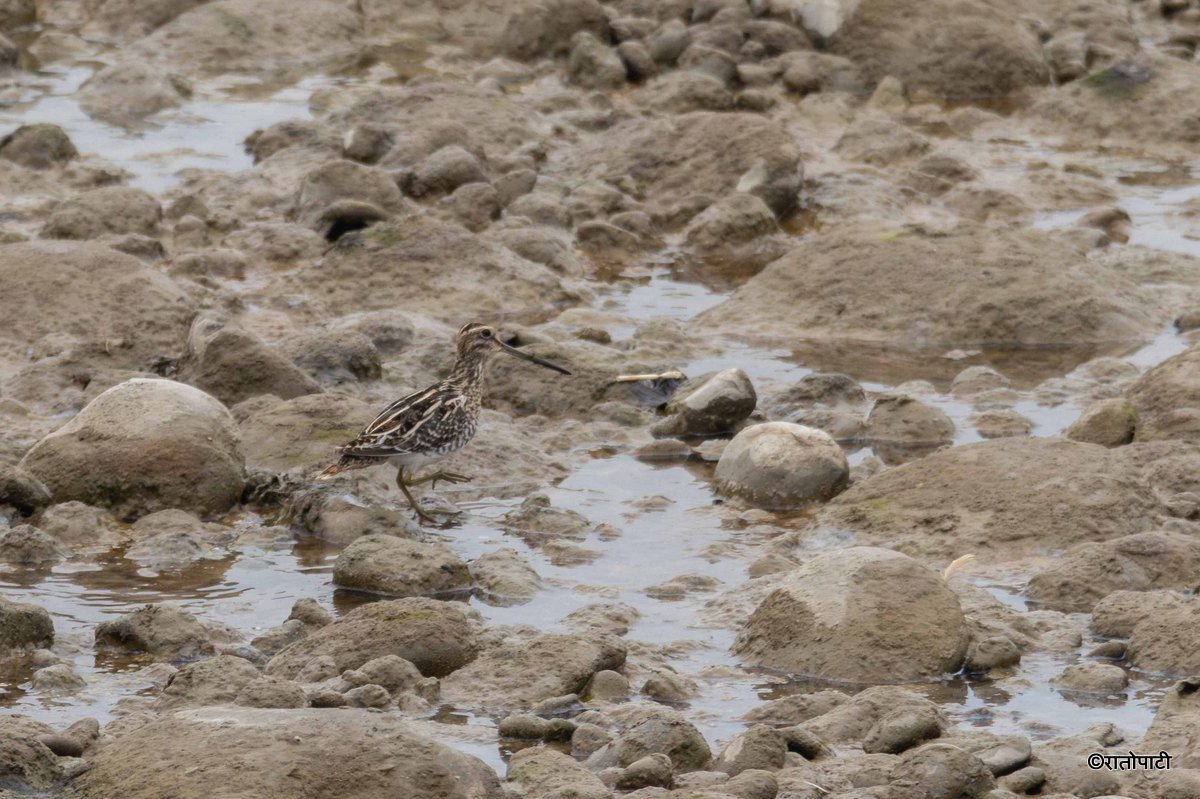
Photo: Drishanta Bidari / Nepal Photo Library
This specific news has been automatically translated by AI. As a result, there may be some inaccuracies or language errors.
_XkMkkphPJb.jpg)