Morang-3 Election Battleground: Shifting Loyalties and Highly Educated Candidates Define Race

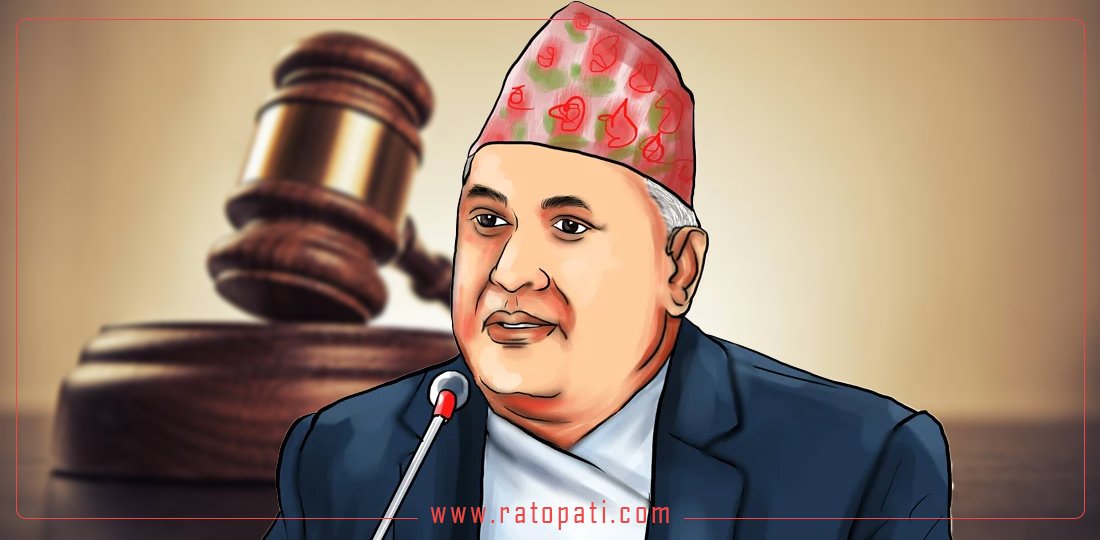
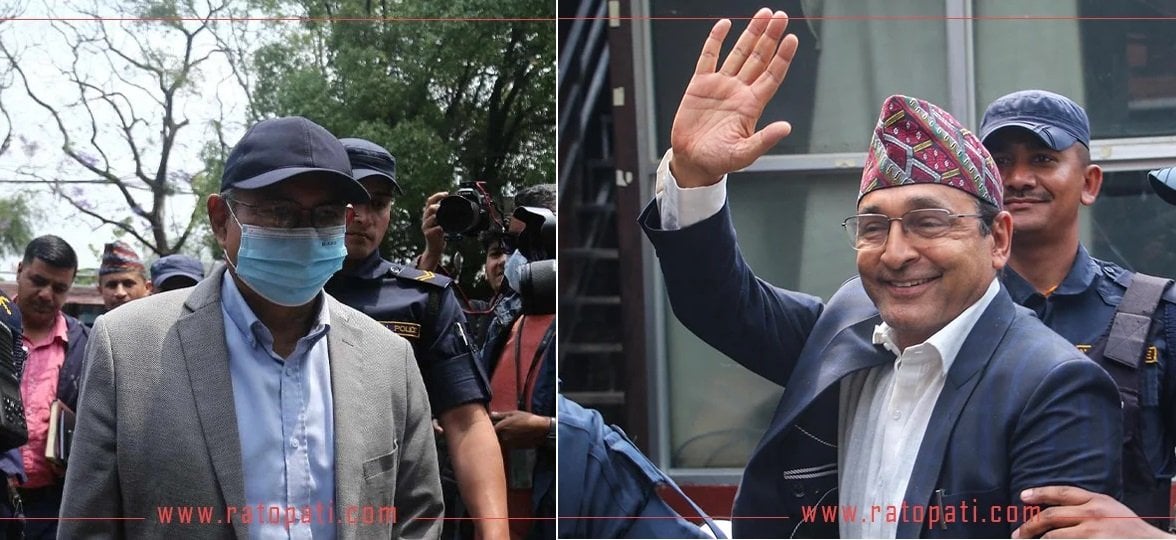
Biratnagar. In the 2074 elections, UML leader Bhanu Bhakta Dhakal defeated Nepali Congress's Dr. Sunil Sharma by a margin of over 3,000 votes in Morang's Constituency 3. At that time, UML's Dhakal was supported by the then CPN (Maoist Centre)-led left alliance.
In the 2079 elections, Sharma and Dhakal competed again, but the alliance shifted. Sharma defeated Dhakal, who is also a secretary of the UML, by a margin of over 22,000 votes. Dhakal has now left that constituency for Tehrathum. The UML has nominated Iran Rai as its candidate in his place.
In the 2079 elections, Sharma's popularity soared alongside Dhakal's unpopularity. To boost his popularity, Sharma utilized Nobel Medical College and Teaching Hospital, which he owns, for the past five years. He provided free treatment to anyone from the constituency upon showing their citizenship card. He also organized hundreds of free health camps across the constituency. He gained popular votes based on this foundation.
Dr. Sharma continues to provide that service to the people of the constituency even now. He currently has no other agenda, stating he will further strengthen health services. However, voters are currently in a state of both indecision and division over whether to choose Sharma or a new candidate this time.
_wNF6y2qDVX.jpg)
The Rastriya Swatantra Party (RSP), which is gaining electoral momentum across the country, has nominated Ganesh Karki as its candidate from this constituency. The CPN has put forward Dr. Deuman Sambahamphe for this constituency.
The results of the 2079 elections and the current proportional representation vote status have made the competition here even more interesting. In the previous election, Congress's Sharma won with 48,631 votes, while his closest competitor, UML's Dhakal, received 25,895 votes.
But the situation is different this time. CPN (Maoist Centre) and CPN (Unified Socialist), who supported Sharma in the last election, have fielded their own candidate, Dr. Sambahamphe, in the electoral field this time. Based on the proportional votes, Congress had 29,859 votes and UML had 25,028 votes here, while RSP received 14,408 votes and RPP received 9,372 votes. The combined votes for CPN (Maoist Centre) and CPN (US) in this constituency during the proportional voting were 8,616.
Based on the local level election results, UML appears to have a strong hold here. UML won all the municipalities: Pathari Shanishchare, Kanepokhari, Belbari, and Sundarharaicha. Only the Deputy Mayor position in Belbari was won by the Congress. In terms of specific areas, Ganesh Karki of RSP is gaining significant traction in the Pathari market area. Being a new party and a young candidate, RSP seems to have attracted voters there. A triangular contest is expected between UML, RSP, and Congress in the Belbari market area, while Kanepokhari has traditionally been considered a stronghold for UML. In some wards of Sundarharaicha, UML, Congress, and RSP received nearly equal votes in the previous election, making those wards decisive this time.
- Growing Attraction Towards the New
Dissatisfaction with the old political parties and the growing attraction towards new forces in this constituency signal that the results of the upcoming election will be very interesting. Local experiences suggest a significant shift in voter psychology in various wards of Belbari, Sundarharaicha, Pathari Shanishchare, and Kanepokhari.
According to Yogendra Bastola, a former teacher from Belbari-11, the number of people thinking of changing their vote in the villages this time is extremely high compared to the past. Claiming that about 50 percent of voters are attracted to new parties, he stated that widespread public dissatisfaction has arisen because the old parties failed to meet people's expectations.
_HAmBuLwDp2.jpg)
The impact of this changing psychology is clearly visible among older voters in Belbari. 80-year-old Bhojraj Dhakal, who previously voted for UML, is now inclined not to vote for UML this time, while 82-year-old Bhairav Ghale has not yet decided whom to vote for. However, some voters like 85-year-old Shadananda Ghimire still appear loyal to their old party, Congress.
Shrinarayan Khawas from Sundarharaicha-1 demands that the next representative focus on infrastructure, road paving, and hospital improvement. Voters here, who are adamant about voting only for those who deliver results, appear to be searching for the candidate's qualifications and new alternatives this time, rather than adhering strictly to party whips.
Analyzing the official data from the Election Commission, the political equation in this constituency appears very complex. This constituency has a total of 158,057 voters. 55 polling stations and 179 polling centers have been arranged for them. Wards 1 to 4 and 8 to 11 of Belbari Municipality have a dense presence of voters. Ward No. 4 has the highest number of voters with 7,381. Similarly, among the 6 wards of Sundarharaicha Municipality, Ward No. 10 has 8,530 voters, while 8 wards of Pathari Shanishchare Municipality and 4 wards of Kanepokhari Rural Municipality fall under this electoral constituency.
_c1q79qyvT0.jpg)
- Competition Among Doctors, PhDs, and Degree Holders
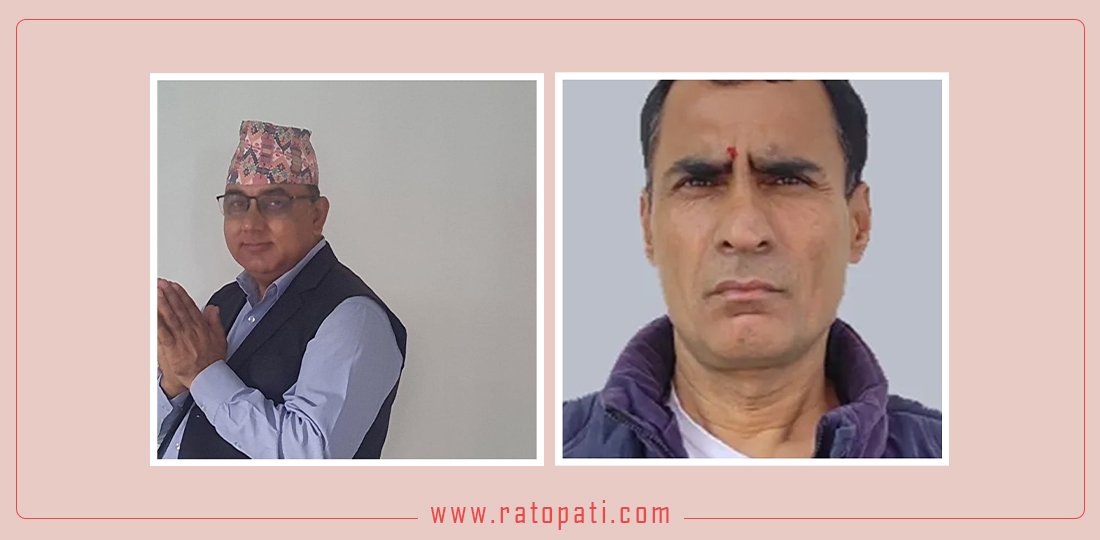
The educational qualifications of the candidates have made the competition in Morang-3 special this time. 58-year-old Dr. Deuman Sambahamphe is ahead in terms of qualifications. The CPN candidate Sambahamphe holds a Doctorate (PhD).
Dr. Sharma, the 48-year-old Congress candidate who is in the main competition with him, holds an MBBS degree. There is a large number of highly educated degree holders here.
UML candidate Iran Kumar Rai (MA B.Ed), 55, Bhuwankumar Wagle (Postgraduate) of Rastriya UrjaShil Party, 46, RSP's Karki (Postgraduate), 40, and Bidur Adhikari (MA) of Sanyukta Nagarik Party, 46, have made the electoral field intellectual.
This specific news has been automatically translated by AI. As a result, there may be some inaccuracies or language errors.