
Karnali Province Ruling Parties Pressure Assembly to Restore Salaries for Personal Aides After Central Ban


Surkhet. The ruling parties CPN-UML and Nepali Congress in Karnali Province have been found pressuring the Provincial Assembly to release the salaries for the personal aides of the provincial lawmakers, following a directive from the Federal Government to halt these benefits.
The central government had decided on Assoj 7 to abolish the facility of personal secretaries for political office bearers, including lawmakers. Accordingly, the Office of the Chief Minister and Council of Ministers of Karnali wrote to the Provincial Assembly on Assoj 8 to implement the decision to scrap the personal secretary facility for lawmakers.
The Provincial Assembly Secretariat has also withheld the salaries of the lawmakers' personal aides starting from the month of Assoj. However, sources indicate that lawmakers from the ruling Congress and UML parties are pressuring the Provincial Assembly to pay their aides' salaries. They insist that the personal secretary facility is provided under the province's law and must continue. Chief Minister Yamalal Kandel himself is reportedly against scrapping the facility based solely on the central government's letter.
Officials at the Provincial Assembly, however, argue that the center can issue directives to the province regarding financial management matters.
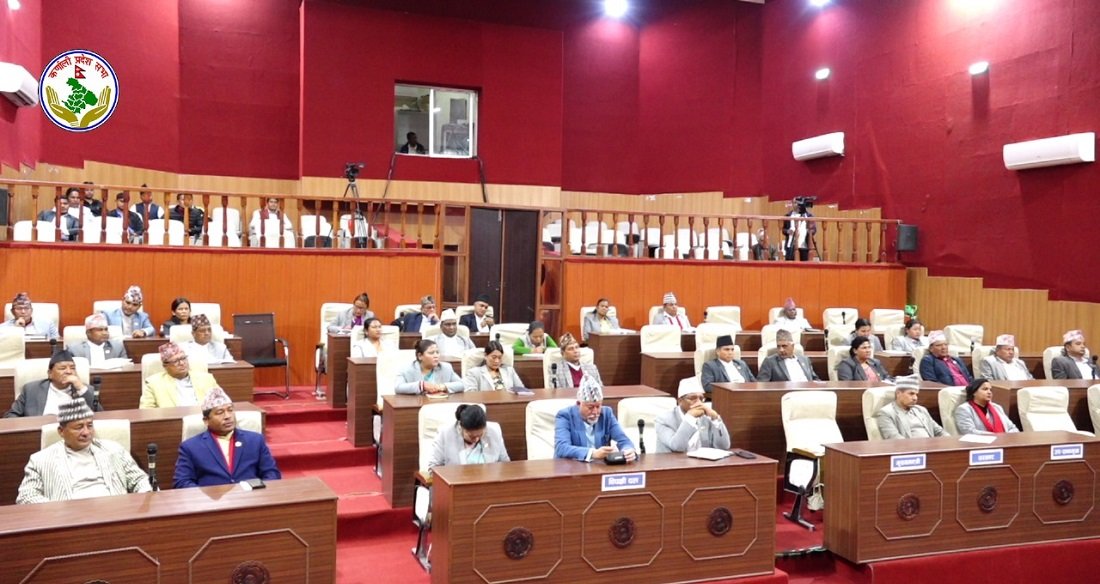
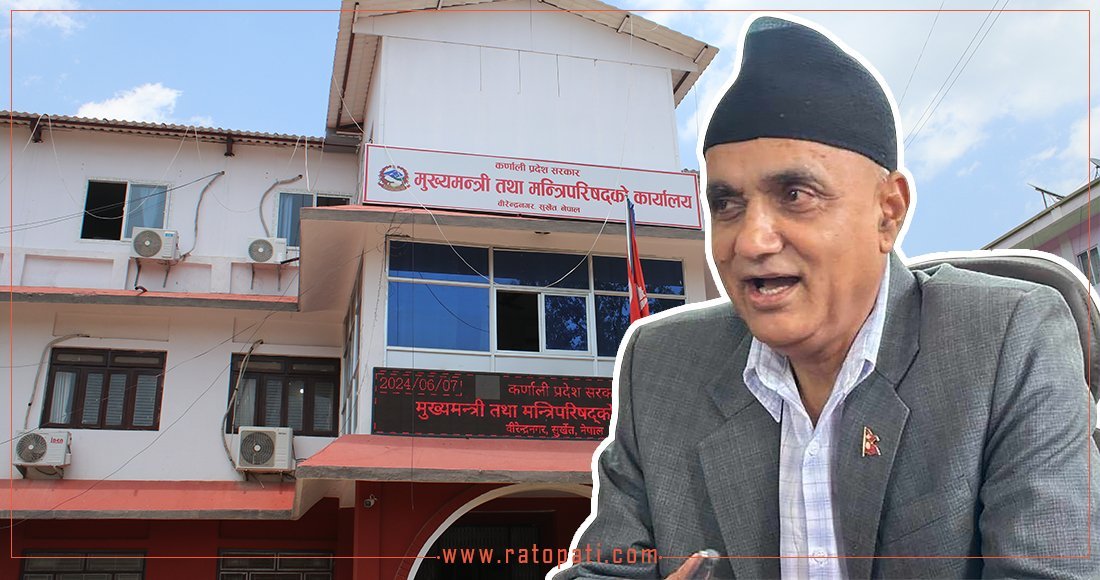
“Perhaps due to pressure from the Chief Minister and ruling party lawmakers, the Speaker also seems to favor paying the salaries,” a source told Ratopati. “However, the Provincial Assembly Secretariat and Deputy Speaker Yashoda Neupane favor the government making the decision on this matter.”
Gurung was elected Speaker from the CPN-UML. There is commentary within the assembly that she is trying to follow the Chief Minister's pressure rather than the Secretariat's stance. A division has emerged among the assembly officials and the secretariat when a similar situation arose regarding the lawmakers' personal secretaries.
Following the central government's directive letter, which included scrapping the personal secretary facility for lawmakers, provincial chief ministers held discussions with Prime Minister Sushila Karki on Kartik 16. The chief ministers complained to the Prime Minister that the center's letter (dated Assoj 5) constituted an unusual interference in provincial matters and created uncertainty in the province.
Specifically, Karnali Chief Minister Kandel objected to the letter sent by PM Karki, calling it unconstitutional. “It seemed like you were trying to run provincial activities through the Chief Secretary, bypassing the provincial government,” he told Ratopati, sharing what he had conveyed to the Prime Minister.
The letter sent by the Chief Minister and Council of Ministers' Office to the Assembly on Assoj 8 was at the Secretary level. Chief Minister Kandel was reportedly unaware of this letter. It later emerged that upon learning about it, he directly called the Provincial Assembly Secretary Jeevraj Budhathoki and instructed him not to implement it immediately.
Following the discussion with the Prime Minister, the Ministry of Finance at the center issued a letter on Kartik 18, claiming to have 'further clarified' that no interference in provincial authority was intended. It is understood that since then, the Chief Minister and ruling party lawmakers have been pressing for the payment of the aides' salaries. However, point number 5 of the center's latest letter subtly clarifies that even if provinces are not restricted in other laws, they must adhere to central directives concerning fiscal matters.
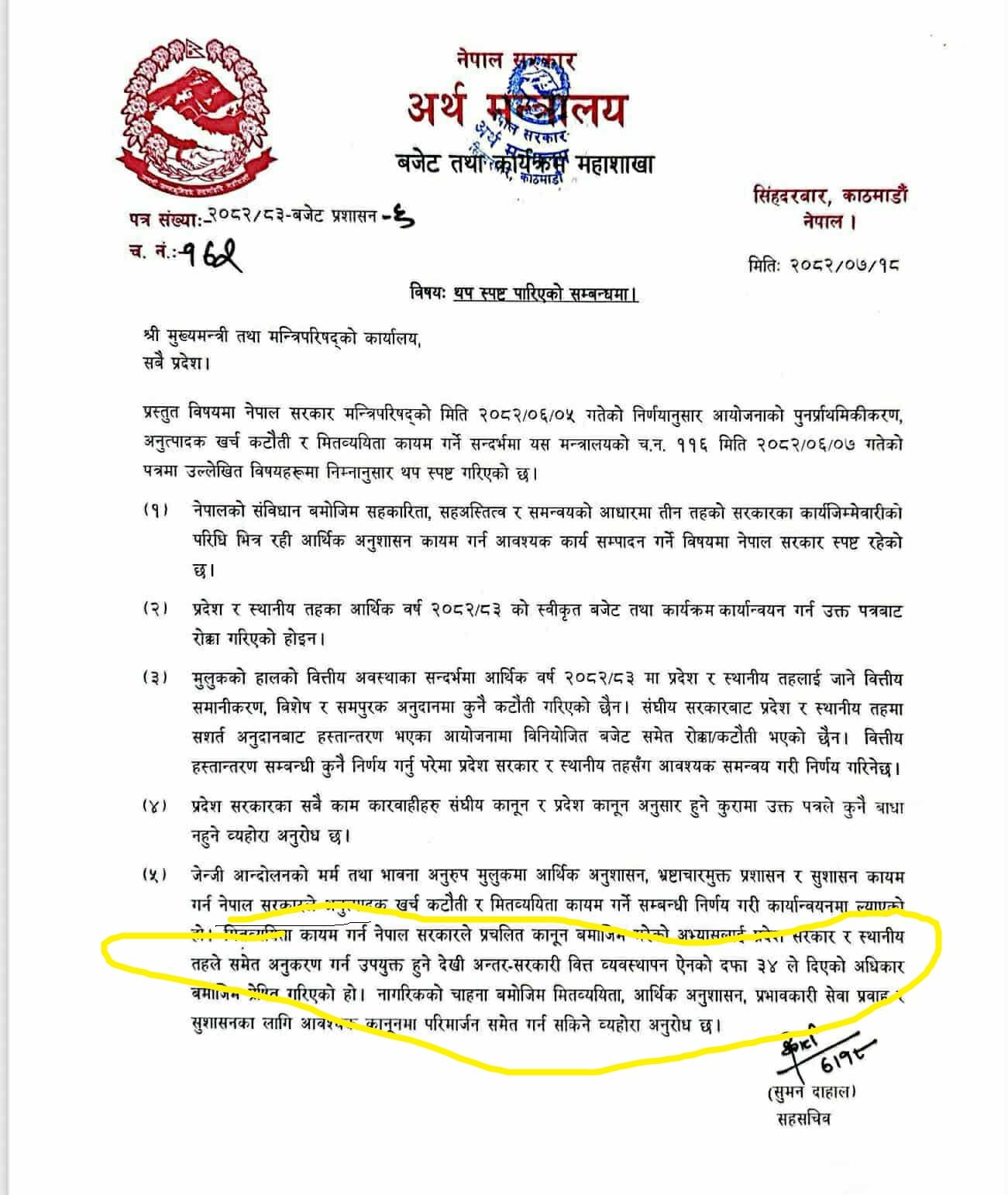
“It is appropriate for provincial and local levels to follow the practices adopted by the Government of Nepal in accordance with prevailing laws to maintain frugality, and it has been transmitted pursuant to the authority granted by Section 34 of the Inter-Governmental Fiscal Management Act,” point 5 clearly states.
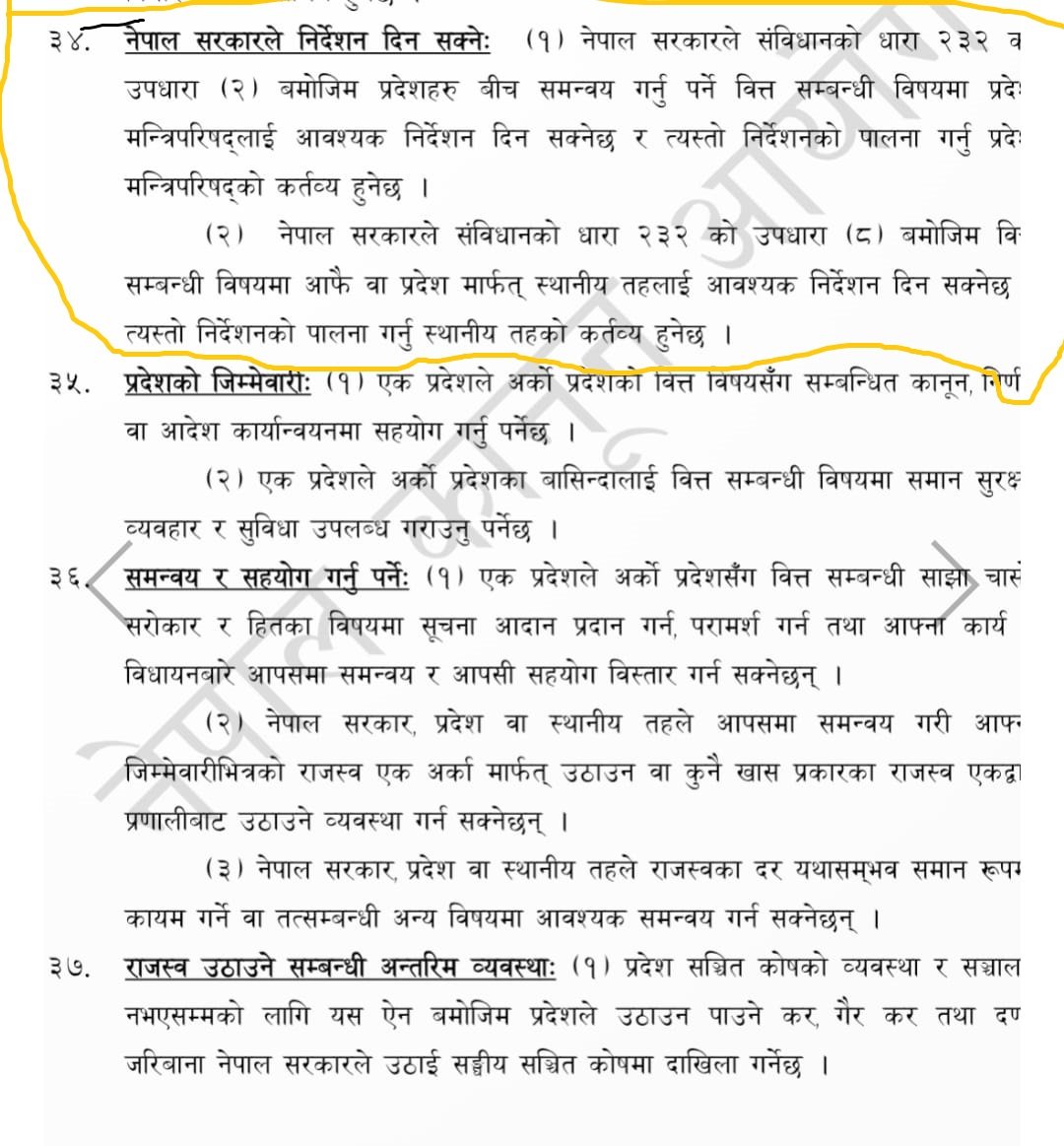
Section 34 of the Inter-Governmental Fiscal Management Act mentions that the Government of Nepal can issue directives. The section states: “Pursuant to Article 232 (2) of the Constitution, it may issue necessary directives to the Provincial Council of Ministers regarding fiscal matters that require coordination between provinces, and it shall be the duty of the Provincial Council of Ministers to comply with such directives.”
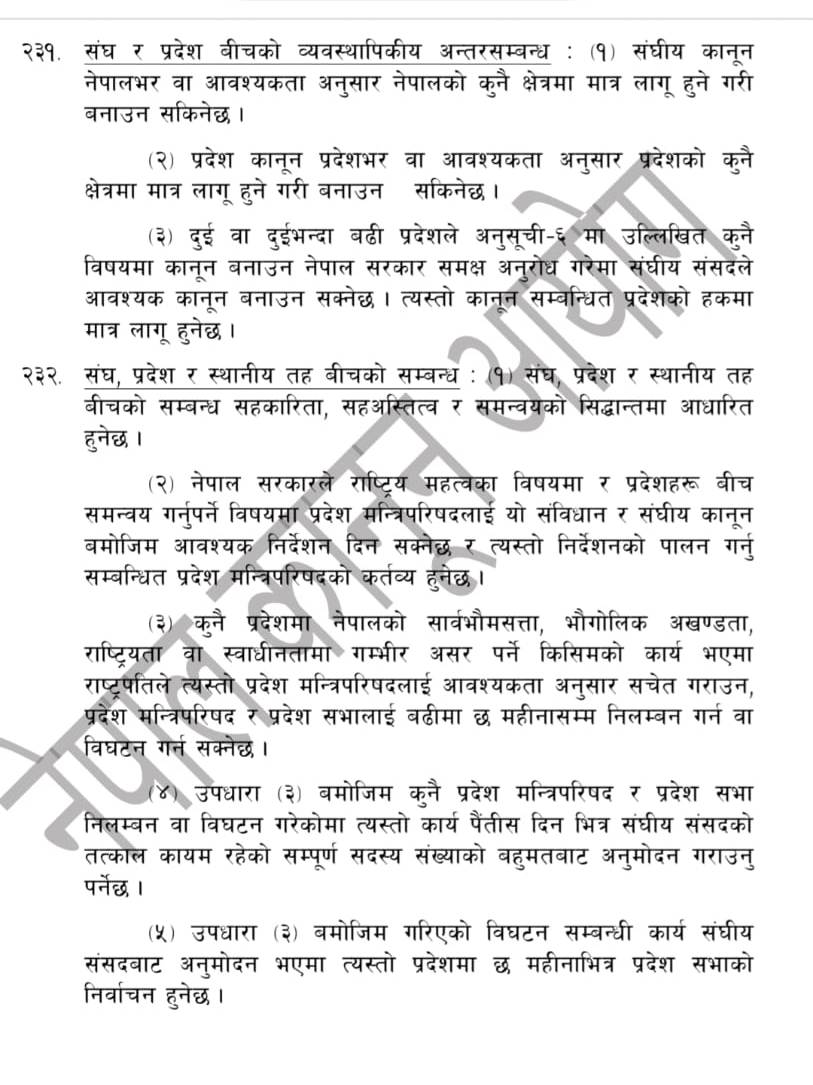
The provincial bureaucracy and the Provincial Assembly Secretariat are currently citing this provision as the basis for withholding the personal secretaries' benefits. However, the Chief Minister, Speaker, and lawmakers are disregarding this, pushing for the payment of salaries according to provincial law.
Provincial Assembly Secretary Jeevraj Budhathoki stated that point number 5 of the latest letter from the central Ministry of Finance needs clarification.
- Opposition Says - Government Must Provide a Way Out
The main opposition party, the CPN (Maoist Centre), has stated that the provincial government itself should clarify this matter. “We have not pressured the Assembly to release the withheld salaries of the lawmakers' personal aides,” Mangal Shahi, leader of the CPN (Maoist Centre) parliamentary party, told Ratopati. “Rather, we have said that the government itself should clarify this issue and provide a resolution.”
He added that if the center issued the directive according to the Fiscal Management Act, there is a need for discussion on how to proceed regarding the provincial law.
- Center's Letter and Provincial Law
The center's letter dated Assoj 7 directed the abolition of personal secretary facilities for political office bearers, including lawmakers. The government's decision stated: “To abolish the facility of personal secretaries for lawmakers and other political office bearers, except for the President, Vice President, Prime Minister, Speaker, Chairman of the National Assembly, Provincial Chief, and Ministers of the Government of Nepal and Provincial Governments.”
It also stipulated that a maximum of three appointments could be made in the personal secretariats of ministers and Provincial Chiefs of both the center and provincial governments. According to the letter, although the Provincial Assembly has withheld the salaries, the declaration of abolition has not yet been made due to political pressure.
The reason Karnali lawmakers are reluctant to remove this facility is that most have appointed their wives, children, nephews, brothers-in-law, and even sons-in-law as their personal aides. Sources claim they are arguing that the facility cannot be removed based on provincial law.
The Karnali Provincial Assembly Members' Remuneration and Facilities Act provides for lawmakers to have one personal aide.
- Annual Savings of Nearly 2 Crore if Personal Secretary Facility is Scrapped
According to the Provincial Assembly, the salaries for 48 personnel, including personal secretaries, drivers, and office assistants for 32 assembly officials and members (excluding the 8 officials including the Chief Minister and Ministers), cost NPR 1,599,771 per month.
Personal secretaries receive salaries equivalent to the Nayab Subba level. If the facility for lawmakers' personal secretaries is abolished as per the decision made by the federal government formed through a 'Gen-Z' movement, that amount will be saved in the state treasury. By this calculation, an annual saving of NPR 19,197,252 will be realized.
This specific news has been automatically translated by AI. As a result, there may be some inaccuracies or language errors.

_D4v4Yqko03.jpg)