Nipah Virus Outbreak in West Bengal Sparks Health Scrutiny Across Asia


Concerns are rising in China and several Southeast Asian nations following an outbreak of the Nipah virus in India's eastern state of West Bengal. The virus spreads from animals to humans, through human-to-human contact, or by consuming contaminated food.
As millions prepare to travel during the Chinese New Year holiday, these countries have intensified health screenings at airports. According to the Indian Ministry of Health on Wednesday, two confirmed cases of the virus have been reported in West Bengal since December 2025.
The ministry did not disclose detailed information about the infected individuals, but stated that contact tracing of a total of 196 people linked to the confirmed cases found everyone asymptomatic with negative test reports.
The ministry added, "The situation is under continuous monitoring, and all necessary public health measures have been adopted."
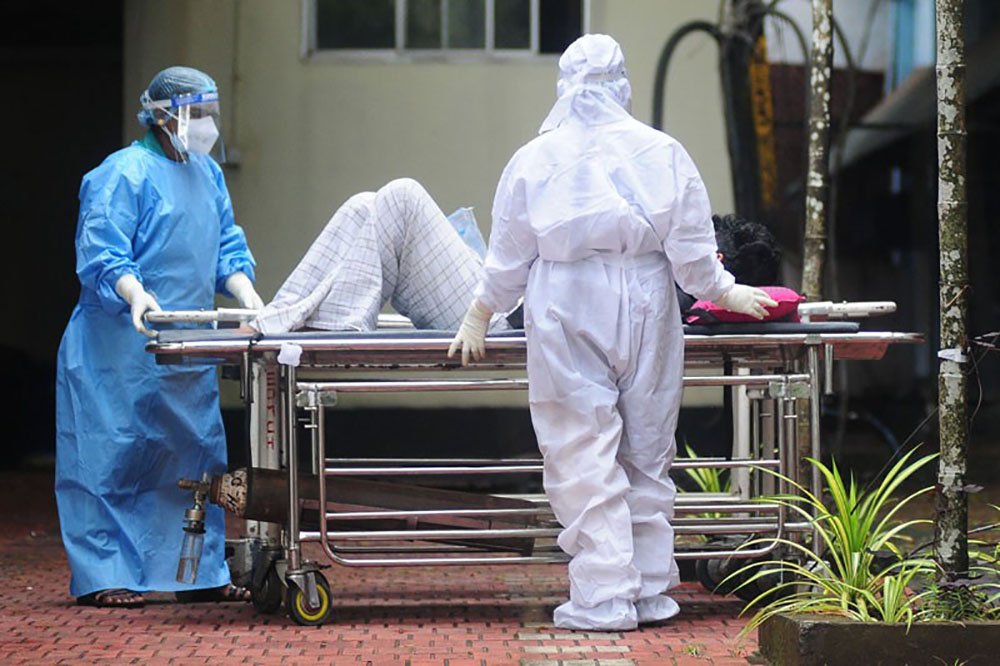
A district health official told Reuters that the two individuals infected in West Bengal in late December are healthcare workers. They are currently being treated at a local hospital.
Is the current outbreak a cause for concern? Here are the facts we know so far:
- What is the Nipah Virus?
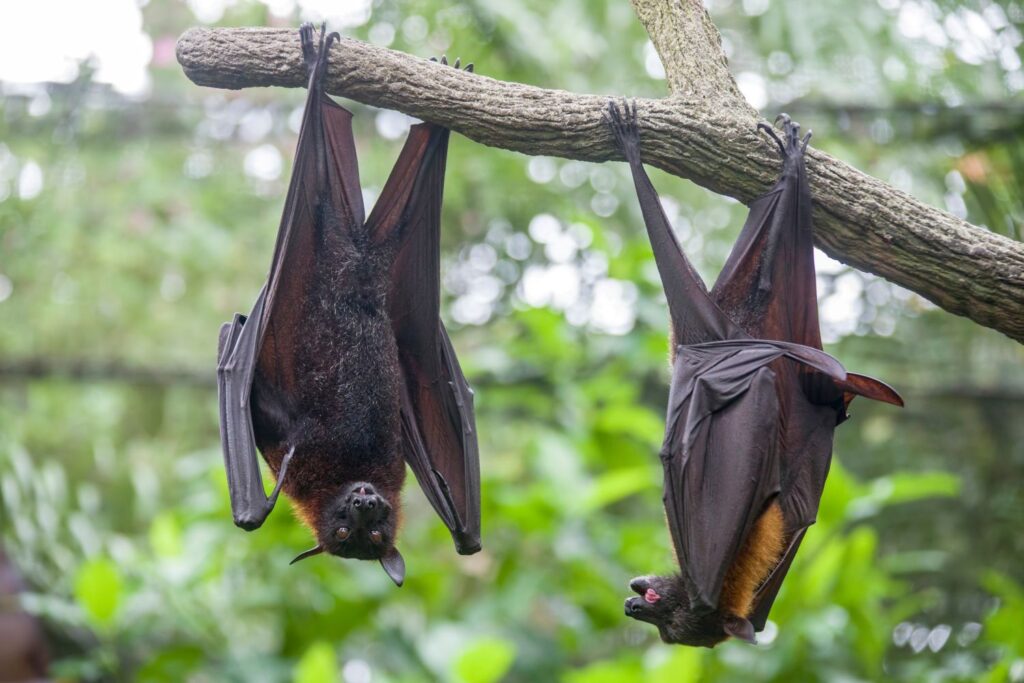
Nipah virus (NiV) is a "zoonotic" virus, meaning it is transmitted from animals (such as fruit bats or flying foxes) to humans. It can also spread through contaminated food or directly from one person to another.
This virus can be fatal. It typically remains dormant (incubation period) in the human body for 5 to 14 days, with symptoms appearing within 3 to 4 days. According to Kaja Abbas, an Associate Professor of Infectious Disease Epidemiology at the London School of Hygiene & Tropical Medicine and Nagasaki University, it causes severe respiratory and neurological diseases in humans, starting with fever and headache, progressing to acute encephalitis (brain inflammation) in severe cases.
Its symptoms can include tremors and mental confusion, and in severe cases, the patient can fall into a coma within 24 to 48 hours.
Abbas told Al Jazeera, "The mortality rate among people infected with the Nipah virus is high, ranging between 40 to 75 percent."

However, the virus's "basic reproduction number" (the estimated number of people one infected person spreads it to) is generally "less than one." This indicates that the rate of human-to-human transmission of this virus is limited, and the possibility of it becoming a widespread pandemic is low.
- Where have previous Nipah virus outbreaks occurred?
The first known outbreak of the Nipah virus was reported in Malaysia and Singapore in 1998, where pig farmers and butchers were infected by pigs. At least 250 people were infected, and more than 100 died.
In 2014, Nipah infection in the Philippines was linked to horse butchers and those who consumed infected horse meat.
Sporadic but recurrent outbreaks have been observed in South Asia, particularly Bangladesh and India, since 2001.
According to the World Health Organization (WHO), outbreaks in Bangladesh were linked to people consuming raw date palm sap (toddy), close contact with infected individuals' secretions or excreta, and caring for the sick.

According to the WHO, the infection was first seen in West Bengal, India, in 2007. However, the outbreak in Siliguri city in 2001 was later identified as Nipah. The 2001 Siliguri outbreak spread within the hospital, where 75 percent of the infected were hospital staff or visitors.
Dozens of deaths have been reported in the state of Kerala, India, since 2018, which is now considered a high-risk area globally for the virus.
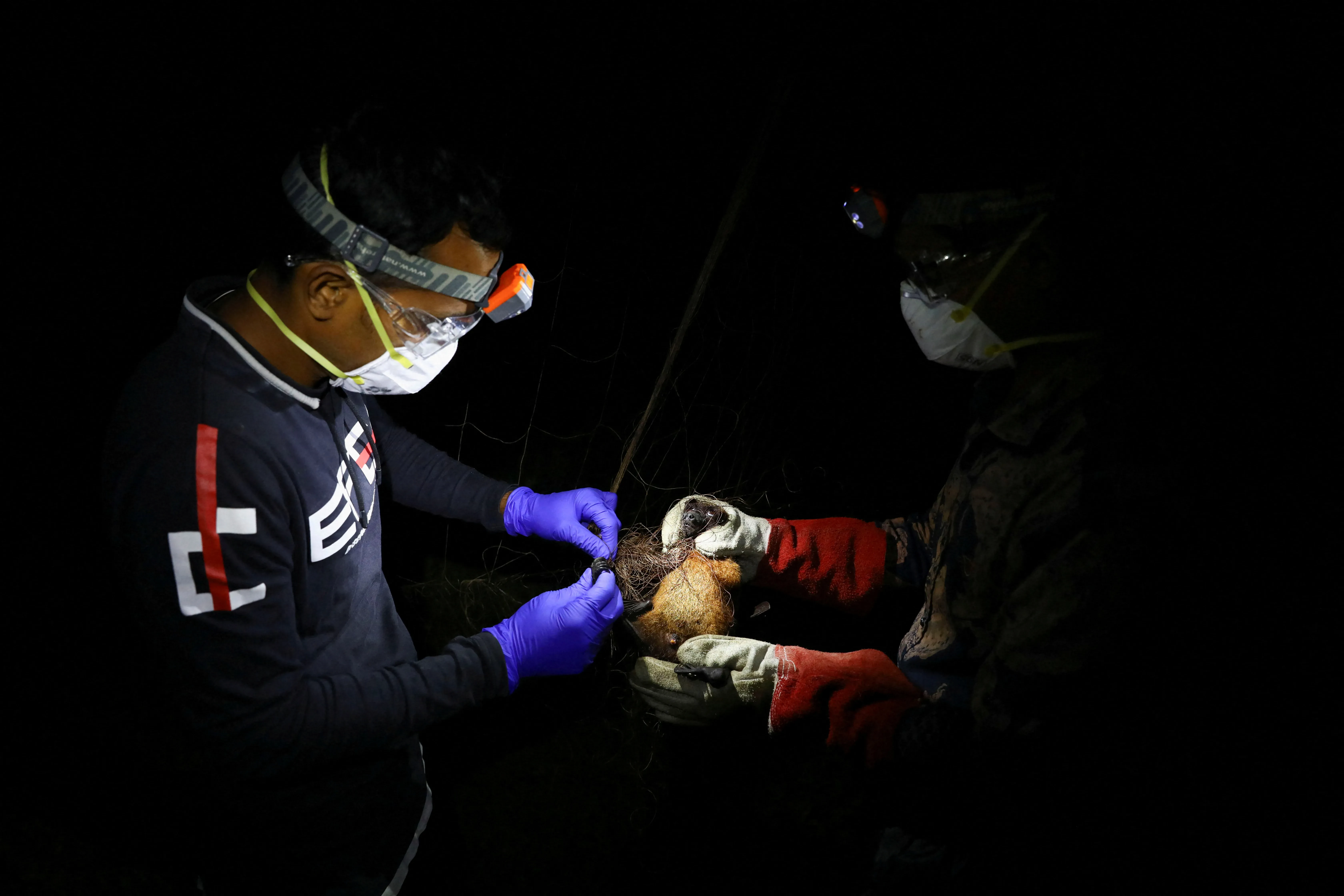
The reason for the outbreak spreading to other Indian states is unclear. Some experts suggest the outbreak might have started from consuming fruits contaminated by bat saliva or urine, while the Indian Council of Medical Research suggests that although it spreads mainly through physical contact, it can also spread through the air.
According to Abbas, there is no clear evidence regarding the cause of the latest outbreak in West Bengal after decades. The fact that the two confirmed patients are healthcare workers from the same hospital suggests that they might have been infected by a hospitalized but undiagnosed patient.
- Is there a vaccine for this virus?
According to the WHO, there is currently no approved treatment or vaccine available for humans or animals.
Oxford University is testing a Nipah virus vaccine in Bangladesh and began the second phase of trials in December 2025.
In the absence of an approved vaccine, doctors are administering antiviral drugs like 'Ribavirin' to patients. According to the US government's Centers for Disease Control and Prevention (CDC), Ribavirin was given to a few patients in the 1999 Malaysia outbreak, but its effectiveness remains unclear.
The CDC has stated that the drug 'Remdesivir' might help prevent Nipah in exposed primates (monkey species).
The Indian state of Kerala used Remdesivir in the 2023 outbreak, which resulted in an improvement in the mortality rate.
- Which countries have tightened checks for the Nipah virus?
Thailand, Indonesia, Nepal, and Malaysia have tightened checks at international airports.
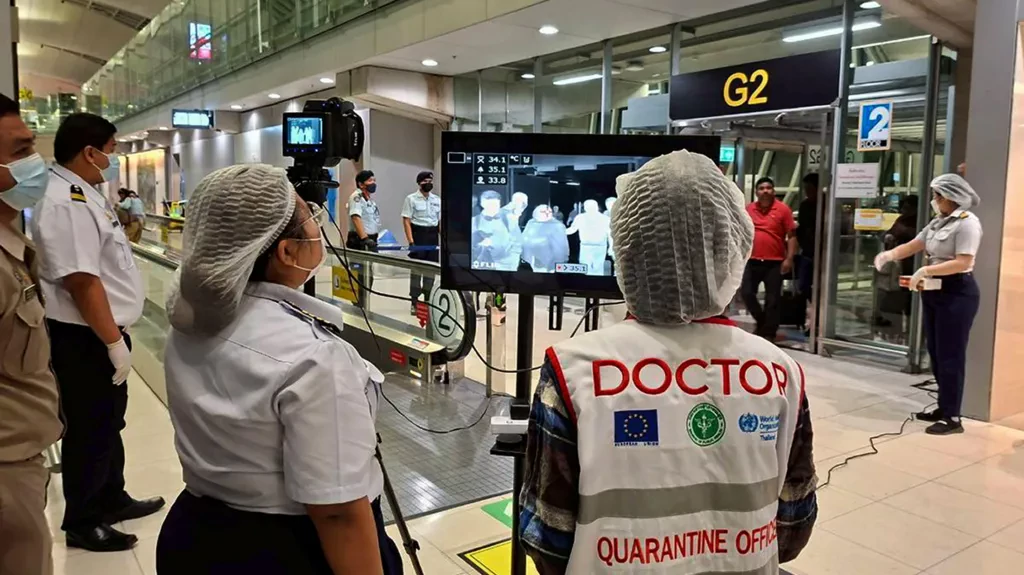
Thailand's Ministry of Public Health informed reporters that dedicated parking areas have been designated for aircraft arriving from Nipah-affected countries, and passengers are required to fill out a health declaration form before immigration.
'Thermal scanners' have been installed at Bangkok's Suvarnabhumi Airport to check passengers for fever and other symptoms.
Malaysia, Indonesia, and Nepal have also implemented similar measures at their international airports.
- What is the best way to prevent this virus from spreading?
According to a report by Hong Kong's daily newspaper The South China Morning Post on Wednesday, there has been a flood of posts on Chinese social media expressing concern over the outbreak in India.
"This is very scary, especially with the Spring Festival approaching. I don't want to experience another lockdown," said one social media user.
According to the post, another user asked, "Can't we temporarily suspend travel with India?"
China's state television CCTV reported that no cases of the Nipah virus have been registered in the country so far but warned of the risk of imported cases.
However, according to Abbas, this virus is not like COVID-19, which caused years of lockdowns worldwide since 2020. He stated, "Severe cases of Nipah virus can be managed with intensive support and care."
He suggested that besides airport health checks, countries should focus on promoting preventive measures such as good hygiene, proper ventilation, avoiding crowds, staying home when sick, seeking timely medical advice, and adopting a healthy lifestyle to boost immunity.
The WHO has also provided guidelines to control the spread of the virus. Specifically, in its 2018 report, it stated, "It is necessary to minimize bat access to date palm sap and other fresh foods."
"Protective coverings (such as bamboo nets) can be used at sap collection sites to keep bats away. Freshly collected date palm sap should only be consumed after boiling, and fruits should only be eaten after washing thoroughly and peeling. Fruits showing signs of bat bites should be discarded," the WHO stated.
Similarly, gloves and other protective clothing should be worn when handling, slaughtering, or disposing of sick animals or their tissues.
To control the spread of the virus in the healthcare sector, the WHO stated, "In addition to standard precautions, 'contact and droplet' precautions should also be adopted. In some situations, airborne precautions may also be necessary."
"Unsafe close physical contact with Nipah virus-infected individuals should be avoided. Hands should be washed regularly after caring for or visiting a patient," the WHO added.
This specific news has been automatically translated by AI. As a result, there may be some inaccuracies or language errors.