Upcoming Elections See Major Party Leaders Vie for Prime Ministerial Post, Focusing on Terai-Madhesh Region


Kathmandu. The House of Representatives elections are scheduled for Falgun 21. However, the current atmosphere resembles that of an election for an executive Prime Minister. Almost all major parties have announced their prime ministerial candidates and entered the electoral fray.
Following the Jana Andolan (People's Movement), some groups demanded a directly elected Prime Minister. The Falgun 21 election appears to be a 'mini-election' for a directly elected Prime Minister. What is significant is that the three leaders declared as prime ministerial candidates are contesting elections in the Terai-Madhesh region. By this measure, whoever becomes Prime Minister this time will be an individual elected from the Terai-Madhesh region.
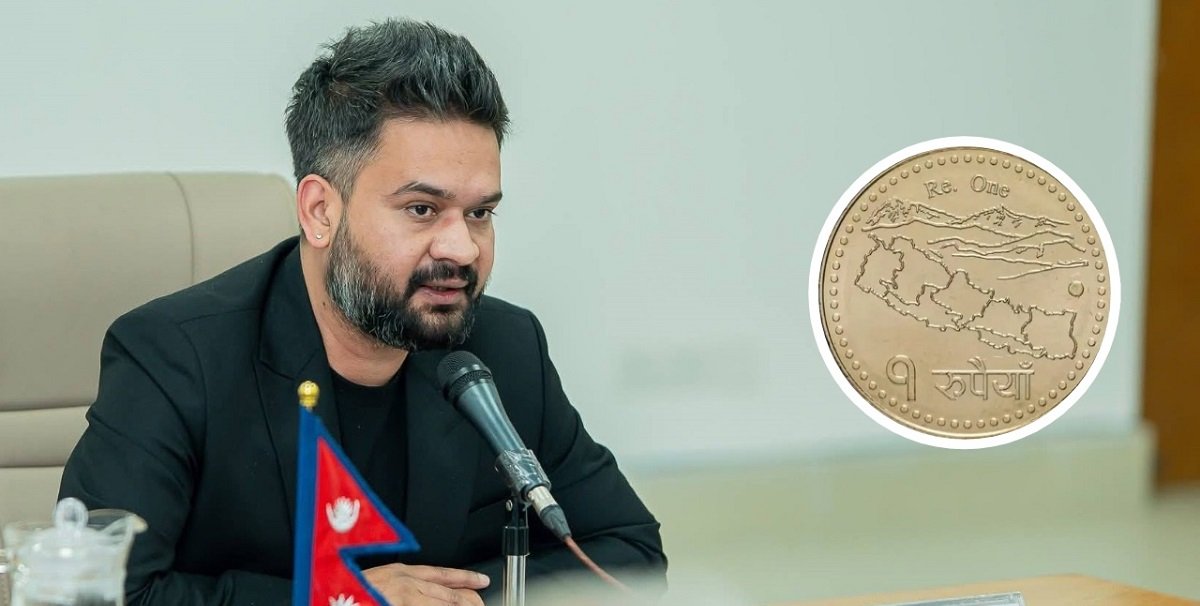
CPN-UML Chairman KP Sharma Oli and Rastriya Swatantra Party senior leader Balendra Shah (Balen) are competing in Jhapa Constituency No. 5. Congress President Gagan Thapa is a candidate from Sarlahi Constituency No. 4 in Madhesh Province.
The 22 districts stretching from Jhapa to Kanchanpur are considered Terai-Madhesh. These districts have a dense presence of Madhesi and Tharu communities. Most of the Prime Ministers Nepal has had so far hail from districts in the Terai-Madhesh region. The current Prime Minister Sushila Karki is from Biratnagar, while former Prime Minister KP Sharma Oli is from Jhapa.
Matrika Prasad Koirala, the first Prime Minister after the establishment of democracy in 2007, the first popularly elected Prime Minister BP Koirala, and Girija Prasad Koirala are all from Biratnagar. BP and Girija Prasad won elections from Morang to become Prime Ministers. In 2056 BS, Krishna Prasad Bhattarai won from Parsa to become Prime Minister.
When the constitution was promulgated in 2072 BS, Sushil Koirala was the Prime Minister. He was elected from Banke. Pushpa Kamal Dahal 'Prachanda', the Chairman of the Communist Party of Nepal (formerly Maoist), has served as Prime Minister three times. He was elected once from Siraha in the Madhesh region and another time from Chitwan. Madhav Kumar Nepal, the Co-Chairman of the same Communist Party, has also served as Prime Minister. He was elected from Rautahat.
During the Panchayat era, Tulsi Giri served as Prime Minister three times in 2019, 2020, and 2032 BS under the rule of the then King Mahendra. He is from Siraha.
After the establishment of democracy, BP Koirala became Prime Minister in the first general election held in 2015 BS. He was elected from Morang.
After the restoration of democracy in 2046 BS, Krishna Prasad Bhattarai became the Prime Minister of the interim government. He was defeated in the 2048 BS election but was elected from Parsa in 2056 BS to become Prime Minister for the second time.
Girija Prasad Koirala served as Prime Minister five times, being elected repeatedly from Morang.
Not only the Prime Minister, but Nepal's first President after the establishment of the Republic also came from the Madhesh region. The first President Dr. Ram Baran Yadav is from Dhanusha. Similarly, the country's first Vice President Parmanand Jha is from Saptari, and the current Vice President Ram Sahay Prasad Yadav is from Bara.
Whoever emerges from this election, the elected individual will be from the Terai-Madhesh region. If Balen wins, he will be the first Prime Minister from the Madhesi community, and if Gagan wins, he will be a Prime Minister elected from the Madhesh region. If Oli wins, he will become Prime Minister for the fifth time, having been elected from a district in the Terai-Madhesh. The crucial point is that regardless of who becomes Prime Minister, the votes of the Madhesi and Tharu communities will be decisive.
Political activist Khushilal Mandal says, 'Looking at history, not just the Prime Ministers of the country, but the birth of every party originated from the Madhesh. The political shelter for leaders of every political party was the Madhesh.' BP Koirala and Girija Prasad Koirala became Prime Ministers multiple times by securing the votes of the Madhesis. KP Oli also wins consistently due to the decisive votes of the Madhesis in Jhapa. 'However, he complains that the perspective towards Madhesh has not been positive.'
This specific news has been automatically translated by AI. As a result, there may be some inaccuracies or language errors.