New Government Imposes Restrictions on Appointments

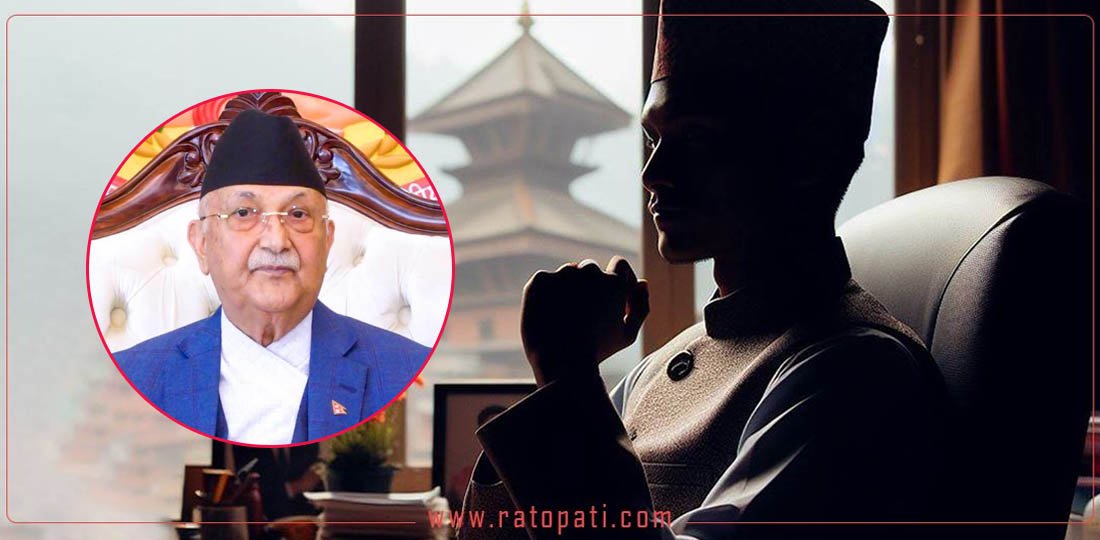
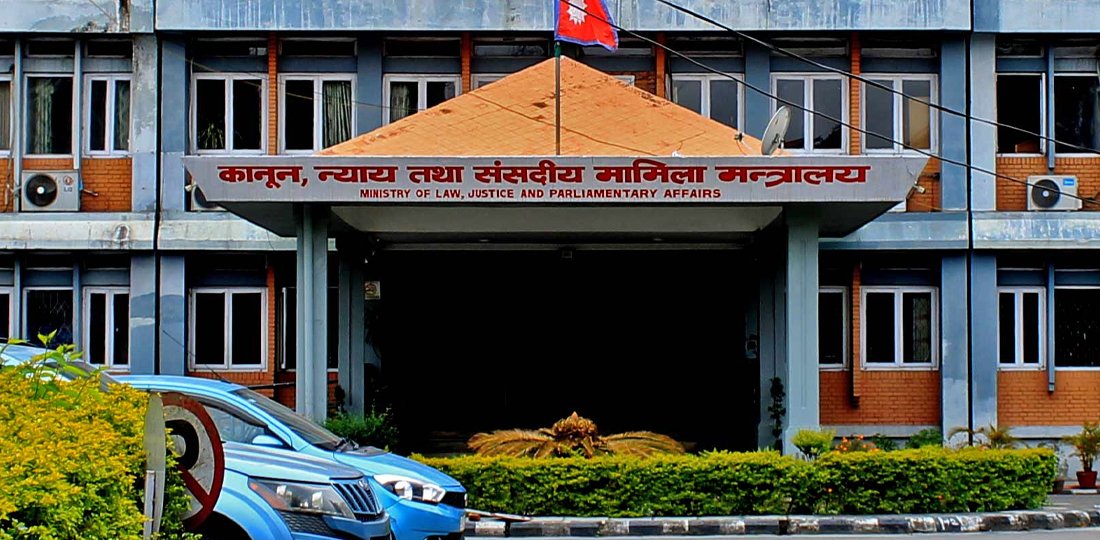
The government led by Prime Minister Sushila Karki has made a decision to restrict certain types of appointments. The Ministry of Finance announced this move under a "Organizational Structure Reform" initiative. According to a press release from the ministry, the new rules state that no temporary or contract employees can be hired at the federal, provincial, or local levels beyond the approved positions. Furthermore, the appointment of advisors for officials, except for the highest positions like the President, Vice-President, and Prime Minister, has been banned. The facility of personal secretaries for political officials, except for the most senior ones, has also been canceled.
Uncertain Fate of Previous Government's Appointees
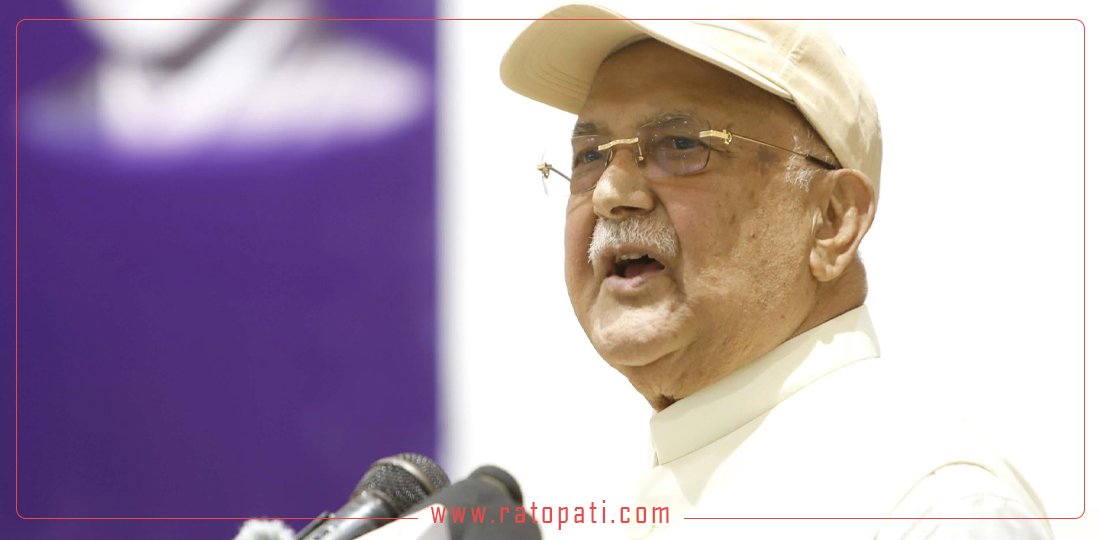
This decision raises questions about the status of political appointments made by the previous government led by KP Sharma Oli. Some high-level appointees, such as those in the Attorney General's office and the National Planning Commission, have already submitted their resignations. The current government has also transferred the Executive Director of the Nepal Electricity Authority. However, many other individuals appointed by the Oli government have not resigned. Sources from the Prime Minister's Office indicate that the government does not have an immediate plan to remove them. One reason cited is the possibility that these appointees could obtain a 'stay order' from the court if the government tries to remove them, which would halt the action. The government's primary focus is on holding elections within its six-month mandate.
Challenges in Removing Appointees
An expert on administration explained that political appointments often come with a specified term, which provides legal protection to the appointee. If the government tries to remove them before their term ends, they can challenge it in court and potentially get reinstated. He also noted that unlike in some foreign countries where appointees traditionally resign after a government change, there is no such strong tradition or clear legal provision in Nepal forcing them to do so. This includes officials like Province Chiefs, who are representatives of the federal government and have not resigned following the change in government.