Minister KC Outlines Plan to Combat Climate Change with Community Forests

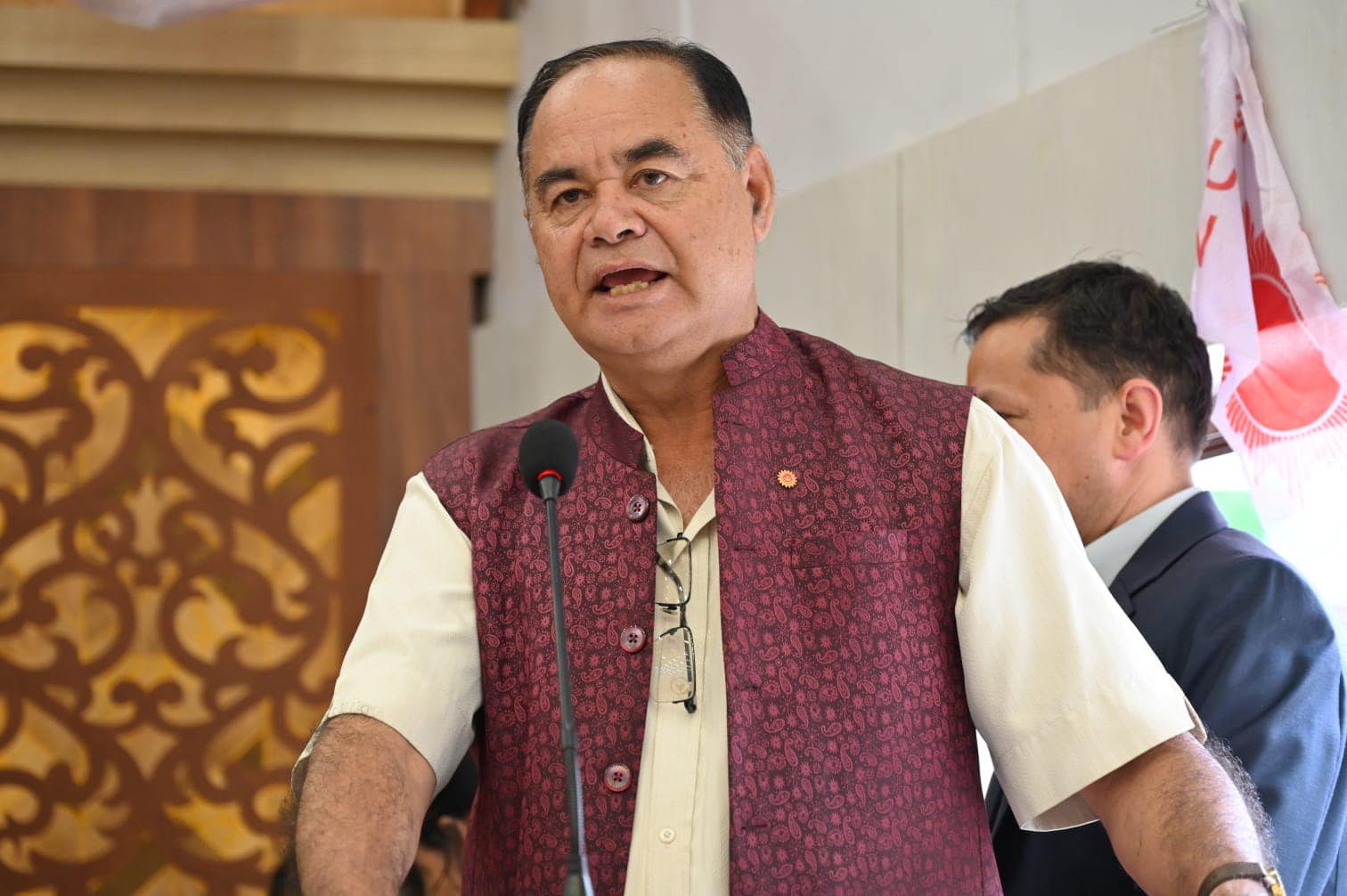
Climate change has become a major global challenge, and its impacts are being felt more severely in mountainous countries like Nepal. Natural disasters such as floods, landslides, droughts, and erratic rainfall are increasing. To help mitigate these growing effects, the Bagmati Province Government has developed a plan to directly partner with over 4,500 community forests within the province, according to Forest and Environment Minister Bharat Bahadur KC.
A Global Challenge with Local Impact
Minister KC described climate change as an international challenge. While Nepal is not a main contributor to global warming, it is suffering its consequences. The effects are being seen across all regions, from the highest Himalayan areas to those near sea level. He noted that large, developed nations are responsible for the industrial emissions polluting the atmosphere, which leads to problems like droughts and landslides in some areas, and floods and erratic rain in others.
Linking Disasters to Climate Change
Recent disasters, like the flood in Rasuwa and the calamity in Sindhupalchok, are directly linked to climate change. Minister KC explained that while a provincial disaster management committee leads response efforts, his ministry is also involved. He emphasized that effective early warning systems could have minimized the damage in Rasuwa, where a glacial lake burst. His ministry's main focus is now on identifying high-risk structures and installing early warning systems to provide alerts before disasters strike and save lives.
Improving Coordination and Early Warnings
Acknowledging that management weaknesses were seen in the Rasuwa event, the Minister stated the government is now paying attention. He plans to learn from past weaknesses and move forward by systematically strengthening early warning systems. He committed to coordinating closely with the federal government and the various disaster management bodies at different levels of government to ensure better preparedness.
A Plan for Better Coordination
Admitting that a lack of coordination between federal, provincial, and local levels is a well-known issue, Minister KC stated his intention to propose a solution in the upcoming cabinet meeting. He aims to create a more structured system for inter-ministerial and inter-governmental coordination and is confident the Chief Minister will support this positive effort.
The Role of Local Governments
With his own extensive experience in local governance, Minister KC stressed that while local governments are not responsible for global warming, they bear its brunt. He urged them to ensure that all new infrastructure, like roads and buildings, is nature-friendly. He promised that the provincial government would work in close coordination with local levels to move forward together.
New Policies and Community Forest Partnerships
When asked about the delay in creating solid policies over the past eight years, the Minister focused on the future. He stated the plan is to now move forward scientifically by creating necessary laws and procedures. Key programs in the current budget include raising public awareness about climate change. The main policy is to advance mitigation programs in cooperation with the province's 4,500 community forests. The revision of 1,900 community forest operational plans will now include climate change issues.
Additional programs include planting fruit trees in forests to reduce human-wildlife conflict and conducting tree plantations along roadsides. The government also plans to use findings from past dialogues on glaciers like Ganesh and Chhorolpa to formulate necessary policies based on expert advice.