"Madhesi parties have never appeared effective anywhere."

_5bw2rkvjt3_EwCpyfE44v.jpg)
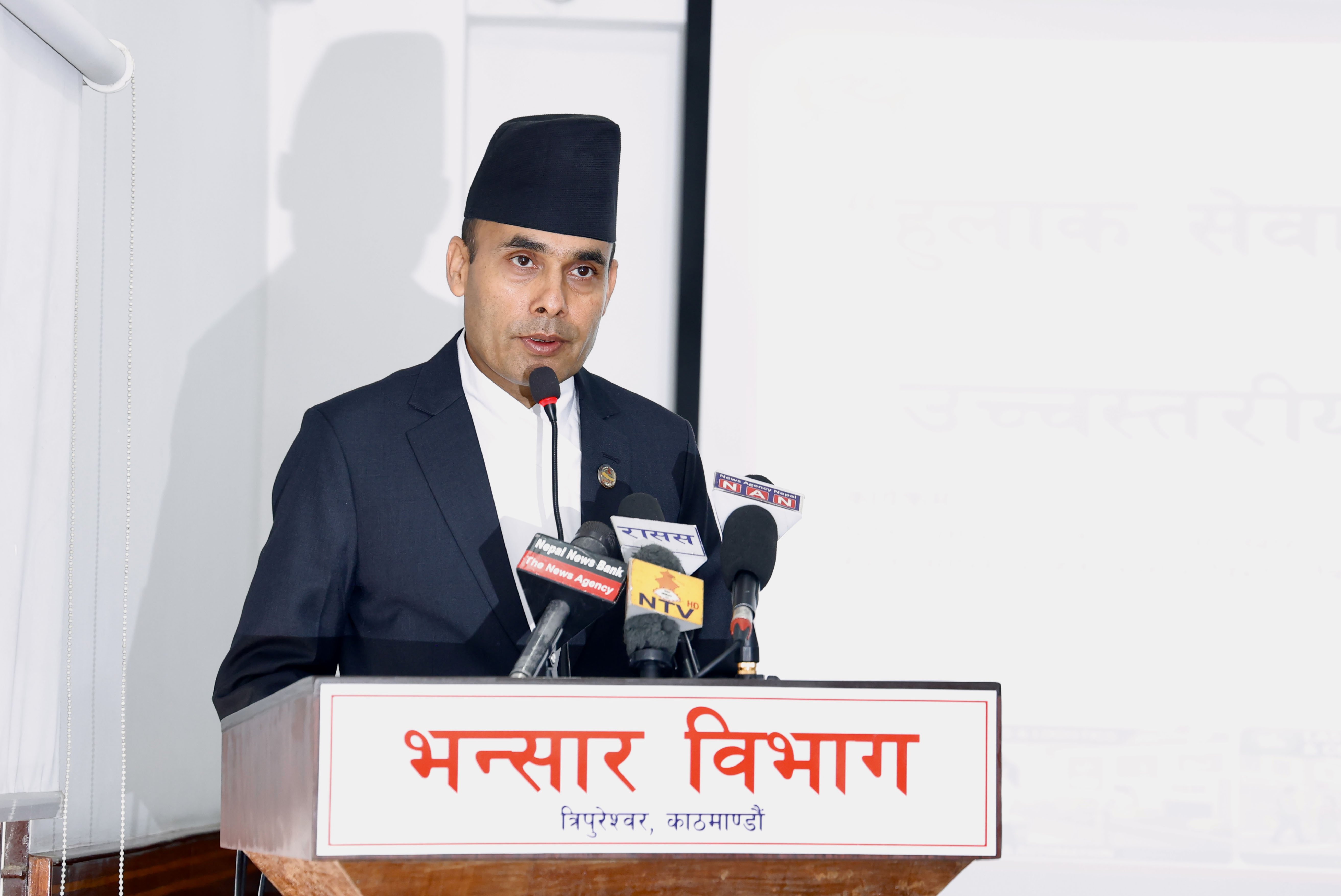
"Madhesi parties have never appeared effective anywhere" – Professor Vijaykant Karn, Former Ambassador
Professor Vijaykant Karn, a former diplomat, has been associated with various organizations advocating for Madhesi rights and identity. Recently, he established the Center for Social Innovation and Foreign Policy to conduct research on international relations and foreign affairs. Having deep knowledge of Madhesi politics, Ambassador Karn notes that Madhes lacks strong international connections. While Madhesi political parties engage in domestic issues, they remain significantly behind in international diplomacy.
Why Have Madhesi Parties Failed to Strengthen International Relations?
(Excerpts from an edited conversation with Vijaykant Karn, Head of the Center for Social Innovation and Foreign Policy)
Q: You’ve been actively discussing foreign policy and international relations. What work are you currently engaged in?
For nearly seven years, we’ve been studying Nepal’s relations with various countries, particularly China, India, and the U.S., along with geopolitical dynamics. We analyze Nepal’s economy, politics, and ongoing changes, providing policy recommendations to the government. We collaborate with parliamentarians, the Ministry of Foreign Affairs, and other stakeholders.
Our research also covers:
-
Geopolitical barriers hindering Nepal’s economic growth.
-
China-Nepal relations, including infrastructure projects and BRI implications.
-
Security challenges, such as cross-border terrorism from India affecting Nepal.
Q: How do you assess Nepal’s foreign policy direction?
We’ve missed numerous opportunities. International politics presents challenges and openings—yet Nepal fails to capitalize. Examples:
-
MCC Controversy: Internal divisions delayed its implementation.
-
BRI Stagnation: Signed in 2017 but progress remains stalled.
-
Power Trade with India: A 10,000 MW agreement faced legal hurdles instead of execution.
Nepal lacks clarity in its foreign policy, while neighbors advance their strategic interests.
Madhes in International Politics: An Absent Player?
Q: Where does Madhes fit in Nepal’s international engagements?
Nowhere. Before the 2008 Madhes movement, Madhesi parties were negligible. Post-movement, some leaders emerged, but they never institutionalized international outreach.
-
Failed Diplomacy: Despite massive protests, Madhesi leaders didn’t seek global solidarity or leverage their movement internationally.
-
Weak Influence: They’re ineffective in Parliament, on the streets, and in diplomacy.
-
No Unified Voice: Fragmentation weakened their political weight, making them irrelevant to global powers.
Q: Do Madhesi parties have strong ties with India?
Superficially, yes—but not strategically.
-
Personal ≠ Institutional: Individual leaders have cross-border contacts, but no party-to-party or state-level relations exist.
-
India’s Disinterest: New Delhi engages Madhesi groups only peripherally, seeing them as non-critical actors.
Myth vs. Reality: Some believe figures like Gajendra Narayan Singh had strong Indian backing, but even that was overstated.
China’s Quiet Entry into Madhes
Q: Is China making inroads into Madhes?
Yes, but indirectly.
-
Grassroots Penetration: China distributes school supplies, cycles, and aid via local NGOs, bypassing political parties.
-
Communist Gatekeepers: China uses Nepal’s communist parties (UML, Maoist Center) to access Madhesi networks.
-
Selective Engagement: While some Madhesi leaders (e.g., JSP-Nepal) visit China, these trips rarely translate into substantive ties.
Key Insight: China treats Nepal’s parties differently—communists get priority, Congress receives measured engagement, and Madhesi groups are an afterthought.
Why Madhesi Parties Must Globalize
Ambassador Karn’s Recommendations:
-
Define Clear Objectives: Why seek international relations? For development? Political leverage?
-
Unify and Strengthen: A fractured movement can’t attract foreign attention.
-
Learn from Others: Swiss, U.S., and Indian agencies work with provincial governments—Madhesi parties should emulate this.
-
Lobby Strategically: Build party-to-party ties with global political groups, not just symbolic visits.
Final Note:
"In international politics, strength dictates engagement. Madhesi parties must stop being passive and start shaping their narrative—before others define it for them."


_153pogJQQz.jpg)