Africa Excels in Expanded FIFA World Cup 2026, Asia Reflects

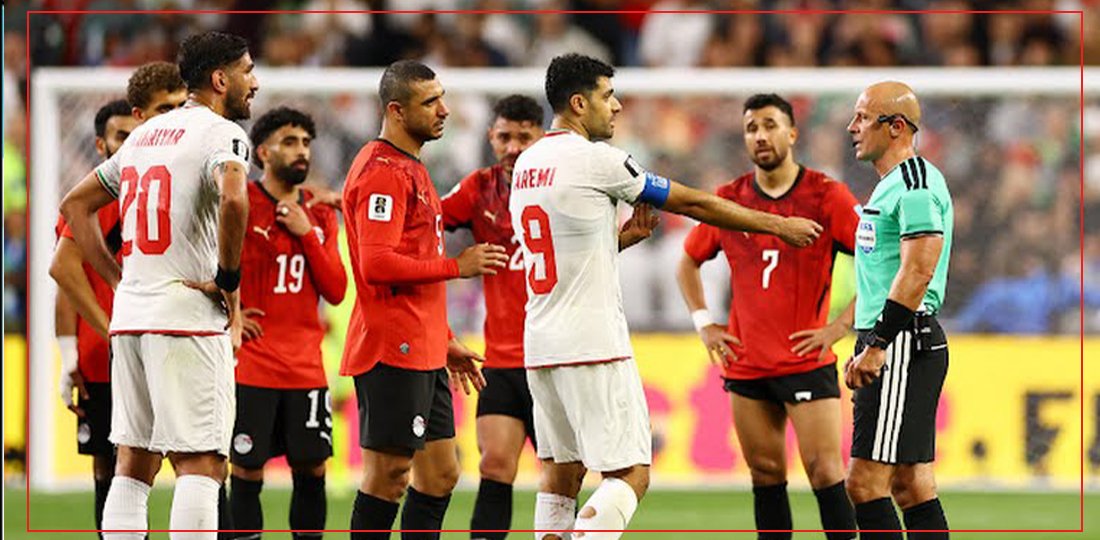
The transformation achieved by African football in the World Cup is nothing short of amazing. In the 2018 World Cup held in Russia, none of Africa's five teams could advance past the group stage, managing only three wins out of a possible fifteen matches.
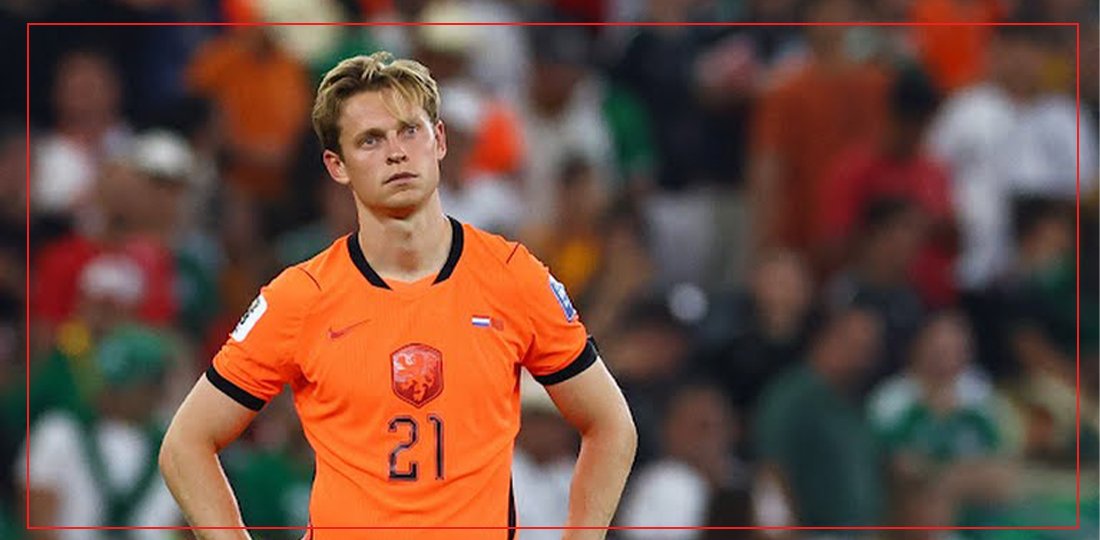
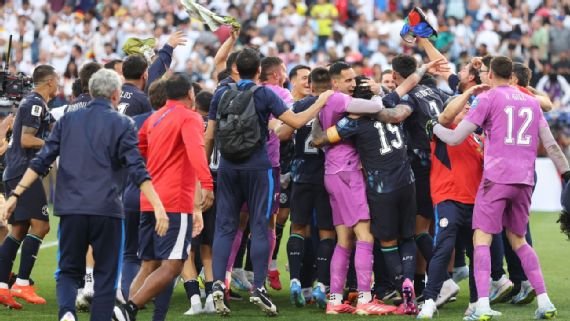
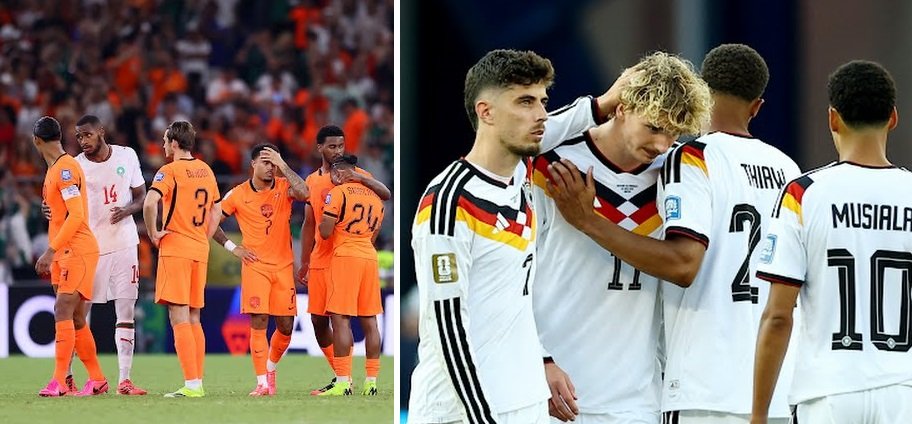
However, by the 2026 World Cup, Africa has emerged as a testament to the success of FIFA President Gianni Infantino's World Cup expansion project. In essence, Africa has validated this new format. Out of a total of 10 African teams, all but one successfully passed the group stage, with semi-finalists Morocco stunning European powerhouse Netherlands on penalties to reach the pre-quarterfinals.
Only Tunisia was eliminated from the group stage. Cape Verde, Egypt, Ivory Coast, Morocco, and South Africa advanced as group runners-up, while Algeria, DR Congo, Ghana, and Senegal progressed to the knockout stage as best third-placed teams.
But the results were entirely different for Asia. Out of its nine teams, only two managed to advance past the group stage. Even then, Japan could not go beyond the Round of 32. Only Australia represents Asia.
This outcome has become a cause for celebration for Africa, while Asia is compelled to introspect its failures.
'Morocco has created a clear blueprint for success'
Infantino had already secured approval for the decision to bring in the new World Cup format before the 2018 World Cup. Therefore, after Africa's extremely poor performance in Russia, questions arose about the justification for giving the continent four additional spots.
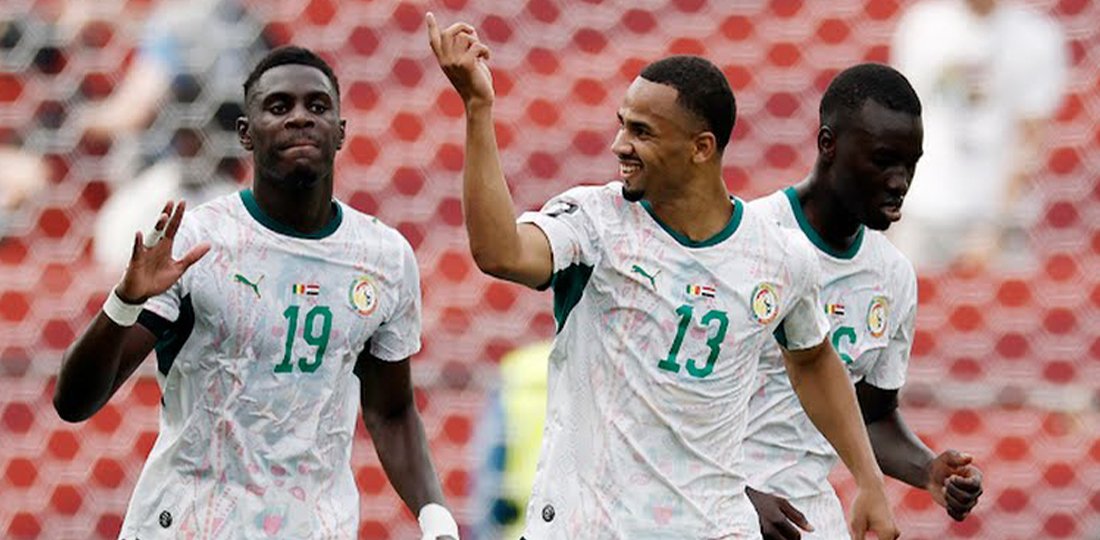
But eight years later, all those concerns have been completely allayed. This transformation in success is remarkable, with one of the primary reasons being the long-term commitment of the Moroccan Football Federation. The President of the Confederation of African Football (CAF), Patrice Motsepe, considers this the result of continuous investment and hard work in youth football development, coach production, and professional leagues across the continent.
The first indication of this was seen in the Qatar World Cup four years ago, where two African teams reached the knockout stage for the first time. Before the 2022 World Cup, only three African teams had reached the quarter-finals—Cameroon in 1990, Senegal in 2002, and Ghana in 2010.
After that, Morocco made history by reaching the semi-finals for the first time in African football history. They defeated Belgium, Spain, and Portugal to secure a place in the final four. Their journey was eventually halted by France.
If Morocco can build a clear, long-term structure that allows them to defeat even the so-called big nations in the knockout stages, why can't other African nations follow the same path? Speaking to 'Sport Africa' earlier this month, former Nigerian captain William Troost-Ekong said, 'Morocco has created a blueprint for success, based on years of investment in grassroots football and academies.'
In other words, Morocco has invested not just money, but also time and effort. They had a clear plan on how to move forward. 'The infrastructure they have, the continuity of training across age groups, is what I believe is a blueprint worth following,' Troost-Ekong adds.
The new World Cup format has certainly benefited Africa. However, that alone cannot explain Africa's excellent performance and Asia's poor showing. In most previous World Cups, two teams from the top 16 would qualify from each group. But now, those 16 teams are divided into 12 groups, meaning only four groups have the traditionally strong two teams. These statistics show that most groups are comparatively weaker.
With third-placed teams also given a place in the knockout stage, 32 teams reached the first knockout round, which is the same number of teams that participated in the group stage of the Qatar World Cup.
How far will African teams go this time?
South Africa was eliminated from the Round of 32 on Sunday after conceding a last-minute goal to Canada. Co-hosts Canada will now play Morocco. Morocco enters that match as the African champions. Although, in the Africa Cup of Nations final, CAF overturned the result and awarded the title to Morocco after Senegal controversially left the field.
A decade ago, Morocco's chances of defeating the Netherlands would have been considered very slim. But today, no one thinks that. Instead, the argument could be made that the North African team should be the favorite for that match. After all, Morocco is ranked sixth in the FIFA world rankings, one place above the Netherlands.
With the top four ranked teams (Argentina, England, France, and Spain) placed in different parts of the bracket, it has become more difficult for African nations, like Morocco, to achieve their goal of reaching the semi-finals. African teams will likely have to defeat at least one of these four teams to reach the final four again.
For example, in a potential quarter-final, Morocco could face France.
Similarly, defending champions Argentina, who play Cape Verde on Friday, have four African teams in their bracket. There is a possibility that Argentina will have to play an African team in every stage of their journey to the semi-finals. In the same bracket, Algeria will play Switzerland, while Ghana will compete against Colombia. This presents the strongest possibility of an all-African clash in the Round of 16.
'Failure of organization and individual performance'
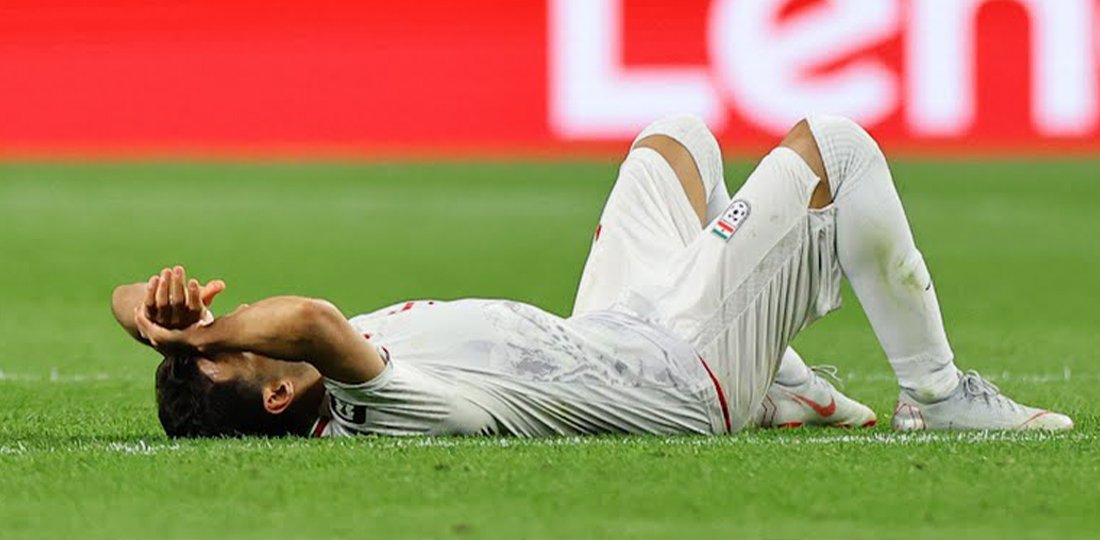
While the expanded World Cup format proved to be an opportunity for Africa, the exact opposite was true for Asia. Out of the 27 matches played by nine Asian teams, only three wins were secured. On average, they collected only 0.67 points per game.
African nations, on the other hand, played 30 matches, won 10, and achieved an average of 1.33 points per game. In the final round of qualifiers, in the five decisive Africa-Asia clashes, Asia failed to win a single match, losing four.
Four years ago, Australia, Japan, and South Korea reached the knockout stage. This time, only Australia and Japan managed to advance. African teams have been continuously developing. Nine teams reached the knockout stage for the first time. But Asia seems to have moved in the opposite direction. Uzbekistan's head coach Fabio Cannavaro said after his team lost all three matches, 'Except for Japan, Australia, and perhaps Iran, all teams need to improve a lot.'
South Korea's elimination after an unexpected loss to South Africa in their final match has had significant political and sporting repercussions. South Korean President Lee Jae-myung ordered an investigation into the team's poor performance, calling it a 'failure of organization and individual performance.' Just a few hours later, head coach Hong Myung-bo, who had been managing the team for two years, resigned.
Jordan, participating in the World Cup for the first time, lost all three matches. They scored three goals and conceded eight.
Jordan's head coach Jamal Sellami explained the significant gap in performance by saying, 'Because African players play in major European leagues, if Jordanian football is to achieve better results in the future, our players need to play in stronger and more competitive leagues.'
The statistics confirm this.
Out of Morocco's 26-man squad, 20 players play in Europe, with 15 of them in Europe's top five leagues. Of the 24 players in DR Congo, the last African team to qualify for the World Cup through an intercontinental playoff, 11 play in major leagues. Egypt is the only exception. 17 of its players are affiliated with domestic league clubs, while only six play for European clubs.
For Jordan, forward Mousa Al-Tamari, who plays for French club Rennes, is the only player playing in Europe.
Iraq and Uzbekistan have three players each playing in Europe, while four Iranian players are attached to European clubs. However, this cannot be compared to the best-performing nations in Asia. 23 Japanese, 16 Australian, and 15 South Korean players are playing for European clubs.
This clearly shows a significant gap in the level of development that needs to be bridged.
The Asian Football Confederation has a lot of work to do to compete with Africa and make its teams competitive in the expanded World Cup format.
From BBC
This specific news has been automatically translated by AI. As a result, there may be some inaccuracies or language errors.