German Chancellor Acknowledges Europe's Defense Shortcomings, Strengthens Alliances


German Chancellor Friedrich Merz has acknowledged U.S. criticisms that Europe has not contributed enough to its own defense, admitting that European nations had been "free-riders" in the past. However, he emphasized that Germany and its allies are now taking greater responsibility. "We know we must do more, and we are doing more," Merz told the BBC, highlighting increased defense spending and cooperation with partners like the U.S. and UK.
Strengthening European Security Alliances
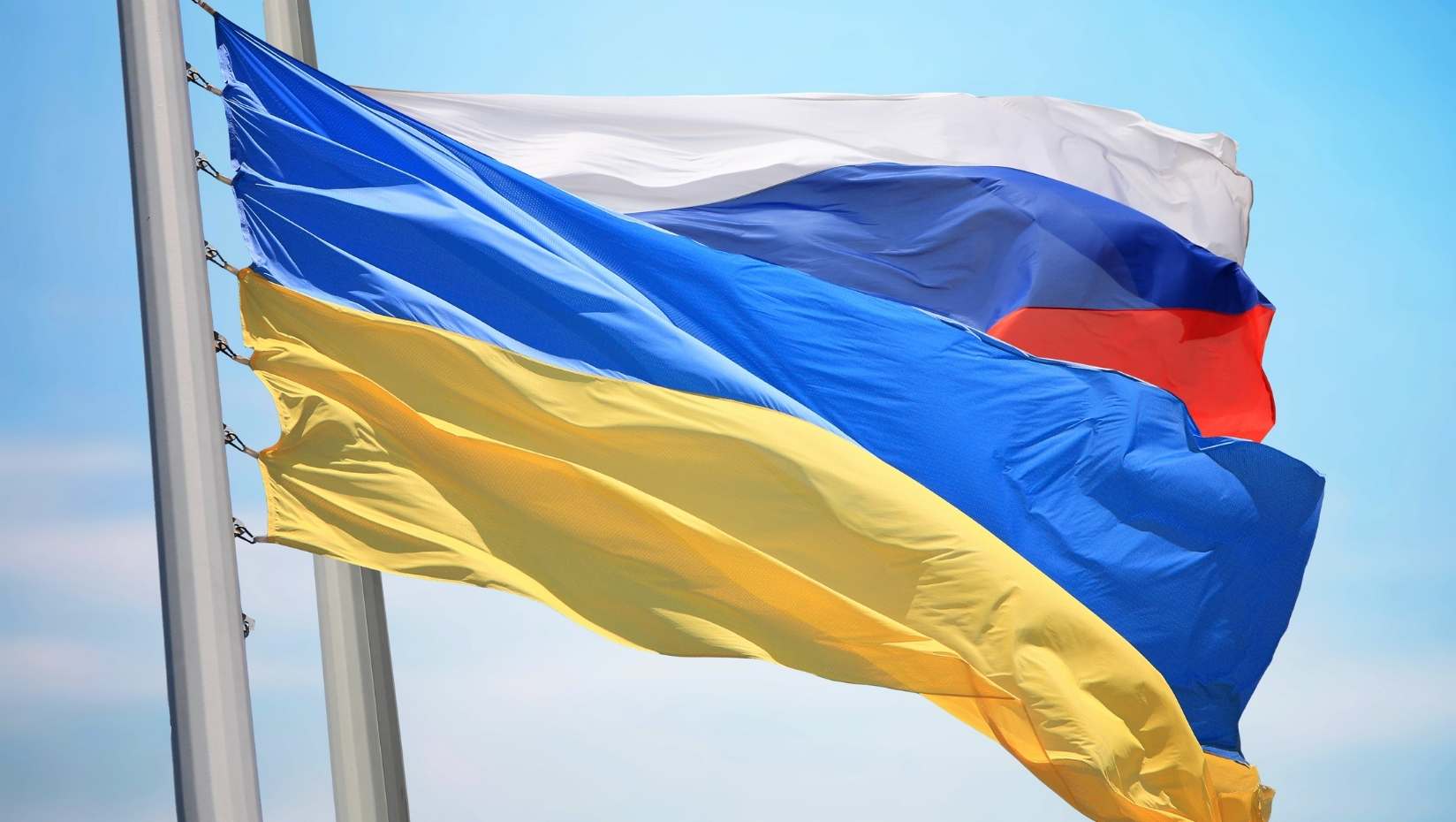
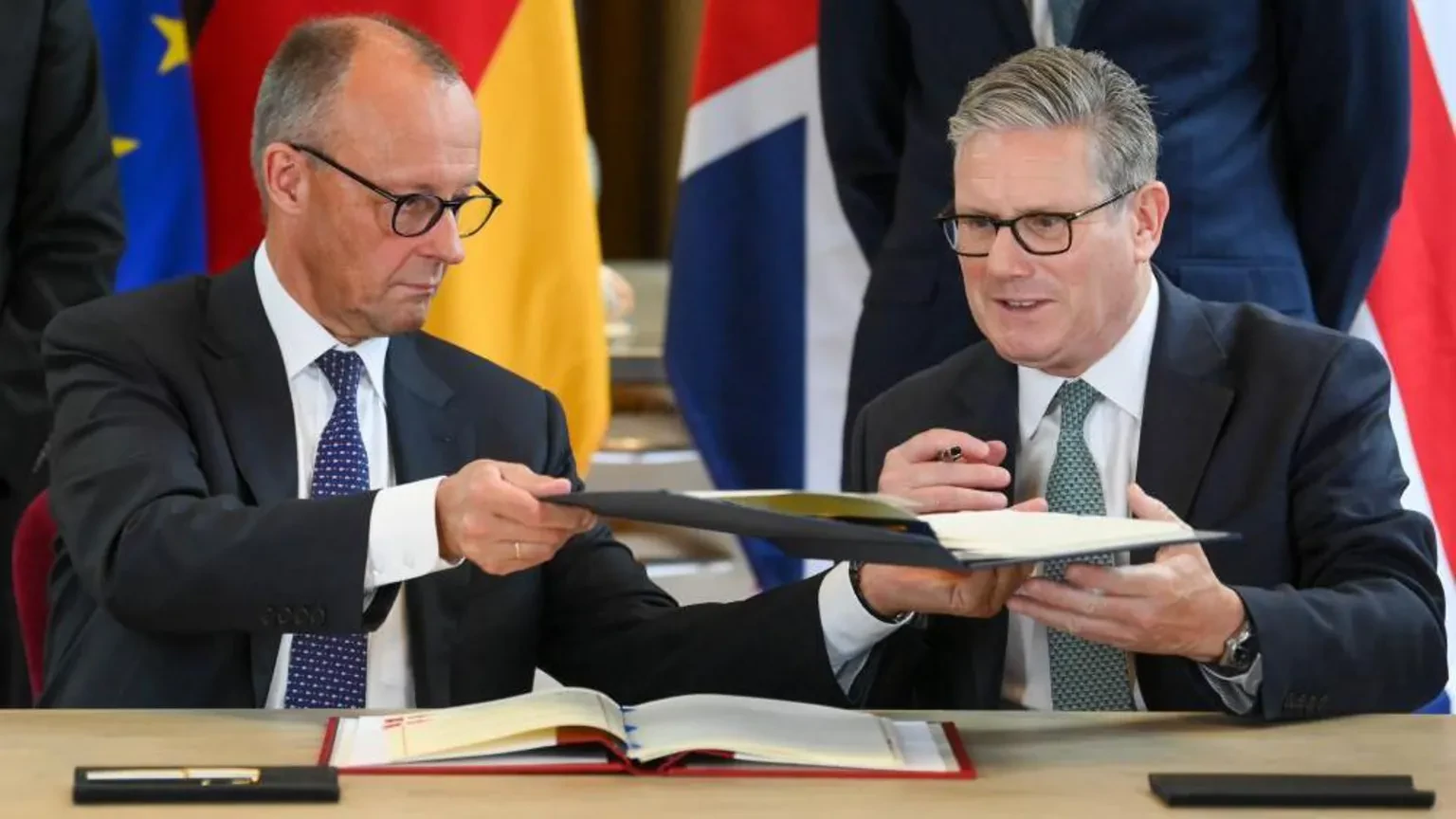
Merz's visit to the UK aimed to bolster defense ties under a new friendship treaty, which also addresses migration and youth exchanges. The agreement reinforces NATO commitments and facilitates joint military projects, including the production of advanced weaponry like Typhoon fighter jets and long-range missiles. Merz stressed the importance of European unity, particularly in response to Russia's war in Ukraine, warning that the conflict threatens not just Ukraine but "our peace, freedom, and Europe’s political order."
Trade Tensions with the U.S.
The chancellor also addressed concerns over U.S. threats to impose 30% tariffs on EU exports, calling the move damaging to Germany’s economy. While he expressed hope for a negotiated solution, he noted that America’s shifting focus toward Asia has forced Europe to prioritize self-reliance in defense and trade.
Cracking Down on Migration and Rebuilding UK Ties
A key part of the UK-German treaty includes measures to combat illegal migration, such as criminalizing the storage of smuggling boats in Germany. Additionally, the pact seeks to revive cultural and educational exchanges, including a proposed direct rail link between London and Berlin, to strengthen post-Brexit relations. Merz emphasized that younger generations would benefit most from these renewed ties, ensuring long-term collaboration between the two nations.
Balancing Relations with Trump
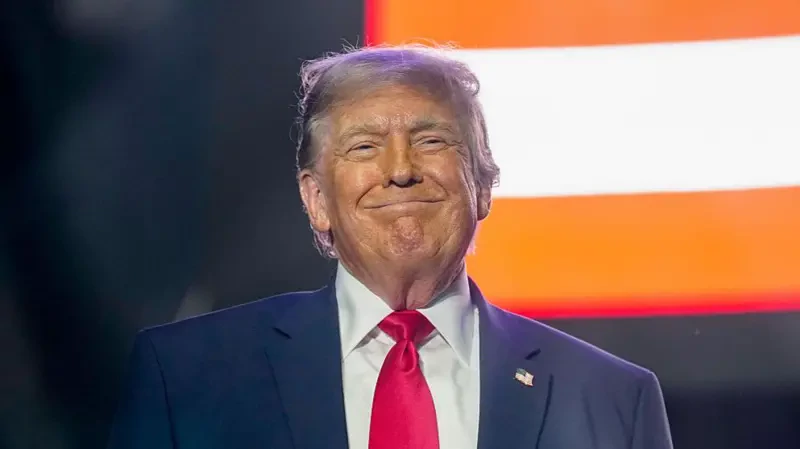
Despite past criticisms of the Trump administration’s "indifference" toward Europe, Merz said he maintains regular communication with the U.S. president, particularly on Ukraine and trade. While he acknowledged differences, he expressed cautious optimism about finding common ground on key issues.