Madhesh Province Government Future Uncertain Amidst Alliance Shifts

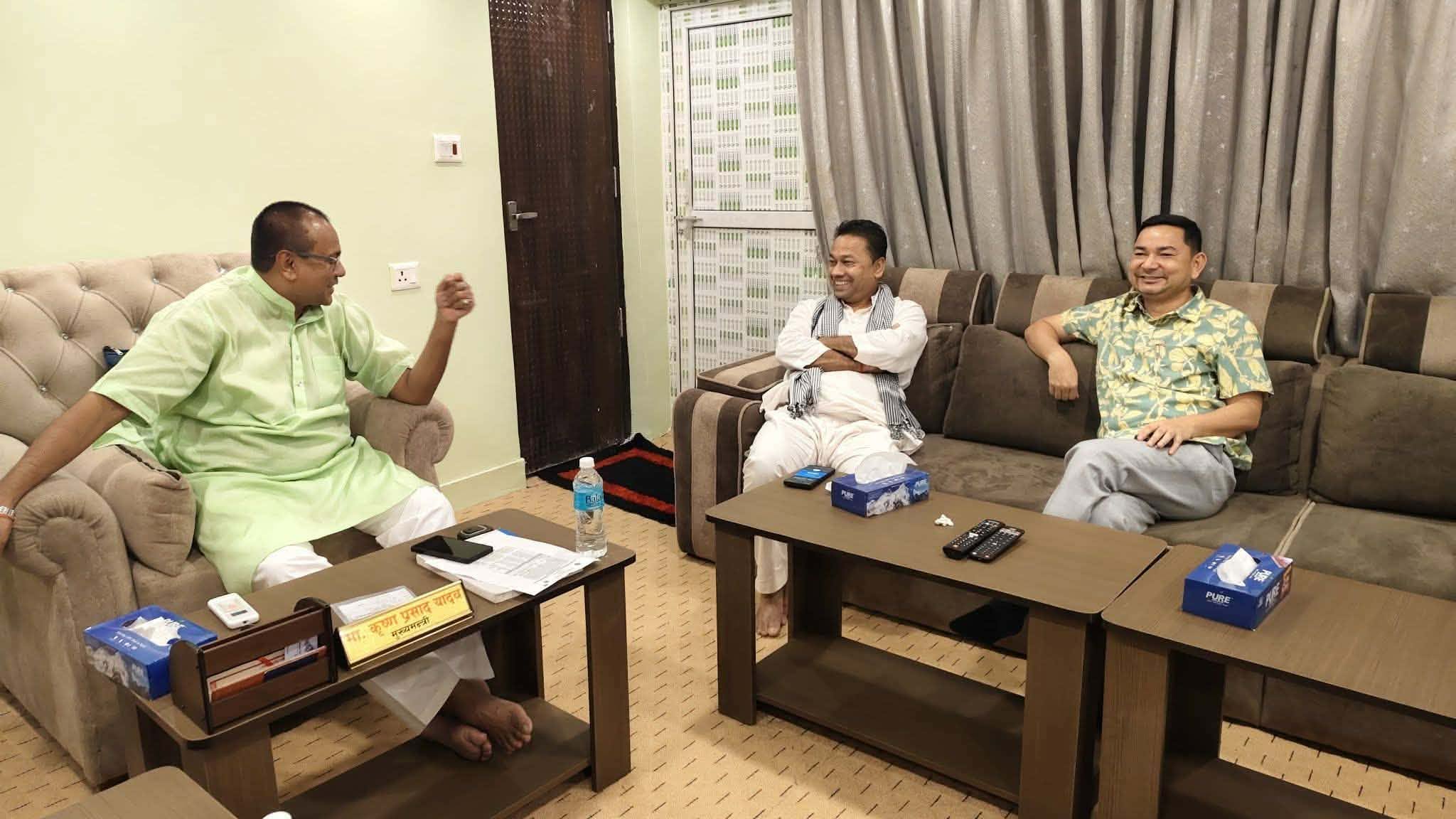
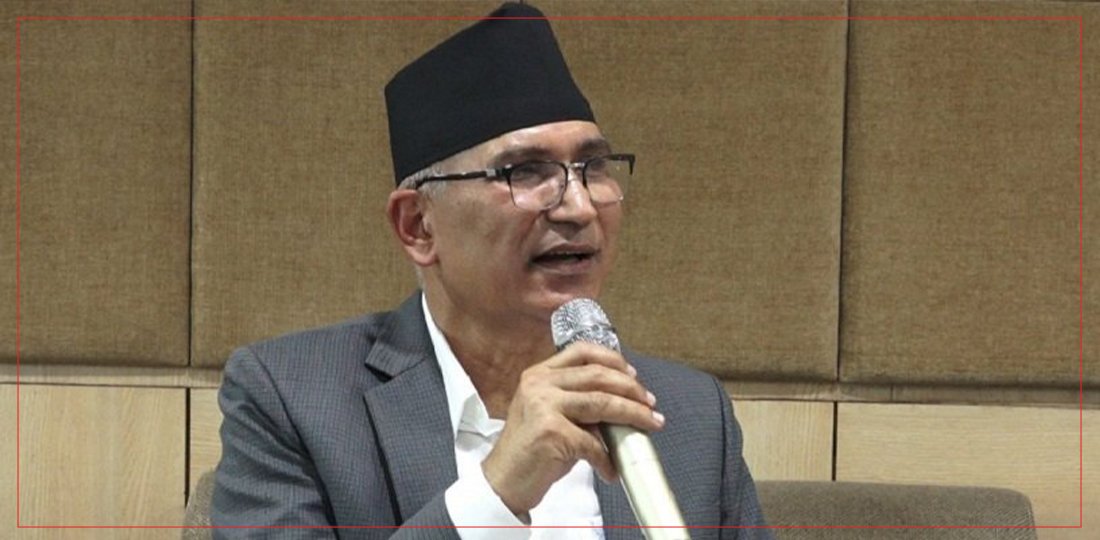
Kathmandu. The future of various provincial governments is being questioned following a rift in the alliance between the Nepali Congress and CPN-UML. The Madhesh Province, which has been strongly advocating for federalism, is not untouched by this. However, Madhesh Province leaders accepted that the decision-making authority regarding changing or saving the government does not lie at the provincial level, stating that they have to remain helpless in the face of decisions made by parties at the central level.
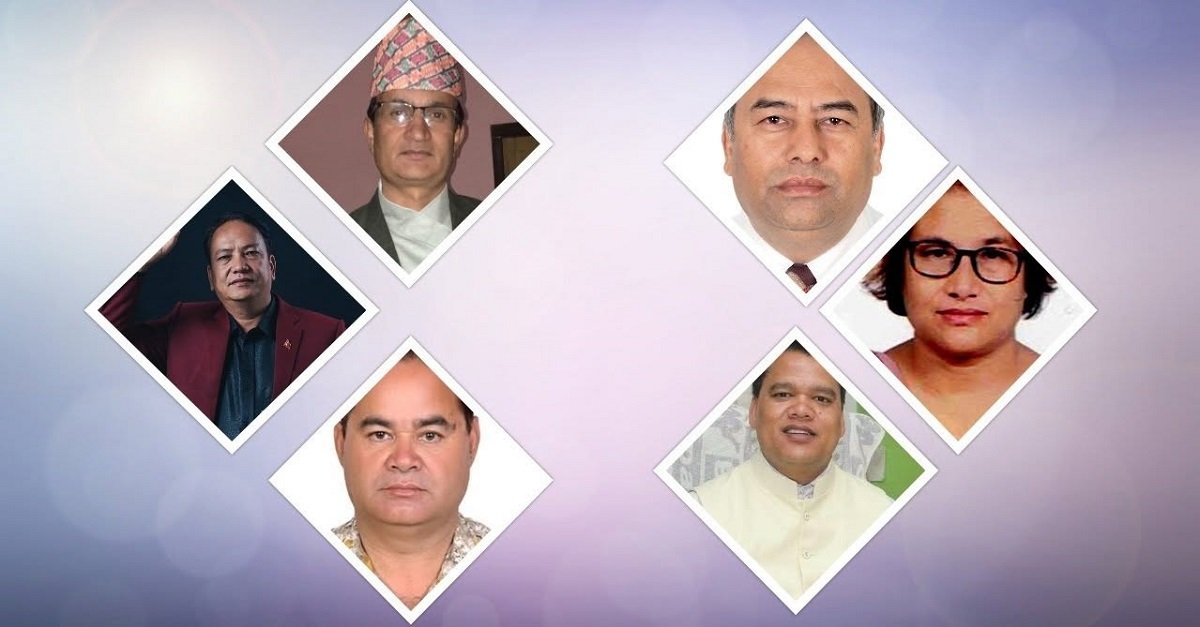
Members of the Madhesh Province Assembly from various parties accused the government of failing to work as per the wishes of the people here due to frequent interference by the center in provincial politics. They complained that a government formulates its policy, program, and budget, and just as it is about to implement it, the government itself changes, leaving those plans unfinished.
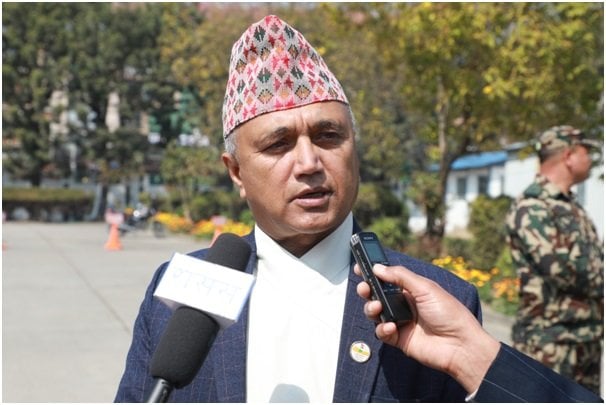
The Madhesh government is currently led by the Nepali Congress. Jangilal Rai, a member of the Madhesh Province Assembly from the Congress, said that regardless of how strong the provincial structure is, there is no alternative to obeying the decision made by the center. He questioned, 'Are the parties in the province assembly supposed to work according to the center's guidelines? The power equation changes from there, so what can we do?'
Expressing concern that a similar situation is about to repeat, he complained that the equation changed from the center even when the previous government was doing well. Rai claimed that if the center does not interfere, provincial leaders can resolve the issue of power equations within a day.
Rajkumar Lekhi, a member of the Province Assembly from UML, also said that decisions regarding the provincial government are made after discussions among the top leaders of the party at the center, and the province is only informed for implementation. 'Leaders agree, unite, and split there. The direct impact of that is also felt in the province,' he said. 'Such frequent changes in power equations are not good for democracy, republic, and federalism.'
Clarifying that the public desires a stable government and development, Lekhi said that attention needs to be paid to that. He considered it natural for the impact to be seen in the province when cooperation between parties breaks down. He said, 'The power equation that is going to be formed now is also in the hands of the center. There is no alternative but to follow the decision taken by the center.'
Jawaharlal Kushwaha, a member of the Province Assembly from CPN, said that the influence of national politics is the main factor in the change of government in the province. He said, 'Such frequent changes in power mean lagging further behind in terms of good governance. This can cause more problems in the coming days.'
Insisting that the public wants a stable government, he clarified that parties must understand the wishes of the public. He stated that the decision of the center will be important as to whether the current government in Madhesh Province will continue or another government will be formed.
Lalbabu Raut, a member of the Province Assembly from Janata Samajwadi Party and former Chief Minister, said that the problem currently faced by the province is like 'the father makes a mistake, the son gets punished'.
Sharing his experience of completing a full five-year term as the Chief Minister of Madhesh Province, Raut said, 'The problem is at the center, but its impact is also felt in the province.' He said that development cannot happen without political stability and parties should pay attention to this.
Clarifying that there are no permanent friends or enemies in politics, Raut said that when the power equation changes in Madhesh, JSP Nepal, as the largest party in the Province Assembly, will play an important role.
Shambhu Kumar Sah, a Member of the Province Assembly from Janamat Party, clarified that frequent formation and dissolution of power equations do not serve the interests of the public. Stating that such situations arise not because of provincial leaders but because of central leaders, he made it clear that this will not lead to the progress of Madhesh and the people of Madhesh. 'The budget has just been passed, and the government is about to fall here,' he said. 'Will the plans passed in the budget, the budget allocation made sector-wise, be implemented now? The center also needs to understand such issues.' He clarified that he himself did not know until this morning that such a change in power equation was happening.
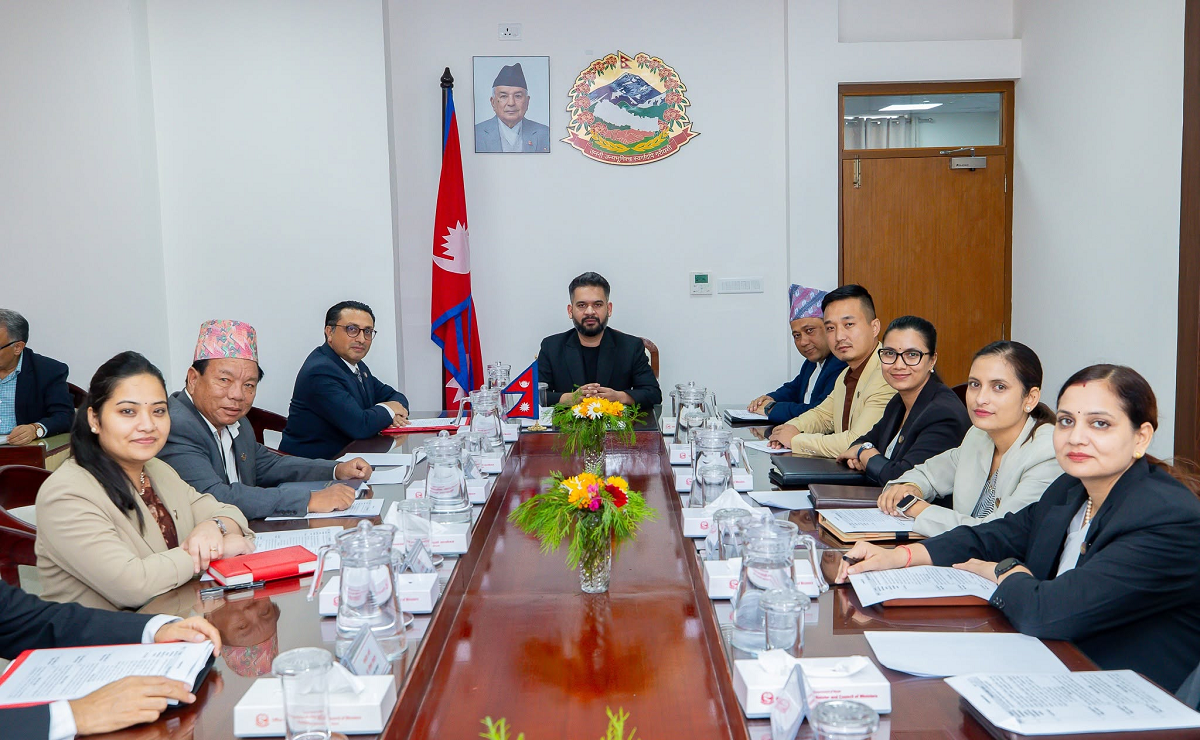
Meanwhile, a decision has been made to continue the alliance government in Madhesh Province, which includes the Congress, Nepal Communist Party (UML), and Nepali Communist Party (CPN).
A discussion held on Thursday between Krishna Prasad Yadav, leader of the Congress parliamentary party and Chief Minister, Saroj Kumar Yadav, leader of the UML parliamentary party, and Yuvraj Bhattarai, leader of the CPN parliamentary party and Finance Minister, decided to keep the current alliance as it is.
This specific news has been automatically translated by AI. As a result, there may be some inaccuracies or language errors.