Bird Flu Outbreak Spreads Aggressively Across Nepal, Impacting Economy and Food Security

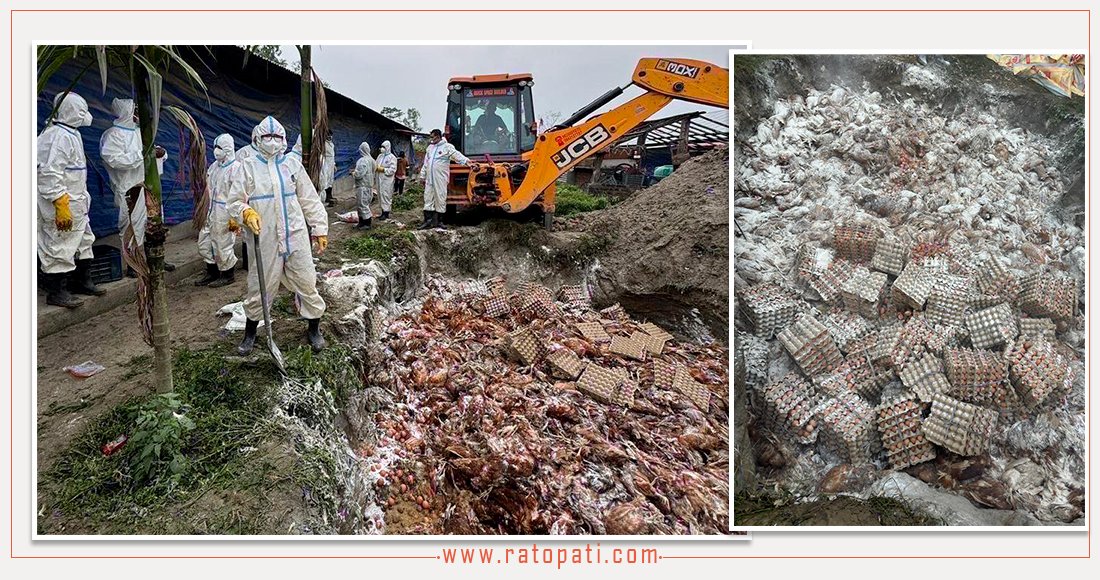
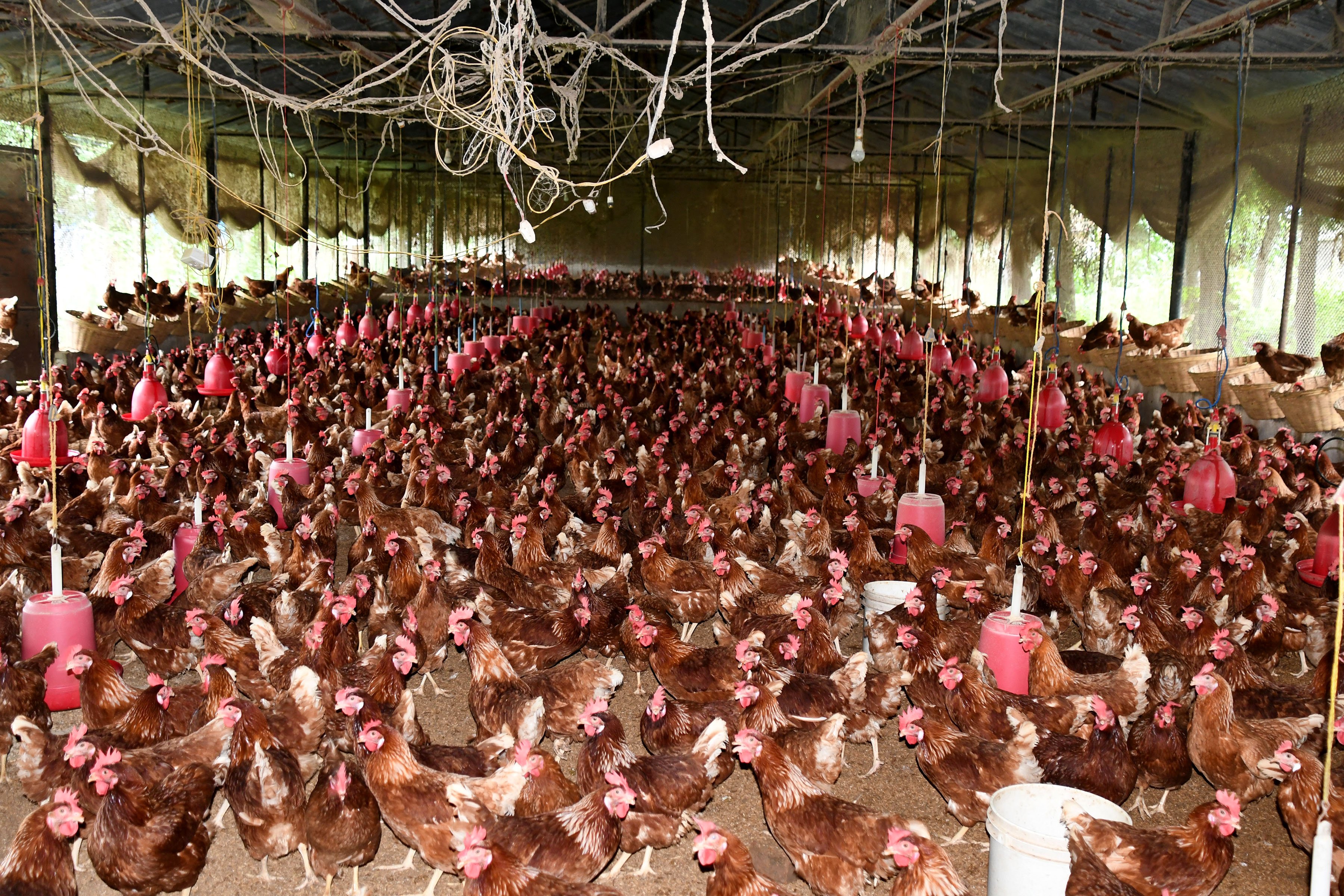
Kathmandu. The outbreak of highly pathogenic avian influenza (bird flu), which has been a major challenge in the livestock sector in Nepal for the past decade and a half, has spread in a more different and aggressive manner this time. This epidemic has once again severely hit the commercial poultry business, which is the backbone of the rural and semi-urban economy.
Unlike in previous years when this disease was confined to specific geographical areas and limited commercial farms, this year it has spread rapidly due to different environmental sensitivities, weak biosecurity, and changing behavior of wild birds.
The latest data and technical reports published by the Department of Animal Services show that this year's outbreak is much more complex and challenging than in previous years. This series of bird flu, which started in Morang district of Koshi Province, has now severely affected the capital Kathmandu Valley and various other districts. Due to the decline in demand for meat and eggs in the market, the culling (destruction) of millions of birds, the billions of rupees in losses incurred by farmers, and the potential risks to public health, this issue is no longer just an animal health concern but has also dealt a serious blow to the national economy and food security.
Related businesspeople say that the investment in Nepal's poultry business is more than Rs 150 billion. According to Jang Bahadur BC, president of the National Poultry Sellers Association, the consumption of chicken meat in Kathmandu Valley alone has decreased by 20 to 30 percent due to the rumors and infection of bird flu. Kathmandu Valley is the largest market in the country for chicken meat consumption, with a normal daily demand of about 300,000 kg. Currently, due to the fear of bird flu, this demand has decreased by 60,000 to 90,000 kg daily, with meat sales and distribution occurring at around 210,000 to 240,000 kg per day.
- Outbreak Spread from Morang
The first bird flu 'outbreak' of the current fiscal year (2082/083) was confirmed on March 18, 2082 (2025 AD) in Sundarharaincha-4 and Urlabari-8 of Morang district in Koshi Province. Initially confined to the eastern Terai districts, this infection gradually spread to other commercial hubs of the country and entered the Kathmandu Valley. According to Dr. Umesh Dahal, Director General of the Department of Animal Services, the Kathmandu Valley has now become the main hotspot for bird flu infection. Its presence has been found intensely in various agricultural and poultry pocket areas of Kathmandu, Lalitpur, and Bhaktapur. Although it was claimed to have been controlled once in the past, technicians analyze that the infection has re-emerged due to the virus's mutable nature and unfavorable environmental adaptations.
According to Director General Dahal, the control work has become more challenging as the infection has been observed not only in commercial farms in the valley but also in wild birds living in the open, especially crows. After a large number of crows were found dead in various public parks, streets, and forest areas of Kathmandu, laboratory tests confirmed bird flu. This clarifies how deeply the virus has established itself in our open environment and biological cycle.


According to current data, the infection has spread to 11 districts across the country, of which 7 districts (including Jhapa, Morang, Sunsari, Mahottari, Bara, and Chitwan) have now become infection-free. However, the risk remains high in 4 districts: Kathmandu, Bhaktapur, Lalitpur, and Kavrepalanchok. Although the infection rate in Lalitpur district has decreased somewhat, sporadic new cases are still being seen in the outer areas of Bhaktapur and Kathmandu. Kavrepalanchok district has now become the most concerning issue. As the infection graph has been rising in Banepa and surrounding commercial areas, the department has taken stricter measures.
According to BC, president of the National Poultry Sellers Association, where infection is confirmed, the entire farm is immediately sealed and the state scientifically destroys the chickens, so there is no possibility of infected meat reaching the market. He claims that arrangements have been made to ensure that the meat reaching the market is completely healthy and safe.
Director General Dahal of the Department of Animal Services also agrees. He said, 'After chickens get bird flu, they die very quickly, and if the disease is hidden, the entire farm is destroyed, so farmers themselves become aware and report suspicious deaths to the department or local veterinary hospital.'
_ZLq66N0diN.jpg)
- Problem of Human Negligence Too
Not only birds, but human carelessness, negligence, and poor management have also become major fuels for the spread of bird flu. During monitoring, it was observed that in some farms, dead chickens or birds were not buried in pits scientifically but were thrown in open spaces, roadsides, or streams, showing irresponsible behavior. Experts say that animals and birds like dogs, cats, or crows digging up and carrying these openly discarded dead birds to other places has caused the virus to spread to various new locations in a short time.
On the other hand, the tendency for farmers to hide information when they suspect the disease initially and only inform government officials late when the situation is completely out of control still persists. The Department of Animal Services states that in some cases, instead of cooperating with the technical team in destruction work after infection is confirmed on the farm, some entrepreneurs create local obstructions, protest, or try to hide chickens and send them elsewhere, thus affecting control efforts.
The department has identified some serious weaknesses through monitoring at the farmer level. It has been found that there is no effective system for disinfecting vehicles and people entering and leaving the farms. Additionally, chicks are purchased from unofficial, cheap, or unsafe sources, and feed and water storage cannot be kept away from the reach of wild birds, allowing the virus to easily enter the farm.
The natural and primary source of bird flu virus entering Nepal is migratory winter birds coming from Siberia, Mongolia, and Central Asian regions during winter. These birds spread the virus to local waterfowl and domestic poultry while staying in various wetlands, lakes, Koshi Tappu, Jagdishpur Lake, and the banks of Karnali and Narayani rivers in Nepal. Experts say there is a high risk of infection spreading to poultry farms through domestic poultry.
- 2.7 Million Birds Died in 17 Years
Nepal has been continuously facing this epidemic for the past 15 years. The first infection of highly pathogenic avian influenza in Nepal was confirmed on January 16, 2009 (Magh 2065 BS) at the eastern border of Jhapa district, Kakadvitta. Immediately after, in 2010, when the outbreak spread to areas including Pokhara, more than 11,000 birds were destroyed to control the infection.
- Outbreak Data Until 2026
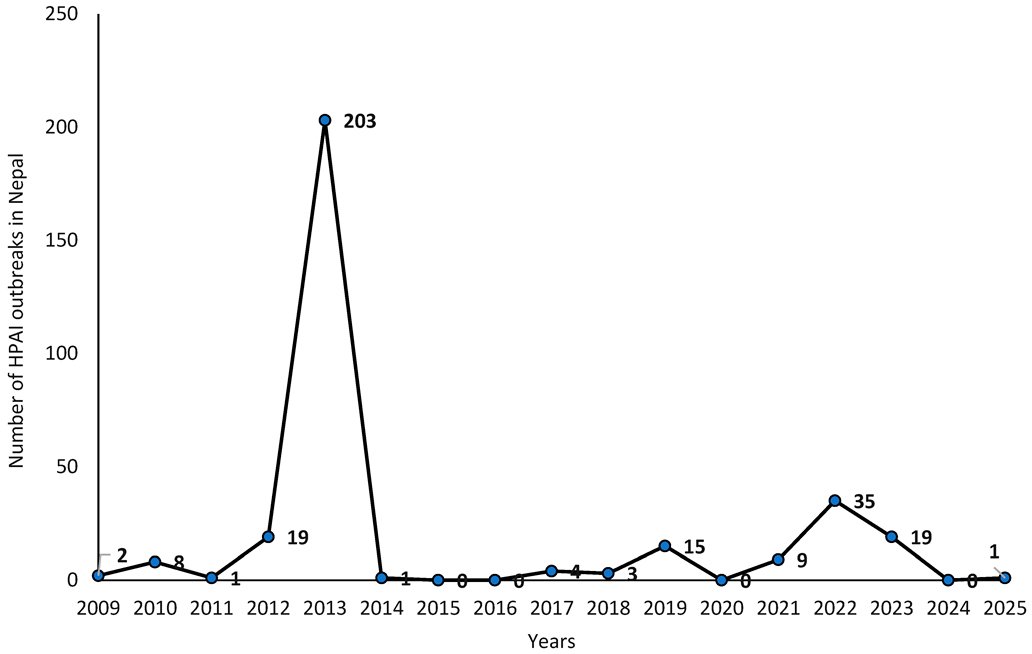
In the period of 17 years from 2009 to 2026, more than 320 bird flu outbreaks in Nepal have been registered with the World Organisation for Animal Health. As a result of government measures taken to control the epidemic, more than 2.7 million domestic birds have been culled in Nepal so far. The bird flu outbreak has spread to more than 25 districts of the country. Among them, Bagmati Province, and especially the Kathmandu Valley, are the most affected and sensitive areas.
The bird flu virus in Nepal has been changing its form from time to time. While H5N1 (Clade 2.2) was active in 2009, Clade 2.3.2.1a became the main cause of the epidemic in the 2010s. In 2021, the H5H8 strain appeared for the first time in commercial domestic poultry. In the epidemics of 2023 and 2026, it was confirmed that a new hybrid (reassortant) virus, formed by the mixing of two different strains (Clade 2.3.4.4b and Clade 2.3.2.1a), was active.
- What is the Impact on Humans?
Bird flu is not a disease limited only to birds. It is a zoonotic disease, meaning it can spread from birds to humans and is fatal. Although no cases of bird flu spreading to humans were seen in Nepal for a long time, in March 2019, the first death in Nepal due to bird flu infection was confirmed in a 21-year-old youth. After the death of the youth from Kavrepalanchok, his sample was sent to the World Health Organization Collaborating Centre for Influenza in Japan for testing, which confirmed that the death was due to bird flu.
No cases of human infection have been found from the outbreak seen in 2026. However, as the risk is high, the Department of Animal Services immediately informs the Ministry of Health whenever bird flu is confirmed on a farm. The teams from the Ministry of Health's Division of Epidemiology and Disease Control and the National Public Health Laboratory are regularly monitoring the health of farmers, workers, and locals in the affected areas and collecting samples.
_L5jyzyjbyL.jpg)
- Bird Flu Spreading Worldwide
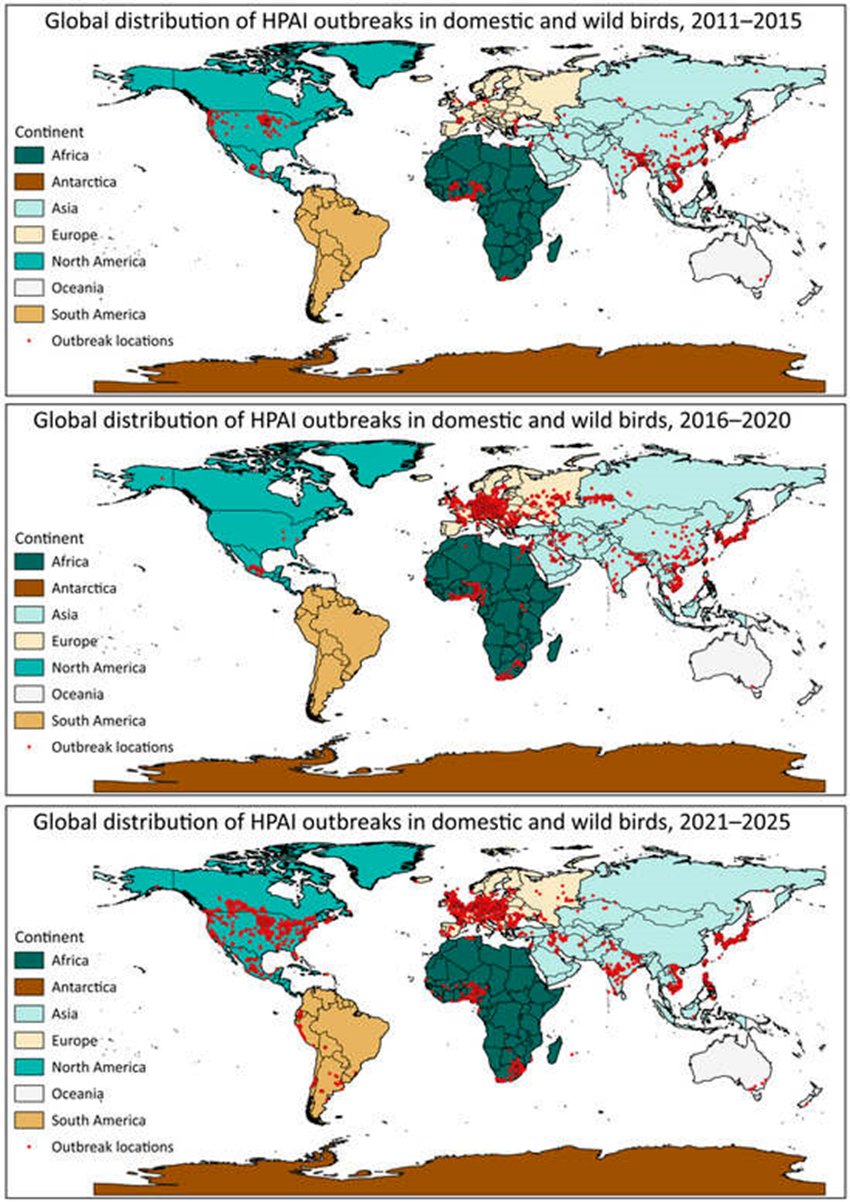
The highly contagious bird flu outbreak has spread rapidly worldwide in the last 15 years. During the first phase from 2011 to 2015, the bird flu outbreak was mainly concentrated in North America (especially the interior of the United States), Asia (especially South and East Asia), and some countries in Africa. During this period, its impact in Europe and South America was very low or negligible.
In the second period from 2016 to 2020, there was a significant geographical shift in the spread of bird flu. The outbreak spread exceptionally across the European continent, causing significant losses to the poultry sector of European countries. Additionally, the outbreak persisted in various regions of Asia and Africa. However, during this period, the number of outbreak incidents in North America decreased somewhat compared to the previous phase.
In the last five years (2021-2025), bird flu has taken its most widespread and fatal form in history. During this period, North America and Europe have been completely hit by this outbreak. Most concerningly, in this period, a major bird flu outbreak has occurred for the first time in South America (especially coastal areas of Chile, Peru, and Argentina), which was considered safe in previous years.
World Organisation for Animal Health Report
- 50 Crore Relief Package
To control this year's bird flu infection, the government has intensified the identification of affected areas and the destruction of birds and bird products in accordance with the Bird Flu Disease Control Regulations and Procedures. According to the latest report from the Department of Animal Services, 754,005 birds, 1,091,303 eggs, and 242,635 kilograms of feed have been safely destroyed across the country to prevent the spread of infection.
To provide relief to farmers affected by bird flu and financially devastated, the Ministry of Agriculture, Forests and Environment has released Rs 500 million to the Department of Animal Services through budget reallocation. According to Dr. Mukul Upadhyay, spokesperson for the department, there is a provision to provide up to 75 percent compensation to farmers based on verified loss details.
_3dS8PpmBOZ.jpg)
- Is Chicken Meat Safe to Eat?
Although the bird flu virus is sensitive from a public health perspective, this virus cannot survive at high temperatures. Therefore, experts say that consumers can safely consume chicken meat and eggs by taking general precautions. According to them, when eating chicken meat or eggs, they should be cooked thoroughly at a temperature of at least 70 degrees Celsius, and after touching raw meat, hands should be washed thoroughly with soap and water for at least 20 seconds.
The recurring and increasingly aggressive bird flu epidemic in Nepal every year is not solely due to natural causes; our weak biosecurity system and indifference to professional responsibility are equally responsible. Since the health security of animals and birds is not only the responsibility of government agencies but also a shared duty of producers, consumers, and businesses, it is necessary to honestly adhere to biosecurity standards and exchange information in a timely manner.
This specific news has been automatically translated by AI. As a result, there may be some inaccuracies or language errors.






_3qLgVMdOIh.jpg)