Civil Hospital Staff Accused of Rs 30 Million Corruption

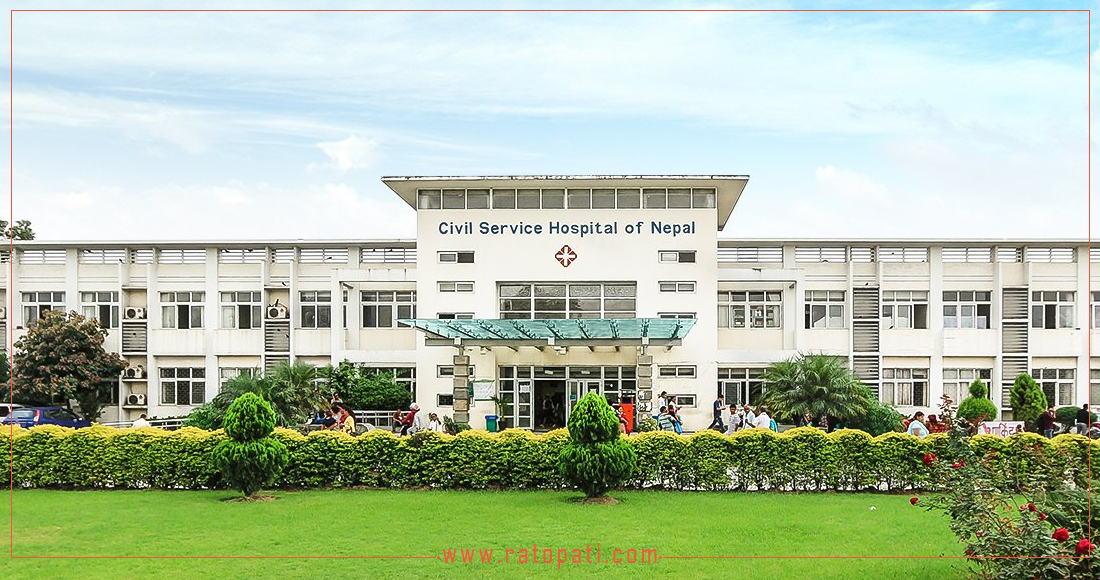
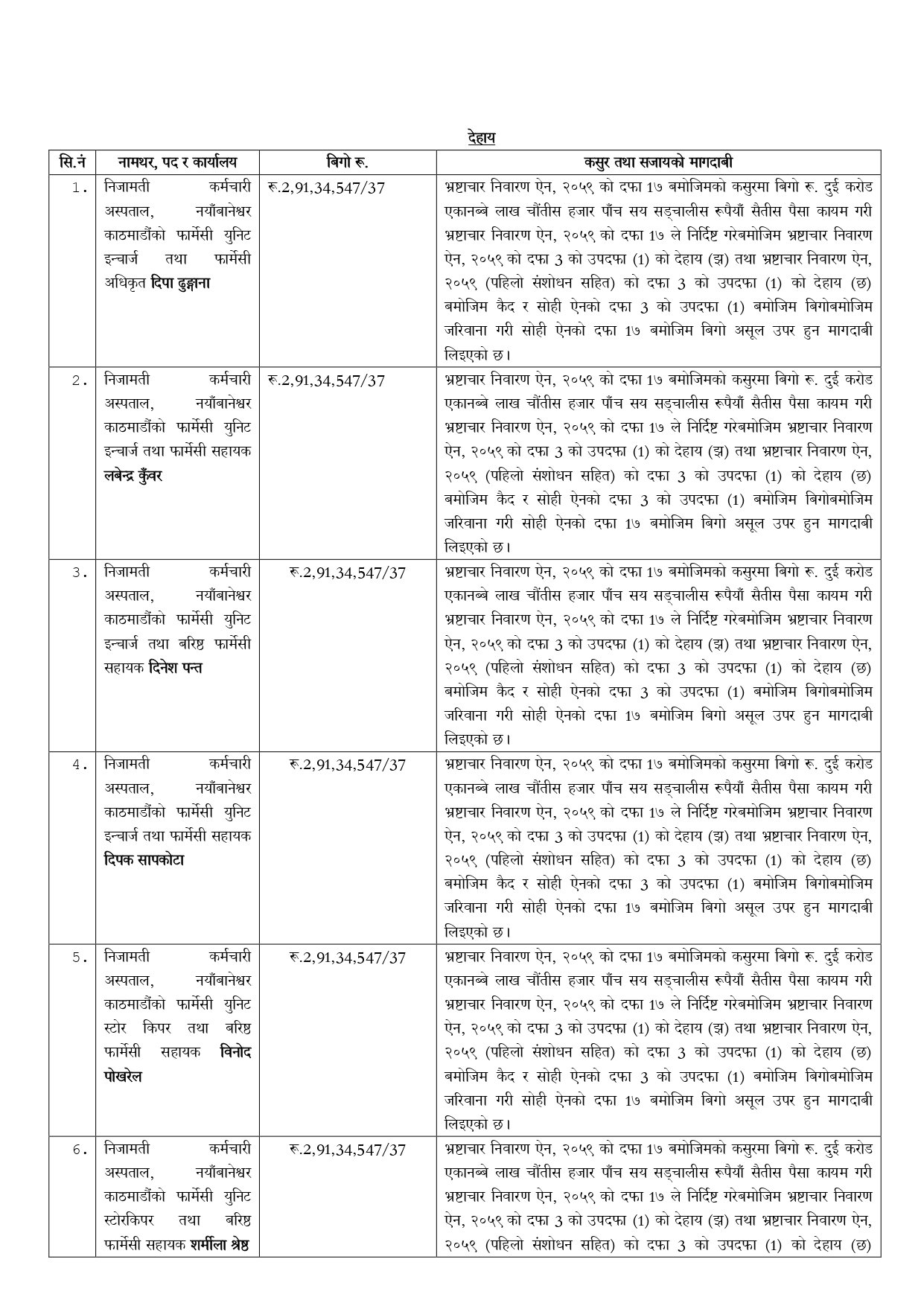
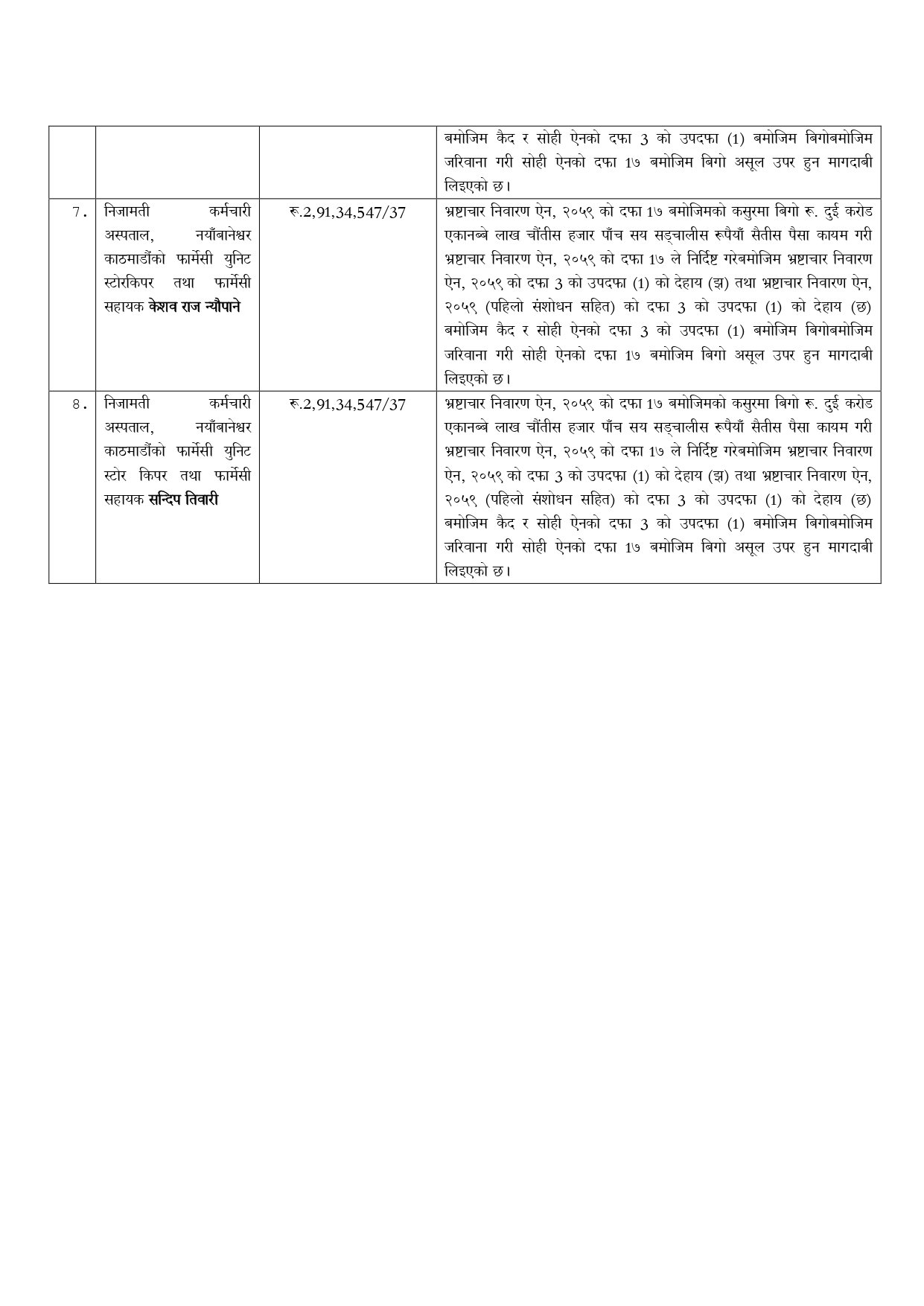
Kathmandu. Employees working in the pharmacy branch of the Civil Hospital, Kathmandu have been found to have embezzled approximately 30 million rupees in collusion with drug suppliers. An investigation into complaints that bills and vouchers were entered into the software without supplying medicines to the hospital, that the computer showed stock but there was no actual inventory, and that crores of rupees worth of medicines were expired and thrown away in the store and on the stairs has confirmed a large-scale corruption. The Commission for Investigation of Abuse of Authority on Wednesday filed a charge sheet at the Special Court, Kathmandu against 8 responsible employees of the hospital involved in this act. The accused include hospital Pharmacy Unit In-charges Dinesh Pant, Deepa Dhungana, Labendra Kunwar, and Deepak Sapkota. Similarly, charge sheets have also been filed against storekeepers Binod Pokharel, Keshav Raj Nyaupane, and Sharmila Shrestha, and pharmacy assistant Sandeep Tiwari. The investigation by the CIAA has revealed that they misused their positions and authority with the intention of misappropriating and causing loss to public property. The hospital's Pharmacy Service Directive, 2072, mandates that pharmacists prepare a balance test of purchases, sales, and remaining medicines at the end of each financial year. However, it has also been confirmed by the Auditor General's audit report for the fiscal year 2077/78 that these employees did not prepare such a balance test. According to the agreement between the supplier firm and the hospital, the executive director had given the responsibility to the pharmacy unit in-charge to immediately return medicines with only 4 months of expiry and those that expired without being sold, and to receive reimbursement. However, they caused loss to the public property by not returning the medicines. According to CIAA Spokesperson Suresh Neupane, if the reimbursement for expired medicines was not made as per the terms of the agreement, the amount equivalent to the value of the medicines should have been deducted from the security deposit of the respective firms. When the supplier firms submitted applications for the return of their security deposits, the accounting branch had sought an opinion from the pharmacy branch regarding whether expired medicines were present or not. During that process, responsible officials and employees of the pharmacy branch maliciously provided false information in writing that the expired medicines were 'not present', even though they were. Based on that false information, the security deposit amount that should have been deducted from the firms was returned without deduction. According to the detailed analysis report prepared by the committee led by the hospital's Medical Division Chief, it has been found that they have caused a loss of public property amounting to a total of 2 crore 91 lakh 34 thousand 547 rupees and 37 paisa. The CIAA has filed a case in the Special Court seeking punishment and fines equivalent to the same amount of misappropriated property.
This specific news has been automatically translated by AI. As a result, there may be some inaccuracies or language errors.