
Health Minister Nisha Mehta: Health Insurance Not for Profit

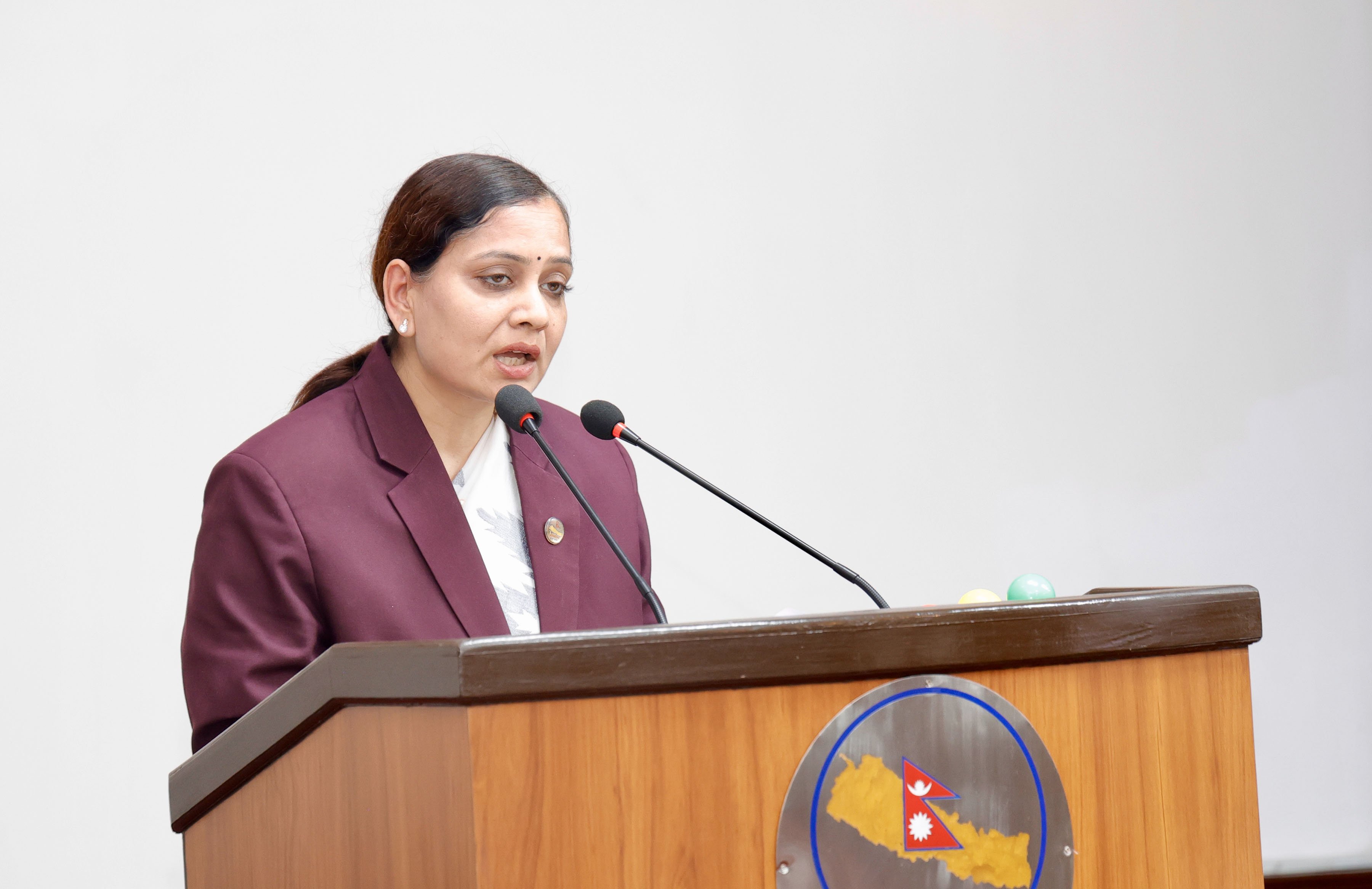
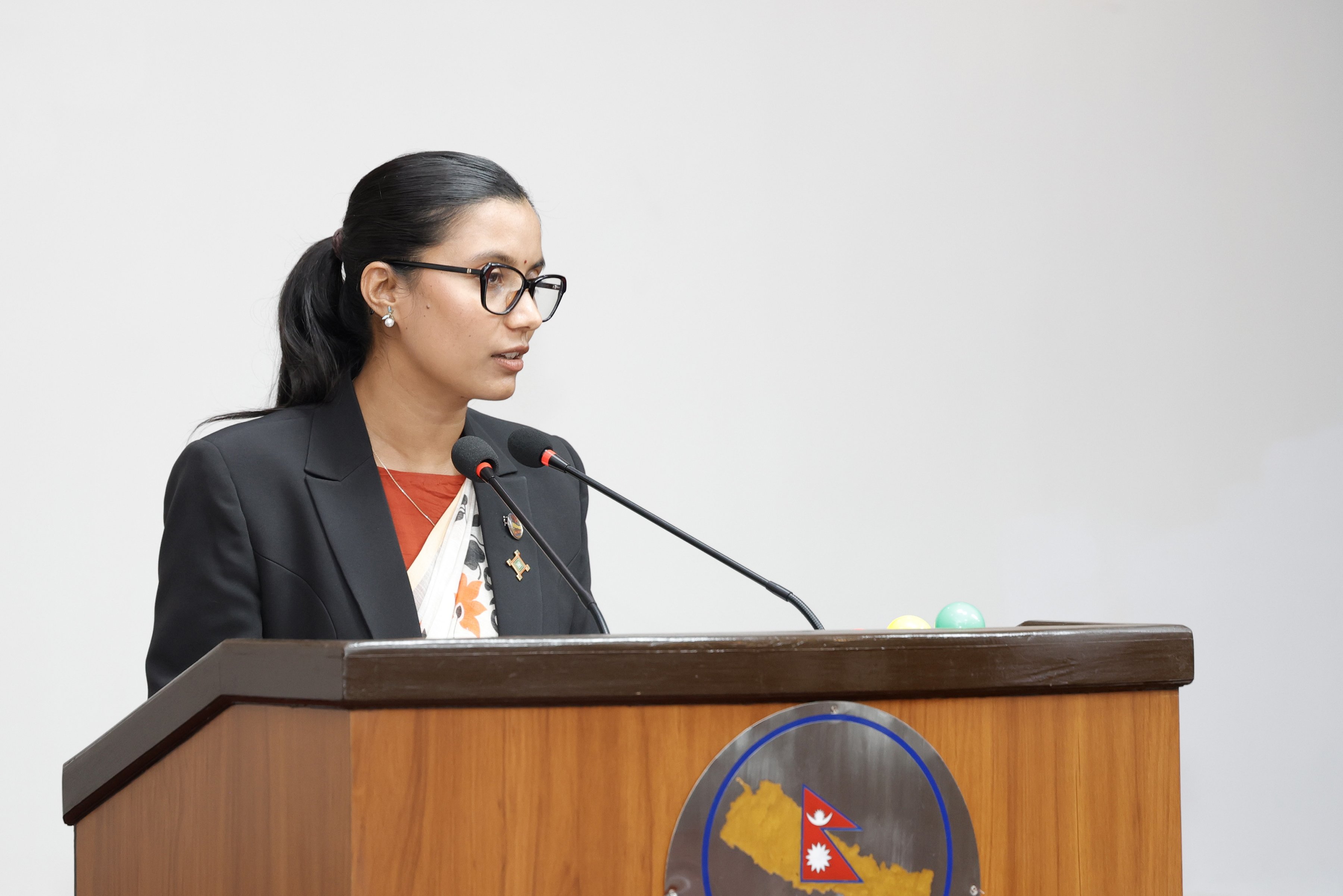
Kathmandu. Health and Food Sanitation Minister Nisha Mehta has stated that health insurance should not be viewed from a profit and loss perspective.
Responding to questions raised during the ministry-wise discussion of the appropriation bill in the National Assembly on Monday, she said that health insurance is not a profitable business but a social health security program.
She stated that it should be understood as social justice, risk sharing, and state investment in health. Informing that the state has been prioritizing health insurance, she said that the government has allocated 15 billion rupees for this program in the upcoming fiscal year.
Minister Mehta informed that although 10 billion rupees were allocated in the current fiscal year, more than 23 billion rupees in claims have been paid. According to her, claims from all service provider institutions affiliated with the Health Insurance Board have been settled by the end of Mangsir 2082. She clarified that coordination is underway with the Ministry of Finance to ensure the necessary budget and sustainable sources for claims received after Mangsir. She also stated that the program's sustainability is challenged by the fact that most insured individuals are only those who are sick.
Minister Mehta informed that the ministry has put forward both short-term and long-term strategies to improve health insurance. Under the short-term plan, the focus is on reviewing the service package, managing insurance services in private health institutions, and effective monitoring, while the long-term plan includes mandatory enrollment of employees from all sectors in health insurance and integration of services under the Social Health Security Fund.
Speaking in Parliament, she said, 'Health insurance is definitely not a profitable business like other commercial insurance; it is a social health security program. Health insurance should be viewed not from a profit and loss perspective, but as social justice, risk sharing, and the state's investment in the health sector. Through this program, it has also created an important basis for strengthening health institutions along with providing financial security to citizens. The government has given high priority to health insurance. While 10 billion rupees were allocated in the current fiscal year, 15 billion rupees have been allocated for the upcoming fiscal year. More than 23 billion rupees have been paid in the current fiscal year. With that payment, the claims of all service provider institutions affiliated with the Health Insurance Board have been settled by the end of Mangsir 2082. For claims after Mangsir, payment is being pursued through coordination with the relevant ministry to ensure the necessary budget and sustainable source. We believe the main challenges of the health insurance program are the lack of employees in the organized sector and the ineffective implementation of mandatory participation of institutions. Improvements in the insurance management system are also necessary. Most of the insured individuals are only those who are sick, which creates a challenge for the program's sustainability.'
Minister Mehta stated that the investment made in the health sector is not an expense but an investment in human capital and the country's future. She emphasized that sufficient health investment is necessary to reduce the financial burden of citizens' treatment costs and increase productivity. She clarified that although 101.95 billion rupees have been allocated for the overall health sector in the upcoming year, the direct budget for the Ministry of Health and Population is 96.37 billion rupees. She informed that although the budgets of institutions like the Civil Hospital and Police Hospital do not fall under the ministry, they are included in the overall health sector budget.
This specific news has been automatically translated by AI. As a result, there may be some inaccuracies or language errors.
-(2)_QJLjKxR87n.jpg)
_xzOO6ppgRG.jpg)
_E5Ej4ZyTdN.jpg)