GANDAKI PROVINCE PROJECTS RS 15.56 BILLION REVENUE IN CURRENT FISCAL YEAR

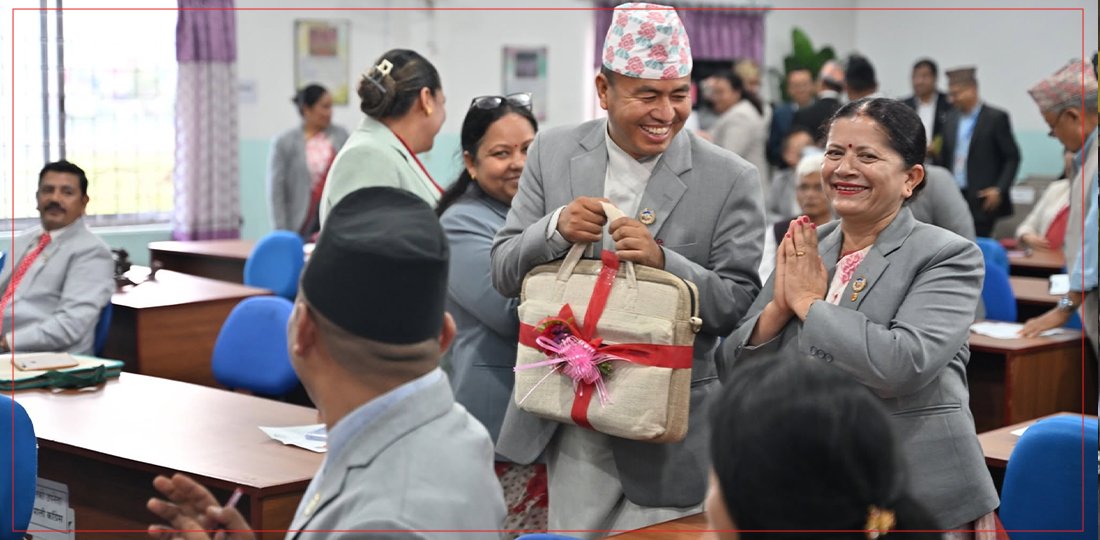
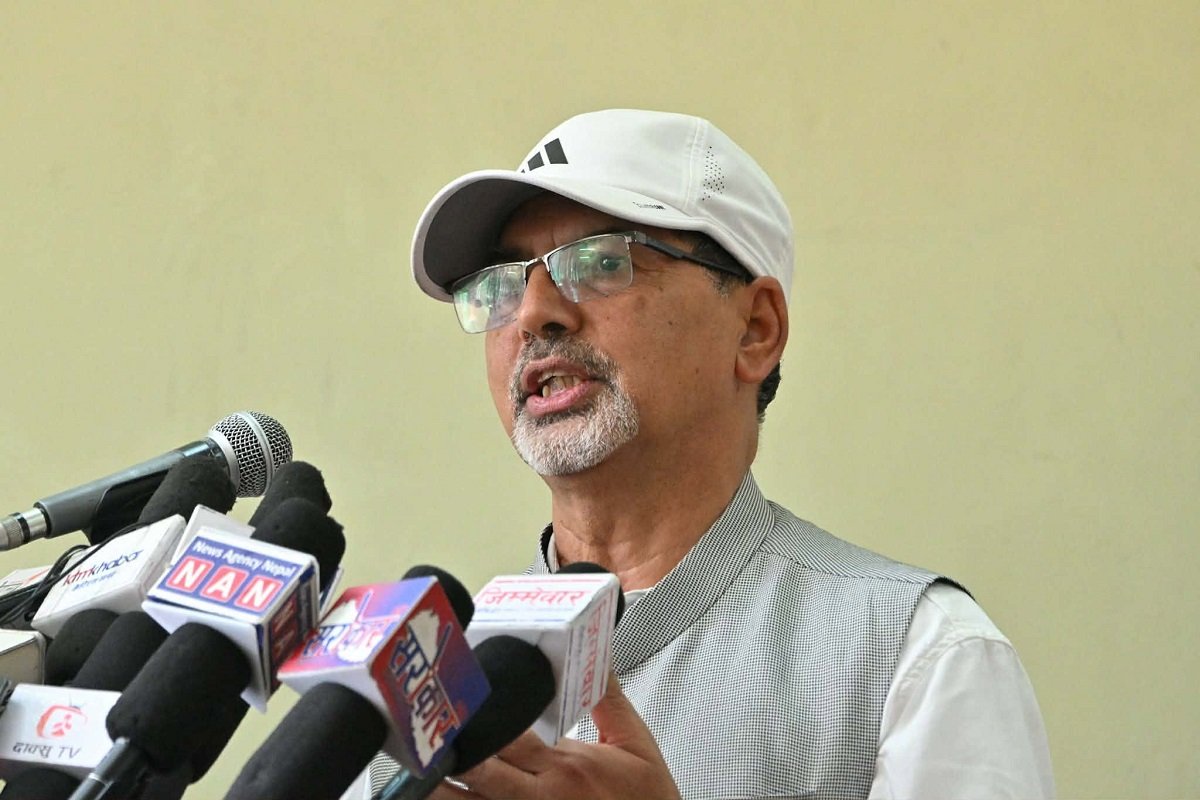
Pokhara. In the last fiscal year 2081/082, Gandaki Province received 12.28 billion rupees from internal income, revenue sharing, and royalty. It is projected to receive 15.56 billion rupees from these same headings within the current fiscal year. In the upcoming fiscal year 2082/083, this amount is estimated to reach 15.98 billion rupees. The provincial government has made different revenue projections based on normal and improved scenarios. If there are no changes in the existing legal and administrative structure, the province's total revenue collection in fiscal year 2083/084 is estimated to reach 12.75 billion rupees. However, if strategic reforms are fully implemented, this amount is projected to increase to 16.33 billion rupees. Government studies show a significant increase in revenue and internal income in the next three years. According to the 'Study of Provincial Revenue Status and Mobilization Strategy' prepared by the Provincial Policy and Planning Commission, if reform programs are effectively implemented, the province's revenue is estimated to reach 20.43 billion rupees in fiscal year 2085/086. However, without reforms, the provincial revenue will be limited to 16.98 billion rupees during that period, said Dr. Krishnachandra Devkota, Vice-Chairman of the Provincial Policy and Planning Commission. 'The revenue projection presents a goal of gradually reducing dependence on federal grants by significantly improving the province's internal income structure within the next five to ten years,' he said. 'If the tax base is expanded and leakage is effectively controlled, the province can manage a large portion of its development expenditure from its own internal sources.' The study has identified five areas where reforms are necessary to increase revenue. Firstly, policy and legal reforms are essential, with suggestions to formulate an integrated provincial revenue policy and umbrella law that covers all tax and non-tax revenue systems. This will help eliminate double taxation and clarify jurisdiction, the study concludes. It is also suggested that tax rates should be revised scientifically based on market value, cost of services, and taxpayer capacity, and that coordination should be sought with the federal government to amend provincial legal provisions that conflict with federal laws. The study indicates that revenue will increase if data from all revenue collection offices are integrated into a single system. Similarly, the strategy includes suggestions for administrative and organizational reforms, inter-governmental coordination, taxpayer-friendly environment, and implementation of service-outcome programs. It is suggested to ensure that tourism fees collected are reinvested in tourism infrastructure and revenue from riverbed materials is reinvested in river control and environmental conservation, so that taxpayers can see the direct benefits of the taxes they pay. 'Taxpayer trust is the main basis of sustainable revenue,' said Vice-Chairman Devkota. 'A technology-friendly, transparent tax system, a fair tax base, and reinvestment based on development can free the province from federal dependence and make it self-reliant.' Vehicle tax is considered the main source of provincial revenue. In fiscal year 2081/082, more than 1.18 billion rupees were collected from this source. The second largest source is land registration fee, from which more than 770 million rupees were collected in the previous year. Under federal transfer, more than 6.31 billion rupees were deposited into the provincial fund from Value Added Tax (VAT) sharing. In the case of reforms, the annual income from tourism fees is targeted to be increased from 6 million rupees to 76.5 million rupees within two years. Similarly, if scientific excavation and e-bidding systems are implemented, there is a possibility of collecting up to 9.57 billion rupees annually from the sale of riverbed materials. Gandaki Province Chief Minister Surendraraj Pandey claimed that the publicized strategy will be established as a basis for overall provincial development, not just for revenue collection. 'This should be seen not just as a document to increase revenue, but as an important policy guidance document that builds the foundation for the province's financial self-reliance, economic good governance, institutional strengthening, and sustainable development,' he said. Although the service sector contributes 55.8 percent to Gandaki Province's economy and about 9 percent to the national GDP, about 58.88 percent of the provincial budget depends on federal grants. The share of the province's own internal revenue is only about 7.37 percent of the total budget. Chief Minister Pandey stated that the lack of an integrated taxpayer database, leakage in riverbed material excavation, and manual tax administration are the main challenges in revenue collection. If strategic reform programs are effectively implemented, the share of the province's own internal sources in the total provincial revenue is projected to increase from 35.22 percent to 38.82 percent.
This specific news has been automatically translated by AI. As a result, there may be some inaccuracies or language errors.

_xNfaHPeaw1.jpg)
_bYdCl5n4QS.jpg)