Experts Urge Long-Term Vision for Monetary Policy

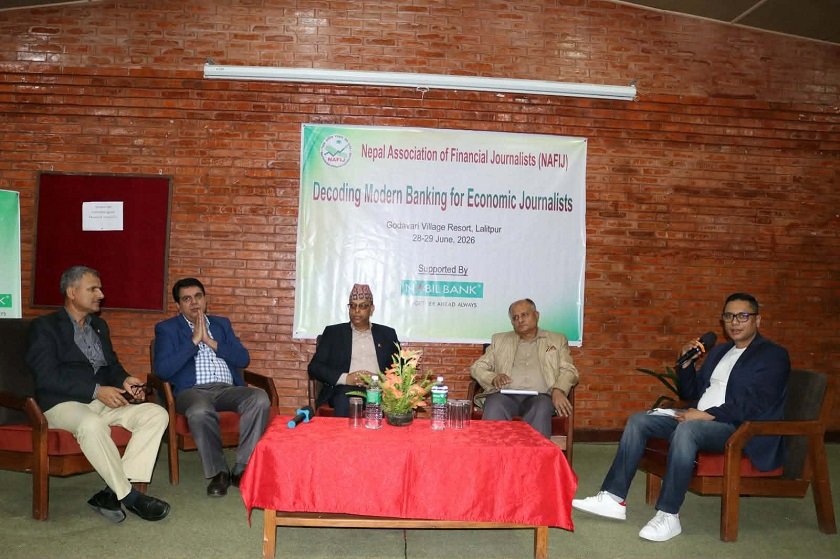
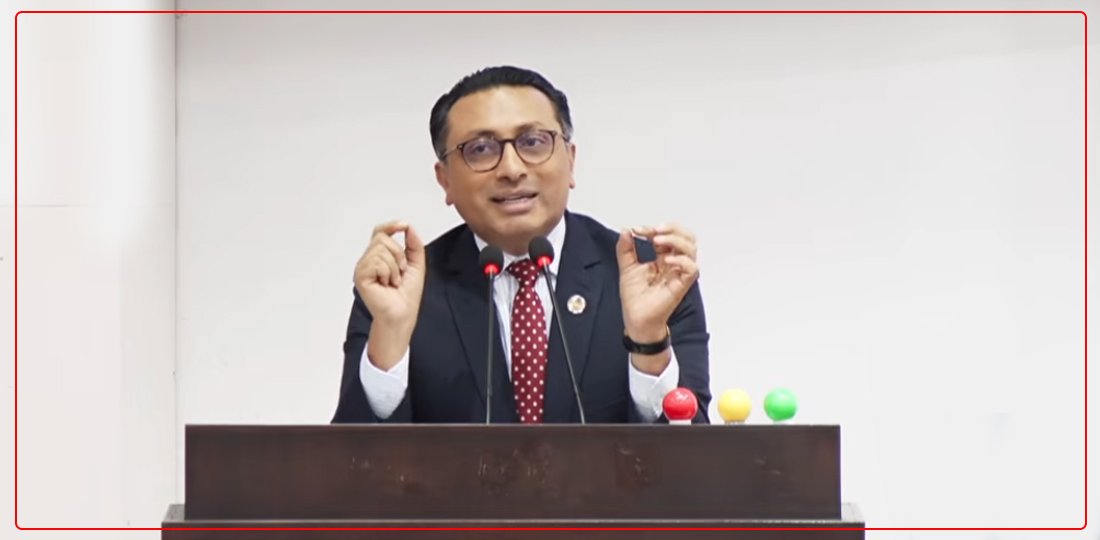
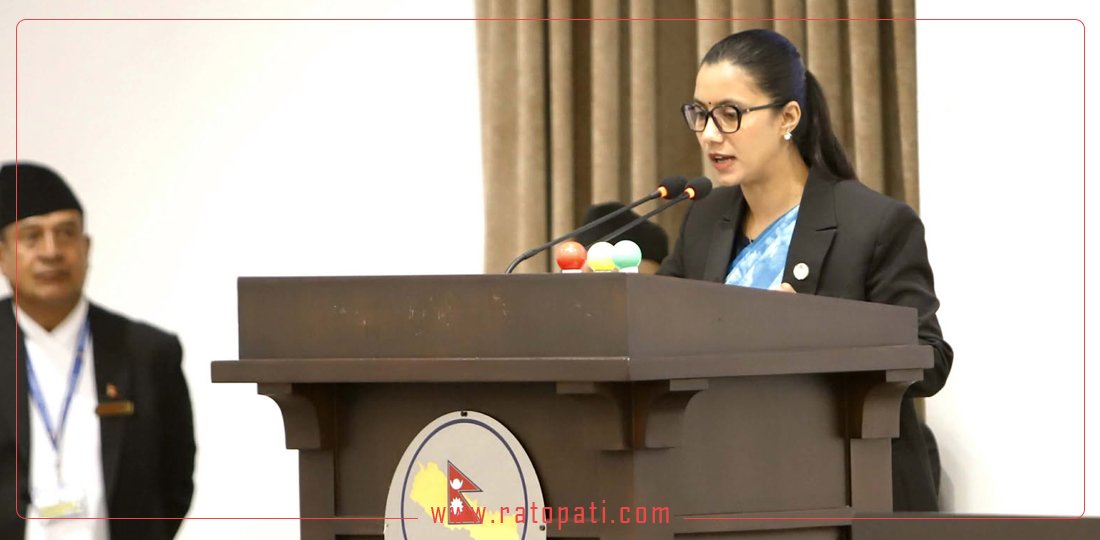
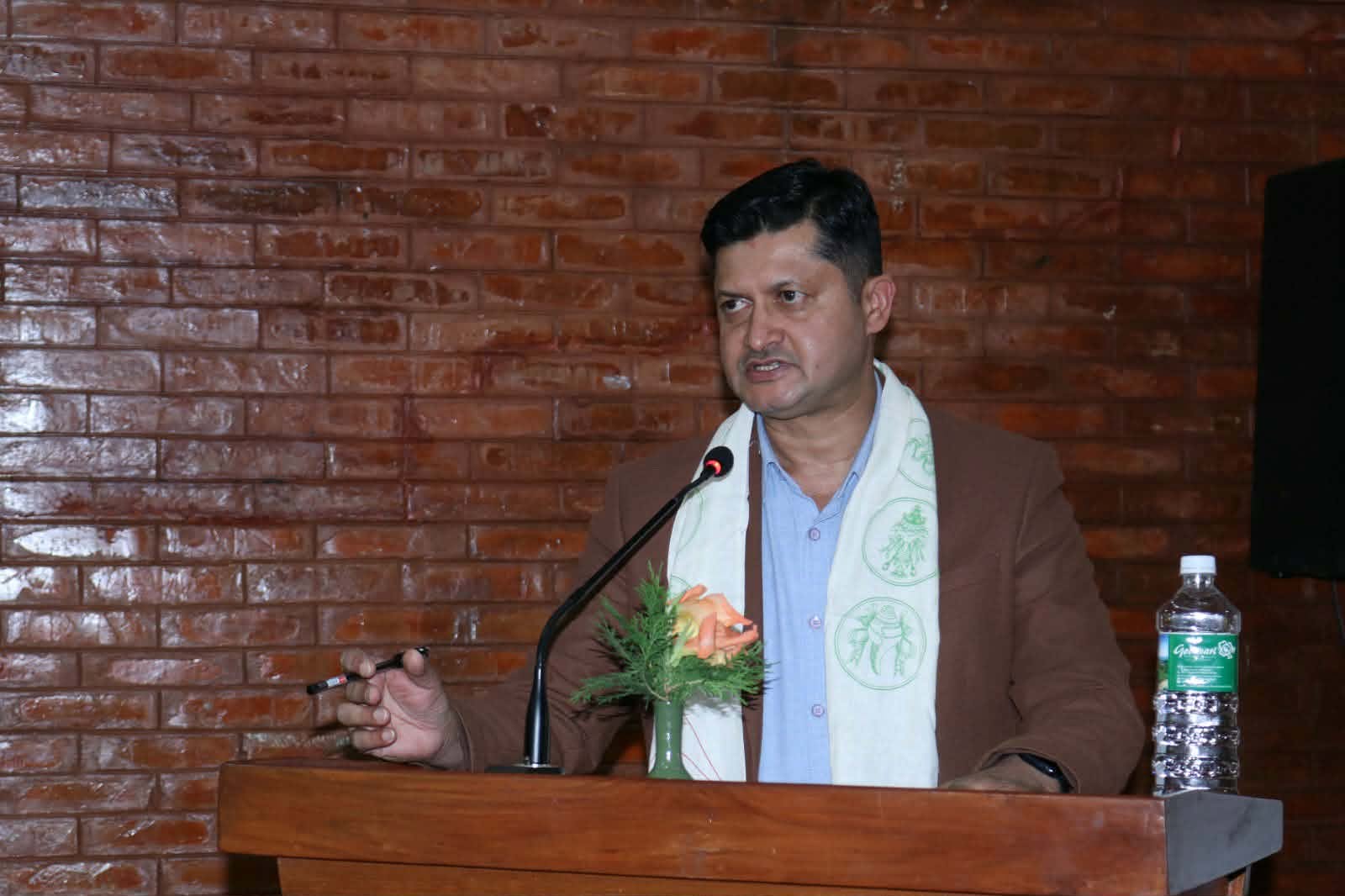
Kathmandu. Experts have stressed that the upcoming monetary policy should come with a long-term vision rather than a short-term one. Speaking at the 'Decoding Modern Banking for Economic Journalists' program organized in collaboration with Nepal Economic Journalists Association (NEFEJ) and Nabil Bank on Sunday, economic sector experts emphasized this.
Former Secretary of the Federal Parliament, Dr. Surendra Aryal, said that since the leadership of both the government and the central bank is likely to remain for the next 5 years, the monetary policy should also come with a 5-year long-term vision.
Dr. Aryal commented that not much can be expected from the upcoming monetary policy as the budget for the fiscal year 2083/84 has come in a traditional style and is not transformative.
He said, 'Instead of working separately, the monetary policy should go hand in hand with the fiscal policy. The budget has come in the same old pattern as yesterday, and capital expenditure is dismal. In such a situation, the monetary policy alone cannot bring much change.'
He clarified that the budget has not come in a way that solves the problem of excess liquidity in banks and that it is not necessary to continue the relaxed provisions given during the time of COVID-19 indefinitely.
Executive Director of Nepal Rastra Bank, Muktinath Sapkota, however, said that the success of the monetary policy should not be judged solely by the target of credit expansion. He clarified that the main goal of the central bank is the stability of the financial sector.
He stated that despite the credit expansion target not being met in the last 2-3 years, there is excess liquidity in banks and financial institutions. Executive Director Sapkota added, 'In the monetary policy of 2077, a refinance policy was introduced targeting the COVID period. However, it cannot be given continuously. Businessmen and entrepreneurs should understand this reality.'
Former President of the Nepal Bankers Association, Anil Kumar Upadhyay, said that the impact of the tight policies taken in the past is visible in the current economy. He argued that although credit increased during the COVID period, the tight measures taken due to pressure on foreign exchange reserves have now created problems.
'We need to be clear in the fiscal policy and monetary policy about which sector we want to increase credit in,' he said, 'Economic growth is not possible with the current patchwork approach.'
Similarly, former Executive Director of Nepal Rastra Bank, Dev Kumar Dhakal, emphasized the need to expand the capacity to manage (process) market liquidity, stating that there is growing public interest in the financial sector's policy.
This specific news has been automatically translated by AI. As a result, there may be some inaccuracies or language errors.